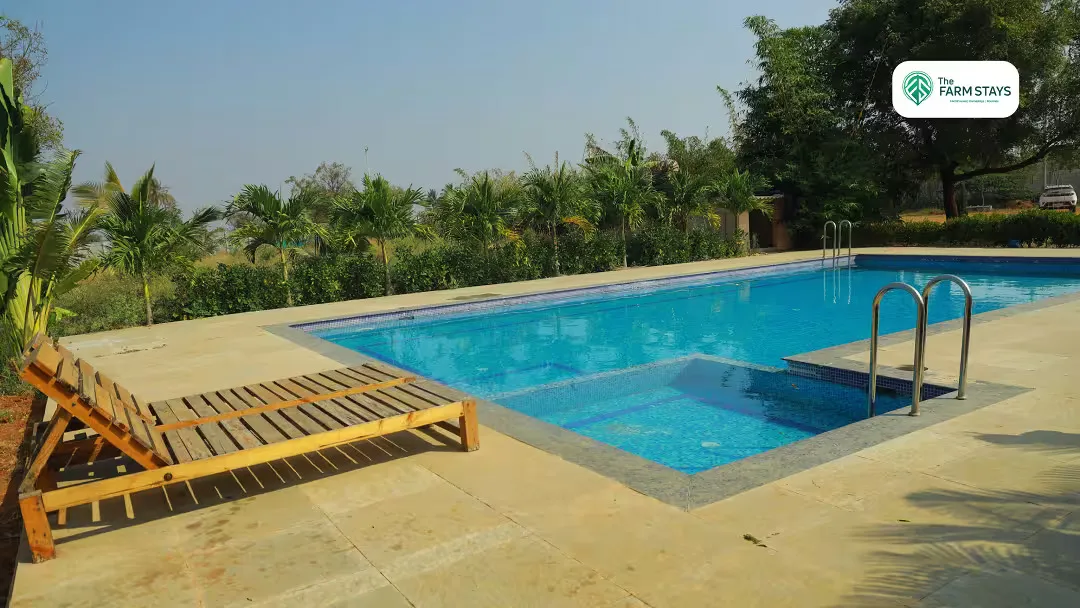
Private Farm House for Rent in Hyderabad: A Simple Guide
Finding a Private Farm House for Rent in Hyderabad can be a great way to escape busy city life without traveling too far. You get more space, greenery, privacy, and often a swimming pool or outdoor area to enjoy with family and friends.But finding the right place is not always easy. Private Farm House for Rent in Hyderabad Photos can look better than reality, prices may not be clear, and important details can sometimes be missing. This is where a trusted farmhouse listing platform can make the search much simpler.For people looking for a peaceful weekend, family gathering, romantic escape, birthday celebration, or group stay, TheFarmstays brings together handpicked farmhouse options around Hyderabad with property details, real photos, amenities, and pricing information.What Is a Farm House Stay in Hyderabad?A farm house stay is a short-term stay at a private property surrounded by open space, gardens, trees, or natural surroundings. Unlike a regular hotel room, a farmhouse usually gives guests more room to relax and spend time together.Many farmhouses have private gardens, outdoor seating, kitchens, bedrooms, lawns, and swimming pools. Some are designed for quiet family stays, while others are better suited for celebrations or group gatherings.A Farm House Stay in Hyderabad can work well for people who want a change of scenery without planning a long trip.You can leave the city in the morning and still have plenty of time to enjoy the day. That is part of the charm. Sometimes, the best getaway is the one that does not require packing your entire life into a suitcase.Why Are Farm Houses in Hyderabad for Rent So Popular?Hyderabad is a busy city with a growing number of residential and commercial areas. After a long week, many people simply want some open space and quiet.Farmhouses offer a different experience from hotels and apartments. You can often enjoy a larger private area with your group instead of spending most of your time inside one room.More Privacy for GroupsPrivacy is one of the biggest reasons people choose farmhouses. Families and groups can spend time together without dealing with crowded hotel common areas.A private property can be useful for small celebrations, reunions, weekend trips, and casual get-togethers.More Outdoor SpaceMany properties include lawns, gardens, terraces, or outdoor seating. This gives guests more options during the day.You can have breakfast outdoors, play games, sit under the trees, or simply enjoy a slower afternoon.Swimming Pools Add Extra FunA Farm House for Rent in Hyderabad with Swimming Pool is especially popular during warmer months. A private pool can turn an ordinary weekend into a more enjoyable experience.However, guests should always check whether pool access is private, shared, included in the booking, and available during their stay.Where Can You Find a Farm House for Rent in Hyderabad?Several areas around Hyderabad are known for farmhouse and weekend-stay options. The right location depends on your starting point, budget, group size, and preferred experience.Farmhouses Around GachibowliGachibowli is a major business and residential area. For people living or working around western Hyderabad, nearby farmhouse locations can be convenient for a short weekend escape.The area is also useful for guests who do not want to spend several hours traveling.Farmhouses Around MoinabadMoinabad is popular among people looking for greenery and a more relaxed setting. It has a mix of private farmhouses, villas, gardens, and countryside-style properties.It can be a good choice for families, couples, and groups who want a quieter environment away from the busiest parts of the city.Farmhouses Around ShamshabadShamshabad is another useful location for short stays. Its connectivity makes it convenient for people coming from different parts of Hyderabad.Properties in and around Shamshabad can offer a balance between accessibility and a more open atmosphere.How Do You Find a Farm House Near Me With Price?Searching for a Farm House Near Me with Price sounds simple, but search results can become confusing quickly. Different properties may show different prices based on the date, number of guests, amenities, and booking duration.The easiest approach is to compare several important details together.First, check the location. A property that looks cheap may cost more in travel time and transport.Next, check the total booking price. Do not look only at the starting rate. Ask whether taxes, cleaning fees, security deposits, food, or additional guest charges apply.Then compare amenities. If you specifically want a swimming pool, garden, private kitchen, or multiple bedrooms, make sure the property actually includes those features.TheFarmstays helps simplify this process by presenting farmhouse options with property information, photographs, amenities, and pricing details so guests can compare options before making a decision.How Much Does a Farm House for Rent in Hyderabad Cost?The price of a Farm House for Rent in Hyderabad with Price can vary widely. There is no single fixed rate for every property.Several factors affect the final cost.Property SizeA small farmhouse for a couple or small family may cost less than a large property designed for a big group.Number of GuestsSome properties have fixed occupancy limits. Others charge extra when the number of guests increases.Swimming Pool and AmenitiesA farmhouse with a private swimming pool, large lawn, multiple bedrooms, entertainment areas, or premium facilities may have a higher rate.Day and SeasonWeekend dates are often more popular than weekdays. Festival periods, holidays, and special occasions may also affect availability and pricing.For this reason, people searching for a Low Price Farmhouse in Hyderabad should compare the complete booking value rather than choosing a property only because its first displayed price looks low.Can You Find a Cheap and Best Farm House in Hyderabad?Yes, but “cheap” and “best” do not always mean the same thing.The best farmhouse is one that matches your actual needs at a reasonable price. A very cheap property may not be useful if it is too far away, has limited facilities, or does not have enough space for your group.What Should You Check Before Booking?Start with the basics:Location and travel timeTotal priceNumber of bedroomsMaximum guest capacitySwimming pool availabilityKitchen and dining facilitiesParking spaceOutdoor areaCheck-in and check-out timeProperty rulesCancellation policyRecent photographsHost communicationThese simple checks can prevent many booking surprises.A good deal is not simply the lowest number on the screen. It is the right combination of location, comfort, facilities, safety, and price.Why Choose TheFarmstays for Farmstay Near Hyderabad?When searching for a Farmstay Near Hyderabad, the biggest challenge is knowing whether a listing is genuine and whether the property matches its description.TheFarmstays focuses on handpicked and verified farmhouse listings around Hyderabad, including areas such as Gachibowli, Moinabad, and Shamshabad.The platform is designed to make the search easier by bringing important property information into one place.Verified Property InformationTheFarmstays states that properties are checked for cleanliness, safety, and authenticity. Listings are supported with real photographs and property details.This can help guests make a more informed decision before contacting a host.Clear PricingTransparent pricing matters when comparing farmhouses. Guests should know what they are likely to pay before they commit to a booking.TheFarmstays focuses on showing pricing information upfront, helping users compare properties based on their budget and requirements.Different Types of StaysNot everyone wants the same type of farmhouse.Some guests want a peaceful family retreat. Others want a romantic weekend. Some need space for a reunion, birthday, team outing, or celebration.A varied collection gives guests more flexibility when choosing a property.Who Should Consider a Farmstay in Hyderabad?A Farmstay in Hyderabad can suit many types of travelers.FamiliesFamilies can enjoy larger spaces where children and adults have room to relax. Outdoor areas can also provide more activities than a standard hotel room.CouplesCouples looking for a quiet weekend can choose a private property with greenery, comfortable rooms, and outdoor spaces.Friends and GroupsGroups often prefer farmhouses because everyone can stay together. A property with several bedrooms and shared outdoor areas can make group trips easier.Corporate TeamsCompanies sometimes use private properties for small team outings, informal meetings, and team-building activities. The right property can provide a relaxed setting away from the office.Small CelebrationsBirthdays, anniversaries, reunions, and other gatherings can also work well at suitable farmhouses. Guests should always confirm the property's rules about music, decorations, visitors, food, and events before booking.How Do You Choose the Best Farm Stays in Hyderabad?The Best Farm Stays in Hyderabad are not necessarily the most expensive ones. They are the properties that fit your purpose.Think about what you actually need before searching.If you are traveling with children, safety and space may be more important than luxury.If you are traveling as a couple, privacy and atmosphere may matter more.If you are traveling with a large group, bedroom count, bathrooms, parking, and common areas become important.If you want a pool day, check the swimming pool details before booking.This simple approach makes it easier to narrow down the choices.What Makes TheFarmstays Different?TheFarmstays aims to reduce the uncertainty that often comes with online farmhouse searches.Instead of relying only on attractive photographs or vague descriptions, guests can review property information, amenities, location details, photographs, and pricing before making contact.The platform also connects guests with trusted hosts for direct communication.That matters because every trip is different. A family may have questions about kitchen access. A group may need to confirm parking. A couple may want to know about privacy. Clear communication can make the booking process smoother.The goal is simple: make finding a suitable farmhouse easier and more transparent.What Should You Ask Before Booking?Before confirming a farmhouse, ask a few practical questions.Is the swimming pool private?How many guests are allowed?Are there additional charges?What are the check-in and check-out times?Is parking available?Can guests cook their own food?Are outside guests allowed?What are the rules regarding music and celebrations?Is a security deposit required?What happens if the booking is cancelled?Getting clear answers before payment can save time and avoid misunderstandings later.Why Is a Farm House Stay Better Than a Regular Hotel for Some Trips?Hotels are excellent for many travel situations. But they may not always be ideal for groups that want private space.A farmhouse can offer a larger shared environment. Instead of meeting in a small room or hotel lobby, guests can spend time together in gardens, living areas, poolside spaces, or outdoor seating areas.For weekend trips, this can create a more relaxed experience.The choice depends on the purpose of the trip. If you need a central business hotel, a hotel may be better. If you want privacy, greenery, and group space, a farmhouse may make more sense.How Can You Book the Right Farmhouse?Start by deciding your dates, group size, preferred location, and budget.Then shortlist properties that match your needs. Compare their amenities, photographs, pricing, location, and rules.TheFarmstays can help travelers explore farmhouse options around Hyderabad and identify properties that fit different types of stays.Whether you are searching for Farm Houses in Hyderabad for Rent, a poolside property, a family retreat, or a peaceful weekend stay, comparing the details first can make the entire process easier.Frequently Asked Questions About Farmhouses in HyderabadWhat is the best area for a farmhouse near Hyderabad?Moinabad, Shamshabad, and areas around Gachibowli can be useful places to explore. The best area depends on your starting location, travel time, budget, and preferred type of stay.Can I find a private farmhouse with a swimming pool in Hyderabad?Yes. Several farmhouse properties around Hyderabad offer swimming pools. Always confirm whether the pool is private, shared, included in the price, and available during your selected dates.How can I find a low-price farmhouse in Hyderabad?Compare multiple properties based on total booking cost, location, guest capacity, and amenities. A lower starting price does not always mean a lower final cost.Are farmhouses suitable for families?Yes. Many farmhouses are suitable for families because they offer more space and private areas. Before booking, check safety features, guest capacity, pool rules, and property policies.Can I rent a farmhouse for a birthday or small celebration?Some properties allow celebrations, while others have restrictions on music, visitors, decorations, or events. Always confirm the property's rules before booking.How can I find a reliable farmstay near Hyderabad?Look for clear property information, genuine photographs, transparent pricing, verified details, and responsive host communication. TheFarmstays brings these details together to make the search more convenient.Contact TheFarmstaysIf you are planning a weekend escape, family gathering, couple's retreat, or group stay, exploring the right property early can make your trip much easier.TheFarmstays offers handpicked farmhouse options across locations such as Gachibowli, Moinabad, and Shamshabad, with a focus on verified properties, clear information, real photographs, and transparent pricing.For travelers searching for a Private Farm House for Rent in Hyderabad, the right stay is not simply about finding the cheapest property. It is about finding a place that matches your group, budget, location, and plans.