Oct 15, 2026
•
19 Reads
Gold Earring Price in Pakistan for Every Budget
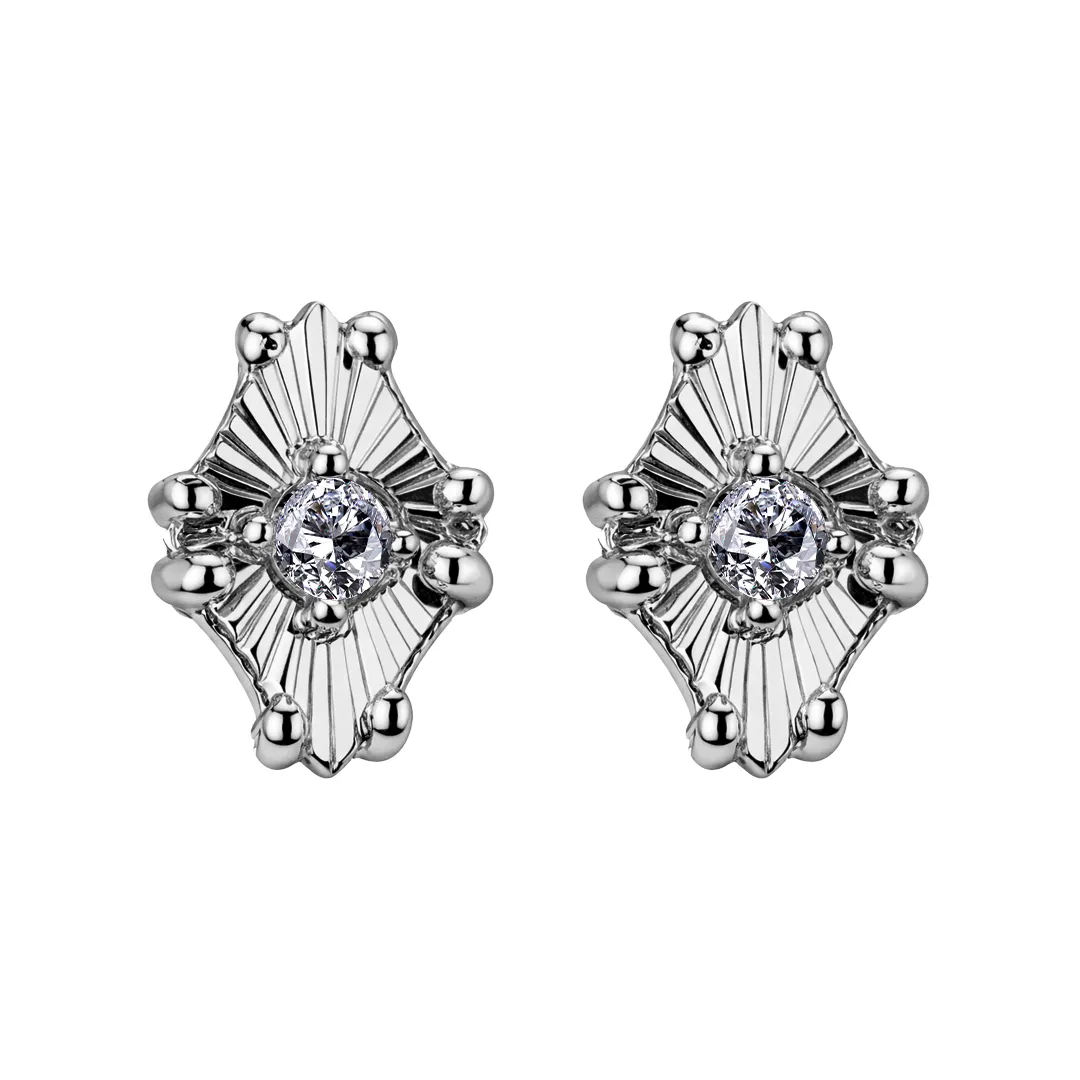
Gold earrings are among the most popular jewellery choices in Pakistan, offering a beautiful combination of elegance, tradition, and lasting value. Whether you are shopping for everyday jewellery, preparing for a wedding, choosing a birthday gift, or looking for a special piece for a family celebration, gold earrings are available in a wide range of designs and price categories. Understanding the gold earring price in Pakistan can help you choose a pair that suits your style, preferences, and budget.The price of gold earrings depends on several factors, including the current gold rate, purity, weight, design, craftsmanship, and additional charges. Small and lightweight earrings can be suitable for buyers with limited budgets, while detailed bridal designs and diamond-accented gold earrings generally require a larger investment. By comparing these factors before making a purchase, shoppers can find jewellery that offers the right balance of beauty, quality, and affordability.Understanding Gold Earring Prices in PakistanGold jewellery prices in Pakistan can change frequently because gold is traded internationally and local prices respond to market conditions, currency movements, and other economic factors. For this reason, the price of a particular pair of earrings may differ from one day to another.The weight of the earrings is one of the most important pricing factors. Lightweight studs and small hoops usually require less gold than larger hoops, hanging earrings, or elaborate traditional designs. However, weight alone does not determine the final price. Two pairs with similar gold content may have different prices because one features more intricate craftsmanship or additional decorative elements.Jewellers may also charge making fees for designing, shaping, polishing, and finishing the jewellery. Some designs involve more detailed work and therefore carry higher labour costs. Buyers should ask for a clear price breakdown so they can understand how much they are paying for gold, craftsmanship, and any additional materials.Gold Earrings for Buyers on a Small BudgetAffordable gold earrings are a practical option for people who want genuine gold jewellery without spending a large amount. Small studs, simple ball earrings, delicate hoops, and minimal everyday designs are often suitable choices for budget-conscious shoppers.Lightweight earrings can provide an elegant appearance while using a relatively small quantity of gold. Simple designs are also useful for daily wear because they can complement different outfits without appearing overly decorative. Buyers who prefer understated jewellery can explore plain gold studs or small geometric shapes that remain stylish across changing fashion trends.When shopping on a limited budget, focus on the gold purity, actual weight, and total price rather than the size of the design alone. A visually large earring may contain less gold than expected if it has a hollow construction or decorative components made from other materials. Ask the jeweller to explain the construction and confirm whether the quoted price includes all applicable charges.Mid-Range Gold Earrings for Everyday EleganceMid-range gold earrings offer more design variety for shoppers who want jewellery that feels distinctive without moving into the most expensive categories. Depending on the current gold rate, weight, and making charges, this category may include textured studs, medium-sized hoops, small drop earrings, and traditional designs with decorative details.These earrings are suitable for office wear, family gatherings, dinners, and festive occasions. Their versatility makes them attractive to people who want a pair that works with both casual and formal clothing. A classic hoop or a refined drop design can remain useful for many years when selected carefully and maintained properly.Buyers in this category should compare several designs from different jewellers. Look at the total price, gold purity, finishing, fastening quality, and comfort. A well-made pair with a simple design may offer better long-term satisfaction than an elaborate option with a much higher making charge.Premium Gold Earrings for Special OccasionsPremium gold earrings are designed for buyers who prefer more elaborate craftsmanship, larger designs, or distinctive decorative details. They may feature intricate patterns, layered shapes, traditional motifs, gemstone accents, or combinations of different gold finishes.These designs are popular for weddings, engagement celebrations, Eid gatherings, anniversaries, and formal events. Larger earrings can create a striking appearance and complement traditional Pakistani outfits such as lehengas, formal dresses, and embroidered suits.Premium prices can reflect the quantity of gold used, the complexity of the design, the jeweller's craftsmanship, and the inclusion of gemstones. Before purchasing, ask whether the quoted amount includes stones and other decorative materials. Confirming these details makes it easier to compare similar products and understand the actual value of each pair.Bridal Gold Earrings and Traditional DesignsGold earrings hold a special place in Pakistani bridal jewellery. Traditional jhumkas, chandbalis, elaborate hanging earrings, and coordinated bridal sets are frequently chosen for their cultural significance and decorative appeal.Bridal earrings may feature detailed goldwork, intricate patterns, pearls, coloured stones, or diamond accents. Their prices can vary considerably according to weight, purity, craftsmanship, and the number and quality of decorative elements. Larger designs may also require stronger fittings to provide better support and comfort.When selecting bridal earrings, consider the complete outfit and the occasion. Heavy earrings may suit a formal wedding look, while lighter designs can be more comfortable for extended wear. Buyers should check the security of the clasps, the balance of the earrings, and whether the design feels comfortable around the ears.It is also helpful to establish a jewellery budget before visiting a showroom. This allows you to compare designs within a realistic spending range rather than focusing only on the most elaborate options.How Gold Purity Affects the PriceGold purity is another essential factor when comparing earrings. In Pakistan, buyers commonly encounter 22-karat and 21-karat gold jewellery, while 18-karat gold may also be available in particular designs, including some gemstone and diamond-accented pieces.Twenty-two-karat gold contains a higher proportion of pure gold than 18-karat gold. Twenty-one-karat gold also contains a substantial proportion of pure gold but includes a greater amount of other metals than 22-karat gold. The additional metals can influence the hardness, colour, and suitability of the jewellery for different designs.Higher purity generally means a higher gold value per gram when weights and market conditions are comparable. However, the final price also depends on craftsmanship, design, and other materials. Buyers should confirm the stated karat and look for appropriate purity markings or documentation.Choosing the right purity involves balancing preference, durability, and budget. For intricate designs or earrings intended for frequent use, discuss the practical advantages of the available gold options with a reputable jeweller.The Role of Weight in Gold Earring PricingGold weight directly influences the material cost of a pair of earrings. A lightweight pair uses less gold, while heavier designs usually have a higher gold component in their price.When comparing earrings, ask for the combined weight of both pieces rather than assuming that the listed weight refers to the pair. It is also useful to clarify whether the weight includes stones, pearls, or other materials, as these components may be priced separately from gold.A transparent quotation should identify the gold purity, weight, applicable rate, making charges, and any additional costs. This information makes it easier to compare products from different shops and determine whether a particular design fits your budget.Buyers should also remember that a higher weight does not automatically mean better craftsmanship. A comfortable, carefully finished pair may be a better choice than a heavier design that feels uncomfortable during extended wear.Making Charges and Their Impact on the Final PriceMaking charges cover the labour and craftsmanship required to turn gold into finished jewellery. These charges can vary according to the design, production method, detailing, and pricing policy of the jeweller.Plain studs and simple hoops may require less intricate work than handmade jhumkas or earrings with complex patterns. As a result, two pairs with comparable gold weights can have noticeably different final prices.Some jewellers calculate making charges as a percentage of the gold value, while others use a fixed amount or another pricing method. Always ask which method is being used before agreeing to a purchase.Buyers should compare the complete final price rather than focusing only on a low advertised gold rate. A seemingly attractive offer may include higher making charges or other fees. A written receipt showing the relevant price details helps avoid confusion and provides a useful record of the purchase.Popular Gold Earring Designs in PakistanPakistani jewellery collections include many designs to suit different budgets and personal styles. Gold studs remain popular because they are simple, versatile, and comfortable for everyday wear. Small hoops offer a modern appearance, while larger hoops can provide a more noticeable fashion statement.Jhumkas are a traditional favourite, especially for festive occasions and wedding celebrations. Their hanging structure and decorative details can make them an attractive choice for people who prefer classic South Asian jewellery. Chandbalis are another popular option, often selected for their crescent-inspired shape and elaborate appearance.Drop earrings provide a balance between simple studs and heavier traditional designs. They can be worn with formal clothing or used to add a refined touch to everyday outfits. Diamond-accented gold earrings appeal to buyers who want a combination of gold and sparkling decorative stones.When choosing a design, consider how often you plan to wear it. A versatile pair may provide more practical value than a highly specialised design intended for only one occasion.How to Choose Gold Earrings Within Your BudgetThe best way to shop confidently is to decide on a spending limit before comparing designs. Your budget should include the gold cost, making charges, and any additional materials or applicable taxes.Start by identifying the style you prefer. If you need earrings for daily use, lightweight studs or small hoops may be suitable. If you are shopping for a wedding or formal event, you may prefer jhumkas, chandbalis, or decorative drop earrings.Next, compare the gold purity and weight of similar products. Ask for a detailed quotation and confirm the return, exchange, resizing, or repair policies. These details can be particularly important when purchasing expensive or elaborate jewellery.It is also worth visiting more than one reputable jeweller before making a final decision. Comparing several options can help you identify differences in craftsmanship, finishing, and pricing. Do not rush into a purchase simply because a design is advertised as a limited-time offer.Tips for Buying Genuine Gold EarringsAuthenticity should be a priority whenever you purchase gold jewellery. Buy from an established jeweller who can explain the purity, weight, and pricing structure clearly. Request a proper receipt that records the product details and the amount paid.Check whether the earrings carry appropriate purity markings and ask about any available certification or testing procedures. If the jewellery includes diamonds or other gemstones, request relevant details about those materials as well.Inspect the clasps, hinges, posts, and overall finishing before purchasing. The earrings should feel secure and comfortable, with no obvious rough edges or loose decorative elements. For heavier styles, ask whether the fastening is suitable for the weight.Finally, keep the receipt and any accompanying documentation in a safe place. These records can be helpful if you later need repairs, an exchange, or an assessment of the jewellery's value.Why Gold Earrings Make a Meaningful GiftGold earrings are popular gifts for birthdays, weddings, anniversaries, graduations, and religious or cultural celebrations. Their wide range of styles makes it possible to select a thoughtful present for different ages and preferences.Small gold studs can make an elegant gift for someone who prefers minimal jewellery, while decorative drops or traditional jhumkas may be better suited to someone who enjoys statement pieces. For a wedding gift, a carefully selected pair can complement the recipient's existing jewellery collection.Before choosing a gift, consider the person's preferred style, the type of gold they usually wear, and whether they favour lightweight or elaborate designs. A practical, well-made pair can be appreciated for years, particularly when it matches the recipient's everyday needs and personal taste.ConclusionThe gold earring price in Pakistan varies according to gold purity, weight, current market rates, making charges, craftsmanship, and decorative materials. From simple studs for small budgets to premium bridal earrings for special occasions, there are options for a wide range of preferences and spending limits.The key to making a confident purchase is to compare similar designs, request transparent price breakdowns, confirm gold purity, and choose a reputable jeweller. Rather than judging earrings by appearance alone, consider their quality, comfort, durability, and suitability for your intended use.With careful research and a clear budget, you can find gold earrings that complement your style and provide lasting enjoyment. Whether you prefer classic everyday designs or elaborate traditional jewellery, the right pair can bring elegance and personal meaning to any occasion.