Category

Health

Oct 09, 2026 • 8 Reads

Home Care Services: A Guide for Families Supporting Seniors

Home Care Services: A Guide for Families Supporting SeniorsWhen an older family member begins needing help with everyday activities, relatives may explore home care services as an alternative to managing every responsibility themselves. In-home support can help seniors continue living in familiar surroundings while receiving assistance suited to their routines.Understanding the available options makes it easier to have informed conversations and plan appropriate support.Everyday Assistance at HomeMany older adults need help with ordinary tasks rather than a complete change in their living arrangements. Depending on individual needs, non-medical home care may include preparing meals, completing light household chores, running errands, and accompanying seniors to appointments.This support can help families address practical challenges while respecting the older adult's preferences.Before choosing a provider, families should identify which activities have become difficult and what kind of assistance would be most useful.Companionship and Personal RoutinesRegular social interaction can be an important part of everyday life. A caregiver may offer companionship through conversation and shared activities, while also helping the senior maintain preferred routines.Some care arrangements include assistance with personal care and daily living activities. The specific services available depend on the provider and the individual's needs.Families should discuss expectations clearly before beginning care.Memory Care and Specialized SupportSome households may need additional assistance when an older relative experiences memory-related changes or other age-related challenges.Memory care at home can involve structured routines, familiar activities, and support tailored to the individual's needs. Families should ask prospective providers about their experience and the specific services they offer.Home care is not a substitute for medical treatment, so healthcare concerns should be discussed with the appropriate healthcare professional.Respite Care for Family CaregiversFamily members frequently provide substantial support to aging relatives. Over time, caregiving responsibilities can become difficult to balance with employment, family life, and personal commitments.Respite care can provide temporary support while family caregivers take a break or attend to other responsibilities.Planning this support ahead of time can help families understand their options before additional assistance becomes urgent.How to Evaluate a Home Care ProviderWhen comparing providers, consider the range of services, caregiver screening and training, scheduling flexibility, communication procedures, and how individualized care plans are developed.Families should also ask how changes in care needs are reviewed and who to contact with questions.For households in Pasadena and nearby communities, researching available home care services is a practical first step toward understanding local support options.Building a Plan Around the SeniorA suitable care arrangement should begin with a conversation about the senior's needs, preferences, and daily routine. Family members can then explore options that provide appropriate assistance without introducing unnecessary disruption.With clear expectations and ongoing communication, home care services can become part of a thoughtful plan for supporting an older adult at home.

H
Home Instead 241
Oct 05, 2026 • 19 Reads

Physical Therapy Advantage: Building Better Movement and Daily Confidence With Physical Therapy in Aurora IL

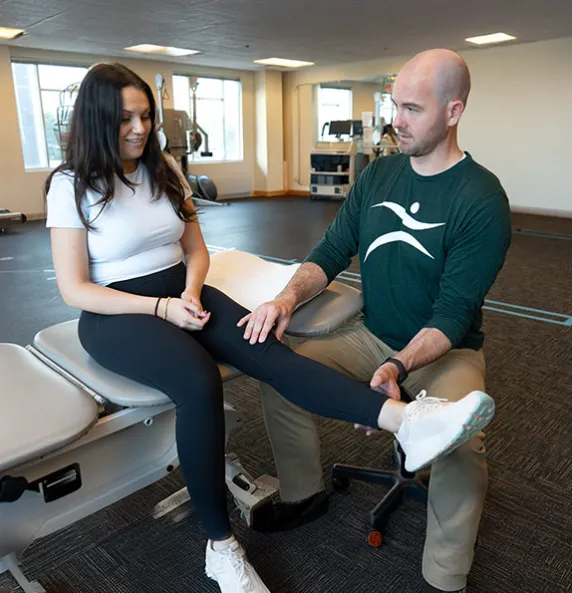
IntroductionMoving comfortably is something many people take for granted until pain, stiffness, weakness, or an injury begins to interfere with everyday life. Simple activities such as getting out of bed, walking through the grocery store, climbing stairs, working at a desk, or enjoying a weekend activity can become more difficult when the body is not moving the way it should. Physical therapy focuses on improving movement, strength, flexibility, and function so people can feel more capable during the activities that matter to them.At Physical Therapy Advantage, the focus can be placed on helping people build better movement habits while working toward practical goals. Choosing Physical Therapy in Aurora IL can be an important step for someone who wants to address movement difficulties instead of simply working around them. A personalized approach can help connect treatment with real-life needs, making progress more meaningful and easier to carry into daily routines.Understanding Why Everyday Movement MattersMobility is more than being able to walk from one place to another. It involves strength, balance, coordination, flexibility, endurance, and the ability to control movement during different activities. These abilities all contribute to independence and everyday function.When one area becomes weaker or less flexible, other parts of the body may have to compensate. Over time, this can change the way someone walks, bends, reaches, lifts, or uses stairs. Paying attention to these changes early can make it easier to understand what may be contributing to discomfort or difficulty.A physical therapist can evaluate movement patterns and develop exercises or strategies based on an individual's needs and goals. Rather than using the exact same approach for everyone, physical therapy can be adjusted as strength, mobility, and confidence improve.Building Strength for Real-Life ActivitiesStrength is not only important for exercise or athletic performance. It plays a role in many ordinary tasks throughout the day. Standing from a chair, carrying household items, walking longer distances, climbing stairs, and maintaining balance all require different combinations of muscular strength and control.A structured physical therapy program can focus on the areas that need additional support. Exercises may be selected to improve lower-body strength, core stability, joint control, or overall endurance depending on the person's condition and goals.The key is making strength useful outside the therapy setting. Someone may not be interested in lifting heavier weights simply for the sake of exercise. They may want to walk around the neighborhood more comfortably, return to a favorite hobby, keep up with family members, or complete household responsibilities without feeling limited. Those everyday goals can help shape a more meaningful rehabilitation plan.Improving Mobility Without Losing ConfidencePain or previous injury can sometimes make people hesitant to move. They may avoid certain activities because they are worried about discomfort, losing balance, or making an existing problem worse. Unfortunately, avoiding movement altogether can contribute to further weakness and reduced physical function.This is where gradual, appropriate movement can become valuable. Physical therapy can introduce exercises and movement strategies at a level that matches the person's current abilities, then progress them as appropriate. Physical therapists can also provide education about safer ways to move and manage symptoms during recovery.For people searching for Physical Therapy in Aurora IL, confidence can be just as important as physical improvement. Being able to understand how your body moves and knowing which strategies support your recovery can make everyday activities feel less uncertain.Supporting Better Movement at Home and WorkMany movement challenges show up outside a clinic. A person may feel discomfort while sitting at a computer, lifting objects at work, cleaning the house, gardening, shopping, or standing for extended periods. These situations provide important clues about how movement limitations affect daily life.Physical therapy can help connect treatment with these routines. Instead of thinking only about exercises performed during an appointment, patients can learn ways to incorporate healthier movement habits into their normal day.For example, improving posture, body positioning, flexibility, strength, and movement control may help someone approach common activities with greater awareness. The goal is not to make every movement complicated. It is to make useful movement feel more natural and manageable.Creating Progress That Fits Individual GoalsEvery person's starting point is different. Two people may experience discomfort in the same general area but have completely different causes, activity levels, work demands, and recovery goals. That is why individualized care is an important part of physical therapy.At Physical Therapy Advantage, treatment can be centered around the individual's current abilities and desired outcomes. A person recovering from an injury may have different priorities than someone managing long-term stiffness or trying to improve general mobility.Progress may involve small improvements at first. Walking a little farther, standing more comfortably, moving with better control, or completing a familiar task with less difficulty can all represent meaningful steps forward. Physical therapy is often about building those smaller improvements into greater functional ability over time.Making Movement a Part of Long-Term WellnessPhysical therapy does not have to be viewed only as something people do after an injury. Movement, strength, and balance are important parts of maintaining physical function throughout life. Regular physical activity can support daily function, independence, and overall health.Learning how to move well can also encourage people to stay active. When movement feels more comfortable and manageable, it may become easier to participate in walking, recreational activities, household tasks, or other interests.For someone considering Physical Therapy in Aurora IL, the long-term goal may be more than simply getting through a treatment program. It may be about developing better movement habits that can continue to support an active lifestyle after formal therapy ends.A Practical Approach to Better MovementGood physical therapy should connect clinical care with real life. The exercises and techniques used during treatment should have a purpose that relates to what a person wants to accomplish outside the clinic.Whether the goal is returning to normal activities after an injury, improving balance, building strength, increasing flexibility, or becoming more comfortable with everyday movement, having a clear direction can make the process easier to understand.At Physical Therapy Advantage, the focus on practical movement can help individuals work toward improvements that have meaning in their own lives. With appropriate guidance and consistent effort, physical therapy can become a valuable part of rebuilding physical confidence.ConclusionBetter movement can make a noticeable difference in how people experience their everyday lives. Strength, flexibility, balance, coordination, and mobility all contribute to the ability to work, exercise, enjoy hobbies, complete household tasks, and stay independent.Physical Therapy in Aurora IL can provide a path toward addressing movement challenges with a personalized and practical approach. At Physical Therapy Advantage, the focus can remain on helping individuals understand their movement needs, build physical capacity, and develop greater confidence in everyday activities.The most meaningful progress is not always measured by how much someone can do inside a therapy session. It can be seen in the moments that happen afterward—walking more comfortably, moving with greater confidence, returning to favorite activities, and feeling more capable throughout the day.

S
Smith Johnson
Oct 05, 2026 • 19 Reads

What to Consider When Choosing Physical Therapy Near Me at Summit Physical Therapy

When pain, stiffness, weakness, or an injury starts making everyday activities harder, finding the right physical therapy provider can become an important priority. You may search online for physical therapy near me because you want care that is convenient, professional, and suited to your specific situation. But choosing a provider should involve more than simply selecting the closest option.A good rehabilitation experience should help you understand your movement concerns, set realistic goals, and work through a treatment plan that makes sense for your daily life. For people in Merrick, finding a local practice with an individualized approach can make the process feel more comfortable and manageable.Start by Understanding What You Want to ImproveBefore choosing a physical therapy provider, think about what has become difficult for you.Maybe you are recovering from an injury and want to return to normal activity. Perhaps your back, knee, shoulder, or neck has been bothering you for some time. You may have noticed weakness after surgery or reduced mobility that is making everyday tasks more challenging.Your goal does not have to be complicated.You might want to walk comfortably, return to exercise, improve your balance, or simply move through your normal routine with less difficulty. Identifying that goal can give your therapist a better understanding of what you want from rehabilitation.It can also help make treatment feel more meaningful. Instead of thinking only about individual exercises, you can see how the work connects to something you actually want to accomplish.Convenience Matters, But It Is Not EverythingSearching for physical therapy near me usually means convenience matters. When a clinic is reasonably close to home, work, or your regular activities, maintaining appointments may be easier.Consistency can be especially important during rehabilitation. Physical therapy is often a gradual process, so missing appointments or struggling to fit treatment into your schedule can make the experience more difficult.However, location should not be the only consideration.It is also worth looking at the type of care provided, how therapists communicate with patients, and whether the clinic's approach matches your needs. A convenient location is helpful, but feeling comfortable with your treatment plan can be just as important.For Merrick residents, Summit Physical Therapy provides a local option at 209 Merrick Ave. The practice describes its care as hands-on and focused on helping people with pain and weakness improve physical function.Look for an Approach That Fits the IndividualEvery patient comes into physical therapy with a different history.One person may be recovering after surgery. Another may have a sports-related injury. Someone else may be dealing with ongoing back or neck discomfort, balance difficulties, or weakness that developed over time.Because these situations are different, treatment should not feel like a standard routine that is identical for everyone.A personalized approach considers your current abilities, movement limitations, lifestyle, and goals. It can also allow exercises and treatment strategies to change as you make progress.According to its professional listing, Summit Physical Therapy is owned and operated by a physical therapist and provides a fully equipped facility with private treatment areas.That type of individualized setting may appeal to patients who prefer a more personal rehabilitation experience.Communication Should Be Part of Your TreatmentGood communication can make physical therapy easier to understand.You should feel comfortable explaining what you are experiencing, including movements that hurt, activities that have become difficult, and changes you notice as treatment continues.It is also reasonable to ask questions.Why are you doing a particular exercise? How does it relate to your recovery goal? What should you pay attention to between appointments?Understanding the answers can help you become more involved in your recovery rather than simply following instructions without knowing their purpose.Your therapist also benefits from your feedback. If an exercise becomes easier, a movement remains uncomfortable, or a daily activity is still giving you trouble, that information can help guide future treatment.A Good Plan Connects Therapy With Everyday LifePhysical therapy should not only prepare you to perform exercises inside a clinic.The larger goal is usually to improve how you function outside of it.For example, strengthening your legs may help with stairs or walking. Improving shoulder mobility may make reaching and lifting easier. Working on balance may help you feel more secure when moving around your home or community.This connection between treatment and real life can make rehabilitation feel more useful.When you understand how therapy relates to your daily activities, it can become easier to stay motivated. Instead of simply counting repetitions, you can think about what those movements may help you do more comfortably.Progress Does Not Always Happen All at OnceIt is easy to become frustrated when recovery does not happen as quickly as expected.Physical improvement can be gradual. You may first notice a small change, such as getting out of a chair more easily or walking for a little longer. Later, you may realize that an activity that once required extra effort has become much more natural.These small improvements matter.A rehabilitation plan should allow you to progress according to your individual abilities. Exercises may become more challenging as your strength, mobility, or confidence improves.The purpose is not to rush through treatment. It is to create sustainable progress that supports your broader goals.Being patient with the process can also help you stay focused on what is improving rather than only thinking about what has not returned yet.Consider the Overall Patient ExperienceThe environment of a physical therapy clinic can influence how comfortable you feel throughout treatment.Some patients prefer a smaller setting where they can receive more personal attention. Others may value clear explanations, supportive communication, and a team that remembers their progress.There is no single environment that is right for everyone.What matters is finding a setting where you can participate comfortably and feel that your concerns are being taken seriously.Public information about Summit Physical Therapy describes a smaller, therapist-owned practice with an emphasis on hands-on care and individualized progression.The practice is also listed at 209 Merrick Ave in Merrick, making it a local option for people searching for rehabilitation services in the area.Make Your Search More MeaningfulSearching physical therapy near me is a useful starting point, but the search should not end with distance.Think about what you want to improve, what type of support you prefer, and whether the treatment approach feels appropriate for your goals. Consider the importance of communication, consistency, personalized care, and a plan that connects rehabilitation with everyday life.These factors can help you make a more informed decision.If you are in Merrick and considering physical therapy, Summit Physical Therapy offers a local rehabilitation setting where treatment can focus on individual movement needs and recovery goals.ConclusionFinding physical therapy is not simply about choosing the nearest clinic. It is about finding care that fits your needs, your schedule, and the activities you want to return to.Whether you are recovering from an injury, rebuilding strength, dealing with stiffness, or trying to improve your everyday movement, having a clear and personalized treatment plan can make the process easier to understand.For local patients searching for physical therapy near me, taking a little time to evaluate the overall care experience can help you choose more confidently. The right approach should give you practical guidance, realistic goals, and a path toward better movement.With Summit Physical Therapy, patients in Merrick have a local option for individualized physical therapy focused on helping people work toward improved function and greater confidence in everyday movement.

J
Jackson Nik
Oct 05, 2026 • 22 Reads

Ironhorse Physical Therapy & Pilates – San Ramon Physical Therapy for Better Movement and Active Living

Moving comfortably can make a meaningful difference in how people experience their everyday lives. Walking through the neighborhood, working at a desk, exercising, playing with family, traveling, or enjoying favorite hobbies all require the body to move with enough strength, stability, and coordination. When an injury, stiffness, weakness, or recurring discomfort begins to interfere with these activities, even simple movements can become frustrating. Ironhorse Physical Therapy & Pilates provides personalized San Ramon Physical Therapy to help individuals improve their movement, rebuild physical confidence, and work toward the activities they enjoy.A Personalized Approach to Better MovementEvery person has a different history, activity level, and set of movement goals. Someone recovering from an injury may need a gradual return to exercise, while another individual may be looking for support with ongoing stiffness, weakness, or balance concerns. Because these situations are different, effective physical therapy should be based on the individual rather than a standard routine.A thoughtful evaluation can help identify areas that may be influencing movement. Strength, mobility, stability, coordination, posture, and movement habits can all play a role in how comfortably someone performs an activity.This personalized approach allows therapy to become more relevant to everyday life. Instead of simply completing exercises, individuals can understand how their movements connect to the activities they want to perform.At Ironhorse Physical Therapy & Pilates, the goal is to help people develop better movement while working toward practical and meaningful physical goals.Building Strength for Everyday ActivitiesStrength is an important part of functional movement. Getting up from a chair, walking up stairs, carrying groceries, lifting objects, reaching overhead, and participating in exercise all require the body to produce and control force.When strength is reduced, everyday activities may become more tiring or uncomfortable. People may also begin compensating by relying more heavily on other parts of the body. These changes can influence movement efficiency and confidence.A personalized San Ramon Physical Therapy program can include progressive strengthening exercises that address areas requiring additional support. Exercises can begin at an appropriate level and become more challenging as the individual develops greater control and capacity.The purpose is not simply to make a muscle stronger in isolation. Functional strength should help the body handle real-life movements more effectively. Connecting exercises to personal goals can also make the process easier to understand and maintain.Improving Mobility and Movement ControlMobility affects how easily a person can bend, rotate, reach, walk, sit, stand, and change positions. When mobility is restricted, ordinary activities may require more effort than they once did.Stiffness can sometimes follow an injury or period of reduced activity. Repetitive movement patterns and other physical factors may also influence how comfortably someone moves.Physical therapy can incorporate controlled mobility exercises designed around an individual's needs. These movements can be combined with strengthening and stability exercises so that increased mobility is supported by adequate control.For people considering San Ramon Physical Therapy, the objective should not simply be to move farther. Good movement also requires the ability to control the body throughout the available range of motion. Developing this combination can make improvements more useful for everyday activities.Balance and Stability for Confident MovementBalance plays a role in much more than standing on one foot. Walking across uneven surfaces, stepping over obstacles, turning, climbing stairs, reaching while standing, and participating in recreational activities all require coordination and stability.When balance feels uncertain, people may naturally become more cautious. They might avoid certain activities or reduce their overall activity level because they do not feel confident in their movement.Physical therapy can use progressive exercises to challenge balance, coordination, posture, and stability in a controlled way. The difficulty can be adjusted according to the person's current abilities and gradually increased as control improves.The goal is to make balance training practical. Instead of focusing only on isolated exercises, movement can be connected to situations that individuals encounter in their everyday routines.Returning to the Activities That MatterPeople seek physical therapy for many different reasons. One person may want to return to running or strength training. Another may want to walk more comfortably, participate in recreational activities, or simply feel stronger during a normal workday.These goals are important because they provide direction. When exercises are connected to something meaningful, the therapy process can feel more purposeful.Ironhorse Physical Therapy & Pilates emphasizes individualized movement goals. This means the focus can extend beyond basic physical improvements and consider what the person actually wants to do with those improvements.For example, someone returning to exercise may need a progressive plan that develops strength and movement control before introducing more demanding activities. Someone focused on everyday mobility may have different priorities related to walking, stairs, balance, and functional strength.The right approach depends on the person and the activities they want to regain or maintain.Combining Physical Therapy With Pilates PrinciplesPilates can complement physical therapy through its focus on controlled movement, core strength, posture, stability, coordination, and body awareness. These principles can be useful when individuals are working to improve how they control their bodies during exercise and everyday movement.One of the benefits of controlled movement is that it encourages individuals to pay attention to alignment, breathing, positioning, and muscle engagement. Exercises can also be adapted to different experience levels.At Ironhorse Physical Therapy & Pilates, Pilates-based movement can be incorporated when appropriate as part of a broader approach to physical function. This can provide an opportunity to develop strength and movement awareness while keeping exercises connected to individual goals.The objective is not to make every person follow the same Pilates routine. Instead, exercises should be selected and modified according to the person's abilities and desired outcomes.Making Therapy Relevant to an Active LifestyleAn active lifestyle looks different for everyone. Some people enjoy structured workouts, while others prefer walking, outdoor activities, recreational sports, fitness classes, or simply staying active throughout the day.Physical limitations can affect these activities in different ways. A lack of strength may make lifting or exercise difficult, while reduced mobility may interfere with walking or certain recreational movements. Balance concerns can also reduce confidence in outdoor or fitness activities.Personalized San Ramon Physical Therapy can address these challenges by focusing on the physical abilities needed for the individual's lifestyle.This practical connection can make therapy more meaningful. Instead of exercising simply because an exercise appears on a program, individuals can understand how specific movements contribute to their broader goals.Developing Better Movement AwarenessPhysical therapy can also help individuals become more aware of how they move. Understanding body positioning, exercise technique, posture, and movement patterns can be useful both during therapy and outside the clinic.For example, learning to control a particular movement during an exercise session may help someone become more conscious of that same movement during daily activities. This awareness can encourage more intentional movement habits.The goal is to provide useful knowledge that individuals can continue applying as they become more independent with their physical activity.Better movement awareness can also make exercise feel more purposeful. When people understand what they are working on and why it matters, they may be more likely to stay consistent with their program.Progressing at a Comfortable and Appropriate PacePhysical improvement does not happen at exactly the same rate for everyone. Some individuals may notice changes in mobility first, while others may gradually develop greater strength, balance, endurance, or confidence.A personalized program can be adjusted as progress occurs. Exercises that initially feel challenging may become more manageable with practice, creating an opportunity to introduce a new level of difficulty.This gradual progression can help individuals build physical capacity without unnecessarily rushing the process. Consistency is often more valuable than trying to accomplish too much too quickly.With San Ramon Physical Therapy, a progressive approach can help keep exercises aligned with the individual's current abilities while continuing to work toward longer-term goals.Supporting Long-Term Physical FunctionPhysical therapy can be useful not only for addressing current movement challenges but also for developing a stronger foundation for continued activity.Strength, mobility, balance, and coordination can all contribute to physical independence. Maintaining these qualities can help individuals continue participating in activities that are important to them.At Ironhorse Physical Therapy & Pilates, movement is approached as part of an individual's broader lifestyle. Therapeutic exercises and Pilates principles can support the transition from rehabilitation toward continued physical activity when appropriate.The goal is to help individuals understand their movement and develop practical strategies that can support their physical goals over time.Creating a More Confident Relationship With MovementWhen discomfort or weakness changes the way someone moves, confidence can sometimes decline along with physical ability. People may begin avoiding certain activities because they are unsure whether their body can handle them.A structured physical therapy program can provide a gradual way to rebuild that confidence. As individuals practice movements, improve strength, and develop better control, activities that once felt difficult may begin to feel more manageable.This does not mean every movement will immediately become easy. Instead, progress can come from developing a better understanding of what the body can do and how to gradually challenge it.That confidence can be valuable because it encourages people to remain engaged with the activities they enjoy.ConclusionGood movement supports an active, independent, and fulfilling lifestyle. When pain, stiffness, weakness, balance concerns, or limited mobility begin affecting everyday activities, personalized physical therapy can provide structured guidance and practical strategies for improvement.Ironhorse Physical Therapy & Pilates offers San Ramon Physical Therapy centered on individual needs and meaningful movement goals. Through strengthening, mobility training, balance exercises, functional movement, and Pilates-based principles when appropriate, individuals can work toward improved physical function and greater confidence.Whether the goal is returning to exercise, walking more comfortably, improving strength, participating in recreational activities, or simply feeling more capable during everyday tasks, a personalized approach can make physical therapy more relevant and purposeful. With consistent effort and appropriate progression, better movement can become an important foundation for staying active and enjoying everyday life.

J
Jack Henry
Oct 01, 2026 • 19 Reads

Senior Care Near Me: A Practical Guide for Families

Senior Care Near Me: A Practical Guide for FamiliesA search for senior care near me often begins when an older family member needs more help with everyday life. The need may be gradual rather than sudden. Preparing meals, managing household tasks, attending appointments, or keeping up with personal routines can become more difficult over time.For families in Pasadena and Anne Arundel County, in-home care provides an option worth exploring when an older adult wants to continue living at home.Start by Looking at Daily NeedsBefore choosing senior care near me, families should identify the specific activities where assistance is needed.These may include:Meal preparationLight housekeepingErrands and appointmentsMedication remindersCompanionshipPersonal careDaily living activitiesA clear list makes it easier to understand what type of support could fit the senior's routine.Different Seniors Need Different SupportSenior care is not one-size-fits-all.Some older adults mainly need companionship and help with household routines. Others may need personal care or assistance with daily living activities.Home Instead also provides memory care for seniors living with Alzheimer's disease and other forms of dementia, as well as respite care for family caregivers.Support for Family CaregiversFamily members frequently remain involved in an older adult's care even after professional assistance is introduced.Respite care can provide temporary support when a family caregiver needs time away. This can allow relatives to continue participating in their loved one's care while sharing some responsibilities with a Care Pro.Additional In-Home Care OptionsNeeds can change over time. Home Instead also offers transitional care, specialized home care, 24-hour care, and end-of-life care.Families researching senior care near me can therefore consider support based on the senior's current circumstances rather than assuming one service will fit permanently.Local Senior Care in Anne Arundel CountyHome Instead serves Pasadena and communities including Annapolis, Arnold, Bowie, Crofton, Edgewater, Glen Burnie, Odenton, Severn, and Severna Park.Families looking for senior care near me can review the local in-home care options and consider which services match their loved one's needs.Care Pros can be matched according to skills, schedules, and compatibility.Focus on the IndividualThe most useful way to approach senior care near me is to start with the person.Identify what the senior can manage independently, where assistance is needed, and which routines are important to maintain. Those details can help families determine what type of in-home support makes sense.

H
Home Instead 241
Oct 01, 2026 • 19 Reads

Senior Care in Rockville: Helping Older Adults Stay Comfortable at Home

Senior Care in Rockville: Helping Older Adults Stay Comfortable at HomeSenior care becomes an important consideration when everyday tasks start requiring more time, effort, or assistance. An older adult may still want to live at home but find that cooking, shopping, transportation, housekeeping, mobility, or personal routines are becoming harder to manage alone.For families in Rockville and Montgomery County, senior care can provide practical support while allowing an older adult to remain connected to familiar surroundings.What Does Senior Care Involve?Senior care is a broad term. The right type of support depends on the individual person's routine, preferences, and level of independence.Some older adults may only need help with household tasks and errands. Others may need assistance with personal care, mobility, meals, or companionship. Family caregivers may also need additional support when caregiving responsibilities become difficult to balance with work and other obligations.That is why senior care should begin with an honest look at what is actually becoming difficult.Start With Daily ActivitiesFamilies can start by looking at the older adult's normal day.Is preparing breakfast becoming tiring? Is grocery shopping difficult? Has driving become less practical? Is laundry or housekeeping taking too much effort? Does the person spend long periods alone?These questions can reveal where senior care would provide the most practical benefit.Instead of assuming that an older adult needs complete assistance, families can focus on the specific parts of the day where an extra hand would make life easier.Senior Care Should Support IndependenceSenior care does not have to mean taking over an older adult's life.An older adult may still want to choose meals, make decisions, spend time with friends, and continue familiar hobbies. Support can be added around those choices rather than replacing them.For example, a person may still decide what groceries to buy while receiving help with shopping. Someone may continue participating in household routines while receiving assistance with physically demanding tasks.Families researching senior care in Rockville can consider how local in-home support could fit around the older adult's existing routine.Senior Care Can Also Help Family MembersFamily caregiving can begin gradually. An adult child might start by helping with groceries, then take over transportation, meal preparation, appointments, or household tasks.Over time, the list can become much longer.Senior care can provide additional support without removing relatives from the care process. Family members can continue visiting, helping with important decisions, and staying involved while additional assistance handles some everyday responsibilities.Respite support can also be useful when a primary family caregiver needs time away from regular caregiving duties.A Shared Approach Can Be More PracticalThere is no requirement for one person to manage every responsibility.A family member might handle appointments. Another relative might visit on weekends. Professional senior care may cover certain daily activities during other parts of the week.Dividing responsibilities this way can create a more sustainable routine for everyone involved.Local Senior Care MattersChoosing senior care is also a local decision.Older adults often have established routines in their own communities. They may have familiar stores, appointments, parks, friends, and other places that form part of normal life.Local home care can make it easier to build assistance around those existing routines.For Rockville families, considering the person's location, daily schedule, and family availability can be just as important as comparing the types of senior care offered.Senior Care and Medical Care Are DifferentFamilies may encounter terms such as home health care services while searching for senior care. These terms should not automatically be treated as interchangeable.Non-medical senior care can involve assistance with everyday activities, companionship, household support, transportation, and personal routines. Medical home healthcare addresses clinical needs and should be evaluated separately.Understanding the difference helps families focus on the type of support that actually matches the situation.Planning Senior Care Before It Becomes UrgentFamilies do not have to wait for a major problem before considering senior care.A discussion can begin when household tasks become harder, family responsibilities increase, transportation changes, or an older adult starts needing more assistance with normal routines.The goal of senior care is not simply to complete tasks. It is to help make everyday life more manageable while respecting the older adult's preferences and independence.For families in Rockville, thoughtful senior care can provide support at home while allowing familiar routines, relationships, and personal choices to remain an important part of daily life

H
Home Instead 197
Sep 22, 2026 • 41 Reads

How to Replace Damaged Rubber Gym Floor Tiles Without Redoing the Whole Room

Damage is almost always local. A bar end catches one corner. A machine leaks in one spot. Somebody drags a bench and leaves a gouge you can see from the doorway. The instinct is to price a full replacement, which is the most expensive way to solve a problem covering four square feet. One of the real advantages of rubber floor tiles is that you can fix the damaged section and leave everything else alone.What Actually Causes the DamageBar ends and plate edges landing on a seam do most of it. The seam is the weak point, and a loaded bar coming down on the join between two tiles concentrates force exactly where the material is least supported. Dragging is second. Benches, machines, and loaded sleds pulled across the surface instead of lifted will tear or scuff in a single pass.Then there is moisture. Standing water under a tile, usually in a basement or from a leaking machine, works from underneath and shows up as curling or a soft spot before anything looks wrong on the surface. The last cause is chemical. The wrong cleaner degrades the surface slowly, and by the time it looks chalky or tacky the damage is done.Is It One Tile or a Bigger Problem?Before ordering a replacement, figure out which situation you are in. A single damaged tile with everything else flat and locked is a simple swap.Multiple tiles lifting, curling, or feeling soft underfoot is a different story. That pattern usually means moisture in the slab or an install problem, and swapping tiles will not fix it. You will be doing the job again in a year. Tape a square of plastic sheeting to the bare slab overnight. If it beads underneath, you have a moisture issue no flooring will solve on its own.Matching the ReplacementThickness has to match exactly. Even a small difference creates a lip people catch a toe on, and it wears fast at the edge.Color and fleck matter more than people expect. Fleck percentage varies widely, from a subtle ten percent up to a heavily speckled finish, and a replacement from a different run can read slightly off. Rubber also lightens with age and traffic, so a new tile in a five-year-old floor rarely disappears completely. The cheap fix is buying a few extra pieces at the original install. Store them flat and dry, out of the sun. When you need one, it matches.Pulling and SwappingLet the new piece sit flat in the room for a day first. Rubber settles better once relaxed. For interlocking tiles, work from the closest free edge rather than yanking the damaged piece straight up. Unlock in sequence back to the one you are replacing, drop the new tile in, and lock everything down in reverse. Forcing a middle tile out tears the puzzle teeth on the pieces around it.For glued or taped tiles, score the perimeter with a utility knife first so you are not pulling on neighbors. Get the tile up, then scrape the adhesive residue off the subfloor.      Why This Is Harder With RollsFormat matters. Patching rolled rubber flooring means cutting into a continuous surface and creating two seams that did not exist before, sitting mid floor rather than at a natural edge. You can do it well with a sharp blade and a straightedge, but the repair is visible in a way a swapped tile is not.That trade-off is worth knowing before you buy. Rolls give you fewer seams up front. Tiles give you an easier repair for the next ten years.Preventing the Next OnePut a drop mat over the highest impact spot instead of asking the base floor to absorb everything. Add transition strips at doorways where hand trucks come through. Move equipment on sliders instead. Use a cleaner made for rubber, not a degreaser or solvent. This applies to rolled rubber flooring and tile floors equally.Freedom Fitness Equipment stocks flooring in consistent thicknesses and color runs, which is exactly what makes a clean replacement possible years after the original install. For anyone who wants the best long-term option in rubber floor tiles, that kind of reliable consistency is what keeps a small repair small.

j
juliabaker
Sep 21, 2026 • 32 Reads

Give Zakat to Lady Dufferin Hospital | Karachi

Give Zakat to Lady Dufferin Hospital: Support Mothers and NewbornsGiving Zakat is an important responsibility for Muslims who meet the required criteria. When directed toward healthcare it can help deserving families receive treatment when they cannot afford it. Give Zakat to Lady Dufferin Hospital to support mothers and newborns who need quality medical care. The hospital has a dedicated Zakat system and its Shariah certificate states that Zakat funds are collected and used for eligible beneficiaries. If you are looking for a meaningful way to fulfill your Zakat obligation through healthcare Give Zakat to Lady Dufferin Hospital and help provide essential maternal and newborn care.Why Choose Lady Dufferin Hospital for Zakat?Lady Dufferin Hospital is one of Karachi's long-established hospitals specializing in obstetric gynecological and neonatal pediatric services. Its work focuses particularly on women and newborns including patients who require financial assistance.According to the hospital's Shariah certificate Zakat received by Lady Dufferin Hospital is used for deserving beneficiaries after their financial condition and Zakat eligibility are assessed. The certificate also states that the hospital follows a process designed to ensure the proper utilization of Zakat funds according to Shariah requirements.For donors this provides an important consideration: Zakat should reach people who qualify under applicable Islamic principles. Lady Dufferin Hospital's stated process involves assessing applicants and obtaining the required agency from eligible beneficiaries before using Zakat for their needs.Help Mothers Receive Essential HealthcarePregnancy and childbirth can involve unexpected medical expenses. Families with limited financial resources may struggle to manage consultations, diagnostic tests, medicines, hospital care or procedures.Zakat support can help eligible patients access necessary healthcare without placing the entire financial burden on their families. Lady Dufferin Hospital's focus on obstetric and gynecological care makes its welfare work particularly relevant for women who need maternity-related medical services.The hospital also regularly acknowledges donors who contribute Zakat and donations toward its mission of helping mothers and newborns.Support Newborn and Pediatric CareNewborns sometimes require specialized attention immediately after birth. Complications can result in additional medical costs that families may not be prepared to handle.Lady Dufferin Hospital provides neonatal and pediatric services alongside its maternity and gynecology departments. Zakat contributions can therefore become part of a wider effort to help eligible families access essential care for mothers and babies.For donors who specifically want their Zakat to support healthcare for women and newborns in Karachi the hospital provides a focused avenue for this type of assistance.How to Give Zakat to Lady Dufferin HospitalDonors should use the hospital's official donation channels and verify the current payment instructions before transferring funds. Lady Dufferin Hospital specifically provides contact information for Zakat and donation-related enquiries.The hospital lists dedicated contacts for Zakat, donations and event sponsorship. Its official contact page also provides the hospital address and telephone numbers for general enquiries.It is sensible to confirm the latest Zakat payment method directly with the hospital before making a contribution. This helps ensure that your payment reaches the intended Zakat fund and that you retain an appropriate record of your contribution.Why Healthcare Zakat Matters in KarachiKarachi is a large metropolitan city where families from different economic backgrounds seek medical treatment. A serious illness or complicated pregnancy can create financial pressure particularly for households that already have limited resources.Healthcare-focused Zakat programs provide one way of helping eligible patients meet medical needs. Several hospitals and charitable healthcare organizations in Karachi operate welfare or Zakat programs including Lady Dufferin Hospital.When selecting an organization donors should consider its Zakat eligibility process, the purpose of its Zakat fund and the organization's current donation instructions.Top 10 Hospitals and Healthcare Organizations for Zakat in KarachiThe following list is a practical reference rather than an official ranking. Lady Dufferin Hospital is listed first because it is the primary focus of this article. The remaining organizations are Karachi-based institutions with documented Zakat or welfare support.1. Lady Dufferin HospitalLady Dufferin Hospital specializes in obstetric, gynecological and neonatal pediatric healthcare and has a dedicated Zakat system for eligible beneficiaries. Its Shariah certificate describes procedures for assessing Zakat eligibility and utilizing Zakat for deserving patients.2. Indus Hospital & Health NetworkIndus Hospital & Health Network operates a healthcare model supported by Zakat and donations and provides healthcare without charging patients under its stated mission. Its Zakat program reports that a significant proportion of its patients are eligible for Zakat assistance.3. Aga Khan University HospitalAga Khan University Hospital has established welfare and Zakat assistance for patients who meet its eligibility criteria. Its Patients' Behbud Society collects and distributes Zakat to help eligible patients receive healthcare while maintaining an audited process.4. Sindh Institute of Urology and Transplantation (SIUT)SIUT provides healthcare free of cost and accepts Zakat and donations to support its services. Its official donation information provides dedicated Zakat payment options for people who want to contribute toward patient care.5. Patel HospitalPatel Hospital in Gulshan-e-Iqbal offers Zakat and welfare support for deserving patients. Its official donation platform provides separate options for Zakat donations and Sadqa while its welfare program supports patients who cannot afford treatment.6. Liaquat National HospitalLiaquat National Hospital has a Social Services Department that assists patients facing financial difficulties. The department assesses patients' financial needs and provides support to deserving patients while helping them access subsidized medical care.7. Bait-ul-Sukoon Cancer Hospital & HospiceBait-ul-Sukoon in Karachi provides free cancer treatment and hospice care and accepts Zakat contributions. The organization states that its services are supported by donors and that it maintains Shariah-related certification and other organizational certifications.8. Fatima Hospital, Baqai Medical UniversityFatima Hospital is a charitable teaching hospital in Karachi that provides free and subsidized healthcare services. Its published information states that needy patients can apply for free treatment through Zakat with charitable support provided by the Baqai Foundation.9. Jinnah Postgraduate Medical Centre through Patients' Aid FoundationPatients' Aid Foundation works with Jinnah Postgraduate Medical Centre in Karachi to improve healthcare facilities and support patients. Its official platform accepts Zakat and Sadqa for areas including medicines, diagnostics, kidney and dialysis care, cancer treatment and emergency services.10. Alkhidmat KarachiAlkhidmat Karachi operates charitable and humanitarian programs and provides official channels for Zakat contributions. Its Karachi organization lists Zakat banking information and donation facilities for supporters who want to contribute to welfare activities.Give Your Zakat With CareZakat is more than a financial contribution. It is an obligation that carries specific Islamic requirements concerning eligibility and distribution. Before donating it is important to verify that the organization has an appropriate Zakat process and that your contribution is directed toward eligible beneficiaries.For people who specifically want to support maternal and newborn healthcare in Karachi Lady Dufferin Hospital offers a dedicated Zakat pathway. The hospital's published Shariah documentation and Zakat information can help donors understand how its Zakat process works.Whether you support a maternity patient a newborn a cancer patient or another deserving person your contribution can help reduce the financial barriers that prevent people from receiving healthcare. Always use the organization's official donation channels and confirm the latest payment details before making your Zakat payment.

T
Tim david
Sep 19, 2026 • 43 Reads

Understanding Advanced Home Wound Treatment in Troy, Michigan

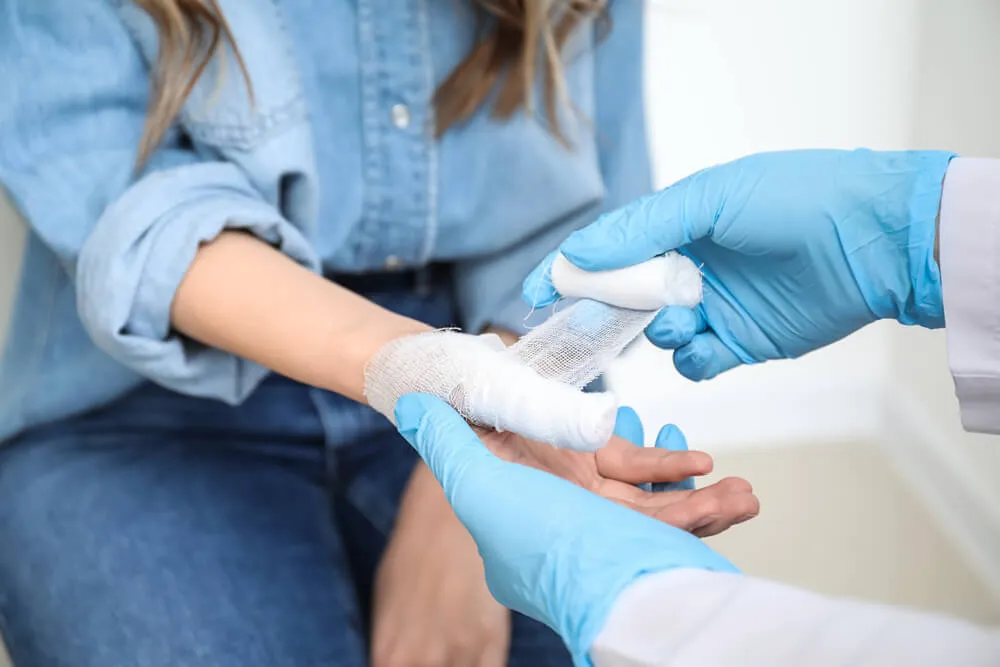
Wound healing can become complicated when an injury, surgical site, diabetic ulcer, pressure injury, or chronic wound does not improve as expected. Troy-area providers describe home-based services that can include wound assessment, advanced dressings, debridement when appropriate, negative pressure therapy, and ongoing monitoring. The exact treatment depends on the wound, the patient's overall health, and the clinical judgment of the treating professional. Advanced home wound treatment Troy Michigan gives eligible patients an option to receive specialized wound management without making repeated trips to a clinic. What Makes Home Wound Treatment Advanced?Advanced wound treatment is generally more comprehensive than routine dressing changes because it considers the underlying factors affecting tissue repair. A qualified wound-care professional may evaluate circulation, diabetes, nutrition, pressure, infection risks, and other health concerns that can influence healing. Troy-based wound-care providers describe an integrated approach that considers these contributing factors while coordinating with a patient's broader healthcare team. This broader assessment can help ensure that treatment addresses the wound as well as circumstances that may be slowing recovery.Treatment options vary according to the patient's specific condition. Depending on clinical needs, specialized care may include advanced wound dressings, topical therapies, compression therapy, debridement, negative pressure wound therapy, or other treatments. Some Troy providers also describe specialized therapies such as skin substitutes or biologic products for appropriate patients. Not every wound requires advanced technology or procedures, so a professional assessment should determine which approach is medically suitable.How Home Wound Treatment WorksHome wound treatment generally begins with an evaluation of the patient's wound and medical history. The clinician may examine the wound and surrounding tissue, review existing treatments, discuss symptoms, and identify conditions that could interfere with healing. A Troy-based provider describes a process involving an initial consultation followed by individualized treatment planning, care delivery, and ongoing monitoring. This structured process allows treatment to be adjusted as the wound changes rather than relying on a fixed approach throughout recovery.During subsequent visits, the healthcare professional can monitor progress and determine whether the current treatment remains appropriate. Dressing changes may be performed according to the established care plan, while the wound can be reassessed for changes that require additional attention. Local home health services in Troy also describe assessing, treating, and supervising healing for diabetic ulcers, pressure ulcers, surgical wounds, burns, traumatic injuries, and chronic wounds. Patients should follow their clinician's instructions between visits and report unexpected changes promptly.Comfortable Wound Healing in Your Home MichiganReceiving appropriate professional care at home eliminates some of the physical and logistical challenges associated with repeated clinic appointments. Comfortable wound healing in your home Michigan can be particularly relevant for people who have difficulty traveling because of limited mobility, age, recovery from surgery, chronic illness, or other circumstances. Local Troy organizations advertise wound management delivered in patients' homes as well as other residential settings. The convenience of home care can be valuable, but clinical suitability should remain the primary consideration.A home visit can also allow caregivers to participate directly in the treatment process. They may learn how to support prescribed dressing routines, recognize changes that should be reported, and understand recommendations related to pressure relief or other aspects of wound management. Home-based care providers describe personalized medical support and ongoing communication with patients and families. This can help create a more consistent care routine between professional visits while keeping the patient's healthcare team informed.Conditions That May Require Specialized CareCertain wounds are more likely to require professional monitoring because they can be affected by underlying medical conditions or complications. These include diabetic ulcers, pressure injuries, venous or arterial ulcers, postoperative wounds, burns, traumatic injuries, and wounds that remain open for an extended period. Troy wound-care providers specifically list several of these conditions among the wounds they assess and treat. The appropriate level of treatment depends on the wound's characteristics and the patient's broader health circumstances.Diabetes and circulation problems can make wound management particularly important because they may interfere with normal tissue repair. Pressure and limited mobility can also contribute to wound development or delay healing. For this reason, professional wound care may involve addressing the cause of the wound rather than focusing solely on its surface appearance. A coordinated care plan can include communication with primary-care physicians, specialists, nurses, caregivers, or other professionals when necessary. Patients should provide complete medical information so the wound-care team can make informed clinical decisions.Monitoring Progress and Recognizing ProblemsRegular monitoring is an important component of advanced wound treatment because wounds can change significantly during the healing process. A clinician may compare the wound's appearance over time, assess surrounding tissue, review symptoms, and determine whether treatment should continue or be modified. Some Troy providers describe ongoing monitoring and treatment adjustments as part of their home-based wound-care approach. Keeping scheduled appointments can therefore help the healthcare team track progress and respond to changes appropriately.Patients and caregivers should also know which changes deserve prompt medical attention. Increasing redness, swelling, warmth, worsening pain, unusual drainage, unpleasant odor, fever, or rapidly changing skin around a wound should be communicated to a healthcare professional. Severe bleeding, major injury, loss of consciousness, difficulty breathing, chest pain, or other potentially life-threatening symptoms require emergency medical attention rather than waiting for a routine home wound-care visit. Home treatment should complement appropriate medical oversight, not delay urgent or emergency care.Choosing Advanced Home Wound Care in TroyWhen evaluating advanced home wound treatment Troy Michigan, patients should ask about the qualifications and experience of the professionals providing care. It is also useful to understand which wound types they treat, what advanced therapies are available, how often visits occur, and how progress is documented. Troy has organizations offering home-based wound management through teams that may include nurses, nurse practitioners, physicians, and wound-care specialists. Patients should also ask how the service communicates with their existing physicians and what happens if the wound requires treatment beyond what can safely be provided at home.Insurance coverage, scheduling, treatment costs, and the availability of home visits should be clarified before beginning a care program. Patients should not assume that every provider offers the same therapies or that an advanced treatment is appropriate for every wound. A qualified clinician should explain the recommended approach and its purpose in language the patient and caregiver can understand. When care is coordinated properly, home-based wound management can provide professional monitoring while allowing appropriate patients to remain in a familiar environment throughout recovery.Advanced home wound treatment can provide a structured option for Troy residents who need specialized wound management but face challenges with frequent clinic visits. Professional assessment, individualized treatment planning, appropriate advanced therapies, and ongoing monitoring can all contribute to a comprehensive approach to wound care. Comfortable wound healing in your home Michigan may be possible when home treatment is clinically appropriate and delivered by qualified healthcare professionals. The right treatment depends on the patient's wound and overall health rather than a one-size-fits-all approach. With consistent professional oversight and clear communication, patients and caregivers can better manage the healing process while knowing when additional medical attention is necessary.

W
Watson Walker
Sep 18, 2026 • 48 Reads

What to Expect From a Family Doctor in Toronto

Choosing a family doctor is an important step toward establishing consistent, ongoing primary care. The exact services and appointment procedures can vary between physicians and practices. When visiting a family doctor in Toronto patients can generally expect support with preventive care, common health concerns, ongoing conditions, referrals, and other primary-care needs. Understanding what typically happens can make your first appointment feel more organized and less stressful. It can also help you prepare questions and information that may be useful during your consultation.Understanding the Role of a Family DoctorA family doctor provides primary care that can cover a wide range of health needs throughout different stages of life. Depending on the practice, appointments may involve routine assessments, preventive health discussions, treatment of common illnesses, medication reviews, and follow-up for ongoing concerns. Family physicians can also help determine whether additional testing, specialist assessment, or another healthcare service is appropriate. Ontario describes primary care as first-contact, comprehensive, coordinated, convenient, and person-focused care. This makes a regular family physician an important starting point for many non-emergency healthcare needs.A family physician may also become familiar with your medical history and changing healthcare needs over time. This continuity can make appointments more productive because relevant background information is available when new concerns arise. Your doctor may ask about previous conditions, medications, allergies, lifestyle factors, and family medical history when these details are relevant to your care. Keeping this information accurate can help support better communication. Patients should also feel comfortable asking questions when they do not understand a recommendation or next step.What Happens During a First AppointmentYour first appointment with a family doctor may be different from a routine follow-up visit. An initial consultation can involve collecting personal health information, discussing your medical history, reviewing the practice's scope of care, and establishing expectations for future appointments. The College of Physicians and Surgeons of Ontario notes that physicians may use intake appointments to gather health information and determine whether there is a suitable foundation for an effective therapeutic relationship.You can prepare for an initial visit by making a list of current medications, relevant medical conditions, allergies, previous procedures, and questions you want to discuss. If you are transferring from another physician, ask the new clinic how your medical records should be provided. It can also help to explain your primary healthcare priorities clearly instead of waiting until the end of the appointment. Good preparation gives both the patient and physician a clearer starting point. However, only information relevant to your healthcare needs needs to be discussed.Routine Preventive and Ongoing CareOne of the major benefits of having a regular family physician is access to ongoing primary care rather than relying only on occasional visits. Depending on your age, health history, and circumstances, your doctor may discuss preventive measures, recommended screening, vaccinations, lifestyle factors, and other aspects of maintaining good health. Your physician may also monitor established health concerns through regular follow-up appointments. The specific services offered can differ between practices, so it is sensible to ask about the clinic's scope of care. Preventive care is often most useful when it becomes part of an ongoing healthcare relationship.Patients should also understand that family medicine is not limited to treating symptoms during a single appointment. A physician may review previous test results, assess changes over time, adjust a care plan when appropriate, or coordinate additional services. This ongoing approach can be particularly relevant for people who require regular monitoring. If you have several healthcare concerns, discuss them with the clinic so appointment time can be planned appropriately. Clear communication helps the physician understand which issues require attention and follow-up.Referrals, Testing, and Coordinated CareA family doctor can serve as an important point of coordination when you need healthcare beyond the services provided in the primary-care office. Depending on your circumstances, your physician may recommend diagnostic testing or refer you to another healthcare professional or specialist. The appropriate pathway depends on your symptoms, medical history, examination findings, and healthcare needs. Patients should ask what the next step involves and whether follow-up is required. Keeping track of referrals, appointments, and test instructions can help prevent delays or confusion.Family Health Teams provide another example of coordinated primary care in Ontario. These teams bring together different healthcare professionals, including family physicians, nurse practitioners, and nurses, with the goal of providing comprehensive care through a coordinated approach. The composition and services of individual teams can vary. If your family doctor works within a team-based practice, ask how other professionals can support your care and how appointments with them are arranged.Finding a Family Doctor in TorontoFor people who do not yet have a regular physician, finding a family doctor in Toronto may require contacting several practices and checking established healthcare resources. The CPSO Physician Register can help patients identify physicians by location and other search criteria, but it does not indicate whether individual doctors are currently accepting new patients. The College recommends contacting physicians or their offices directly to confirm availability. This distinction is important because patient capacity can change independently of a physician's professional registration.Ontario's Health Care Connect program is another option for eligible residents who are looking for a family doctor, nurse practitioner, or primary-care team accepting new patients. A Care Connector searches for an appropriate primary-care clinician based on the information provided during registration. Ontario notes that preferences can affect the time required to make a connection and that registration does not guarantee an immediate match. Keeping contact details and other registration information updated can help maintain an accurate application.What to Expect From Your Ongoing RelationshipOnce you become a patient, your relationship with your family physician can involve regular appointments, preventive care, follow-up discussions, and communication about changing health concerns. You should expect professional and respectful communication and should feel able to ask reasonable questions about your care. The CPSO provides professional expectations for physicians and has specific guidance concerning the acceptance of new patients, communication, and equitable access.Patients also have responsibilities within the healthcare relationship. Arriving prepared, providing accurate information, following agreed care instructions, and communicating changes in your health can make appointments more productive. If you cannot attend an appointment, follow the clinic's cancellation procedure whenever possible. It is also useful to understand how the practice handles prescription renewals, referrals, test results, and urgent but non-emergency concerns. Learning these procedures early can make future visits easier.Finding a Convenient Toronto Family PracticeFor people specifically searching for a family doctor near downtown Toronto accepting new patients, convenience can be an important part of the decision. Consider the clinic's distance from your home or workplace, public transportation options, parking, accessibility, and office hours. However, location should be considered alongside professional information and the clinic's ability to meet your healthcare needs. A nearby practice may be convenient, but patients should still confirm that the physician is currently accepting new registrations. Direct communication with the clinic remains important because availability can change.If you are unable to find a suitable downtown physician immediately, expanding your search to nearby neighbourhoods may provide additional options. You can also explore Family Health Teams, community health centres, Health Care Connect, and other established primary-care resources. The CPSO explains that community health centres may provide primary healthcare and prevention programs, although many have community-based eligibility requirements. Taking a broader approach can make the search more manageable while allowing you to compare practices based on several practical factors.Preparing for Better Family Doctor VisitsA productive appointment begins before you enter the examination room. Write down important symptoms, when they began, questions you want answered, and any changes in medications or health circumstances. Bring relevant health information and be prepared to explain your concerns clearly. If your doctor recommends testing, treatment, or follow-up, make sure you understand what you need to do next. Asking for clarification is appropriate when instructions are unclear.Ultimately, knowing what to expect from a family doctor can make it easier to participate actively in your healthcare. Whether you already have a physician or are searching for a family doctor near downtown Toronto accepting new patients, consider professional qualifications, clinic services, accessibility, communication, and availability. A long-term primary-care relationship develops through ongoing communication between the patient and healthcare team. With realistic expectations and good preparation, regular family medicine appointments can provide a consistent foundation for managing everyday and ongoing healthcare needs.

T
Tomejohn
Sep 17, 2026 • 32 Reads

How Virtual Medical Scribes Help Pulmonology Practices Document Complex Respiratory Care

Pulmonology visits rarely follow a simple template. A single appointment might cover pulmonary function test results, oxygen saturation trends, medication adjustments across multiple inhaler classes, and a conversation about whether a patient's COPD or interstitial lung disease has progressed since the last visit. Add in sleep study referrals, smoking cessation counseling, and coordination with oncology for a suspicious nodule, and the documentation load for a single encounter can rival what other specialties handle across two or three visits.Why Pulmonology Documentation Runs So DenseRespiratory disease is rarely static. Asthma control changes with the seasons. COPD staging shifts as lung function declines. A patient on home oxygen may need their liter flow adjusted based on recent testing, and that adjustment has to be documented precisely enough to justify insurance coverage for the equipment. Every one of these details needs to be captured accurately, not just because the record matters clinically, but because pulmonary care sits at an intersection of complex coding, durable medical equipment justification, and prior authorization requirements that punish vague documentation.Pulmonologists also spend a meaningful share of each visit interpreting test data in real time with the patient. Walking someone through their spirometry results, explaining what a declining FEV1 means for their long-term outlook, or reviewing a CT finding takes time and attention that is hard to split with simultaneous note-taking. Providers end up choosing between being fully present for that conversation or keeping pace with the chart, and too often the chart loses.Where Scribe Support Fits Into a Pulmonology VisitA virtual medical scribe trained on respiratory medicine can follow a pulmonology visit in a way that generic documentation support cannot. That means recognizing when a discussion of dyspnea on exertion needs to be captured with enough specificity to support a staging change, or when a medication adjustment to a biologic for severe asthma needs prior authorization language built into the note from the start rather than added later during a denial appeal.This kind of specialty fluency matters more in pulmonology than in visit types built around a shorter, more repetitive structure. A scribe who understands the difference between restrictive and obstructive patterns, who knows what details support a home oxygen prescription, and who can accurately capture auscultation findings in the provider's own clinical language produces notes that hold up under both clinical and payer scrutiny.Supporting Chronic Disease Management Across VisitsMuch of pulmonology is longitudinal. A COPD patient might be seen quarterly for years, with each visit building on the documentation trail from the one before. Consistency across that trail matters, both for tracking disease progression accurately and for supporting continued coverage of maintenance therapies that insurers periodically re-review. Gaps or inconsistencies in the chart can trigger exactly the kind of prior authorization delays that leave a patient without their inhaler or oxygen concentrator while paperwork gets sorted out.Scribe support helps keep that longitudinal record tight. When documentation happens in real time during each visit rather than being reconstructed afterward from memory, the chart reflects what the provider actually observed and discussed, visit after visit, without the small inconsistencies that creep in when notes get rushed or written well after the encounter ended.Freeing Providers to Focus on Patient EducationPulmonology visits often double as education sessions. Teaching a newly diagnosed COPD patient how to use their inhaler correctly, walking a family through what a home oxygen setup will look like, or explaining the long-term trajectory of a fibrotic lung disease all take real conversational time. These are not moments a provider wants to rush through while also trying to type.With documentation handled in the background, providers can give that education the time it needs without falling behind on the chart. For many pulmonologists, this ends up being the most noticeable benefit day to day. Patients get fuller explanations, and providers do not pay for that extra time with a longer backlog of notes waiting at the end of clinic.What to Look for in Scribe Support for a Pulmonology PracticeNot every documentation support option is built for a specialty this dense. Practices evaluating virtual medical scribe services for pulmonology should look specifically for experience with respiratory terminology, familiarity with pulmonary function test reporting, and an understanding of the prior authorization language that durable medical equipment and biologic therapies typically require. A scribe without that background will need a longer ramp-up period and is more likely to miss details that matter for coding and coverage.The right fit shows up quickly in how little correction a provider has to make to a drafted note. When a scribe already understands the shape of a pulmonology visit, the review process becomes fast, and the practice sees the time savings it was looking for from day one rather than months into the relationship.Frequently Asked QuestionsCan a virtual scribe accurately document pulmonary function test interpretations? Yes, when trained on respiratory terminology and the practice's reporting conventions, scribes can capture PFT interpretations and their clinical significance accurately within the visit note.Does scribe support help with prior authorization documentation for inhalers or oxygen equipment? It can. A scribe familiar with payer documentation requirements will capture the clinical details that support these authorizations as part of the standard visit note, rather than requiring a separate follow-up effort.How does this work for tele-pulmonology visits? The same real-time documentation support applies to virtual visits, with the scribe following the encounter remotely and drafting the note as the conversation happens.Is specialty-specific training required before a scribe can support a pulmonology practice? Yes, and reputable scribe services provide this training before the scribe joins live patient encounters, ensuring familiarity with respiratory terminology and common documentation patterns in the specialty.

M
Mark S Kelly
Sep 15, 2026 • 48 Reads

A Gentle Path to Spine Health

Scoliosis affects more than the spine—it influences how people move, breathe, and feel. At OCHK, care is designed to restore balance and confidence through a thoughtful, holistic programme.Who We AreOCHK is an osteopathic clinic in Hong Kong, known for its patient-first philosophy. Their practitioners combine clinical expertise with warmth, ensuring every patient feels supported on their journey.What We OfferThe scoliosis programme includes:Detailed osteopathic assessmentHands-on treatment to ease strainScoliosis-specific exercise for strength and stabilityWhen It’s UsefulFor adolescents during growth spurtsFor adults managing chronic scoliosis symptomsFor those seeking alternatives to surgeryFor individuals wishing to improve posture and daily comfortWhy Choose UsOCHK stands out for its integrated approach. By combining treatment with education, they empower patients to take control of their spine health, making progress that lasts.Call to ActionFind out how OCHK can help you manage scoliosis with confidence: https://ochk.hk/scoliosis/

g
goxex