How to Identify and Safely Remove Asbestos Building Materials
By glove1
160 Views
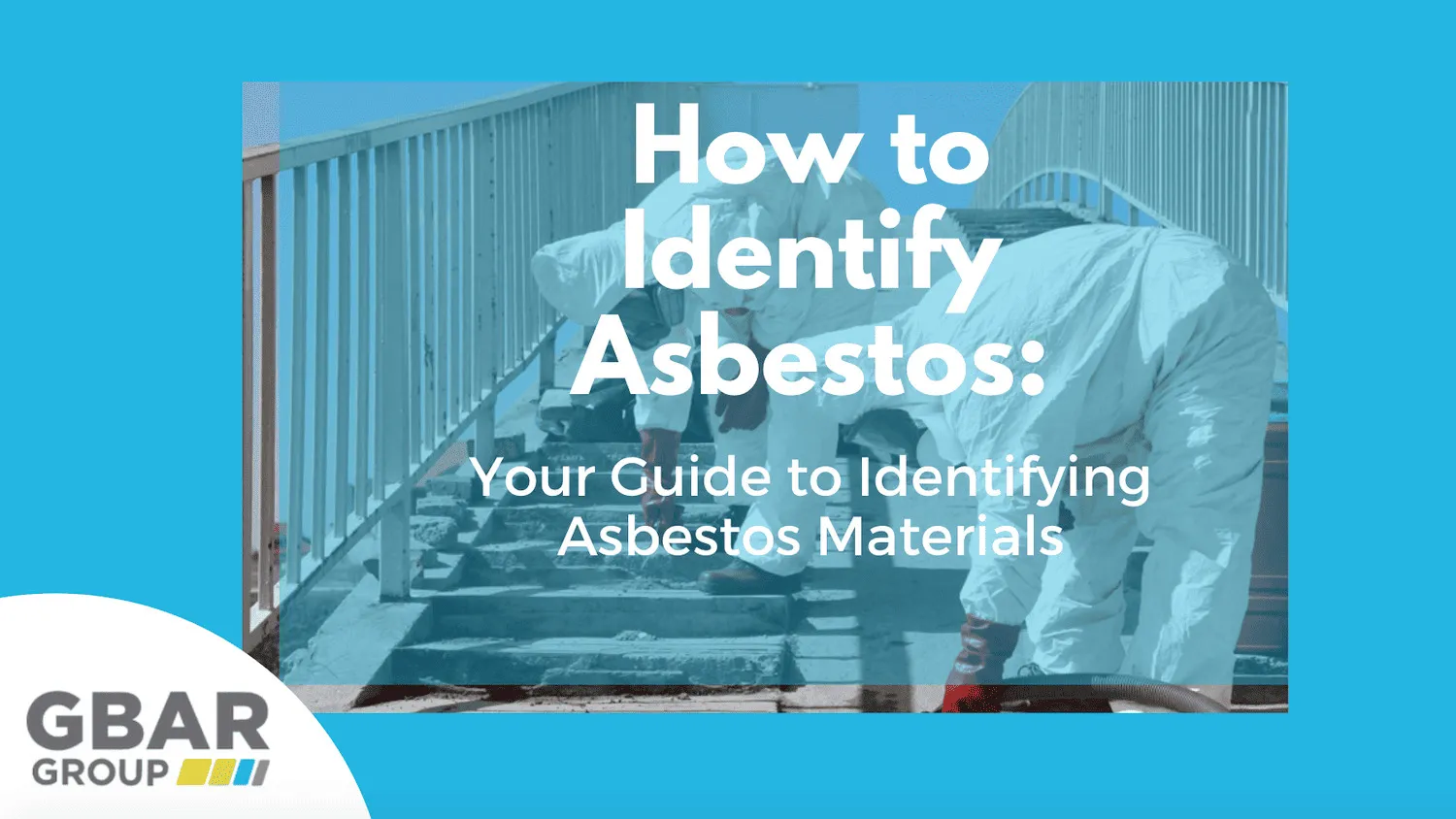
Asbestos was once a go-to material in residential, commercial, and industrial construction because of its strength, heat resistance, and insulating properties. For decades, it was widely used in roofing, insulation, cement sheets, floor tiles, pipe lagging, textured coatings, and fireproof materials.
The problem is that when asbestos-containing materials are disturbed, they release microscopic fibers into the air. Once inhaled, these fibers can lodge in the lungs and lead to serious diseases, including asbestosis, lung cancer, and mesothelioma. This is why identifying asbestos correctly and knowing when to remove asbestos materials is critical for property owners, contractors, and facility managers.
Whether you're renovating an older home, managing a commercial property, or planning demolition work, understanding how to identify and safely handle asbestos is essential.
Where Asbestos Is Commonly Found
Buildings constructed or renovated before the late 1990s are the most likely to contain asbestos materials. Common locations include:
Roofing and Exterior Products
Asbestos cement was widely used in roof sheets, shingles, gutters, downpipes, and siding panels. These materials are often durable and weather-resistant, which means they may still be present in older structures.
Insulation Systems
Thermal insulation around pipes, boilers, ducts, and hot water systems frequently contained asbestos. Loose-fill insulation is especially hazardous because fibers are easily released when disturbed.
Flooring Materials
Vinyl floor tiles, backing adhesives, and linoleum products may contain asbestos, particularly in older residential and commercial buildings.
Wall and Ceiling Finishes
Textured ceiling coatings, sprayed insulation, partition walls, and decorative plasters sometimes included asbestos for fire resistance and durability.
Industrial Components
Plant rooms, warehouses, and manufacturing facilities often contain asbestos gaskets, seals, brake linings, and fireproof boards.
The challenge is that asbestos is not always visible to the naked eye. Materials can appear harmless while still containing hazardous fibers.
How to Identify Asbestos Building Materials
1. Consider the Building Age
The first clue is the construction date. If a property was built or renovated during the decades when asbestos was heavily used, there is a higher risk of asbestos-containing materials being present.
Older homes, schools, factories, hospitals, and office buildings should all be treated with caution during refurbishment.
2. Review Building Records
Construction drawings, maintenance records, renovation logs, and material specifications can help determine whether asbestos products were installed.
Property managers and building owners should maintain updated asbestos registers where required by local regulations.
3. Conduct a Professional Inspection
Visual identification alone is unreliable. Many non-asbestos products look nearly identical to asbestos materials.
A licensed asbestos inspector can assess suspect materials, collect samples safely, and send them for laboratory testing. This is the most accurate way to confirm asbestos presence.
Professional inspections are especially important before demolition, remodeling, or maintenance activities that could disturb materials.
4. Laboratory Testing
Bulk material testing involves taking small samples and analyzing them under polarized light microscopy or other approved methods.
Never attempt to break, sand, drill, or cut materials to test them yourself. Improper sampling can release dangerous fibers.
When Asbestos Needs Removal
Not all asbestos materials need immediate removal. In some cases, asbestos that is sealed, undamaged, and in good condition can be managed safely through regular monitoring.
However, you should remove asbestos materials when:
- Materials are cracked, broken, or deteriorating
- Renovation or demolition will disturb them
- Fibers are visibly being released
- Regulatory compliance requires removal
- Occupant safety is at risk
Damaged friable asbestos is especially dangerous because it crumbles easily and releases airborne particles.
How to Safely Remove Asbestos
Never Treat Asbestos as a DIY Project
One of the biggest mistakes property owners make is attempting asbestos removal without proper training.
Safe asbestos removal requires specialized procedures, personal protective equipment, containment systems, and disposal protocols. In many jurisdictions, removing certain asbestos materials without licensing is illegal.
Site Preparation and Containment
Before removal begins, professionals isolate the work area using containment barriers, warning signage, and negative air pressure systems where required.
HVAC systems are often shut down to prevent fiber spread.
Personal Protective Equipment
Licensed contractors wear appropriate PPE, including:
- Respirators with approved filters
- Disposable coveralls
- Gloves
- Protective footwear
- Eye protection
These controls reduce worker exposure and prevent contamination outside the work zone.
Controlled Removal Methods
To safely remove asbestos, contractors use techniques that minimize dust and fiber release, such as:
- Wet removal methods to suppress airborne particles
- Non-powered hand tools where possible
- Careful dismantling instead of breaking materials
Materials are typically sealed in approved hazardous waste bags or wrapped in labeled plastic sheeting.
Decontamination and Clearance
After removal, the work area is cleaned using HEPA-filter vacuums and wet wiping methods.
Air monitoring and clearance inspections may be required before the area is reoccupied.
This verification process ensures the site is safe for occupants and workers.
Proper Disposal of Asbestos Waste
Asbestos waste cannot be discarded with general construction debris.
It must be transported by authorized waste carriers and disposed of at approved hazardous waste facilities. Disposal regulations vary by region, but documentation is typically required to track waste from removal to disposal.
Improper disposal creates environmental hazards and can result in legal penalties.
Choosing the Right Asbestos Removal Partner
When selecting a contractor to remove asbestos, look for:
- Licensing and certifications
- Proven industry experience
- Compliance with local regulations
- Insurance coverage
- Clear project documentation
- Safe disposal practices
Reputable providers also offer asbestos surveys, risk assessments, laboratory coordination, and post-removal clearance services.
Working with experienced professionals reduces project delays, compliance risks, and exposure hazards.
Final Thoughts
Asbestos remains a serious issue in older buildings, but the risks can be managed with the right knowledge and professional support.
The key is early identification, proper testing, and informed decision-making. If asbestos is confirmed, do not disturb it unnecessarily or attempt removal without expertise.
Instead, work with qualified specialists who understand how to inspect, contain, and remove asbestos safely.
For building owners, contractors, and homeowners alike, responsible asbestos management protects both human health and long-term property value. When safety is the priority, professional asbestos solutions are always the smarter investment.
Article about " How to Identify and Safely Remove Asbestos Building Materials " publish by: gstarboard.com