Why Supplier and Production Quality Control Are Critical for Manufacturing Success
By Harley Quin
164 Views
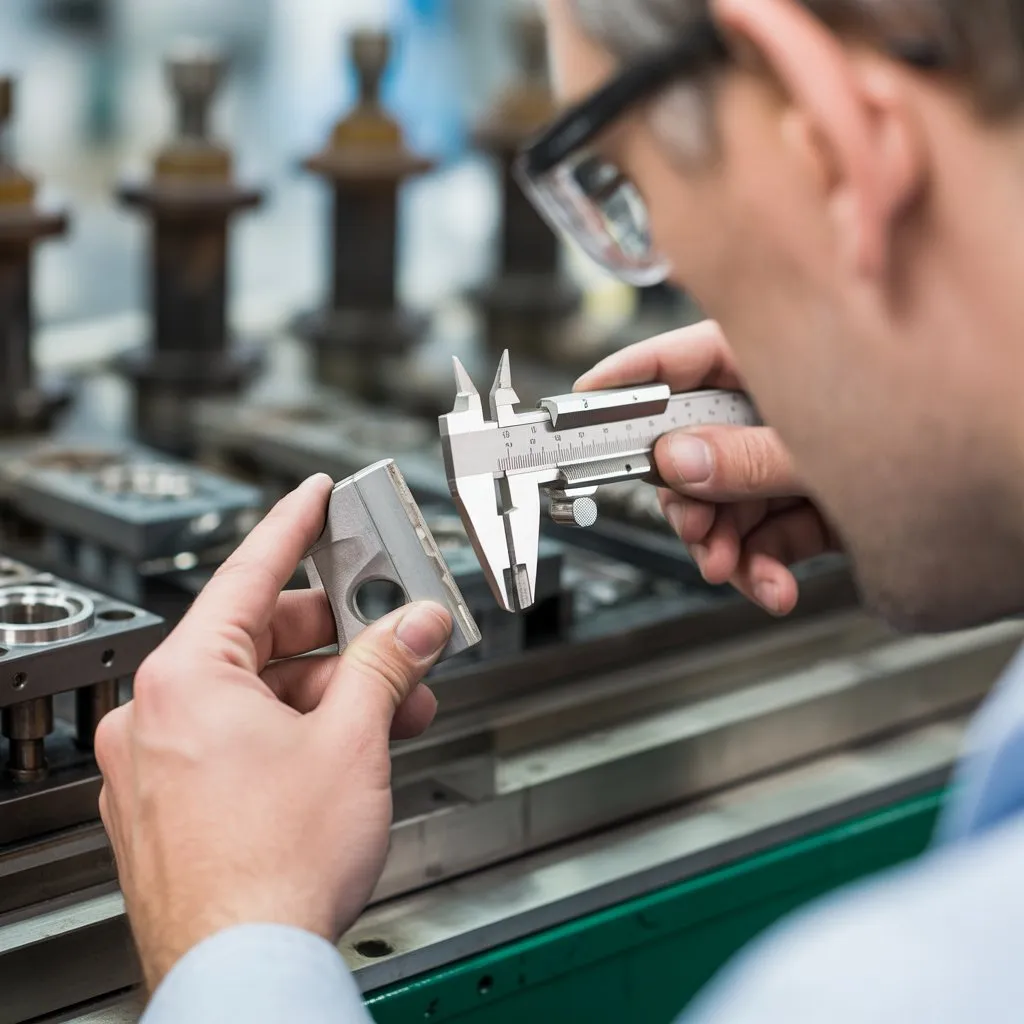
Manufacturing success depends on more than fast production and competitive pricing. Companies must consistently deliver reliable products that meet customer expectations, industry standards, and regulatory requirements. Even a small quality issue can lead to costly recalls, production delays, warranty claims, and damaged customer trust.
That is why Supplier and Production Quality Control plays such an important role in modern manufacturing operations.
Strong quality control systems help manufacturers identify problems early, reduce defects, improve process consistency, and maintain high production standards across the entire supply chain. From raw material inspections to final product verification, quality control supports every stage of manufacturing.
Companies that invest in effective supplier quality management and production quality systems position themselves for long-term operational stability and customer satisfaction.
This article explains why supplier and production quality control are essential for manufacturing success, how these systems work, and what businesses can do to strengthen quality performance across their operations.
What Is Supplier and Production Quality Control?
Supplier and Production Quality Control refers to the processes, inspections, standards, and monitoring systems manufacturers use to ensure products meet defined quality requirements throughout the supply chain and production cycle.
This includes two major areas:
Supplier Quality Control
Supplier quality control focuses on evaluating and monitoring suppliers to ensure raw materials, components, and outsourced processes meet required standards.
Activities often include:
- Supplier audits
- Incoming material inspections
- Supplier performance monitoring
- Compliance verification
- Corrective action management
- Supplier development initiatives
Production Quality Control
Production quality control focuses on monitoring manufacturing processes and finished products during production.
This may involve:
- In-process inspections
- Process monitoring
- Equipment calibration
- Statistical quality control
- Product testing
- Final inspections
Together, these systems help manufacturers maintain consistency, reduce waste, and improve operational performance.
Why Quality Control Matters in Manufacturing
Manufacturing environments are complex. Products often involve multiple suppliers, production stages, machines, operators, and technical specifications.
Without strong manufacturing quality assurance systems, even minor problems can create significant operational risks.
Poor quality control may lead to:
- Defective products
- Production interruptions
- Increased scrap and rework
- Customer complaints
- Regulatory penalties
- Lost business opportunities
Effective quality control systems help prevent these problems before they affect customers or production schedules.
More importantly, they support long-term operational excellence and business growth.
How Supplier and Production Quality Control Improve Manufacturing Performance
Reducing Defects Across the Supply Chain
Defect reduction is one of the primary goals of quality control.
Manufacturers cannot produce high-quality products if incoming materials or components fail to meet specifications. Similarly, production processes must remain stable and controlled to prevent variation.
Strong supplier quality management helps identify issues such as:
- Material inconsistencies
- Poor workmanship
- Process variation
- Incomplete documentation
- Non-compliant components
Meanwhile, production quality control detects problems during manufacturing before products move to the next stage or reach customers.
This layered approach significantly reduces defects and improves product reliability.
Improving Process Consistency
Consistent manufacturing processes are essential for maintaining quality standards.
Production quality control systems help manufacturers monitor:
- Process parameters
- Equipment performance
- Production tolerances
- Operator procedures
- Inspection results
By tracking these variables, manufacturers can quickly detect abnormalities and take corrective action.
Process consistency leads to:
- Better product uniformity
- Fewer production errors
- Reduced downtime
- Higher operational efficiency
This level of control is especially important in industries such as automotive, aerospace, medical devices, and electronics manufacturing.
Strengthening Supplier Accountability
Supplier performance directly affects manufacturing outcomes.
If suppliers fail to maintain quality standards, manufacturers often experience delays, increased costs, and production disruptions.
Supplier quality management systems establish clear expectations for suppliers regarding:
- Quality requirements
- Documentation standards
- Delivery performance
- Corrective actions
- Regulatory compliance
Regular supplier evaluations and audits create accountability while encouraging continuous improvement.
Over time, manufacturers build stronger relationships with suppliers that consistently meet performance expectations.
Supporting Manufacturing Quality Assurance
Quality assurance focuses on preventing problems rather than simply detecting them.
Supplier and production quality control support manufacturing quality assurance by creating structured systems for:
- Risk management
- Process control
- Standardization
- Inspection procedures
- Corrective actions
- Continuous improvement
These systems help manufacturers maintain compliance with industry standards such as:
- ISO 9001
- IATF 16949
- AS9100
- ISO 13485
Strong quality assurance programs improve operational reliability and customer confidence.
Key Components of Effective Supplier Quality Management
Supplier Qualification
Before working with a supplier, manufacturers should evaluate their capabilities carefully.
Supplier qualification may include:
- Facility audits
- Process capability assessments
- Financial reviews
- Compliance verification
- Production capacity analysis
- Quality system evaluations
This process helps reduce supplier-related risks early.
Supplier Audits
Supplier audits provide direct visibility into supplier operations and quality systems.
Auditors may evaluate:
- Manufacturing processes
- Inspection procedures
- Employee training
- Process controls
- Equipment maintenance
- Corrective action systems
Regular audits help maintain accountability and identify opportunities for improvement.
Incoming Material Inspections
Incoming inspections verify that materials and components meet required specifications before entering production.
This step helps manufacturers:
- Prevent defective materials from affecting production
- Reduce rework and scrap
- Improve production efficiency
- Protect product quality
Incoming inspections serve as an important quality checkpoint within manufacturing operations.
Supplier Performance Monitoring
Manufacturers should continuously track supplier performance using measurable data.
Common supplier metrics include:
- Defect rates
- Delivery performance
- Audit scores
- Corrective action response times
- Customer complaints
Performance monitoring supports better sourcing decisions and supplier development efforts.
Production Quality Control Best Practices
Standardized Work Procedures
Clear work instructions improve consistency across production lines.
Standardized procedures help ensure employees follow the same methods for:
- Assembly operations
- Inspections
- Equipment setup
- Material handling
- Testing processes
Consistency reduces variation and improves product quality.
In-Process Inspections
In-process inspections identify quality issues during production rather than after products are completed.
This allows manufacturers to:
- Detect problems early
- Prevent defective products from advancing
- Reduce waste
- Improve production efficiency
Early intervention significantly lowers production costs associated with defects.
Statistical Process Control (SPC)
Statistical process control uses data to monitor manufacturing performance and identify process variation.
SPC helps manufacturers:
- Track production trends
- Detect abnormal conditions
- Improve process stability
- Reduce variability
- Optimize production efficiency
Data-driven monitoring strengthens operational decision-making.
Equipment Maintenance and Calibration
Poorly maintained equipment often causes production inconsistencies and defects.
Manufacturers should implement preventive maintenance programs to ensure:
- Equipment reliability
- Measurement accuracy
- Stable production performance
- Reduced downtime
Calibration systems also ensure inspection tools remain accurate and compliant.
The Link Between Quality Control and Operational Excellence
Operational excellence means achieving consistent, efficient, and reliable manufacturing performance.
Quality control plays a major role in this process by improving:
- Production efficiency
- Waste reduction
- Process reliability
- Customer satisfaction
- Supply chain stability
Organizations that prioritize quality control often experience stronger operational performance and long-term profitability.
How Quality Control Supports Process Optimization
Identifying Inefficiencies
Quality data helps manufacturers identify process weaknesses that affect production performance.
Examples may include:
- Excessive scrap
- High defect rates
- Equipment downtime
- Bottlenecks
- Repetitive operator errors
Addressing these issues improves both quality and productivity.
Improving Root Cause Analysis
Strong quality systems encourage structured problem-solving methods.
Manufacturers use root cause analysis tools such as:
- 5 Whys
- Fishbone diagrams
- Failure mode and effects analysis (FMEA)
- Corrective action systems
These methods help teams solve problems permanently rather than applying temporary fixes.
Driving Continuous Improvement
Continuous improvement is essential for maintaining competitiveness in manufacturing.
Quality control systems create measurable data that organizations can use to:
- Improve processes
- Reduce waste
- Increase efficiency
- Strengthen supplier performance
- Improve customer satisfaction
Continuous improvement supports long-term manufacturing success.
Common Challenges in Supplier and Production Quality Control
Managing Global Suppliers
Global supply chains create challenges related to:
- Communication
- Compliance oversight
- Process consistency
- Logistics coordination
Manufacturers often use supplier management programs and local quality teams to improve oversight.
Balancing Cost and Quality
Some organizations focus too heavily on reducing supplier costs while overlooking quality risks.
Low-cost sourcing without proper quality controls can lead to:
- Higher defect rates
- Increased recalls
- Production disruptions
- Customer dissatisfaction
Effective quality management balances cost efficiency with operational reliability.
Rapid Production Scaling
As production volumes increase, maintaining quality consistency becomes more difficult.
Manufacturers must strengthen:
- Inspection systems
- Process controls
- Workforce training
- Supplier oversight
Scalable quality systems support sustainable growth.
Best Practices for Building Strong Quality Control Systems
Create Clear Quality Standards
Define measurable quality requirements for both suppliers and production teams.
Clear standards reduce confusion and improve accountability.
Invest in Employee Training
Well-trained employees make fewer mistakes and follow procedures more consistently.
Training should cover:
- Inspection methods
- Process controls
- Problem-solving
- Quality standards
- Equipment operation
Skilled teams improve overall manufacturing quality assurance.
Use Data for Decision-Making
Manufacturers should rely on measurable performance data rather than assumptions.
Quality metrics help organizations identify trends and prioritize improvements.
Encourage Cross-Functional Collaboration
Quality should not operate in isolation.
Successful organizations encourage collaboration between:
- Production teams
- Engineering
- Purchasing
- Supply chain management
- Quality departments
Cross-functional teamwork improves operational alignment.
Long-Term Benefits of Strong Quality Control
Companies that prioritize supplier and production quality control gain several long-term advantages.
Higher Customer Satisfaction
Reliable products build customer trust and improve brand reputation.
Reduced Operational Costs
Lower defect rates reduce scrap, rework, and warranty expenses.
Improved Supply Chain Stability
Strong supplier oversight reduces operational disruptions and improves reliability.
Better Regulatory Compliance
Structured quality systems help manufacturers meet industry and regulatory requirements.
Increased Competitive Advantage
Manufacturers with strong quality performance often achieve better customer retention and stronger market positioning.
FAQs About Supplier and Production Quality Control
What is supplier and production quality control?
It refers to the systems and processes manufacturers use to monitor supplier performance and maintain product quality throughout manufacturing operations.
Why is production quality control important?
Production quality control helps manufacturers detect defects early, improve consistency, reduce waste, and maintain customer satisfaction.
How does supplier quality management improve manufacturing?
Supplier quality management ensures incoming materials and components meet specifications, reducing production issues and operational risks.
What are common quality control methods in manufacturing?
Common methods include supplier audits, incoming inspections, in-process inspections, statistical process control, and final product testing.
How does quality control support operational excellence?
Quality control improves efficiency, reduces defects, strengthens process consistency, and supports continuous improvement across manufacturing operations.
Conclusion
Supplier and Production Quality Control is essential for manufacturers seeking long-term operational success, product reliability, and customer satisfaction. Strong quality systems help organizations reduce defects, improve process consistency, strengthen supplier accountability, and support operational excellence across the supply chain.
As manufacturing environments become more complex and competitive, companies cannot afford inconsistent quality performance. Businesses that invest in supplier quality management, manufacturing quality assurance, and process optimization create stronger production systems capable of supporting sustainable growth.
Effective quality control is not simply about inspections. It is about building a manufacturing culture focused on consistency, accountability, continuous improvement, and long-term success.