Agencies Handle High Altitude Risks on Everest Base Camp
By Rahul Sheikh
150 Views
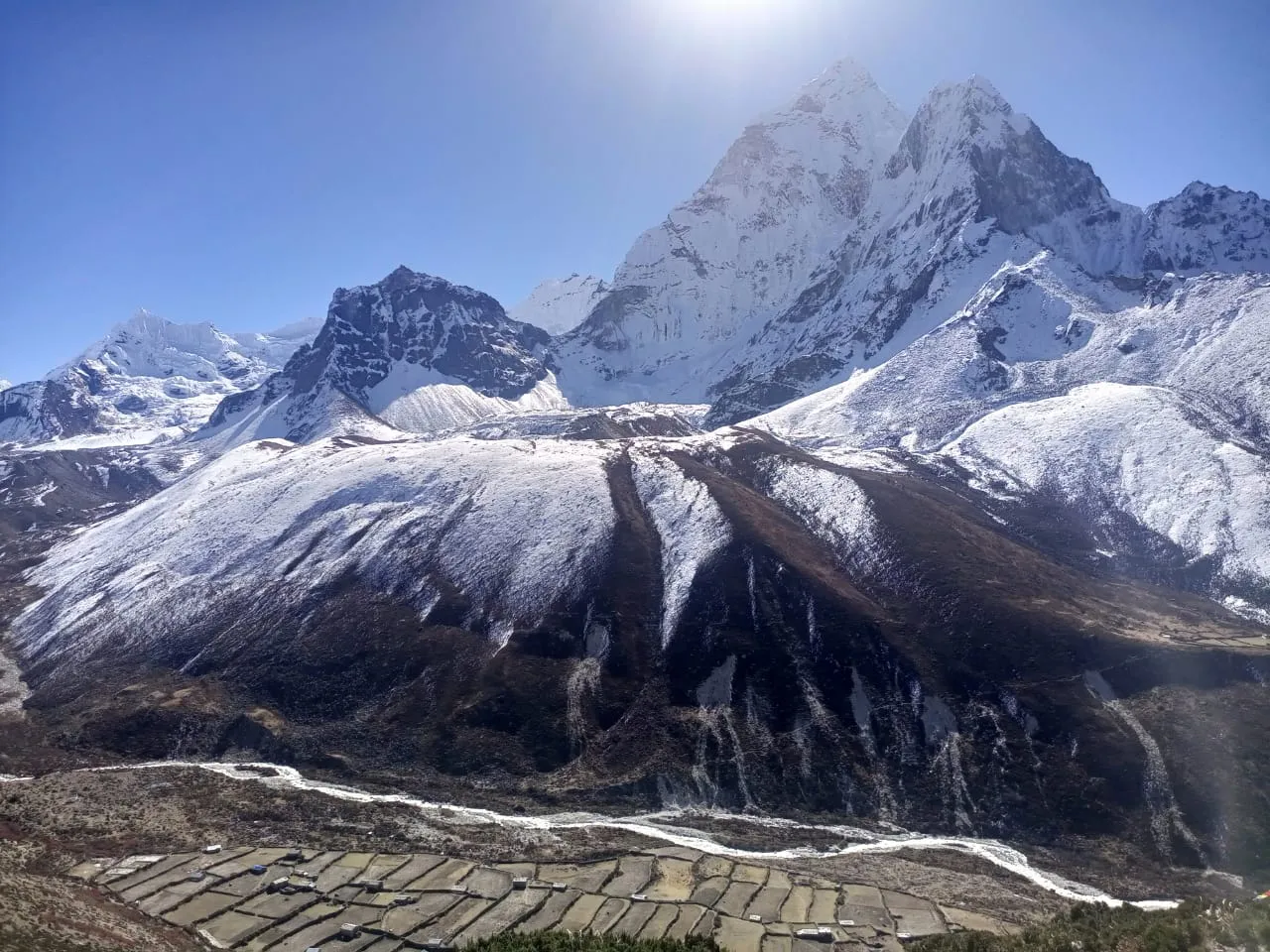
Most groups guiding trips to Everest Base Camp must handle dangers from the thin air at high elevations. Each season brings crowds into the Khumbu area, yet many face health threats due to steep climbs and cold exposure. While some underestimate breathing difficulties, others learn fast - oxygen drops sharply above certain heights. Prepared teams now build slow climb plans so bodies adjust without strain over days. Instead of rushing forward, smart pacing cuts the chances of severe headaches or worse outcomes. Emergencies still happen, though; that is why swift rescue methods matter just as much as planning. Online searches show more interest lately in how to avoid altitude illness during Himalayan hikes.
People look up safe routes through Nepal’s upper zones far more than before. Alongside gear checks and route knowledge, knowing warning signs saves lives when help is hours away. Weather shifts hard here, too - sudden storms test even experienced travelers. Now it is common for agencies to act less like trip organizers, more like careful planners focused on reducing danger using clear strategies and trained knowledge. Travelers pay closer attention these days - especially up high, where having a guide makes a real difference.
High Altitude Dangers Around Everest
Climbers face steep ground past 5,300 meters during Everest Base Camp, so slowing down saves energy and keeps minds clear. Because more people search for how to spot AMS in Nepal, real talk about pacing spreads wider now. Prep that includes rest days beats shortcuts every single time when breathing gets tough. Before setting out, knowing what danger looks like makes a big difference. Guides who know the region well can spot trouble before it grows worse along paths in the Khumbu area.
How Trekking Agencies Help People Adjust
Those pauses give time for breathing, changes deep inside muscles, and blood. Without those stops, going higher becomes dangerous fast.
Most expert-led trips follow this rhythm because skipping steps leads to trouble. People often look up things like how to safely climb to altitude slowly or what a real Nepal trek schedule looks like. Rising too quickly causes problems nearly every time, so smart planning spaces out elevation jumps carefully. Walking slowly lets climbers adapt to thin air without losing ground on their route. Because of this step-by-step adjustment, risks drop sharply even as enjoyment rises across high mountain trails.
Professional Guides and Medical Awareness
Right from day one, those leading treks up to Everest Base Camp keep close watch on how each person feels. Spotting signs like headaches or dizziness comes naturally after years spent above the clouds. When breathing gets tough, they decide fast - slow down, stop, or head back lower. More people now look online for things like safe guiding practices in thin air or which Nepali guides hold official permits. Quiet mornings often start with pulse checks under clear skies near tea houses. They know someone's pushing too hard just by watching their step on rocky paths.
Hydratis doesn’t suggest it’s checked, reminded, or repeated every few hours. Decisions come quietly but firmly, shaped by weather shifts and tired eyes at dawn. Long seasons spent among mountains teach what man can’t explain easily. Most safety on tough Himalayan trails comes from strict guide preparation. Training covers emergency care, handling high-altitude dangers - funded deeply by operating groups. Expert supervision shapes outcomes more than almost any other detail travelers face.
Emergency Response and Helicopter Evacuation
When things go wrong on trails near Everest, help must come fast. If someone gets very sick from the height or is hurt badly, helicopters usually step in. These flights carry people down to safer zones or hospitals in Kathmandu. Moving across rough paths in harsh weather makes walking out nearly impossible at times. That’s why getting air support matters so much on the way to Base Camp.
Search terms like Everest helicopter rescue cost or high altitude rescue services in the Himalayas show how common these worries are. Most companies insist travelers hold insurance that pays for urgent lifts off the mountain. When things go wrong up high, help moves fast because guides talk straight to rescue crews and helicopter units. Put together, these links on the ground and in the air cut danger sharply for those walking mountain trails. Most who join guided trips feel safer knowing backup is wired in before they even start.
Oxygen Support and Health Monitoring Tech
Out here, some trekking companies now hand out portable oxygen tanks more often than not. Pulse checks happen regularly thanks to small devices that read blood oxygen on the spot. Instead of waiting for trouble, team leaders watch numbers closely - especially near Everest Base Camp. A heartbeat spike. That’s a signal. Low O2 readings prompt quick moves downhill. People looking up trips type things like Everest oxygen support trek when they want details.
Others search for a pulse oximeter in Nepal just to be sure. High altitude health monitoring keeps popping up online, too. Awareness spreads - not through slogans, but searches. Emergency oxygen comes along on certain high-end treks, just in case. Right now, teams watch body signals closely - adjusting breaks and speed as things unfold. Stress gets handled before it becomes a problem, thanks to live updates from gear—old ways of hiking mix with smart tools, changing how risks are controlled up there. Safer climbs happen because numbers guide choices, not guesswork alone.
Managing environmental risks through weather monitoring
Mountains decide how safe each step feels on the way to Everest Base Camp, so guides watch sky signals closely instead of trusting luck. When cold snaps arrive without warning, trails hide under fresh snow, making every turn harder than expected. Wind arrives fiercely near higher ground, catching breath before thoughts form clearly.
People searching for clear skies often type phrases about seasonal shifts, trail dangers, and what storms might bring. Fewer clouds appear between March and May, also late September through November, giving steady paths beneath boots. When skies shift fast, trail leaders tweak plans to steer clear of danger spots. Knownature’s re’s mood helps keep climbers safe, especially where storms hit hard and thin air makes escape tough.
Avoiding Accidents in High Altitude Treks Led by Agencies
Getting to Everest Base Camp takes more than strong legs. Trekking companies shape daily climbs so bodies adjust slowly to thin air. Because sudden moves up can harm health, guides pause trips at certain spots - this helps blood adapt. When trouble strikes high up, rescue teams move fast using phones, helicopters, or nearby clinics. These helpers train for snow emergencies and carry oxygen when needed. Most who attempt the path rely on local experts who know weather turns and trail dangers. Lately, people ask more questions online about staying safe there.
Queries l"ke "how to avoid mountain sickness in N"pal" show travelers now plan with caution. Medical prep, slow walking schedules, and exit routes form the quiet backbones of each trip. Safety grows louder not through slogans - but choices made before boots touch ice. High up, knowing the land helps cut danger - tech tools add extra protection alongside smart health choices. With more people chasing mountain trips every year, solid safety plans remain key on Everest; guides bring that stability when climbing Earth’s tallest peaks.