Can Bees Damage Electrical Wiring? Risks and Prevention
By Madeline Wyatt
134 Views
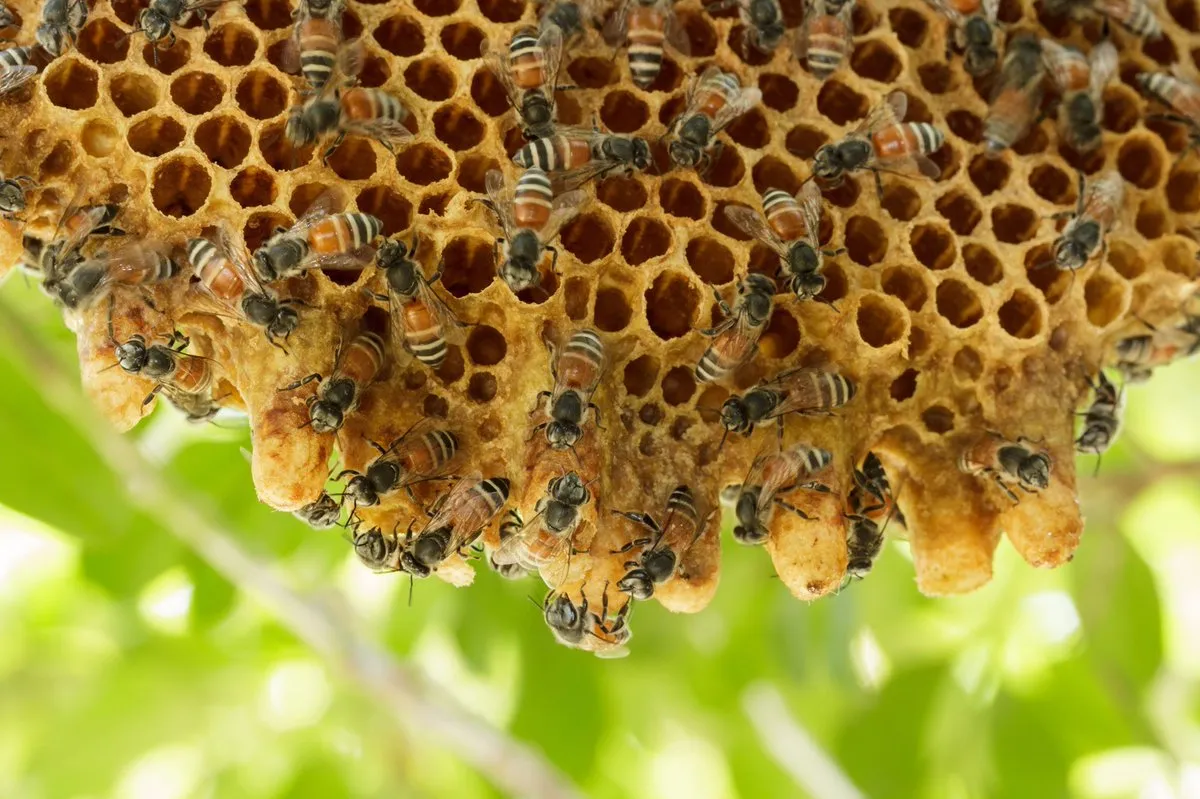
Bees are among the most beneficial pollinators in nature, contributing significantly to agriculture, plant reproduction, and ecological stability. Despite their environmental importance, problems can arise when colonies establish themselves inside residential or commercial structures. Homeowners are often surprised to learn that bee activity may affect areas beyond walls and roofs, sometimes extending into spaces containing electrical wiring and other sensitive systems. Understanding how bees interact with buildings helps property owners recognize potential risks before serious complications develop.
Many bee species search for protected locations that offer warmth, safety, and limited disturbance. Wall cavities, attics, crawl spaces, and utility openings often provide ideal nesting conditions because these areas remain relatively sheltered from weather and predators. Once colonies settle within structural voids, they may continue expanding over time, increasing the likelihood of interaction with internal systems such as insulation, ventilation pathways, and electrical wiring.
Although bees do not intentionally seek out wires or electrical components, their nesting behavior can indirectly create hazardous conditions. Honeycomb expansion, wax accumulation, moisture retention, and structural pressure may interfere with surrounding materials, potentially affecting wiring pathways hidden behind walls or ceilings. Over time, these conditions can contribute to maintenance challenges that homeowners may not immediately notice.
Can Bees Truly Damage Electrical Wiring?
One of the most common questions homeowners ask involves whether bees can directly damage electrical wiring. In most situations, bees do not chew through wires or intentionally destroy electrical systems in the same manner as rodents. However, their nesting activity may still create indirect conditions capable of affecting residential wiring and increasing safety concerns over time. Understanding these indirect risks is important for accurate prevention and maintenance.
As colonies grow inside walls or ceilings, honeycomb structures may expand significantly within confined spaces. Large accumulations of wax and honey create additional weight and moisture around hidden utility pathways. This environment can place stress on surrounding materials, particularly in older buildings where insulation and protective barriers may already be weakened. Moisture exposure near electrical wiring increases the risk of corrosion, deterioration, or compromised insulation.
Another concern involves heat retention. Bee colonies naturally generate warmth to regulate hive temperatures, especially when populations increase substantially. In confined structural spaces, this additional heat may combine with existing warmth produced by electrical wiring, creating uncomfortable or potentially hazardous conditions inside walls and ceilings. Although such situations are relatively uncommon, they become more likely when infestations remain undetected for extended periods.
Honey leakage also presents a potential issue. As honeycomb structures mature or become damaged, honey may seep into surrounding areas, including insulation materials and utility cavities. Sticky residue can attract other pests while creating moisture-related complications near electrical wiring. Over time, these conditions may contribute to maintenance problems requiring professional repair and cleanup.
Warning Signs of Bee Activity Near Electrical Systems
Detecting bee activity early is essential for minimizing risks associated with hidden infestations. Because colonies frequently establish themselves behind walls or inside ceiling cavities, homeowners may overlook the problem until signs become more obvious. Recognizing early indicators helps protect electrical wiring and prevents larger structural complications from developing over time.
One common warning sign involves persistent buzzing sounds near walls, vents, or electrical fixtures. While faint buzzing may initially seem harmless, repeated activity in the same location often indicates the presence of a growing colony. These sounds may become more noticeable during warmer parts of the day when bee activity increases significantly.
Visible bee traffic around exterior openings also deserves attention. Bees entering and exiting through cracks near utility conduits, siding gaps, attic vents, or outdoor electrical boxes may signal nesting activity within structural spaces. Consistent movement concentrated around a single entry point is especially important to monitor because it often suggests an established colony inside the building.
Changes in wall appearance can provide additional clues. Dark stains, moisture spots, or sticky residue appearing near electrical outlets or ceiling corners may indicate leaking honey or hive-related moisture accumulation. Such signs should never be ignored because they could signal conditions affecting nearby electrical wiring and insulation materials.
Homeowners facing persistent bee activity near structural systems often seek assistance from experienced professionals capable of assessing hidden risks safely. Consulting a bee removal service in Hollywood, LA can help identify colony locations, evaluate structural concerns, and implement humane relocation strategies before conditions worsen around sensitive electrical wiring areas. Early intervention supports both property safety and environmental responsibility.
Prevention Strategies for Protecting Homes and Utility Systems
Preventing bee infestations begins with proactive property maintenance and awareness of structural vulnerabilities. Because colonies often enter buildings through small openings, homeowners who address potential access points early significantly reduce the likelihood of nesting activity near electrical wiring and utility systems. Long-term prevention relies on consistency, inspection, and responsible environmental management.
Sealing cracks and gaps around the exterior is one of the most effective preventive measures. Utility conduits, vents, rooflines, and siding joints frequently develop small openings over time, especially in aging structures. Repairing these vulnerabilities limits access to hidden cavities where bees may establish colonies. Durable sealants and proper structural maintenance help create stronger barriers against intrusion.
Regular roof and attic inspections also contribute to prevention efforts. Damaged shingles, deteriorating insulation, or weakened vent coverings may unintentionally provide sheltered spaces attractive to bees. Identifying and repairing these issues promptly helps maintain structural integrity while reducing opportunities for nesting activity near electrical wiring.
Landscape management plays a valuable role as well. Flowering plants positioned directly beside buildings may increase bee activity near entry points and utility areas. While pollinator-friendly gardens remain beneficial, maintaining some distance between dense flowering vegetation and structural openings can reduce the likelihood of colonies settling close to the home.
Moisture control represents another important consideration. Bees often prefer stable environments protected from excessive humidity or water exposure, yet leaks and condensation may weaken structural materials surrounding utility systems. Addressing plumbing issues, improving ventilation, and maintaining proper drainage help preserve building conditions less suitable for infestation.
Safe and Responsible Approaches to Bee Removal
When bee colonies establish themselves near electrical wiring or other sensitive systems, safe removal becomes essential for protecting both residents and pollinators. Attempting to handle infestations without proper training may increase risks significantly, especially when hives occupy concealed spaces inside walls or ceilings. Responsible management focuses on safety, environmental preservation, and long-term prevention rather than unnecessary harm.
Humane relocation is widely considered the preferred approach for addressing residential bee infestations. Professional specialists use specialized techniques to transfer colonies safely while minimizing stress on pollinators. Relocation supports environmental balance by preserving bee populations essential for pollination and agricultural ecosystems.
Avoiding harmful chemicals is particularly important near electrical wiring and utility systems. Toxic sprays or improper removal methods may create additional hazards inside enclosed spaces, potentially damaging insulation materials or exposing residents to harmful substances. Professional assessment ensures that removal procedures align with both structural safety and environmental responsibility.
Post-removal cleanup also plays a crucial role in preventing future complications. Residual honeycomb, wax, and organic debris left behind after relocation may attract pests or contribute to moisture accumulation near electrical wiring. Thorough cleanup and repair help restore safe conditions while reducing the likelihood of recurring infestations.