How Collision Damage Affects Your Car’s Electronics and What to Check
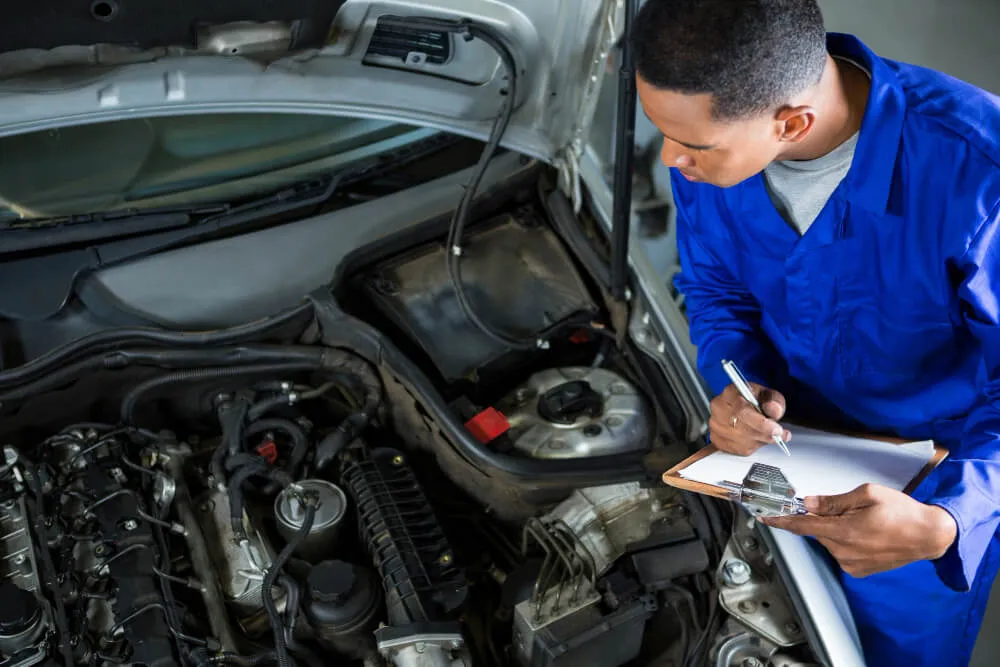
A lot of people think collision damage starts and ends with body panels, paint, and visible dents. Modern vehicles work differently. Electronics now play a direct role in safety, drivability, and repair costs, which is why experienced body shops in oxnard ca inspect both visible and hidden damage before completing repairs.A missed issue can lead to warning lights, faulty safety features, or repairs that feel complete but still leave the car behaving differently. This article covers which electronic systems are commonly affected after a collision, how technicians diagnose damage, common mistakes during repair, practical checks drivers can do, and when professional recalibration becomes necessary.Overview: Electronics in Modern VehiclesCars have become more connected than many drivers realize. Mechanical systems still matter, but electronics now manage a big part of how a vehicle responds, communicates, and protects occupants. Common vehicle electronics vulnerable in collisions include:Airbag control modulesImpact sensors and accelerometersWheel speed sensorsBackup and forward-facing camerasRadar and lidar modulesWiring harnesses and electrical connectorsBattery and charging systemsBattery monitoring sensors for hybrids and EVsBody control modulesInfotainment and display systemsABS and traction control electronicsA car can look repaired on the outside, while one of these systems still needs attention.How Collision Damage Affects ElectronicsSometimes a cracked sensor housing is obvious. Other times, the issue shows up days later.Direct impact damageA front-end collision can damage radar units mounted behind the grille or bumper. A rear collision may affect parking sensors or camera systems. Side impact can damage electrical components inside doors or pillars.Wiring harness movementImpact shifts metal fast, and that movement can stretch wiring or loosen connectors. A harness may still look intact but have internal damage that causes intermittent problems later.Water or debris exposureOnce panels crack or seals break, moisture becomes a bigger concern. Water around connectors or exposed wiring can create corrosion over time.Heat damageFriction and impact create heat. Nearby electronics or protective coverings can weaken even when they look untouched at first glance.Battery or voltage-related issuesA collision can affect terminals, battery sensors, or charging systems. That can trigger warning lights or create startup issues.Small impact points can create bigger electronic issues than expected.Key Risks and Why It MattersVehicle electronics are tied directly to safety. That makes missed repairs harder to ignore.Possible risks include:Airbags not deploying correctlyUnexpected airbag system faultsLane assist or emergency braking errorsAdaptive cruise control is not responding properlyDashboard warnings disabling related systemsEngine performance limitations linked to fault codesProgramming issues after module replacementResale concerns when repairs are poorly documentedWarranty complications involving replaced electronicsA repaired panel is visible. A damaged electronic system usually is not. That is why proper checks matter.Common Mistakes During RepairA few repair mistakes show up more often than people expect.Common ones include:Skipping ADAS recalibration after repairsReplacing a module without programming it correctlyClearing warning lights without verifying the causeMissing damaged grounds, or loose terminalsUsing general scan tools without manufacturer-level accessReassembling panels before testing electronics completelyThat last one matters more than it sounds.If everything gets closed up before testing, extra labor may be needed later just to access a missed connection.Practical Checks Drivers Can Do Before and After RepairsDrivers can catch a lot by paying attention. A few simple checks help.Dashboard lightsNotice any warning lights:AirbagABSTraction controlCheck engineBatteryTake photos if they appear.Basic function checkTest:HeadlightsBrake lightsHornPower windowsMirrorsRadio and screen functionsBackup cameraADAS quick checkPay attention to:Lane departure promptsAdaptive cruise indicatorsParking alertsThese do not replace professional calibration, but changes are worth noting.Visual inspectionLook around repair areas.Watch for:Loose clipsHanging wiresCracked sensor coversConnectors that seem exposedTest driveNotice:Braking feelSteering pullDashboard warningsCamera behaviorSensor alertsBattery and chargingCheck startup behaviorFor EVs and hybrids, watch for battery system warnings. A few minutes can catch something early.When Professional Diagnostics and Recalibration Are RequiredSome repairs need technician-level tools. Professional diagnostics matter when:Airbags deployedAirbag modules were replacedA bumper was replaced with radar sensors attachedWindshield replacement affected camerasStructural repair changed sensor mounting pointsWiring harness repair involved electronic modulesAn ECU was replacedFault codes remain active after repairIt helps to ask about:OEM diagnostic softwareCalibration capabilityProgramming recordsTechnician certificationsRepair documentationThat gives clearer answers before final approval.Local Note for Oxnard DriversSalt exposure over time can affect connectors and exposed metal around repaired areas if everything is not sealed correctly. Electronics also often need specialized calibration equipment that not every facility handles in-house. When comparing local shops’ technical capabilities and documentation, searching for car accident repair specialists Oxnard can help you review which facilities mention diagnostics, recalibration procedures, and electronic repair support. Stores like Prestige Bodyworks Auto Collision are often part of that research for drivers trying to understand what services are available locally.