Aug 14, 2026
•
81 Reads
The Homeowner's Guide to Emergency Plumbing Services: When to Call and What to Expect
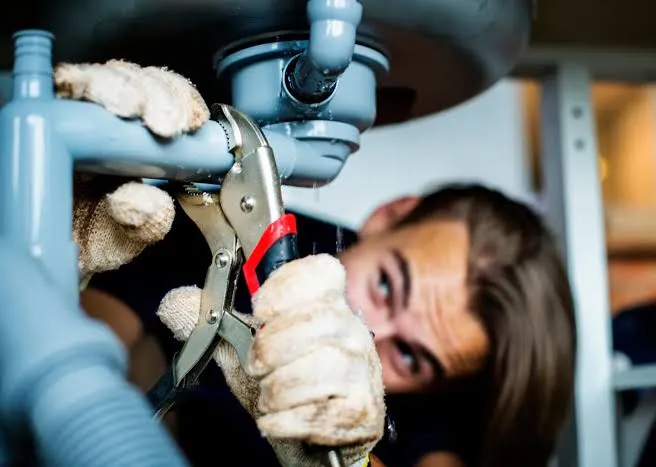
Plumbing problems rarely happen at a convenient time, and a small issue can quickly become a serious household emergency. A burst pipe, overflowing toilet, major leak, or sudden loss of hot water may require immediate professional attention. Knowing when to contact Emergency Plumbing Services can help homeowners reduce property damage, protect their belongings, and restore essential plumbing functions more quickly. Acting promptly is particularly important when water is spreading across floors, walls, ceilings, or electrical areas. This guide explains common plumbing emergencies, what homeowners should do before help arrives, and what to expect from a professional plumber.Understanding What Counts as a Plumbing EmergencyNot every plumbing problem requires an emergency visit, but certain situations should never be ignored for long. A rapidly leaking or burst pipe can release a large amount of water and cause structural damage within a relatively short period. Sewage backups are another serious concern because contaminated water can create sanitation risks and damage flooring, walls, and personal belongings. A completely blocked main drain may also become urgent when multiple fixtures are backing up at the same time. When a plumbing problem threatens health, safety, property, or the continued use of essential household facilities, contacting a qualified professional is usually the safest choice.Homeowners should also pay attention to warning signs that may indicate a developing emergency. Unexplained drops in water pressure, damp patches on walls, water stains on ceilings, or the sound of running water behind a wall can point to hidden plumbing problems. A toilet that repeatedly overflows or a drain that suddenly backs up throughout the house should not simply be treated with temporary household remedies. Ignoring these symptoms can allow a minor plumbing defect to become a much more expensive repair. Professional assessment can identify the source of the problem and determine whether immediate repairs or additional investigation are necessary.Common Situations That Require Immediate AttentionBurst pipes are among the most recognizable plumbing emergencies because they can release water rapidly and continuously. They may result from freezing temperatures, corrosion, excessive pressure, deteriorated connections, or damaged plumbing components. A broken supply line underneath a sink, behind a washing machine, or near a water heater can also flood an area surprisingly quickly. If water cannot be controlled with an accessible shutoff valve, professional assistance should be requested without unnecessary delay. The faster the source is addressed, the better the chance of limiting damage to floors, cabinetry, drywall, and household possessions.Sewage backups require particular caution because the water may contain harmful contaminants. Homeowners should avoid unnecessary contact with sewage and keep children and pets away from affected areas. Repeated backups can indicate a blockage in the main sewer line rather than an isolated fixture problem, making professional diagnosis especially important. Similarly, a serious water heater leak can quickly create standing water around the appliance and damage surrounding materials. Qualified Water Heater Services can determine whether the unit needs a repair, replacement component, or complete replacement based on its condition and safety requirements.What to Do Before the Plumber ArrivesTaking a few practical steps before the plumber arrives can help minimize damage and provide useful information for the technician. If it is safe to do so, homeowners should locate and close the appropriate water shutoff valve to stop or reduce the flow. For a leaking water heater, the water supply may need to be turned off, while the power or fuel source should only be handled according to the equipment manufacturer's safety instructions. Move valuable belongings away from standing water when possible, but do not enter areas where water may have reached electrical outlets or wiring. Photographs of the affected area can also help document the situation for property records or insurance purposes.It is helpful to tell the plumbing company exactly what happened and when the problem began. Mentioning unusual noises, changes in water pressure, previous repairs, visible leaks, or recent plumbing work can give the technician valuable background information. If the home has a shutoff valve that was closed, tell the plumber where it is located and whether the water flow stopped completely. Homeowners should avoid repeatedly using affected fixtures while waiting because doing so may worsen a blockage or leak. These simple precautions can make the emergency visit safer and allow the professional to begin troubleshooting more efficiently.What to Expect During an Emergency Plumbing VisitA professional emergency plumbing visit generally begins with an assessment of the situation and an effort to identify the source of the problem. The plumber may inspect visible pipes, fixtures, valves, drains, water pressure, and accessible plumbing connections before recommending a solution. Depending on the issue, specialized equipment may be used to locate hidden leaks, clear blockages, or inspect sections of the drainage system. The technician should explain the findings and discuss the recommended repair before significant work begins. Clear communication is important because emergency repairs can vary considerably depending on the cause and extent of the damage.The repair process depends entirely on the plumbing emergency. A simple failed valve or damaged connection may be repaired relatively quickly, while a concealed pipe leak or major sewer obstruction could require more extensive work. In some situations, the immediate goal is to stabilize the plumbing system and prevent further damage, followed by a scheduled repair or replacement. Reputable professionals should explain whether the proposed solution is temporary or intended as a long-term fix. Homeowners should also ask about warranties, parts, labor, and any additional work that may be necessary before approving the project.Water Heater Problems That Should Not Be IgnoredWater heaters deserve special attention because they combine plumbing with a heating system that may involve electricity or fuel. A small amount of water around a water heater can sometimes come from a loose connection or pressure-related component, but persistent leaking should be professionally evaluated. Discolored water, unusual noises, inconsistent temperatures, or a complete lack of hot water can also indicate developing equipment problems. Professional Water Heater Services can help determine whether maintenance, component replacement, or a new unit makes the most practical sense. Prompt attention can also help prevent water damage and reduce the inconvenience of an unexpected loss of hot water.The age and overall condition of the water heater are important when considering repair versus replacement. Older equipment may continue working after a single component is replaced, but repeated failures can make continued repairs less economical over time. Energy efficiency, household hot-water demand, available installation space, and the condition of existing connections can all influence replacement decisions. A qualified plumber should evaluate the system rather than recommending a replacement based solely on age. Homeowners can then compare the expected repair cost, future reliability, operating expenses, and lifespan of the available options.How to Choose Reliable Emergency Plumbing ServicesChoosing a plumbing company during an emergency can be stressful, but homeowners should still look for evidence of professionalism and experience. A reputable company should clearly communicate its service area, availability, qualifications, and approach to emergency calls. Licensing and insurance requirements vary by location, so homeowners should verify that the contractor meets applicable local requirements. Reviews and recommendations can provide useful insight, although they should be considered alongside other evidence rather than treated as the only measure of quality. A trustworthy plumber should also be willing to explain the problem and provide understandable information about the proposed work.Pricing is another important consideration when arranging emergency plumbing assistance. Emergency calls may involve higher rates because technicians work outside normal business hours or respond to urgent situations. Before authorizing extensive repairs, ask what the service call includes and whether diagnostic, labor, parts, or after-hours charges may apply. A professional company should communicate costs as clearly as reasonably possible and explain any circumstances that could change the final price. Avoid choosing a contractor solely because of the lowest initial estimate, since quality workmanship and appropriate materials are essential for preventing recurring plumbing problems.Preventing Future Plumbing EmergenciesAlthough some plumbing emergencies happen unexpectedly, regular maintenance can reduce the likelihood of many common failures. Homeowners should periodically inspect exposed pipes, supply lines, shutoff valves, faucets, toilets, and water heater connections for signs of corrosion or moisture. Slow drains, recurring clogs, dripping faucets, and fluctuating water pressure should be investigated instead of being treated as harmless inconveniences. Replacing aging hoses and worn components before they fail can also prevent sudden water damage. Routine professional inspections are particularly valuable in older homes where plumbing materials and connections may have deteriorated over time.Homeowners can also prepare for emergencies by learning where the main water shutoff valve is located before a crisis occurs. Every household member who is capable of safely accessing the valve should know how to identify it and understand when shutting off the water may be appropriate. Keeping the contact information for a trusted plumbing professional readily available can save valuable time during an unexpected failure. Regular attention to water heaters, drains, fixtures, and visible plumbing can help identify problems while they are still manageable. A proactive approach does not eliminate every emergency, but it can significantly improve a homeowner's ability to respond when one occurs.ConclusionPlumbing emergencies can cause extensive damage when they are left untreated, but homeowners do not have to handle serious problems alone. Recognizing major warning signs and contacting qualified Emergency Plumbing Services at the right time can help protect the property and restore essential systems. Problems involving burst pipes, sewage backups, uncontrolled leaks, major blockages, and dangerous water heater failures deserve prompt professional evaluation. Preparing by knowing the location of shutoff valves and keeping reliable plumbing contacts available can make an emergency easier to manage. With professional maintenance and timely repairs, homeowners can reduce unnecessary disruption and keep their plumbing systems operating safely and reliably.