How to Stop Overpaying for Void Fill and Product Bags on Every Order That Goes Out
By alexjoe
85 Views
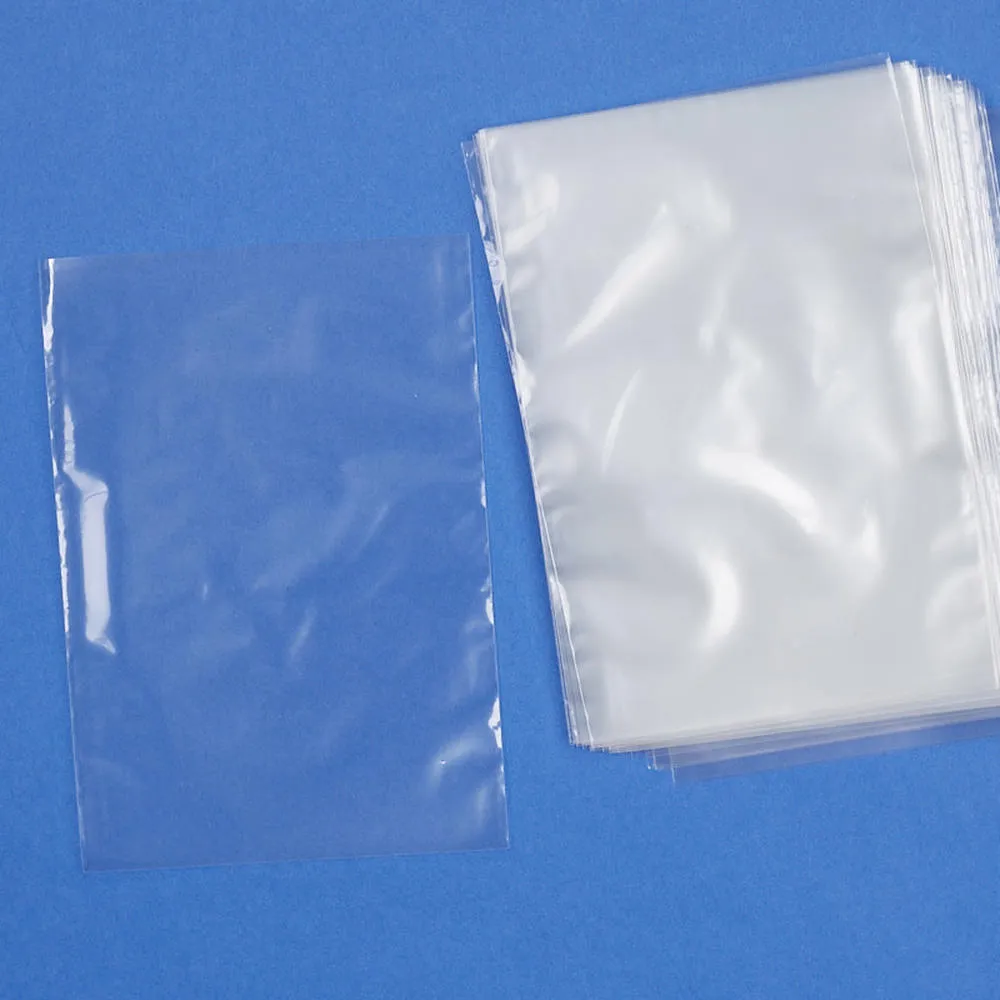
Every fulfillment room burns through void fill and product bags faster than any other packaging category. That constant reorder pattern is exactly why the overpayment on these two supplies is so easy to miss. A few cents of waste per shipment feels like nothing on the invoice; multiplied across ten thousand orders a month, the same waste costs thousands. Every shipment that goes out with the wrong bag size, the wrong paper weight, or too much filler is a small overpayment. Add up enough of them and the cumulative cost lands in the tens of thousands per year for even a mid-sized operation.
This guide walks through five overpayment patterns to look for on void fill and product bags, plus the buying moves that fix them without lowering shipment protection.
Buying One Bag Size for Every Product
Every product in your catalog does not need to ship in the same bag. A T-shirt fits perfectly in a 12x15 inch 1 mil bag. A pair of shoes in the same bag either wastes plastic on the top half or requires a 4 mil upgrade to protect the toe. Buyers who order poly bags online in a wider range of sizes save plastic, cut weight on outbound shipments, and lower the risk of tears from bags that were too small in the first place. Two sizes for every product category is usually enough. A small and a medium bag for apparel, a heavy 4 mil in one universal size for hard goods, and a gusseted bag for oversized items.
Using Bags When Paper Would Do (Or Vice Versa)
Poly bags protect against moisture, dust, and abrasion. Packing paper online protects against void space, minor scuffs, and product-to-product contact inside a carton. When teams mix up these use cases, they end up ordering more of the wrong material and less of the right one.
- Use poly bags for anything that could get wet, pick up static, or rub against another product in transit
- Use kraft or newsprint packing paper for filling voids, wrapping non-fragile items, and cushioning between product layers
Getting this split right cuts monthly spend across each category.
Overpacking Cheap Fillers Because the Box Is Too Big
Every operations manager knows the scene. An order goes into a carton twice the size of the product, and the packer stuffs it with paper or peanuts to keep the product from moving. That extra paper adds shipping weight, adds dim-weight charges, and adds material cost. The fix is upstream. Ordering packing paper online in the right sheet sizes and case quantities matters; ordering the right box sizes for your product mix matters more. Right-sizing carton inventory first, then filling void with paper as the last step, keeps material use minimal on every shipment.
Buying the Wrong Mil Thickness
Poly bags come in mil thicknesses from 1 mil for light apparel up to 8 mil for heavy or sharp-edged items. Buyers who order the heaviest mil for everything pay two or three times the material cost of a lighter bag. Buyers who order the lightest mil for everything pay for bag tears and product replacements. Ordering poly bags online by mil thickness matched to actual product weight and edge sharpness cuts unit cost without adding damage rates. A quick internal audit of what actually goes into each bag category usually reveals two or three product lines that could safely drop one mil grade.
Ordering in Cases Smaller Than Your Actual Use Rate
Small case quantities cost more per unit than pallet quantities. Fulfillment operations that go through a full case of poly bags every three days but keep ordering one case at a time are paying case pricing on every unit they ship. The upgrade math is straightforward. Divide monthly usage by the size of the pallet quantity available for that SKU. If monthly usage exceeds half a pallet, order by the pallet. The unit savings on pallet buying usually cover several months of storage cost.
Running a Quarterly Void Fill Audit
The audit that catches the most overpayment is monthly usage by SKU compared to case pricing tiers. Any SKU that goes through more than one case a month is a candidate for pallet-quantity buying. Any SKU that never runs out is a candidate for delisting or swapping to a shared size.