Category

Lifestyle & Culture

Comprehensive discussions and expert insights revolving around lifestyle & culture trends and best practices.

Oct 03, 2026 • 10 Reads

Awakeny: How Modern Streetwear Combines Comfort, Identity, and Everyday Style

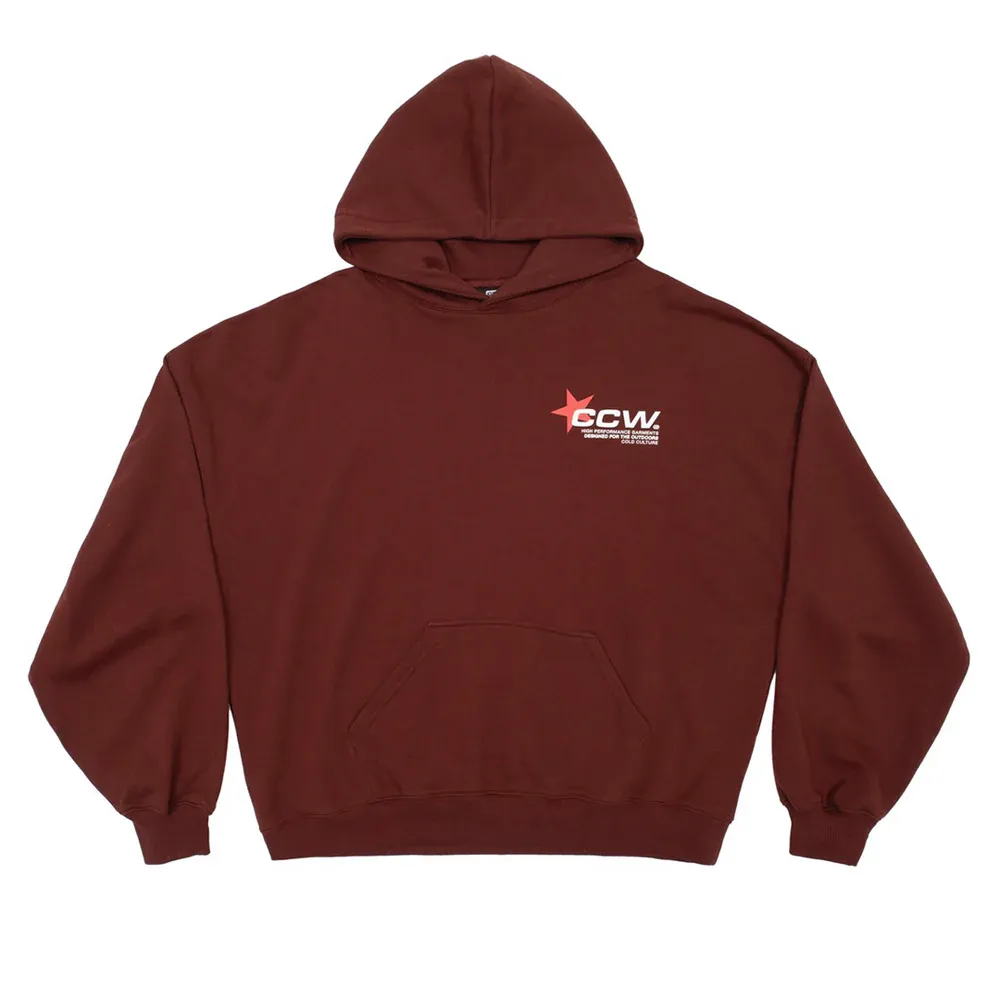
Awakeny represents a useful starting point for exploring how modern streetwear has evolved from a niche urban fashion movement into an everyday clothing choice. Today, streetwear is about much more than oversized shirts, graphic prints, or sneakers. It brings together comfort, personal identity, creative expression, and practical design. From relaxed hoodies to versatile jackets, street-inspired clothing allows people to build outfits that reflect their preferences without sacrificing functionality.In the United States, streetwear draws inspiration from skateboarding, hip-hop, sportswear, music, and contemporary youth culture. These influences have helped shape a fashion landscape where casual pieces can work in different settings, from a weekend coffee run to a casual evening with friends.Understanding how to choose and style streetwear can make getting dressed easier. Instead of constantly following short-lived trends, shoppers can focus on versatile clothing, thoughtful layering, suitable fabrics, and combinations that feel natural. Whether someone is discovering an Awakeny Hoodie or looking for an everyday jacket, the goal is to develop a wardrobe that balances individual taste with everyday usefulness.1. Understanding the Evolution of Modern StreetwearStreetwear has developed through decades of cultural exchange. Its foundations are closely connected to skateboarding communities, hip-hop culture, surf fashion, and independent clothing labels that challenged traditional ideas about dressing.During the 1980s and 1990s, graphic T-shirts, loose-fitting denim, athletic clothing, and sneakers became recognizable elements of street-inspired fashion. Over time, designers and independent brands introduced new silhouettes, fabrics, and visual identities.The internet and social media later changed how people discovered fashion. Outfit inspiration became accessible across cities and countries, allowing different streetwear communities to influence one another.From Subculture to Everyday ClothingStreetwear is no longer limited to particular music or sporting communities. It now appears in everyday wardrobes across different age groups and lifestyles.Several characteristics explain its continued popularity:Comfortable silhouettes that support movement.Designs influenced by music, art, and urban culture.Flexible pieces suitable for layering.A mix of casual basics and expressive statement items.Opportunities to create personal combinations.This flexibility makes streetwear relevant to people who prefer simple outfits as well as those who enjoy experimenting with fashion.2. Why Comfort Matters in Streetwear FashionComfort is one of the main reasons casual streetwear remains a regular part of modern wardrobes. Clothing needs to work throughout the day, especially for people balancing work, study, travel, and social activities.Fabric, fit, construction, and weather conditions all influence how comfortable a garment feels.Cotton is commonly used in casual clothing because of its soft texture and breathability. Fleece-lined fabrics provide additional warmth in cooler conditions, while lightweight cotton blends can be practical for transitional weather.Choosing the Right FitThe right fit depends on the garment and the look someone wants to create.Relaxed fit: Provides extra room through the body and sleeves.Oversized fit: Creates a deliberately loose silhouette and a strong streetwear appearance.Regular fit: Offers a balanced shape suitable for everyday styling.Layering fit: Leaves enough room for additional garments without feeling restrictive.An oversized silhouette can look intentional when balanced with more structured trousers or simple footwear. Similarly, a regular-fit top can work well with wider pants to create visual contrast.Rather than choosing a size based only on a trend, shoppers should check garment measurements and consider how they intend to wear the clothing.3. How to Style an Awakeny Hoodie for Different OccasionsA hoodie is one of the most adaptable pieces in a casual wardrobe. It can serve as a standalone top during mild weather or as a middle layer when temperatures drop.An Awakeny Hoodie can be incorporated into several outfit combinations depending on its color, design, material, and fit.Casual Everyday OutfitFor a relaxed daily look, combine a hoodie with straight-leg jeans and comfortable sneakers. Neutral colors such as black, grey, beige, and navy make coordination easier.For example, a grey hoodie with black denim creates a balanced outfit that works for shopping, casual meetups, and travel.Layered Urban OutfitLayering introduces depth without requiring complicated styling.Try these combinations:A hoodie underneath a lightweight bomber jacket.A neutral hoodie with a denim jacket and relaxed trousers.A graphic hoodie with simple cargo pants and low-profile sneakers.When layering, consider the thickness of each garment. A bulky hoodie may feel uncomfortable beneath a fitted jacket, so choosing complementary proportions is important.A Minimalist Hoodie LookMinimalist streetwear focuses on clean colors, uncomplicated designs, and a limited number of accessories.A plain hoodie, tailored casual pants, and understated sneakers can create a polished appearance without looking overly formal. This approach is especially useful for people who want clothing that remains wearable beyond a single fashion season.4. Finding the Right Awakeny Jacket for Your WardrobeJackets contribute both function and visual structure to an outfit. They also provide opportunities to experiment with different textures, colors, and silhouettes.When considering an Awakeny Jacket, shoppers should look beyond appearance and evaluate its intended use.Popular Jacket StylesBomber jacketsBomber jackets typically feature a defined waist, front closure, and a compact silhouette. They can add structure to relaxed outfits and work particularly well with hoodies and casual trousers.Denim jacketsDenim jackets are versatile layering pieces. Their durable fabric and familiar shape make them suitable for pairing with T-shirts, hoodies, and a range of casual pants.Lightweight jacketsLightweight outerwear is useful during spring and early autumn. Depending on construction, it can provide light wind protection without adding significant bulk.Statement jacketsJackets with distinctive graphics, unusual textures, or contrasting colors can become the central element of an outfit. When wearing a statement piece, keeping other clothing relatively simple can create a more balanced result.Consider Weather and PracticalityA jacket should suit the climate and activities for which it is intended.For colder conditions, consider insulation, fabric weight, and room for layering. In rainy weather, look for water-resistant construction rather than assuming every fashionable jacket offers protection from moisture.A practical jacket is one that fits your daily routine as well as your personal style.5. Building a Versatile Streetwear Capsule WardrobeA capsule wardrobe is a collection of clothing pieces that coordinate easily with one another. It can reduce unnecessary purchases and simplify everyday outfit decisions.A streetwear-inspired capsule wardrobe does not need to be large. A carefully selected group of essentials can support numerous combinations.Essential Pieces to ConsiderTwo or three everyday T-shirts in complementary colors.One versatile hoodie.A jacket suitable for the local climate.Straight-leg or relaxed-fit jeans.Comfortable cargo pants or casual trousers.A pair of everyday sneakers.A few practical accessories, such as a cap or backpack.The exact selection should reflect individual needs. Someone who walks frequently may prioritize comfortable shoes, while someone living in a colder region might invest more in outerwear.Use a Consistent Color PaletteA consistent color palette makes mixing and matching easier.Black, white, grey, navy, olive, and beige are useful starting points because they work with many other shades. Once these foundations are established, brighter colors or graphic designs can introduce personality.A wardrobe built around a few compatible colors can offer more outfit possibilities than a larger collection of unrelated pieces.6. Understanding Streetwear Fabrics and Clothing QualityThe appearance of a garment is only one part of its overall value. Fabric quality, stitching, construction, and care requirements also influence how well clothing performs over time.Learning to evaluate these details can help shoppers make more informed purchasing decisions.Fabric CharacteristicsDifferent fabrics serve different purposes.FabricCommon characteristicsTypical useCottonSoft and breathableT-shirts and casual hoodiesCotton-polyester blendsOften durable and shape-retainingSweatshirts and everyday basicsFleeceWarm and softCold-weather casual clothingDenimStructured and sturdyJeans and jacketsNylonLightweight and often quick-dryingWindbreakers and outerwearFabric performance varies depending on its weight, weave, finishing, and manufacturing process.What to Inspect Before BuyingConsider the following details:Seams: Look for even stitching and securely finished edges.Fabric feel: Check whether the material suits the season and intended use.Construction: Examine zippers, buttons, cuffs, and other functional details.Sizing: Compare garment measurements with clothing you already own.Care instructions: Understand washing and drying requirements before purchasing.These simple checks can help shoppers distinguish between garments that merely look appealing and those that also meet their practical needs.7. The Role of Personal Expression in Urban FashionOne of the most interesting aspects of streetwear is its connection to individual identity. Unlike clothing categories with strict dress codes, streetwear leaves considerable room for personal interpretation.Some people prefer understated outfits with neutral colors and minimal graphics. Others enjoy bold prints, distinctive accessories, and contrasting proportions.Neither approach requires following every new trend.Developing a Personal StyleA personal style often develops through experimentation. Trying different silhouettes, textures, and color combinations can reveal which outfits feel comfortable and authentic.A few useful approaches include:Start with outfits you already enjoy wearing.Identify recurring colors and silhouettes in your wardrobe.Introduce one new element at a time.Use accessories to change the character of familiar outfits.Avoid buying pieces that do not work with your existing clothing.Fashion inspiration can come from music, architecture, photography, sports, and everyday surroundings. Observing these influences can help people create outfits that feel more individual.Balancing Trends With Timeless PiecesTrends can provide creative inspiration, but they change frequently. Building a wardrobe entirely around temporary styles may lead to unnecessary spending.Classic hoodies, simple jackets, relaxed denim, and versatile sneakers can remain useful even as popular silhouettes evolve.Combining a few trend-driven pieces with reliable basics allows for experimentation without completely replacing an existing wardrobe.8. Shopping for Streetwear More ThoughtfullyOnline shopping makes it easy to explore new clothing styles, but it also requires careful attention to product information.When browsing a brand or discovering collections through a website such as Awakeny, shoppers should evaluate the available details rather than relying exclusively on photographs or promotional descriptions.Read Product Descriptions CarefullyCheck the following information before placing an order:Fabric composition and material weight, if listed.Available sizes and garment measurements.Fit descriptions and model sizing information.Shipping costs and delivery estimates.Return and exchange conditions.Washing and maintenance instructions.Product images can provide useful visual information, but colors may appear different across screens and lighting conditions.Set a Realistic Clothing BudgetA clothing budget helps shoppers prioritize garments that meet their actual needs.Instead of purchasing several similar hoodies, consider whether a different type of clothing would add more versatility. A useful jacket or a pair of well-fitting trousers may provide more outfit combinations than another nearly identical top.Cost per wear is one way to think about value. Divide a garment's purchase price by the number of times you expect to wear it. This is not a perfect measure of quality, but it can help compare everyday essentials with occasional statement pieces.9. Caring for Streetwear to Extend Its WearabilityClothing care is an important part of maintaining a functional wardrobe. Appropriate washing, drying, and storage practices can help preserve fabric texture, color, and garment shape.Different materials require different care routines, so always follow the manufacturer's instructions.Practical Clothing Care TipsWash garments according to their care labels.Turn graphic clothing inside out when appropriate.Avoid excessive heat when drying materials that may shrink.Close zippers and fasteners before washing.Store jackets on suitable hangers when possible.Address small repairs before they become larger problems.Washing clothes only when necessary can also reduce unnecessary wear and water consumption.Organize Clothing by SeasonSeasonal organization makes everyday dressing more efficient. Keep frequently worn items accessible and store heavy winter clothing when it is no longer needed.This approach can also reveal which garments receive regular use and which remain untouched. Understanding actual clothing habits makes future shopping decisions more practical.Conclusion: Making Streetwear a Practical Part of Everyday StyleModern streetwear offers a flexible way to combine comfort, creativity, and individual expression. From everyday hoodies to functional jackets, the right clothing choices can make a wardrobe more adaptable without requiring an excessive number of garments.Exploring brands such as Awakeny, understanding different clothing fits, and learning how to combine essential pieces can help shoppers make more thoughtful fashion decisions. An Awakeny Hoodie might become a regular layering piece, while an Awakeny Jacket can add structure and practicality to casual outfits.The most useful approach is to focus on personal preferences rather than treating every new trend as a requirement. Consider fabric quality, fit, versatility, climate, and how frequently each item will be worn. These factors contribute to a wardrobe that feels comfortable and remains relevant across different occasions.Streetwear continues to evolve through cultural influences, new designs, and changing lifestyles. However, its central appeal remains familiar: clothing should support everyday activities while allowing people to express who they are. With a little planning and experimentation, anyone can develop a streetwear wardrobe that feels both practical and personal.Frequently Asked Questions1. What is Awakeny in streetwear fashion?Awakeny is a name associated with contemporary streetwear searches and clothing interests. People exploring the brand can consider its clothing options, designs, fits, and how individual pieces might work within a casual wardrobe.2. How can I style an Awakeny Hoodie?Pair an Awakeny Hoodie with relaxed jeans, cargo pants, or casual trousers. Sneakers and simple accessories can complete the outfit. For colder weather, layer it beneath a suitable jacket.3. What should I consider when buying an Awakeny Jacket?Consider the jacket's material, fit, construction, available sizing, and intended use. Think about the weather in your area and whether the jacket will work with clothing you already own.4. Is streetwear suitable for everyday wear?Yes. Streetwear often features comfortable fabrics, relaxed silhouettes, and versatile clothing that can suit daily activities. The appropriate outfit depends on the occasion, workplace expectations, and personal preferences.5. What are the essential pieces of a streetwear wardrobe?Common essentials include graphic or plain T-shirts, hoodies, versatile jackets, relaxed-fit jeans, cargo pants, sneakers, and practical accessories. The ideal selection depends on your lifestyle and local climate.6. How do I choose the right hoodie size?Check the brand's size chart and compare garment measurements with a hoodie you already own. Consider whether you prefer a regular, relaxed, or oversized fit. Also account for the thickness of any layers you intend to wear underneath.7. How can I make streetwear outfits look more coordinated?Start with a simple color palette and balance different proportions. For example, combine an oversized hoodie with straight-leg trousers or pair a structured jacket with relaxed pants. Limiting the number of competing patterns can also help create a cohesive look.8. How can I make my streetwear wardrobe last longer?Choose garments that suit your regular activities, follow their care instructions, avoid unnecessary washing, and repair minor damage when possible. Buying versatile pieces that work across different outfits can also reduce the need for frequent replacements.

A
Awake NY
Oct 01, 2026 • 15 Reads

How Often Should You Replace Your Mattress? 7 Signs It's Time

Most people wait until their mattress is visibly broken down before replacing it. By that point they've already spent months or years sleeping poorly on something that stopped serving them long ago. Knowing the actual signs that a mattress needs replacing, rather than waiting until it's obviously failing, protects your sleep quality and your health in ways that are easy to underestimate.This guide covers seven clear signs it's time to replace your mattress, along with guidance on how long different mattress types typically last. For a deeper look at what to look for in a replacement, BedsCrafters' mattress buying guide walks through the full selection process from sleep position to material to budget.How Long Should a Mattress Last?The general answer is 8 to 10 years under normal conditions with proper foundation support. But this varies significantly by mattress type and construction quality. A high-density foam mattress from a reputable brand may last closer to 10 to 12 years. A budget innerspring mattress may start losing its shape within 5 to 6 years. Pocket spring and hybrid mattresses typically fall in the 8 to 10 year range. Latex mattresses often last the longest, with quality latex holding its structure for 12 years or more.Age alone isn't a reliable replacement trigger. A well-built mattress used lightly by one person may still perform at year 10. A lower-quality one used heavily by two people may need replacing at year 6 or 7. The signs below are more reliable than the calendar.Sign 1: Visible Sagging or IndentationsThis is the most obvious quality indicator. If your mattress has a visible dip, valley, or body impression that doesn't spring back when you stand up, the support structure has broken down. For foam mattresses, this means the foam density has collapsed. For innerspring mattresses, it typically means the coils have lost their tension.Some warranties cover sagging beyond a specific depth, often 25 to 38mm. But you don't need to wait until your mattress meets a warranty threshold before replacing it. Even shallow sagging changes your sleep posture enough to cause discomfort and disrupted sleep. If you can see the impression of where you sleep, it's a clear signal.Sign 2: You Wake Up with Pain That Wasn't There BeforeA mattress that no longer provides proper spinal alignment creates muscular strain during sleep. The muscles that support your spine don't get to rest. They have to compensate for the loss of support all night. The result is stiffness, aches, or pain in the lower back, hips, neck, or shoulders when you wake up.The test is simple. Sleeping better in a hotel, a guest room, or even on the couch and waking without pain points strongly to your mattress as the cause. That doesn't mean every ache is a mattress problem, but the pattern of where you sleep well and where you don't is very telling.Sign 3: Your Sleep Quality Has Noticeably DeclinedSleeping less deeply, waking more frequently, or feeling tired after a full night in bed can all point to a degraded mattress. It may be partly responsible even when the cause isn't obvious. Sleep quality is sensitive to surface changes. Even moderate breakdown in the comfort and support layers affects how deeply and continuously you sleep.BedsCrafters' range of quality mattresses includes options suited to different sleep positions and body weights, which makes it a good starting point when you're ready to compare replacements.Sign 4: You Can Feel Springs or Structural ComponentsFeeling coil springs, ridges, or hard spots through the surface of your mattress means the comfort layer has compressed past the point of usefulness. This creates pressure points during the night that disrupt sleep and cause discomfort. A quality mattress should have no perceptible hard points regardless of where you lie on it.This is especially common in older innerspring mattresses where the padding layers above the coils have worn flat. Once you're lying directly on the coil system, the mattress has essentially failed its core function.Sign 5: The Mattress Has Developed NoiseA mattress should be silent. If yours creaks, squeaks, or makes noise when you move, the internal structure is breaking down. In innerspring and hybrid mattresses, noise usually comes from worn coil springs that have lost their integrity. In foam mattresses, noise can come from a degraded base layer.Noise doesn't just signal structural wear. It also causes more sleep disruption than most people realize. Every time you move, the sound pulls you toward lighter sleep stages, reducing the restorative value of your night.Sign 6: Worsening Allergies or Respiratory SymptomsMattresses accumulate dust mites, mould spores, skin cells, and other allergens over time. A well-maintained mattress with a quality protector slows this process. But after 8 to 10 years, even a protected mattress carries a significant allergen load that can contribute to respiratory issues, skin irritation, and poor sleep in sensitive individuals.If your allergies or asthma are worse in the bedroom than elsewhere in the house, and particularly worse in the morning after sleeping, your mattress may be a contributing factor.Sign 7: Your Life Circumstances Have ChangedSometimes the trigger for replacement isn't mattress breakdown but a change in your own situation. Significant weight gain or loss changes the firmness and support you need. Starting to share a bed with a partner means you may need better motion isolation or a larger size. A new health condition may require better pressure relief or a different sleeping position altogether.These changes mean the mattress that worked for you before may no longer be the right fit, even if it isn't visibly worn out. Matching your mattress to your current circumstances is part of getting genuine value from the purchase. The person you are now may need something different from what worked years ago.If you're ready to explore replacement options, the full BedsCrafters shop is organized by mattress type, size, and sleep position so you can find what matches your current needs quickly.How to Extend the Life of Your Next MattressA few consistent habits meaningfully extend mattress lifespan. Use a quality mattress protector from the first night. Rotate your mattress every three to six months (unless the manufacturer specifies not to). Ensure your base is in good condition and compatible with your mattress type. Don't allow children or pets to jump on the mattress. And don't place the mattress on the floor, which restricts airflow and encourages moisture and mould.Frequently Asked QuestionsHow do I know if my mattress is causing my back pain?Sleep somewhere else for two or three nights and compare how you feel in the morning. If the pain reduces or disappears, your mattress is a likely contributor. A worn mattress that no longer supports proper spinal alignment is one of the most common causes of morning back pain.Is it worth repairing a sagging mattress?In most cases, no. Mattress toppers can temporarily mask surface discomfort, but they don't restore the structural support a sagging mattress has lost. A topper over a failing support core still produces poor sleep. Replacement is the only real fix once the support structure has broken down.Can a mattress protector extend my mattress life?Yes, meaningfully. A good mattress protector keeps the mattress dry and clean, which significantly slows both structural degradation and allergen buildup. It's one of the most cost-effective ways to protect a mattress investment.At what age should I automatically replace my mattress?There's no single answer. Age 8 to 10 is a useful reassessment point, but a quality mattress in good condition doesn't need replacing just because it's reached a certain age. Use the seven signs in this article rather than a strict age cutoff.Do heavier people need to replace mattresses more often?Generally, yes. Higher body weight compresses mattress materials more deeply and more frequently, which accelerates wear. A mattress that lasts 10 years for a 70kg sleeper may last 6 to 7 years for someone at 110kg on the same product.Key TakeawaysMost quality mattresses last 8 to 10 years, with variation by type and construction quality. Visible sagging is the clearest sign of structural failure. Morning pain that improves away from home points strongly to the mattress. Declining sleep quality without another clear cause is worth investigating. Feeling springs or hard spots means the comfort layer has failed. Noise signals internal breakdown. Allergen accumulation is a real concern after 8 to 10 years. Changing life circumstances can make even a structurally sound mattress the wrong choice.The Bottom LineReplacing your mattress at the right time is an investment in better sleep, not an unnecessary expense. The seven signs above give you a practical framework for knowing when to act before the mattress has fully failed, rather than after months of compromised sleep.

b
beds crafters
Sep 30, 2026 • 14 Reads

How to Style a Bezel Diamond Engagement Ring

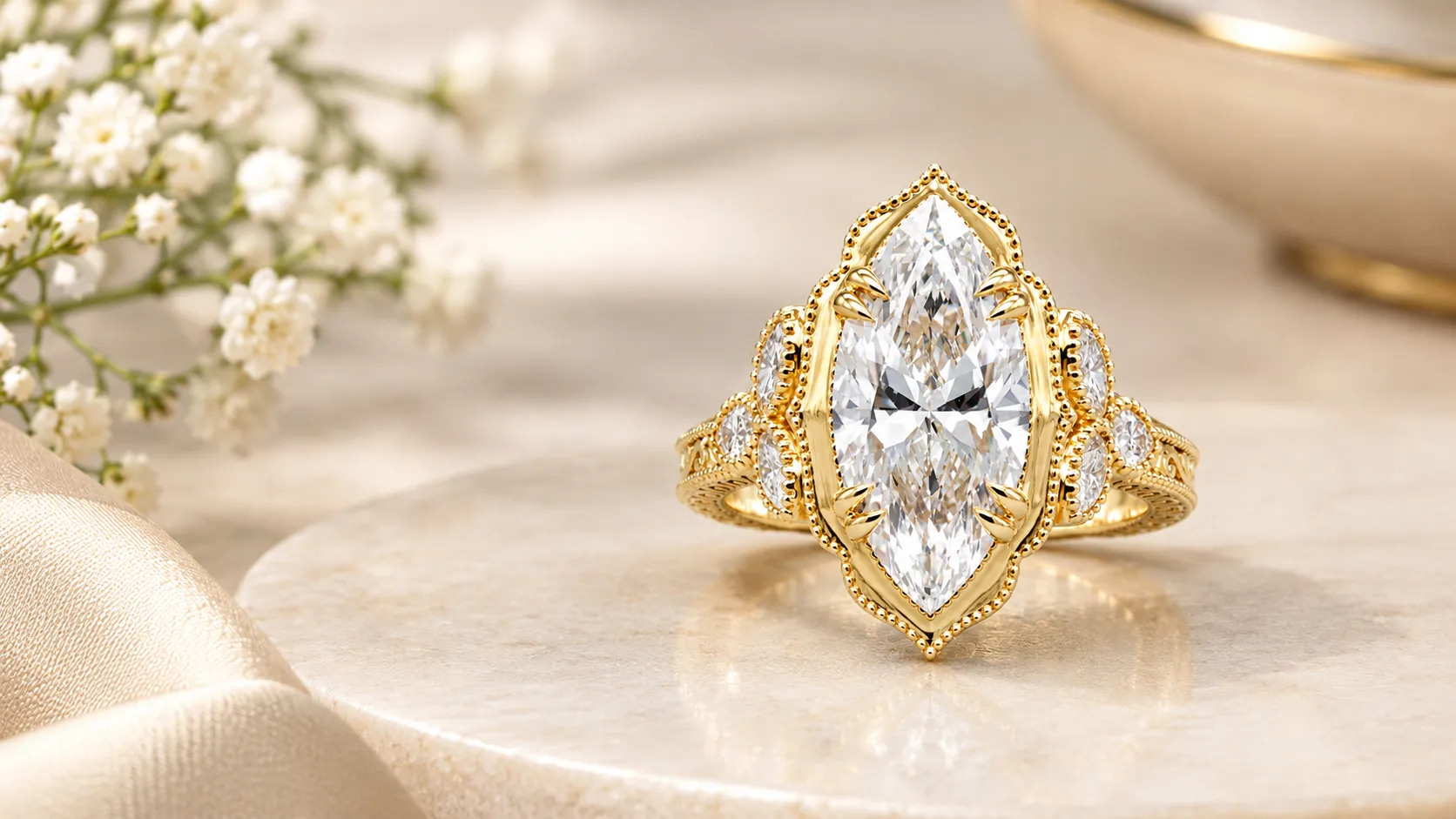
A ring should feel like part of your personal style rather than something chosen only for the proposal. Bezel engagement rings offer plenty of ways to create a look that feels personal, from choosing the right wedding band to mixing metals and selecting a diamond shape that suits your everyday wardrobe. The smooth metal rim around the center stone also gives the ring a distinct appearance that works with both simple and detailed jewelry.If you are planning your engagement ring and want a setting that has a clean outline, there are many ways to style it. You can keep the rest of your jewelry simple or use your ring as the starting point for a coordinated bridal set.Start With the Right Diamond ShapeThe diamond shape has a major effect on the overall appearance of a bezel ring. Since the metal surrounds the stone, the outline of the diamond remains an important part of the design.Round diamonds offer a traditional look and pair easily with different wedding bands. An oval diamond can create a longer visual line across the finger, while a pear-shaped stone introduces a pointed end that can make the ring feel distinctive.Emerald-cut and radiant-cut diamonds can work well for someone who prefers defined lines. Marquise diamonds offer a longer shape, while cushion cuts have softer corners and a fuller outline.When comparing different bezel set engagement rings, look closely at how the metal follows the shape of the center stone. A well-proportioned bezel can frame the diamond without making the setting feel too heavy.Pair It With a Simple Wedding BandOne of the easiest ways to style a bezel diamond engagement ring is with a straightforward wedding band. A plain metal band lets the engagement ring remain the main focus.For example, a round bezel setting can be paired with a narrow gold band for a clean combination. If your engagement ring has a larger center stone, a slightly wider wedding band can help create visual balance.A plain band is also practical for people who wear their rings every day. Without additional stones or decorative details, it can sit comfortably beside the engagement ring and create a neat two-ring combination.Try a Contoured or Curved BandNot every engagement ring sits perfectly beside a straight wedding band. Depending on the height and shape of the setting, a curved or contoured band may provide a closer fit.A curved band can follow the lower edge of the engagement ring while leaving enough room around the center setting. This can be especially useful when the bezel has a wider profile.When shopping for your wedding band, try the two rings together rather than choosing each one separately. Small differences in width, height, and shape can change how the finished set looks on your hand.Mix Different Metal ColorsMixing metal colors is another way to personalize your ring combination.A yellow gold bezel paired with a white gold or platinum wedding band creates contrast between the two pieces. Likewise, a white metal engagement ring can be paired with a yellow gold band if you prefer a warmer accent.Rose gold can also be introduced as a secondary metal. You do not necessarily need every piece of jewelry to use the same metal color. Keeping one metal dominant while using another as an accent can make the overall combination look intentional.If you already wear a watch, bracelet, or other rings regularly, consider those pieces before choosing your wedding band.Keep the Rest of Your Jewelry BalancedYour engagement ring does not have to match every piece of jewelry you own.If your ring has a wider bezel or a larger center diamond, you may prefer smaller earrings or a simple necklace. This keeps the jewelry from competing for attention.On the other hand, a simple bezel solitaire can work well with a slightly more detailed bracelet or necklace. The key is to consider the amount of detail across your entire look.For everyday outfits, you can keep the combination minimal. For weddings, celebrations, or formal dinners, you can add additional jewelry without changing the engagement ring itself.Choose a Bezel Solitaire for a Clean LookA bezel solitaire engagement ring places the center diamond at the heart of the design without adding side stones along the band.This style can be useful if you want an engagement ring that works with many different outfits and jewelry combinations. Because the center stone remains the main feature, you have plenty of flexibility when selecting your wedding band.A plain band creates a simple pairing, while a diamond band can add more detail. You can also use a curved band if you want the two rings to sit closely together.Add Interest With a Diamond Wedding BandA diamond wedding band can create a more detailed bridal set without changing the engagement ring.For example, a bezel solitaire can be paired with a pavé band featuring small diamonds across the top. If your engagement ring already has additional diamonds, you may prefer a more restrained wedding band.The width of the band matters as well. A very thin band can create a delicate contrast against a wider engagement ring, while a wider band can make the complete set look more substantial.Before buying, compare the width of the engagement ring and wedding band on your finger. The proportions can make a significant difference.Consider Unique Bezel Engagement RingsIf a standard solitaire does not feel right for you, there are many ways to personalize the design.Unique bezel engagement rings can feature unusual diamond shapes, mixed metals, east-west orientations, hidden details, or customized band designs.An east-west setting, for example, places an elongated diamond horizontally rather than vertically. This changes the visual direction of the ring while keeping the bezel construction.You can also choose a wider band, a split shank, or additional side diamonds depending on your preferred style.The goal is not to add every available feature. Instead, choose one or two details that make the ring feel connected to your personal taste.Explore Bezel Engagement Rings in Different Diamond OptionsDiamond selection is not limited to mined stones. A explore lab grown bezel engagement ring can use a lab-grown diamond in the same type of bezel setting.Lab-grown diamonds are diamonds created using controlled laboratory processes. They have the same basic chemical composition and crystal structure as natural diamonds.When comparing rings, pay attention to the diamond's shape, carat weight, cut quality, color, and clarity, along with the metal and setting design.This gives you several ways to build a ring around your preferred budget and appearance.Think About Your Everyday WardrobeYour clothing style can help determine which bezel ring design will work best for you.If you usually wear jeans, shirts, knitwear, or simple dresses, a low-profile bezel ring can fit naturally into your daily wardrobe. If your style includes tailored clothing, statement accessories, or formal pieces, you may prefer a larger center stone or a more detailed band.Think about the jewelry you already wear. If you frequently use yellow gold pieces, a yellow gold bezel may blend easily into your collection. If most of your jewelry is white metal, platinum or white gold may be easier to coordinate.Match the Ring to Your Other RingsMany people wear more than one ring on the same hand. If you already have a favorite band or stack, consider how the engagement ring will fit alongside it.A bezel setting can work with a variety of ring styles because the metal rim gives the center stone a defined outline.You could combine the engagement ring with a plain band, a diamond band, or a thin stacking ring. Try different combinations before deciding which one feels comfortable.Also consider the space between rings. A combination may look attractive but feel uncomfortable if the bands press against each other.Think About ComfortStyle is only one part of choosing an engagement ring. Since you may wear it every day, comfort deserves attention too.A bezel setting surrounds the diamond with metal and can provide a smooth edge around the stone. The exact comfort level depends on the design, band width, ring size, and setting height.Try the ring on for several minutes before making a final decision. Move your fingers, make a fist, and see how the ring feels next to neighboring fingers.For a ring you expect to wear regularly, these small details can matter as much as the appearance.Choose a Band That Complements the SettingThe engagement ring and wedding band do not need to be identical. What matters is how their proportions and materials work together.A narrow band can create a lighter combination, while a wider band gives the set more visual weight. A diamond band introduces additional detail, whereas a plain band keeps the attention on the center stone.You can also use different finishes. A polished engagement ring paired with a textured or brushed wedding band can create contrast without adding extra stones.Personalize the DetailsSmall details can make your ring feel more personal.Consider adding an engraving inside the band, choosing a particular metal, selecting a less common diamond shape, or designing a wedding band specifically to fit the engagement ring.Some couples also choose matching details in their wedding bands rather than making both rings identical.When looking at collections such as Antiquecut, compare the complete ring design rather than focusing only on the center diamond. The setting, band, metal, proportions, and diamond shape all contribute to the final appearance.Final ThoughtsStyling a bezel diamond engagement ring gives you plenty of room to create a combination that suits your preferences. Start with the diamond shape and setting, then consider the metal, wedding band, jewelry collection, and your everyday wardrobe.You can keep the pairing simple with a plain band, add detail with a diamond wedding band, or create contrast by mixing metals. If you prefer something less traditional, look at different diamond orientations and customized details.Most importantly, choose a combination that feels comfortable and fits naturally into the way you already wear jewelry. A well-planned ring set can work for everyday outfits as easily as it does for special events.

A
Antique cut
Sep 29, 2026 • 16 Reads

The Blade Steel Price Ladder: What Each Tier Actually Buys You

Two folding knives can look almost identical and sit $200 apart. The difference is rarely the shape or the handle. It is the steel, and the heat treatment applied to it — and understanding the ladder is the fastest way to stop overpaying for a spec sheet you will never use. Tier one: the working steels This is where most buyers should start, and most never leave. Steels in this group are chosen for toughness and corrosion resistance rather than edge-holding records. They are easy to sharpen on a pocket stone, they tolerate neglect, and they rarely chip on staples, zip ties or hard plastic. The trade-off is edge retention. You will touch up the edge more often. For a knife used a few times a day on cardboard and packaging, that is a ten-minute job every few weeks, and it is far less annoying than a brittle edge that fails by chipping. Tier two: the balanced premium steels Move up a tier and you get the steels that dominate enthusiast recommendations: noticeably better edge retention, still reasonable toughness, and corrosion resistance that survives a summer of pocket carry. These are the steels that hold an edge through a week of warehouse work without a strop. Prices here are a function of more than raw material. Grinding a harder steel costs more in abrasives and time, and the manufacturer has to get the heat treatment right — a harder steel treated badly performs worse than a modest steel treated well. This is the single most important fact in the entire price ladder. Tier three: the high-wear and specialty steels At the top of the production ladder sit powder-metallurgy steels with very high wear resistance. They hold an edge for a remarkably long time. They also take longer to sharpen, are more prone to chipping at thin geometry, and cost more than most users will ever recover in sharpening time. These steels make sense for someone who cuts a lot of abrasive material and wants maximum time between sharpenings. They make little sense for someone who opens boxes twice a day and sharpens once a year. What the price is really paying for Strip out the steel and you are still paying for four things: blade geometry, the pivot and lock, handle materials, and quality control. A well-ground blade in a mid-tier steel will outcut a poorly ground blade in an exotic one. A knife with a smooth, predictable lock inspires more confidence than a knife with a rare alloy and a sticky detent. Where the budget actually lands is worth checking before purchase. Prices for the same model vary widely between dealers, and discontinued versions can drop sharply when a successor is announced. A price-history tracker such as Folding Knife Prices makes that pattern visible: you can see whether the $180 you are about to spend is the normal street price or a price that has been quietly the same since launch. A practical way to choose Ask what you cut, how often, and how you maintain it. If you sharpen occasionally and cut soft material, a mid-tier balanced steel is the optimum, and spending more buys durability you will not notice. If you cut abrasive material daily and sharpen on a guided system, the high-wear tier starts to pay for itself. If you are not sure, buy the middle. It is the tier where a knife is most likely to be excellent at everything and disappointing at nothing, and where the money goes into heat treatment and geometry rather than a name on a blade etch. The trap The trap is buying the top tier as a first knife. High-wear steel plus thin geometry plus a beginner's sharpening setup equals a chipped edge and a frustrating afternoon. Buy the tier that matches your sharpening skill and your sharpening patience, not the tier that tops a comparison table. The best steel is the one you can maintain.

E
Ed C Guide
Sep 29, 2026 • 15 Reads

A Practical Guide to Choosing and Wearing Graphic Streetwear

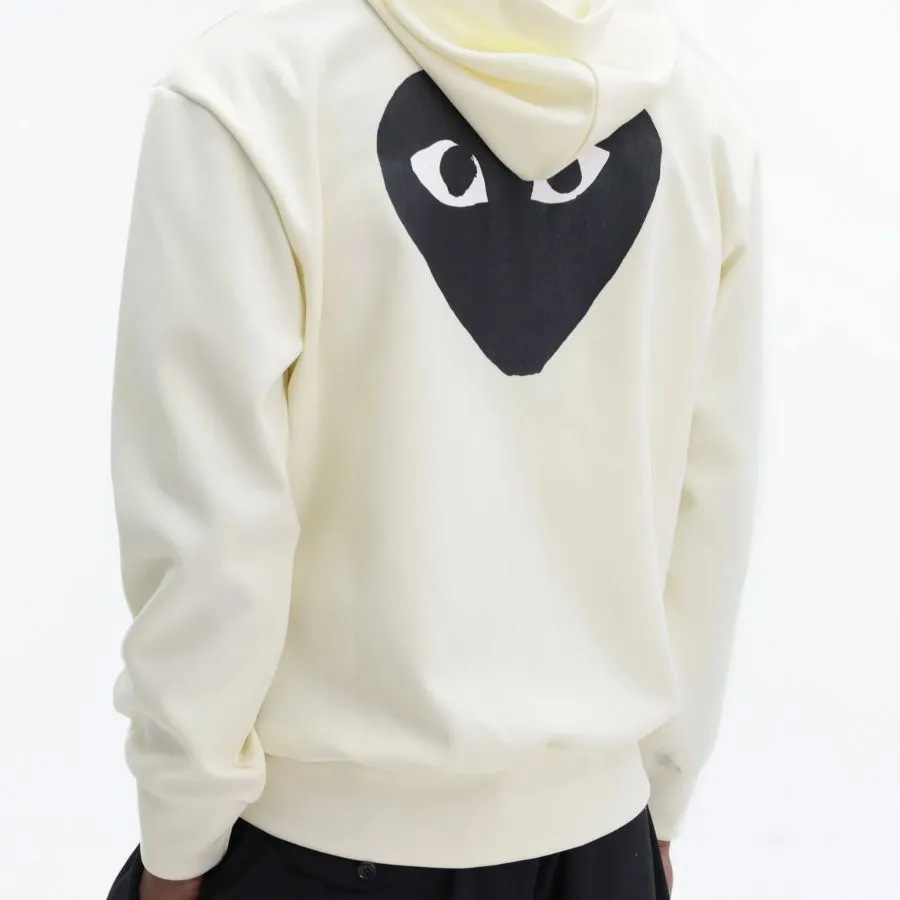
Streetwear has changed the way many people think about everyday clothing. What was once mainly associated with casual outfits has developed into a broad fashion culture that includes graphic T-shirts, hoodies, relaxed trousers, jackets, sneakers, and accessories.One reason streetwear remains popular is its flexibility. A person can create a simple outfit or build a more expressive look without following strict fashion rules. The right combination depends on comfort, personal taste, weather, and the occasion.Brands and styles such as Saint Mxxxxxx have also contributed to interest in graphic-focused streetwear. For people exploring this type of clothing, understanding how to choose, combine, and care for different pieces can be more useful than simply following trends.Start With Your Everyday WardrobeBefore buying new streetwear, look at the clothing you already wear.A wardrobe does not need to be completely replaced to create a different style. Basic jeans, plain trousers, neutral T-shirts, sneakers, and jackets can work as foundations for many streetwear outfits.This approach also makes shopping more practical. Instead of purchasing several pieces that only work together, you can select individual garments that match multiple items you already own.For example, a graphic hoodie can be worn with jeans one day and relaxed trousers another day. A printed T-shirt can work underneath a jacket or be worn on its own during warmer weather.Pay Attention to FitFit is one of the most important parts of streetwear.Some streetwear styles use oversized silhouettes, while others use regular or slightly relaxed fits. The right choice depends on what feels comfortable and how you want the outfit to look.An oversized hoodie can create a relaxed appearance. A regular-fit T-shirt may create a cleaner shape. Loose trousers can add to a casual silhouette, while straight-leg trousers can make the outfit look more structured.There is no universal fit that works for everyone. The important thing is understanding the proportions of your outfit.If the upper part of an outfit is very loose, a simpler or more structured lower half can help create balance. The opposite can also work.Choose Graphics That Match Your TasteGraphics often attract attention first, but choosing artwork should be based on personal preference rather than popularity alone.Some people prefer large designs that become the main focus of an outfit. Others prefer smaller graphics or subtle details.Before choosing a graphic garment, consider whether you genuinely like the artwork. Think about how it looks from a distance and up close.A design that matches your personal taste is more likely to remain useful even after a particular trend disappears.This is one reason saint michael clothing can be interesting to people who enjoy artwork-driven streetwear. Graphic elements can give everyday clothing a more distinctive appearance.Think About Color CombinationsColor coordination does not have to be complicated.A simple starting point is to combine one stronger color with neutral shades. Black, white, grey, beige, and denim can provide a flexible base for more noticeable garments.For example, a colorful graphic hoodie can be combined with dark trousers and simple sneakers. This lets the hoodie remain the main visual element.If your clothing already contains several colors, adding more bright accessories may make the outfit feel crowded. In that situation, simpler footwear or outerwear can create balance.Build Around One Main PieceOne of the easiest ways to create a streetwear outfit is to select a main garment first.This could be a graphic hoodie, printed T-shirt, jacket, or distinctive pair of trousers.Once the main item is selected, choose supporting pieces that do not compete with it.This method makes styling easier because you do not have to decide everything at once. It also reduces the chance of combining too many bold elements.For someone new to saint clothing, this can be a useful starting point. Choose one noticeable garment and build the rest of the outfit around it.Consider the WeatherStreetwear needs to work in real life, not just in photographs.Weather should influence your clothing choices. During colder months, hoodies, jackets, and heavier layers can provide warmth while adding visual depth.In warmer conditions, lightweight T-shirts and breathable trousers may be more practical.Layering can also help when temperatures change throughout the day. A T-shirt under an open jacket gives you the option to remove the outer layer when needed.Thinking about weather before choosing an outfit can make fashion both more comfortable and more functional.Learn the Difference Between Style and TrendA trend can become popular quickly, but personal style usually develops more slowly.Following every new trend can make a wardrobe feel inconsistent. Instead, pay attention to the elements you repeatedly enjoy.Maybe you prefer oversized hoodies. Perhaps you like vintage-inspired graphics. You might prefer neutral colors and minimal accessories.These preferences can become the foundation of your personal style.Saint Mxxxxxx and other graphic-focused streetwear styles can provide inspiration, but you do not need to copy a complete look. Take the elements you genuinely like and adapt them to your own wardrobe.Accessories Should Support the OutfitAccessories can change an outfit, but they do not always need to be noticeable.A simple cap, bag, watch, or pair of sunglasses can add another detail without becoming the center of attention.When the clothing already contains strong graphics, keeping accessories simple can help maintain balance.If the clothing is relatively plain, accessories can provide additional visual interest.The best approach depends on the overall outfit rather than following a fixed number of accessories.Choose Footwear CarefullyShoes can influence the appearance of an entire streetwear outfit.Sneakers are commonly used because they work naturally with casual clothing. However, different sneaker shapes can create different results.A clean, simple sneaker can make a graphic outfit look more understated. A larger or more noticeable sneaker can make the outfit feel more expressive.The important thing is to consider the complete silhouette. Shoes should work with the trousers and overall proportions instead of being selected separately.Check Construction and ComfortAppearance is only one part of choosing clothing.Pay attention to practical details such as stitching, seams, closures, fabric feel, and overall construction when product information is available.Comfort also matters. A garment that looks interesting but feels uncomfortable may not become part of your regular wardrobe.When shopping online, check the available size information and product measurements carefully. Comparing them with a garment you already own can make it easier to understand how a new item may fit.Avoid assuming that the same size will fit identically across every brand or garment.Take Care of Graphic ClothingProper care can help clothing remain wearable for longer.Always check the garment's care instructions before washing. Different materials and graphic treatments may require different handling.If the label recommends specific washing temperatures, drying methods, or ironing instructions, follow those directions.Graphic garments may also benefit from being washed with similar colors and handled according to the manufacturer's instructions.Good care is especially useful for pieces that you plan to wear regularly.Create Multiple Looks With One GarmentA useful wardrobe does not require dozens of different pieces.One graphic hoodie can potentially create several outfits. Try it with denim, relaxed trousers, or layered underneath a jacket.A graphic T-shirt can also be used in different seasons. Wear it alone during warm weather or underneath a jacket when temperatures drop.This approach makes clothing more versatile and can help reduce unnecessary purchases.Avoid Buying Only for the HypeSocial media can make certain garments appear everywhere at once.However, popularity does not automatically mean that an item is right for your wardrobe.Before purchasing a piece, ask yourself whether you like the design, whether the fit works for you, and whether you can create several outfits with it.This simple check can make fashion choices more thoughtful.The goal is not to own every popular item. The goal is to build a wardrobe that reflects your preferences and works for your daily life.Make Streetwear Your OwnStreetwear is most interesting when people interpret it differently.Two people can wear similar graphic clothing but create completely different outfits through their choice of trousers, shoes, layers, accessories, and colors.That freedom is an important part of the style.Instead of treating fashion rules as strict instructions, use them as starting points. Experiment with proportions and combinations, then keep the choices that feel natural to you.Final ThoughtsChoosing streetwear is about more than finding an eye-catching design. Fit, comfort, color, versatility, weather, and personal taste all affect whether a garment becomes useful in everyday life.Styles connected with saint michael clothing and saint clothing can offer inspiration for people who enjoy expressive graphics and relaxed fashion. The key is to adapt those ideas rather than feeling required to copy a specific look.Saint Mxxxxxx can be one reference point within the wider streetwear conversation, but personal style ultimately comes from how an individual combines clothing and makes it work for their own life.A thoughtful wardrobe does not need to be complicated. Start with pieces you enjoy, understand how they fit together, and choose clothing that you will actually feel comfortable wearing.FAQs1. How do I start building a streetwear wardrobe?Begin with versatile basics and gradually add graphic pieces that match your personal taste.2. What should I consider before buying graphic clothing?Consider the design, fit, comfort, color, care requirements, and how easily you can style the garment.3. Can one streetwear piece be used for different outfits?Yes, a versatile hoodie, T-shirt, or jacket can be combined with different trousers, shoes, and layers.4. Is oversized clothing necessary for streetwear?No, streetwear can include oversized, relaxed, regular, and other fits depending on personal preference.5. How can I make streetwear outfits look balanced?Use one main statement piece and combine it with simpler garments that complement its colors and proportions.

s
saint mxxxxxx
Sep 28, 2026 • 13 Reads

Essentials Tracksuit: The Complete UK Streetwear Style Guide

The Essentials Tracksuit has quietly become one of the most recognisable silhouettes on British streets. From the queue outside a Shoreditch coffee shop to the stands at Old Trafford, that distinctive boxy hoodie and tapered jogger combination has embedded itself into everyday UK style. It is not a gym kit. It is not loungewear. It sits somewhere in between, and that is precisely why it works.Why Is the Essentials Tracksuit Popular in the UK?Essentials Tracksuit and UK StreetwearThe rise of the Essentials Tracksuit in the UK mirrors a broader shift in how British people dress. Comfort is no longer a compromise. The oversized proportions, dropped shoulders, and neutral colour palette fit naturally into the UK’s casualwear landscape.British streetwear has always borrowed from sportswear, but the Essentials approach is different. It strips away loud branding and lets the fit do the talking. That restraint appeals to UK shoppers who want to look considered without appearing like they have tried too hard.Why It Works for Everyday WearA standard tracksuit can feel sloppy. An Essentials set does not. The heavyweight fleece holds its shape, the tapered leg stops the silhouette from looking shapeless, and the muted tones — black, grey, oatmeal, mauve — slot into existing wardrobes without friction.It helps that the UK weather demands layers. A tracksuit that can be worn alone in September and layered under a coat in January earns its place in the rotation.Essentials Clothing and Modern CasualwearEssentials Clothing as a broader concept has reshaped what casual dressing means in the UK. The collection’s consistency is its strength. Every piece shares the same proportion language, which means a hoodie from one season works with joggers from another. For UK shoppers building a practical wardrobe, that kind of coherence matters.How to Style an Essentials TracksuitEssentials Tracksuit with TrainersThe foundation of any Essentials Tracksuit outfit is footwear. In London, clean New Balance 550s or scuffed Dr Martens keep the look grounded. Manchester leans towards Adidas Samba or Gazelle. The rule is simple: avoid anything too technical or aggressively chunky. A minimal trainer lets the tracksuit remain the focus.For a cleaner finish, a white sneaker against black or grey fleece creates just enough contrast without breaking the relaxed mood.Essentials Tracksuit with an Essentials HoodieThe matching set is the easiest version to wear. A pullover Essentials Hoodie with the coordinating jogger delivers a complete outfit in one decision. Wearing the same colour on both halves looks intentional when the fabric weight and proportions align.If you want to break the matchy feel, swap the pullover for a zip-through style and leave it open over a plain tee. The layer adds depth without disrupting the clean lines.Layering for UK WeatherUK weather rarely cooperates. Layering is not optional.Mild days: Wear the tracksuit as is, with the hoodie unzipped or the crewneck exposed.Colder days: Add a longline coat over the top. A wool overcoat in camel or charcoal over an oatmeal set looks deliberately polished.Rain: A cotton or fleece tracksuit is not waterproof. A technical shell jacket over the hoodie keeps the outfit intact underneath and handles British drizzle.The key is to keep the base layer simple. Let the outer layer do the work when the weather turns.Accessories That Complete the LookA grey or navy beanie pulls a tracksuit together in colder months. A simple silver chain visible at the neckline adds a small detail that lifts the outfit without cluttering it. Keep accessories minimal — the tracksuit already provides visual weight.Essentials Tracksuit Outfits for Different OccasionsEveryday City OutfitFor running errands in Birmingham or Leeds, a black Essentials Tracksuit with white trainers and a crossbody bag works every time. It is practical, comfortable, and looks deliberate rather than thrown on.University and Student OutfitStudents in Liverpool and Glasgow have adopted the tracksuit as a campus staple. A grey set with a plain white tee underneath and a backpack is the uniform. It handles a 9am lecture and a library session without needing a change.Weekend and Travel OutfitAirport and train station outfits live or die by comfort. An Essentials Tracksuit in a neutral tone with slip-on trainers and a cap is the simplest way to look presentable while feeling like you are still in loungewear. The fabric does not crease badly, which matters on longer journeys.Relaxed Evening OutfitFor a casual pub evening or a low-key dinner, swap the trainers for clean leather boots or a minimal flat. An all-black Essentials set with a long coat over the top reads as elevated casual rather than gym wear.Modern UK Streetwear OutfitThe Manchester approach involves sizing up. Sleeves that cover the knuckles and joggers that puddle slightly over the trainer give a more exaggerated streetwear silhouette. Roll the waistband once to shorten the rise and let the legs stack properly.How to Choose the Right Essentials TracksuitFinding the Right FitEssentials Tracksuit sizing is not the same as a standard gym set. The shoulders sit dropped. The body has extra room through the chest. The sweatpants taper toward the ankle.True to size: Delivers the balanced streetwear fit the set was designed for.One size up: Gives a relaxed, slightly draped look through the shoulders and body.Two sizes up: Creates a full oversized aesthetic. This is a deliberate style choice, not a mistake.For most builds, wearing the same size on top and bottom works. Athletic builds may find the sweatpants need sizing up if the thighs feel restricted.Choosing ColoursBlack and grey are the safest starting points. They work with almost everything and hide the wear that comes with regular rotation. Oatmeal and mauve offer something softer for those who find all-black too stark. Consider what trainers and outerwear you already own before committing to a colour.Understanding Your Personal StyleIf your wardrobe leans fitted, a full oversized set may feel like too much of a departure. In that case, your regular size or one size up will integrate more easily. If you already wear relaxed denim and oversized hoodies, the full streetwear proportion will feel natural.Building a Versatile Essentials Clothing WardrobeThe smartest approach is to treat Essentials pieces as building blocks rather than a single outfit. A hoodie worn with denim. The joggers paired with a plain tee and overshirt. The matching set reserved for days when you want zero effort. That flexibility is what makes Essentials clothing UK shoppers reach for time and again.Essentials Tracksuit Styling for Different UK SeasonsAutumn and WinterThis is peak tracksuit season. The heavyweight fleece provides genuine warmth, and the relaxed fit accommodates a base layer underneath without looking bulky. Pair with a wool coat for city days or a puffer jacket for colder weekends. The neutral palette works naturally with the earthy tones that dominate British winter wardrobes.SpringTransitional weather means unpredictable temperatures. A tracksuit with a light jacket or an unzipped hoodie over a tee handles the fluctuations. Mornings that start cold and afternoons that warm up do not require a full change.Summer and Transitional WeatherFull fleece in July is a stretch, but British summers rarely deliver consistent heat. A tracksuit worn with the hoodie tied around the waist or the jacket unzipped works for cooler evenings and overcast days. The shorts version of Essentials clothing serves the warmer spells.Final Thoughts on the Essentials TracksuitThe Essentials Tracksuit earns its place in a UK wardrobe because it solves a real problem. It is comfortable enough for a long day, structured enough to look intentional, and versatile enough to work across occasions that would normally demand separate outfits. From London to Leeds, Glasgow to Birmingham, it has become a practical uniform for people who want to look put-together without overthinking it.Start with a colour that fits your existing trainers and outerwear. Get the fit right — true to size for a clean look, sized up for the full streetwear proportion. Then wear it your way.Explore different fits, try a colour you would not normally choose, and see how one set can unlock a dozen outfit combinations you had not considered.

A
Aftab Ahmad
Sep 28, 2026 • 18 Reads

Carsicko Streetwear: A Practical Guide to Tracksuits, Hoodies and UK Style

Carsicko has become a recognisable name within modern streetwear, especially among shoppers looking for relaxed silhouettes, bold graphics, and easy everyday outfits. The appeal of contemporary streetwear is not only about following trends. It is also about finding clothing that feels comfortable while still giving an outfit a clear identity.In the UK, streetwear often needs to work across different settings. A tracksuit might be worn for a casual day out, while a hoodie can become part of a layered autumn or winter outfit. This versatility makes pieces such as the Carsicko tracksuit and Carsicko hoodie useful additions to a casual wardrobe.However, buying streetwear online requires more than choosing a design you like. Fit, fabric, sizing, colour, construction, and seller information can all affect the experience. Understanding these details can help shoppers make more informed decisions.This guide looks at Carsicko from a practical fashion perspective. It covers styling ideas, fit considerations, seasonal outfits, and useful checks to make before buying.What Makes Carsicko Streetwear Stand Out?Modern streetwear often combines casual comfort with distinctive visual details. Carsicko follows this wider approach through pieces designed around relaxed everyday dressing.Instead of treating a garment as a formal fashion statement, streetwear usually focuses on how individual pieces work together. A hoodie can be paired with loose trousers, while a matching tracksuit can create a complete outfit without requiring much styling.Common characteristics to look for include:Relaxed or comfortable silhouettesStrong graphic detailsMatching top-and-bottom setsNeutral and versatile colour optionsCasual designs suited to everyday wearLayering-friendly piecesThe exact appearance and construction can vary between garments, so shoppers should always check individual product information rather than assuming every item has the same fit.Carsicko London and the UK Streetwear InfluenceLondon has played a major role in the development of British streetwear culture. The city's fashion scene brings together sportswear, music, youth culture, vintage clothing, and contemporary design.The phrase Carsicko London is therefore useful when discussing the brand within a wider UK fashion context. London-inspired streetwear tends to favour practical clothing that can move easily between different parts of daily life.A typical casual London-inspired outfit might combine:A graphic or plain hoodie.Relaxed-fit trousers or joggers.Clean trainers.A lightweight jacket during cooler weather.A simple accessory such as a cap or crossbody bag.The key is balance. If one item has a strong graphic or oversized shape, keeping the remaining pieces simple can create a cleaner overall appearance.How to Choose a Carsicko TracksuitA Carsicko tracksuit is one of the easiest ways to build a coordinated streetwear outfit. However, the right choice depends on more than colour.Consider the FitCheck the measurements provided for the chest, waist, leg length, and overall garment length. Do not rely solely on your usual size because streetwear cuts can differ between collections and manufacturers.Think about the intended appearance too. A relaxed fit creates a loose silhouette, while a closer fit gives a more streamlined look.Check the FabricLook for clear information about fabric composition and construction. Cotton blends, polyester, and fleece-backed materials can each provide different levels of warmth, weight, stretch, and breathability.For UK weather, consider when you expect to wear the tracksuit. A heavier fabric may be useful during colder months, while a lighter construction can work better during spring or indoor wear.Think About ColourBlack, grey, navy, and other neutral shades are usually easier to combine with existing wardrobe pieces. More noticeable colours can work well when the rest of the outfit remains understated.Styling a Carsicko Hoodie for Everyday WearA Carsicko hoodie can serve as the foundation of several casual outfits. The easiest approach is to build around its colour and shape.For a simple daytime outfit, try a hoodie with straight-leg or relaxed trousers and understated trainers. During colder months, add a bomber, puffer, or longer coat over the top.For a more relaxed streetwear look, consider:Oversized hoodieLoose-fit trousersLow-profile trainersMinimal accessoriesLayering also gives the hoodie more versatility. A plain T-shirt underneath can provide extra comfort, while a lightweight jacket adds structure to the outfit.The goal is not to wear every streetwear trend at once. Strong outfits usually have a clear balance between proportions, colours, and textures.How to Build a Carsicko Outfit for UK WeatherBritish weather can change quickly, which makes layering particularly useful.SpringChoose lighter hoodies, T-shirts, relaxed trousers, and lightweight jackets. Neutral colours make it easy to remove or add layers throughout the day.SummerA T-shirt or lightweight top can replace heavier layers. Shorts and breathable trainers can create a straightforward warm-weather combination.AutumnThis is where hoodies become especially useful. Layer one underneath a jacket and pair it with heavier trousers and trainers.WinterFor colder conditions, combine a hoodie or tracksuit with a substantial outer layer. A coat, puffer jacket, or insulated jacket can provide additional warmth.Regardless of season, comfort should remain part of the decision. An outfit that looks good but restricts movement is unlikely to become a reliable everyday choice.Buying Carsicko Online: What Should You Check?Online fashion shopping is convenient, but product pages should be examined carefully.Before placing an order, check:Size chart and garment measurementsFabric compositionProduct photographsAvailable colours and sizesShipping informationReturns and refund termsContact informationSeller or retailer detailsIf you are specifically searching for the Carsicko official website, make sure you are looking at the correct domain and not a similarly named third-party store.A useful approach is to compare the information shown on the product page with the retailer's wider policies. Clear product information and transparent customer-service details can make online shopping more straightforward.For shoppers who want to research products directly, the Carsicko official website can be a useful starting point.Carsicko Sizing and Fit: Avoid Common MistakesSizing is one of the most important parts of buying streetwear online.An item described as oversized may be intentionally wider through the body and sleeves. Buying a larger size simply because you want an oversized appearance can therefore produce a much looser fit than expected.Instead, compare the supplied measurements with a garment you already own.A simple method is:Choose a hoodie or tracksuit that fits you well.Measure its main dimensions.Compare those measurements with the online size chart.Consider whether the new item is described as regular, relaxed, or oversized.Check the retailer's exchange policy before ordering.This approach is usually more reliable than choosing a size based only on height or general clothing size.How to Wear Streetwear Without Overdoing ItGood streetwear styling does not require a wardrobe full of statement pieces.One noticeable item can be enough. If you are wearing a graphic hoodie, for example, pair it with simpler trousers and trainers. If the tracksuit already has a strong design, avoid adding several competing patterns.Simple styling rulesBalance proportions: Pair oversized tops with suitable trousers rather than making every item extremely loose.Control colours: Two or three main colours can create a more cohesive outfit.Choose practical footwear: Trainers that complement the outfit can make the overall look feel more intentional.Use layers carefully: Outerwear should add structure rather than hide the main piece completely.Streetwear is ultimately personal. The best approach is to adapt ideas to your own wardrobe rather than copying a complete outfit exactly.Caring for Your StreetwearGood clothing care can help garments maintain their appearance over time.Always follow the care label because washing instructions vary between fabrics and finishes. As a general principle, avoid unnecessarily harsh washing conditions when the garment does not require them.For hoodies and tracksuits, useful habits can include:Following the recommended washing temperature.Turning graphic garments inside out when appropriate.Avoiding excessive heat if the care label advises against it.Allowing garments to dry properly.Storing heavier pieces without placing excessive weight on delicate areas.Care is particularly important for printed or graphic garments because repeated high heat and unsuitable washing methods can affect their appearance.Building a Versatile Carsicko-Inspired WardrobeYou do not need dozens of streetwear pieces to create different outfits.Start with a few adaptable essentials:One versatile hoodie.A matching tracksuit or coordinated set.Neutral trousers or joggers.Two or three simple T-shirts.A reliable pair of trainers.One suitable jacket for changing weather.From there, colours and accessories can create variety.This approach also makes shopping more practical. Instead of buying every new design, consider whether a piece works with clothing you already own.ConclusionCarsicko sits within a wider streetwear culture that values comfort, relaxed silhouettes, graphic design, and easy everyday styling. For UK shoppers, pieces such as a tracksuit or hoodie can work across several seasons when they are selected with fit, fabric, and layering in mind.The most useful part of buying streetwear is understanding what you are actually purchasing. Check measurements rather than relying only on standard sizes. Read fabric information. Review returns and delivery policies. When shopping online, also confirm that the retailer provides clear and trustworthy product information.Styling does not need to be complicated either. A strong hoodie, comfortable trousers, suitable trainers, and a practical outer layer can create several outfits without filling your wardrobe with unnecessary pieces.Whether you are exploring Carsicko for the first time or already wear contemporary streetwear, the focus should remain on clothing that fits your personal style and works in real everyday situations. That balance between individuality, comfort, and practicality is what makes streetwear such a lasting part of modern UK fashion.FAQs1. What is Carsicko?Carsicko is a streetwear-focused fashion name associated with casual clothing such as hoodies, tracksuits, and other everyday pieces.2. What is a Carsicko tracksuit?A Carsicko tracksuit is a coordinated streetwear set, generally consisting of a matching top and trousers or joggers.3. How should a Carsicko hoodie fit?The ideal fit depends on the specific design. Check the product measurements and whether the item is described as regular, relaxed, or oversized.4. Is Carsicko suitable for UK streetwear outfits?Its casual styling can work well within UK streetwear wardrobes, particularly when combined with trainers, relaxed trousers, and suitable outerwear.5. How can I style a Carsicko tracksuit?Wear it as a complete set with simple trainers, or use the jacket and trousers separately with neutral wardrobe basics.6. What should I check before buying Carsicko online?Check sizing, measurements, fabric details, product images, shipping information, returns, and retailer contact details.7. Can I wear a Carsicko hoodie in winter?Yes. A hoodie can work as a winter mid-layer underneath a coat, puffer, or other suitable outerwear.8. How can I make streetwear look more polished?Keep the outfit balanced. Combine one noticeable piece with simpler clothing, coordinated colours, clean footwear, and controlled layering.

C
Carsicko London
Sep 27, 2026 • 19 Reads

Gear Bundles and Kits: When a Combo Deal Is Actually Cheaper

Bundles are the most misread listings in the EDC market. A knife sold with a pouch, a sharpener, a bit driver, and a cleaning cloth looks like obvious value next to the same blade sold alone. Sometimes it is. Often the bundle price is a rounding exercise that hides a soft item you would never have bought. The only reliable way to judge a kit is to price its parts, and that takes five minutes of arithmetic most buyers skip. Price the parts you would actually buy List each item in the bundle and assign it the price you would realistically pay for a decent version of that item. Not the manufacturer's suggested retail, and not the cheapest no-name listing either. A folding knife bundle containing a pouch, a diamond rod sharpener, and a Torx driver looks different once you check street prices. Pouches routinely sell for six to twelve dollars, a functional diamond rod for eight to fifteen, and a small bit driver for five to ten. If the bundle carries a thirty-five dollar premium over the bare knife, you are paying roughly full retail for accessories you may already own. The opposite case exists as well. A cordless driver, a bit set, and a bit holder sold together often undercuts buying the driver alone plus bits separately, because the manufacturer wants the ecosystem sale. That kind of bundle can be genuinely cheaper, and the same logic applies to flashlight and power bank combos where cells and cables are the difference. Watch for value-priced filler The tell-tale sign of a padded bundle is one item that carries most of the supposed value and does almost nothing. Common fillers include a fabric pouch too small for the knife, an unbranded lanyard with a plastic bead, a sticker sheet, a single-use cleaning wipe, and a "gift box" that inflates the package weight and nothing else. Sharpening stones in bundles deserve special suspicion. A tiny dual-grit pocket stone is fine for field touch-ups, but the included angle guide is often non-functional, and a poor guide teaches bad habits. If the knife has a thin, high-hardness edge, a cheap bundled stone can do real damage. Check what the bundle changes about the knife A bundle can also change the product itself, and not always for the better. Some kits ship a special edition with different scales or blade coating. That can be a genuine upgrade, since the coating or handle material may be the only difference between two otherwise identical knives. Confirm the steel, blade length, and lock type are unchanged, because packaging revisions occasionally coincide with spec revisions. Others include a sheath or pouch that replaces the clip, which changes how the knife carries. If you rely on a deep-carry pocket clip, a bundle that ships the knife with a leather sheath instead of the standard clip may be worse for daily use. Check the warranty wording too. Bundled accessories are frequently excluded from the main warranty, so a broken sharpener becomes a disposable item even though the knife it came with is covered for life. Timing makes the bundle Bundle value moves with the calendar far more than single-item pricing does. Kits are the standard vehicle for holiday promotions and end-of-model clearance, because a manufacturer can discount an entire kit without publicly dropping the knife's listed price and annoying every dealer holding stock. That creates a predictable pattern worth watching: when a knife is about to be superseded, the bundle version usually gets cut first and deepest. If you have been waiting for a specific model, watching kit pricing is often a faster signal than watching the bare knife. A short checklist before you buy the kit Write down the bare-knife street price. Add up the accessories at realistic street prices. Subtract anything you already own and would not replace. Compare the remainder with the bundle premium. If the answer is within a few dollars and the accessories are ones you would use, buy the kit and skip the separate shopping. If the accessories are filler or duplicates, buy the knife alone and spend the difference on something that actually earns its place in your pocket. Either way, the decision should rest on the parts, not the photography. Bundles are assembled to photograph well; your pocket only cares about what fits. Comparing kit pricing against single-item pricing is much easier when the specs are side by side, and the product listings at edcdeal.com show both the bundle and the bare version for most models, which is enough to run this arithmetic in one pass instead of five tabs. Discounted kits are one of the few places where a careful buyer keeps a real edge. Just make sure the discount is measured in money you would have spent anyway.

E
Ed C Guide
Sep 26, 2026 • 23 Reads

Bezel Engagement Rings for a Clean, Contemporary Look

A well-chosen ring setting can change the entire appearance of an engagement ring. Bezel engagement rings are known for their smooth outline, secure stone placement, and neat profile. Instead of using individual prongs to hold the center stone, a bezel setting wraps a slim rim of metal around the stone. This creates a defined border while giving the ring a clean appearance that works well with many diamond shapes.For shoppers who want something practical without giving up style, bezel settings offer an appealing option. They can suit traditional round diamonds, elongated shapes, and even lab-grown stones. Their simple structure also makes them a useful choice for people who wear their rings every day and prefer a setting that does not feel overly delicate.What Makes a Bezel Setting Different?A bezel setting holds the diamond or gemstone inside a metal frame that follows the outer edge of the stone. Depending on the design, the metal may surround the entire stone or cover only part of its perimeter.This structure sets bezel rings apart from prong settings. A prong ring uses small metal claws positioned around the stone, while a bezel creates a continuous border. The result is a smooth surface with fewer raised details.The shape of the bezel is usually designed to follow the diamond closely. For a round center stone, the metal frame may appear circular. For a pear-shaped or oval stone, the border follows the longer outline of the diamond.This close-fitting design can also give the ring a distinct visual character. Rather than making the setting the main focus, it lets the shape of the center stone and the metalwork work together.Why People Choose Bezel Set Engagement RingsThere are several practical reasons buyers consider bezel set engagement rings. One of the biggest advantages is the protected edge around the center stone. The surrounding metal can help reduce direct contact between the diamond and nearby objects during daily wear.The smooth edges are another benefit. Since there are fewer exposed prongs, the ring may be less likely to catch on clothing, knit fabrics, or hair. This can be especially useful for people who work with their hands or prefer jewelry that feels easy to wear throughout the day.Bezel settings also have a strong visual identity. They can look neat and structured without relying on complicated details. A simple bezel around a single stone can create a polished appearance, while a wider band or additional side stones can add more detail.For buyers who want a ring that feels different from the usual prong style, the bezel offers a clear point of difference.The Appeal of a Bezel Diamond Engagement RingA bezel diamond engagement ring can work with many diamond cuts, but the final look depends on how the metal frame interacts with the stone.Round diamonds are a natural match for a full bezel because their curved outline creates a balanced border. Oval diamonds can appear slightly longer and more streamlined when paired with a narrow bezel. Emerald-cut and radiant-cut stones can also work beautifully when the setting follows their straight edges and defined corners.The metal choice matters as well. White gold gives the ring a bright, consistent appearance around a colorless diamond. Yellow gold creates stronger contrast and can make the center stone stand out against the warm metal. Two-tone combinations can also be used when the designer wants to bring together different metal colors.The width of the bezel should be considered carefully. A very narrow frame can keep the attention on the diamond, while a broader rim creates a stronger outline and may become a more visible part of the design.Exploring Unique Bezel Engagement RingsNot every bezel ring needs to have the same simple shape. There are many ways to create unique bezel engagement rings while keeping the practical qualities of the setting.One option is an east-west arrangement, where an elongated diamond is positioned horizontally across the finger rather than vertically. This layout can give an oval, emerald, or marquise diamond a completely different appearance.Another option is combining the bezel center with a detailed band. Small diamonds can be placed along the shoulders or lower part of the shank without changing the protected center setting.A designer may also use a sculpted bezel with open sections underneath the stone. This allows more light into the setting while maintaining the metal frame around the stone.For shoppers who want a personal touch, details such as mixed metals, engraved interiors, unusual band shapes, or custom proportions can make the finished ring feel more individual.Bezel Solitaire Engagement Ring: Simple by DesignThe bezel solitaire engagement ring is one of the easiest ways to understand the appeal of this setting. It places one main stone at the center and allows the bezel to create the defining feature of the ring.Because there are no side stones competing for attention, the shape and size of the center diamond become especially important. A round diamond gives the ring a traditional outline, while an oval, pear, or marquise center can introduce a longer profile.A solitaire bezel can also pair well with different band widths. A narrow band keeps the ring light and understated, while a slightly wider band creates a stronger visual presence.This style may appeal to couples who value straightforward jewelry design. It can also be easier to coordinate with a wedding band because the overall structure does not depend on multiple surrounding stones.Choosing a Lab Grown Bezel Engagement RingA lab grown bezel engagement ring combines the characteristics of a bezel setting with a lab-grown diamond. Lab-grown diamonds have the same crystal structure and chemical composition as diamonds formed naturally underground, while their origin is different.The choice of setting remains important regardless of how the diamond was produced. A bezel frame can help protect the stone's outer edge, making it a practical option for regular wear.Lab-grown diamonds are available in many shapes, sizes, and grades, so buyers should still compare the stone's cut, color, clarity, and carat weight before making a purchase.It is also worth checking the certification and reviewing the ring's metal, band width, and setting dimensions. These details can affect both appearance and long-term comfort.How to Shop Bezel Engagement RingsWhen you shop bezel engagement rings, it helps to look beyond the center diamond. The setting itself has several details that can affect how the ring looks and feels.Start with the diamond shape. Decide whether you prefer a round outline, elongated oval, sharp emerald-cut lines, or another shape. Then consider how much of the stone should be surrounded by metal.Next, look at the band. A plain polished band creates a simple appearance, while a textured or diamond-set band adds more visual detail. Think about your existing jewelry as well, especially if you plan to wear the engagement ring next to a wedding band.Comfort should also be part of the decision. Check the height of the center stone and the shape of the underside. A lower-profile bezel may sit closer to the finger and can work well for people who prefer less height.Finally, choose a metal that matches your preferences and daily routine. White gold, yellow gold, rose gold, and platinum can each change the character of the same bezel design.Matching a Bezel Ring With Your Wedding BandOne concern some shoppers have is finding a wedding band that sits comfortably beside the engagement ring. With bezel settings, the answer depends on the shape and height of the ring.A straight wedding band may pair neatly with a low-profile bezel. If the center stone extends farther over the finger, a contoured or curved band may create a closer fit.It can help to view the engagement ring and wedding band as one complete combination rather than choosing them separately. The thickness of each band, the height of the center setting, and the metal color all contribute to the finished look.For those who prefer a matching set, choosing both pieces from the same collection can make coordination easier.Caring for Your Bezel Engagement RingAlthough bezel settings can provide added protection around the stone, regular care is still important. Dirt and lotion can collect around the edge of the metal frame, particularly on the underside.Clean the ring according to the care recommendations for its metal and diamond. A soft brush and suitable jewelry-cleaning solution can help remove buildup from areas that are difficult to reach.It is also sensible to inspect the setting from time to time. Look for changes in the metal, signs of damage, or anything that feels loose or unusual. Professional inspection can be useful if the ring receives frequent wear.Avoid exposing the ring to activities that could place unnecessary pressure on the metal. Removing it during heavy work, sports, or tasks involving harsh chemicals can help preserve its finish.Finding a Bezel Style That Fits Your Personal TasteThe biggest advantage of bezel rings is their flexibility. They can feel simple, bold, understated, or highly detailed depending on the stone, metal, band, and proportions.A round bezel solitaire may suit someone who prefers a classic shape with a clean structure. An east-west oval bezel can create a more unexpected look. A bezel with a diamond-set band can add extra detail without changing the protected center setting.When exploring collections from jewelry brands such as Antiquecut, compare the full range of shapes, metals, band styles, and customization choices before making a decision. The right ring should not only look appealing in photographs but also feel comfortable for everyday wear.Final ThoughtsBezel settings offer a practical way to create an engagement ring with a smooth profile and clearly defined center stone. From bezel set engagement rings to solitaire designs and lab-grown options, there are many variations to consider.The best choice comes down to the details that matter most to you: diamond shape, metal color, band style, setting height, comfort, and how the ring will fit with your wedding band.With the right combination of these elements, a bezel ring can become a distinctive piece of jewelry that feels personal from the moment you put it on.

A
Antique cut
Sep 25, 2026 • 22 Reads

Sharpening an Artisan Folder: Angles, Stones, and What the Factory Edge Actually Is

The first time you sharpen a handmade or premium-production folder, two things happen. You discover that the factory edge is not the flat, even bevel you assumed, and you discover how quickly a coarse stone removes material you cannot put back. Both lessons cost money if you learn them on the knife. Sharpening an artisan folder is not harder than sharpening a cheap one. It is just less forgiving, because the geometry is deliberate and the steel is often harder. Start by finding the real angle Factory edges are sharpened freehand or on a belt, and the resulting angles vary from side to side. On a precise knife you may find 17 degrees on one side and 22 on the other. If you sharpen at your own target angle immediately, you will remove a wedge of steel on the shallow side before you ever touch the apex. The reliable approach is to mark the bevel with a permanent marker, then make a few passes at your chosen angle and look at where the ink came off. If the ink survives near the apex, your angle is too shallow. If it disappears behind the bevel, you are too steep. This takes two minutes and saves a knife. When to reset geometry and when not to A factory uneven bevel does not affect cutting much. It affects your ability to sharpen consistently. So the decision is: either match the existing angle and live with the asymmetry, or reprofile both sides to a single angle once and never think about it again. Reprofiling is worth it on a knife you plan to use hard and sharpen often. On a knife with a thin, high-performance grind, reprofiling to a lower angle can make the edge fragile for the work you do. If the knife will see cardboard and zip ties, 20 degrees per side is a sane target. If it is a light-use slicer, 15 to 17 per side with a micro-bevel will cut dramatically better. Stone progression that does not waste steel The temptation with premium steel is to start fine. Do the opposite. Start with the coarsest stone that will remove your marker ink in a reasonable number of passes, and move up only when the previous scratch pattern is replaced across the whole bevel. A workable progression for modern particle-metallurgy steels: • 320 to 400 grit to set the apex and fix geometry • 600 to 1000 grit to refine the scratch pattern • 1500 to 3000 grit only if you want polish, remembering that a high polish reduces toothiness and therefore slicing aggression Then finish with a few very light passes at a slightly higher angle to create a micro-bevel. This is the single biggest durability upgrade available: it protects a thin edge without changing the knife's cutting geometry. The apex is the whole point Everything before this step exists to make the final step fast. Sharpness comes from two bevels meeting at a clean, burr-free apex. If you stop while a burr is still attached, the knife will feel sharp on a thumbnail and dull within a handful of cuts. Check for the burr by feel along the full length of the edge, on the side opposite the stone you just used. Remove it with alternating light passes, decreasing pressure each time. A few stropping passes on leather or denim finishes the job. Care habits that extend the interval Stropping every week or two delays the next real sharpening by months, because it removes the weakened metal at the apex without cutting a new bevel. A touch-up at the same angle with a fine stone takes a minute. Also respect the pivot. Disassemble only when you have to, use the right driver for the hardware, and do not overtighten — a pinched pivot on a thin washer can affect centring permanently. When you do maintain the knife, work on a tray, since pivot washers and detent balls are the parts that vanish into carpet. Done this way, a good folder's edge should get better after the first proper sharpening, not worse. If you want to read more about how specific models are built before you touch a stone to one, the write-ups at Artisan Cutlery's site detail the blade steel, grind, and lock design per model, which is exactly the information you need to choose an angle.

E
Ed C Guide
Sep 23, 2026 • 23 Reads

Turning Personal Interest into a Skill for Others

Many people discover breathwork through their own search for balance, clarity, or a more grounded daily life. Some later realise that they want to help others experience the same kind of guided practice. The 9D Breathwork Facilitator Program offers a structured way to make that interest more practical.The program prepares participants to lead 9D Breathwork sessions and gives them the resources needed to begin working with others. It combines education in the technique with guidance on session delivery, professional preparation, communication, marketing, and business development.Who We AreThe program is centred on a simple idea: a facilitator needs more than knowledge of the method. A strong session also depends on preparation, clear instructions, appropriate materials, thoughtful communication, and the ability to guide participants through the full experience.For that reason, the course takes a complete approach. It supports both the learning of the technique and the development of the practical skills that make facilitation possible.The program welcomes wellness professionals who want to expand their work. It also welcomes beginners who are interested in breathwork and want to begin without previous experience. The learning path is designed to meet people at different stages while giving them a common foundation.What the Program OffersThe course includes the main resources and areas of knowledge a new facilitator may need.Participants receive:Education in the principles and use of 9D BreathworkTraining in how to conduct guided sessionsGuidance on session preparation and participant communicationReady-to-use audio materialsScripts that support a clear and consistent session structureA facilitator’s kit for practical workSupport throughout the training processGuidance on explaining the service to potential participantsMarketing support and ideas for building visibilityDirection on creating and developing a personal breathwork businessThese elements help participants move beyond theory. They can learn the method, understand the role of a facilitator, and begin considering how the training may fit into their professional plans.When It’s UsefulThis program can be a strong choice for someone who:Wants to facilitate sessions for individuals or groupsIs searching for a new way to work in the wellness fieldAlready supports people through coaching, movement, meditation, or personal developmentWants to add breathwork to an established practiceNeeds a structured learning process rather than scattered informationWants audio materials and scripts prepared for practical useIs interested in building a business based on guided breathworkWants support with the business and marketing side of the workIs a beginner and does not have prior breathwork experienceWants to develop a skill that can grow with continued practiceWhy Choose This ProgramThe program is designed to support the full journey from learning to application. It does not leave participants to work out the practical details alone. The course includes materials, guidance, support, and business-focused information that can help make the transition into facilitation clearer.Its value also comes from its broad accessibility. A professional can use the program to expand an existing offer, while a beginner can use it as a starting point for a new direction. Both can benefit from a clear framework and resources that help them prepare for real sessions.The approach is practical without losing the human side of the work. Each session is created for people, and effective facilitation requires attention, presence, and respect.Learn More About Becoming a FacilitatorThe full program is available for those who want to explore the training, resources, and opportunities in more detail. https://9dbreathwork.com/become-facilitator/

g
goxex
Sep 23, 2026 • 21 Reads

Put on Your Headphones and Give Yourself Time to Breathe

IntroductionThere are moments when stepping away from everyday activity is not about doing more, but about creating enough space to slow down. The 9D experience is built around that simple idea. Participants put on headphones, get comfortable, and follow a guided breathing session accompanied by an immersive, multi-layered soundscape.The result is a structured experience that can be explored from home without complicated preparation.Who We AreThe platform combines guided breathwork, immersive audio, and accessible digital tools. Its approach is designed to help people engage with breathing exercises in a clear and structured way while giving the experience an atmospheric audio dimension.It also recognizes that people prefer different ways of learning and practicing. Some may want to begin independently, others may prefer a short challenge, and some may value direct guidance from an experienced facilitator.What We OfferThe free 90-minute master class provides a substantial introduction to the experience. Rather than asking users to make an immediate commitment, it allows them to try the format and understand how guided breathing and sound work together.The free 5-day challenge gives participants an opportunity to return to the practice on consecutive days. For those who want more flexibility, the mobile app makes sessions easier to incorporate into everyday routines.The platform also includes a search for in-person facilitators. This gives users the option to move beyond digital sessions and explore guided experiences with a practitioner in person.During each digital session, headphones deliver layered audio while breathing instructions guide the participant through the exercise. The user can lie down or simply find a comfortable position and focus on the session.When It’s UsefulThe experience can be a practical option for those who want to:Explore breathwork from home.Try a free 90-minute introduction.Follow a short 5-day breathing challenge.Build a regular guided practice with a mobile app.Replace passive screen time with an audio-led activity.Create a quiet personal ritual during a busy schedule.Find a facilitator for an in-person session.The format is particularly relevant to people curious about audio-guided breathwork and looking for something more immersive than a standard instructional recording.Why Choose This ExperienceThe platform combines accessibility with variety. Users can begin for free, choose between different formats, and decide whether digital or in-person sessions suit them better.The sound component also gives the practice a distinct structure. Instead of relying only on spoken instructions, the sessions use multiple layers of audio to accompany the breathing process and maintain a focused atmosphere.Explore the 9D ExperienceThose ready to try something new can begin with the free master class or explore the 5-day challenge. The app and facilitator search offer additional options for anyone who wants to continue beyond the first session.https://9dbreathwork.com/experience-9d-online/

g
gocitet697