Everest Trek Photography Guide: Best Himalayan Viewpoints
By Rahul Sheikh
161 Views
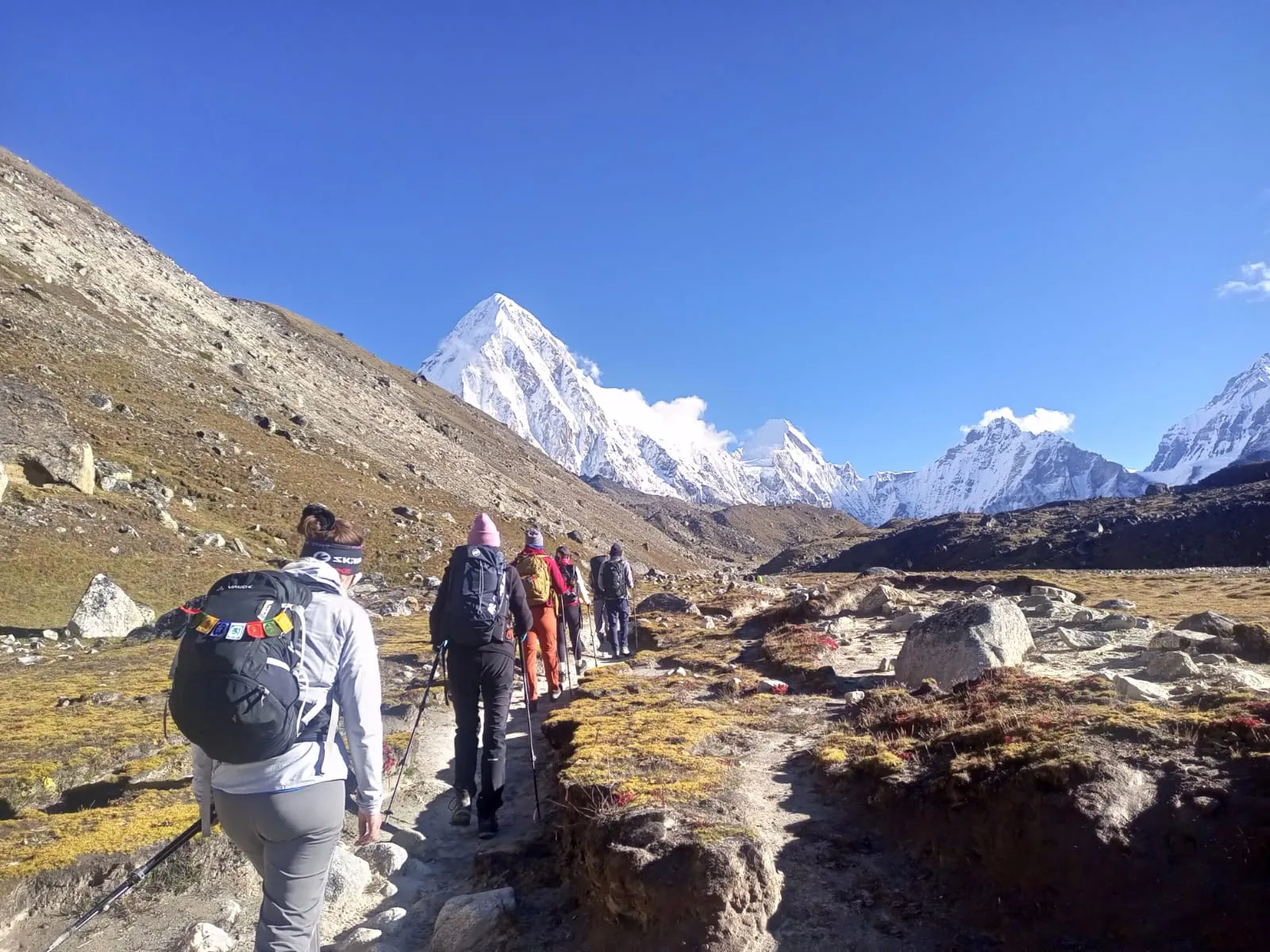
Mountains rise fast here, trails twist past villages strung with prayer flags. Lukla’s airstrip drops travelers into thin air, boots hit dirt beneath shadowed cliffs. Sunlight shifts by the minute, fog curls between ridges without warning. Cameras wait for dawn on rocky ledges near Namche, cold fingers fumbling with lenses. Buddhist shrines sit quietly at crossroads, smoke drifting from butter lamps inside. Footsteps echo across wooden bridges stretched above roaring streams. Peaks vanish then reappear, clouds tearing sideways in sudden wind gusts. Photographers learn silence more than settings, presence over perfection. Shadows stretch long before sunset behind Ama Dablam’s curved ridge. No two days look alike, light bending differently through icy haze each morning. Patience matters most when summit views hide for hours behind gray veils. Temples cling to hillsides, their walls cracked but bright with faded paint. Every turn offers something unscripted - a yak caravan, frozen waterfall, lone climber. The weather decides what you see, not maps or schedules pinned to backpacks. Breath slows at high camps, thoughts narrow to step, sky, stillness.
Lukla and Phakding Gateway Landscapes River Valley Shots
Right after touching down at Lukla, often called one of Earth's wildest runways, your camera starts working. People hunting online for moments like “Lukla photography spots” or “first day Everest trek photos” spot raw scenes - airfield bustle, snowy summits looming close, quiet village rhythms just forming. Heading downhill to Phakding, the river named Dudh Koshi pulls the eye through rocky flows and hanging bridges strung with colorful prayers. Along tree-lined paths, fluttering flags add motion while dawn spreads gentle tones across stone and water. That hushed morning glow shapes sweeping views plus intimate frames telling how an Everest walk truly opens.
Namche Bazaar, a key photo spot in Khumbu
Unlike many remote stops, it doesn’t feel staged; moments happen without posing, giving the photos authenticity. From ridge paths down into the valley, the layout traps light in ways few places along the route can match. Though crowded during peak seasons, narrow alleys offer intimate frames - a monk walking past prayer flags, porters loading gear. Even foggy mornings add mood, softening edges while voices echo through mist between stone buildings. Where else do towering peaks meet kitchen smoke rising from family homes? Few spots blend both so naturally.
Tengboche Monastery Where Spirit Meets Mountain Light
From Namche Bazaar, the path toward Tengboche reveals a scene repeated in countless photos across the Everest area. Instead of just snapping random shots, people typing things like “Tengboche monastery photography” usually aim for that classic view - temple in front, mountains behind. Fog drifting between ridges adds depth, turning ordinary angles into something quieter, more mysterious - the kind only found here in Khumbu.
Dingboche and high-altitude landscapes: Minimalist mountain photography
High up near Dingboche, the ground opens out, bare and raw, ideal for photos stripped down to essentials. When people search “Everest Base Camp high altitude photos” or “Dingboche photography views,” what stands out is how plants vanish, leaving only towering rock walls. Wide shots work well here, showing walkers tiny in front of vast Himalayan faces.
Lobuche and memorial trails: Emotional storytelling photography
Close to Lobuche, the mood shifts in photographs taken along the Everest trail. Those looking up terms like “Everest memorial photos” or “Khumbu glacier photography” often find themselves facing stone markers honoring climbers who never returned from these peaks. When framed with care, such places speak volumes without words. Rough terrain takes over - scattered rock piles, frozen ground, jagged ice formations shape what you see. Images made here lean into rawness rather than prettiness, hinting at vastness, silence, and struggle found on the approach to Everest Base Camp.
Gorak Shep and Everest Base Camp High Altitude Landscapes
That last part of the walk, going from Gorak Shep up to Everest Base Camp, ends the photo trip on a strong note. People looking for “Everest Base Camp photography tips” or asking about “best shots at EBC” usually want pictures of icy rivers, climbers’ tents when it's peak season, and sharp-edged frozen terrain. Even though you cannot see the actual top of Everest standing right at base camp, the nearby Khumbu Icefall, along with massive mountain walls, builds an overwhelming scene perfect for broad landscape frames. Sunlight just after dawn or before dusk brings out roughness in both stone and frost, turning this into one of the rawest visual experiences across the whole Himalayan range.
Kala Patthar Offers Clear Views of Everest for Photographers
Photographers often spread their frames wide to include Nuptse and Pumori alongside Everest. Though reached only after long days walking, many feel the climb earns them something rare. Sunrise draws crowds not because it’s trendy but due to how the angles shift just right then. This spot doesn’t shout for attention - light does the talking once the sun climbs.
Photography gear tips for the Everest trek
Most people overlook how much planning shapes great photos on Everest treks. When someone types “best camera for Everest trek,” they’re really asking about endurance, not just specs. Long walks from Lukla to base camp mean every ounce counts - weight matters more than most admit. Gear choices shift once altitude and trail conditions enter the picture. Frost slows battery power, making it smart to pack extra ones. When dawn breaks, or stars fill the sky above places such as Namche Bazaar, a tripod turns into something steady and reliable.
Capturing the Soul of the Everest Region
Photography while trekking Everest isn’t only about peaks - it’s recording movement across an intense, shifting world. Moving up from Phakding’s riverside trails toward Base Camp’s famous outlook, then climbing higher to Kala Patthar’s sweeping edges, each stretch frames its own tale. Those typing queries like “Everest photography guide Nepal” or “best Himalayan photo locations” soon learn rhythm matters - when to wait, how to adapt, staying alert high up counts. Done well, this part of Nepal shifts beyond trail markers into something fluid: changing light, human presence, immense stillness shaped by rock and sky.