How Workplace Compliance Is Evolving in Modern Organisations
By Lexlevel Services
216 Views
Introduction
Workplace compliance has moved far beyond routine legal obligations. In modern organisations, it represents a comprehensive framework designed to ensure ethical conduct, employee safety, and operational transparency. As business environments become more complex, compliance requirements are also expanding in scope and depth.
Organisations today must address a wide range of legal and ethical considerations. These include employee protection, workplace behaviour, data privacy, and organisational accountability. Compliance is no longer reactive. It is a proactive function which shapes workplace culture and supports sustainable growth.
The Changing Nature of Workplace Compliance
Traditional compliance focused primarily on meeting statutory requirements. Organisations aimed to avoid penalties by adhering to basic legal standards. This approach has shifted significantly.
Modern compliance emphasises prevention, awareness, and continuous improvement. Companies are expected to identify risks early and implement measures to mitigate them. This shift reflects a broader understanding of compliance as a strategic function rather than a regulatory burden.
Expanding Legal Frameworks
Workplace laws continue to evolve in response to changing social and economic conditions. Regulations now address issues such as employee wellbeing, workplace harassment, and fair employment practices.
Organisations must stay updated with these developments. Legal frameworks require regular review and adaptation of internal policies. Failure to comply can result in serious consequences, including legal penalties and reputational damage.
Many organisations engage a Posh independent consultant to ensure compliance with workplace harassment laws and related obligations. Expert guidance helps interpret legal provisions and implement effective measures.
Integration of Compliance with Organisational Culture
Compliance is increasingly integrated into organisational culture. It is no longer limited to policies or documentation. Employees are expected to understand and follow compliance standards in their daily activities.
Leaders play a crucial role in promoting compliance. Their actions set expectations for behaviour across the organisation. A culture of integrity and accountability strengthens compliance efforts and reduces risks.
The Role of Training and Awareness
Training has become a central component of compliance strategies. Employees must be aware of legal requirements and organisational policies. Awareness programmes ensure individuals understand their responsibilities.
Organisations invest in regular training sessions to reinforce compliance standards. These sessions cover topics such as workplace conduct, reporting mechanisms, and ethical decision making.
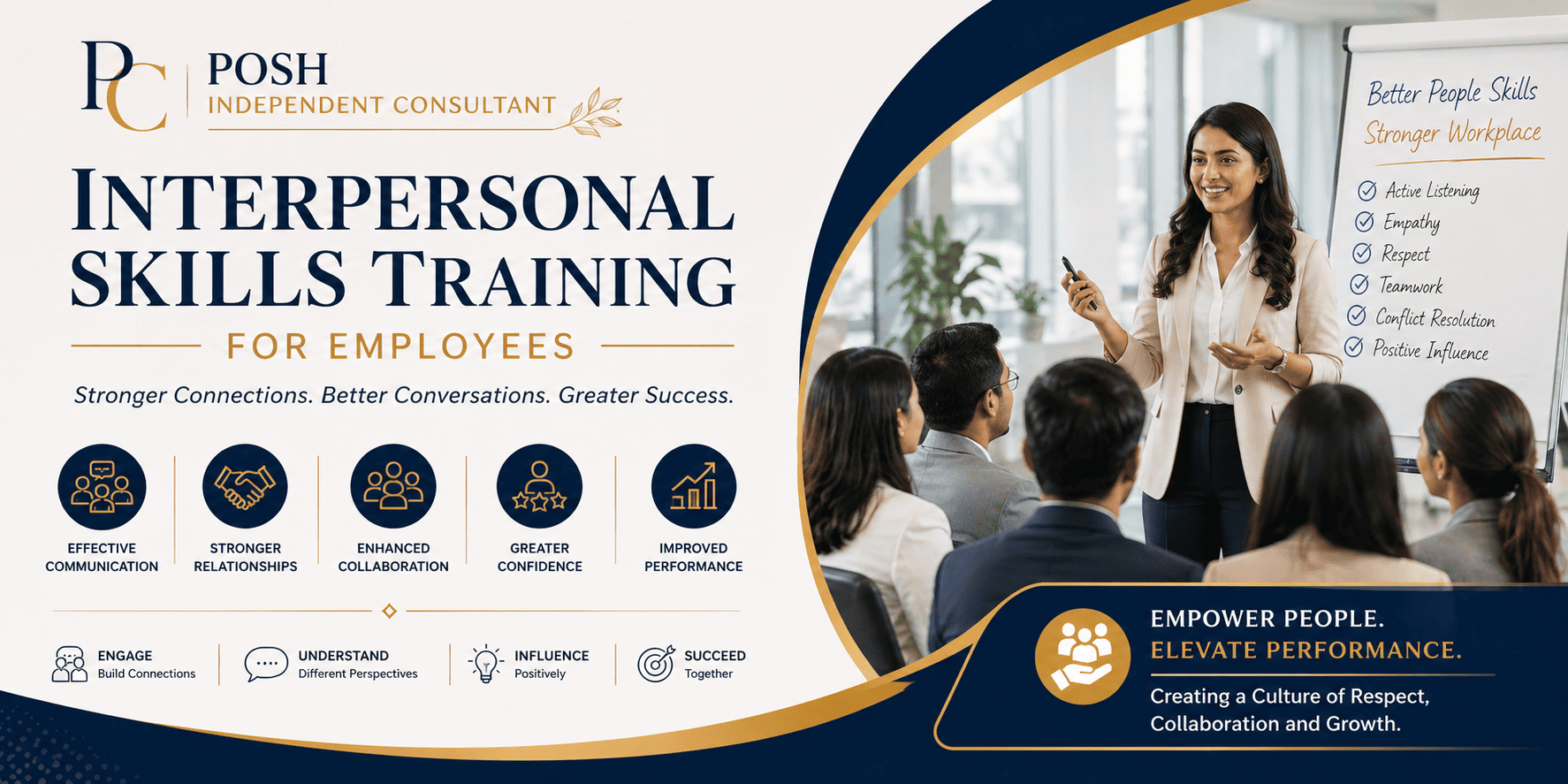
Many companies also focus on interpersonal skills training for employees to improve workplace interactions. Strong interpersonal skills support respectful behaviour and reduce the likelihood of conflicts, which contributes to overall compliance.
Technology and Compliance Management
Technology is playing an important role in modern compliance practices. Digital tools help organisations monitor activities, manage documentation, and track compliance metrics.
Online reporting systems allow employees to raise concerns confidentially. Data analysis helps identify patterns and potential risks. Technology also enables organisations to update policies quickly and ensure consistent implementation.
Strengthening Internal Mechanisms
Effective compliance requires robust internal mechanisms. Organisations establish committees, reporting channels, and investigation procedures. These systems ensure complaints are handled fairly and efficiently.
Clear processes build trust among employees. They feel confident raising concerns when they know issues will be addressed appropriately. This transparency strengthens organisational integrity.
The Importance of Leadership in Compliance
Leadership commitment is essential for successful compliance. Leaders must demonstrate adherence to legal and ethical standards. Their behaviour influences how compliance is perceived within the organisation.
Leaders also play a role in communicating compliance expectations. They ensure employees understand policies and encourage open dialogue. This approach fosters a culture of accountability and responsibility.
Managing Risks in a Dynamic Environment
Modern organisations face a variety of risks, including legal, operational, and reputational challenges. Compliance helps identify and manage these risks effectively.
Risk management involves continuous monitoring and evaluation. Organisations must regularly assess their practices and update policies as needed. This proactive approach reduces the likelihood of violations and supports long term stability.
Adapting to New Workplace Trends
Workplace trends such as remote work and digital communication have introduced new compliance challenges. Organisations must address issues related to virtual conduct, data security, and remote employee management.
Compliance frameworks must evolve to address these changes. Training programmes and policies should reflect modern work environments. Adaptability ensures organisations remain compliant in changing conditions.
Building Trust Through Compliance
Compliance contributes to building trust among employees, clients, and stakeholders. Organisations which prioritise ethical practices are viewed as reliable and responsible.
Trust enhances employee engagement and strengthens relationships with external partners. It also supports organisational reputation and long term success. Compliance therefore plays a vital role in maintaining credibility.
The Future of Workplace Compliance
Workplace compliance will continue to evolve as new challenges emerge. Future developments may focus on mental wellbeing, digital ethics, and global regulatory standards.
Organisations must remain proactive and informed. Continuous improvement in compliance practices will ensure alignment with evolving expectations. Businesses which adapt effectively will maintain a competitive advantage.
Conclusion
Workplace compliance has become a dynamic and integral part of modern organisations. It extends beyond legal obligations to influence culture, behaviour, and decision making. Strong compliance frameworks support employee safety, reduce risks, and enhance organisational performance.
Organisations which invest in compliance and awareness create resilient and ethical workplaces. They are better prepared to navigate complex environments and achieve sustainable growth. Compliance is no longer optional. It is a fundamental requirement for long term success.