Loving Games Is Easy. Designing Them Is a Different Skill Altogether
By MAGES Institute
174 Views
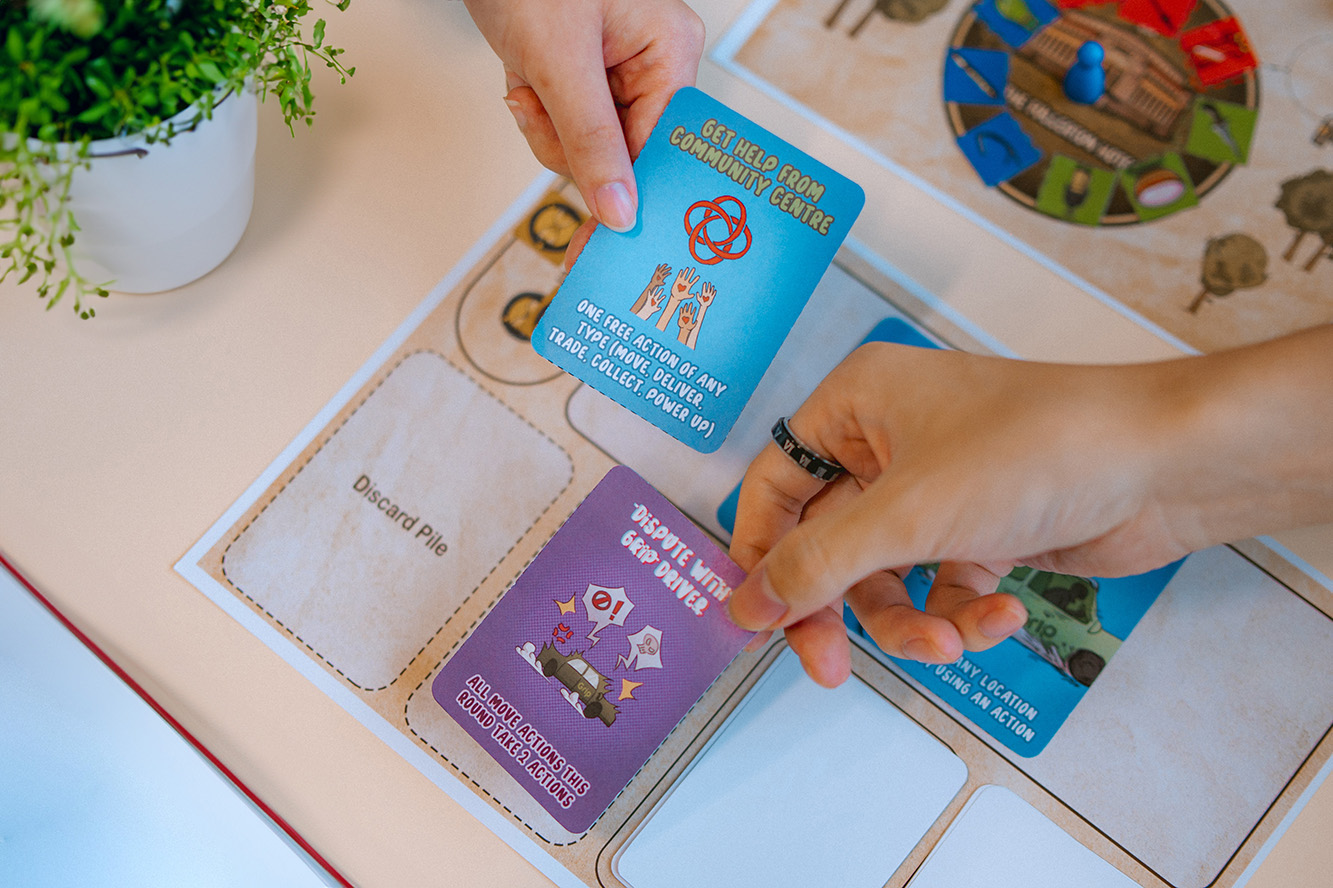
Most people who want to enter the gaming industry start from the same place: playing games, analyzing mechanics, and imagining “what they would do differently.”
But enjoying games and designing them are not the same thing.
The shift from player to creator requires a different mindset, one that goes beyond instinct and into structure, systems, and intentional design.
And this is exactly where many aspiring designers get stuck.
The industry is growing, but so is the expectation
The opportunity is real.
- The global gaming market is projected to reach $556 billion by 2030, driven by rapid innovation across platforms (Dice)
- Over 109,000 gaming jobs were posted in 2025 alone, reflecting strong demand for skilled professionals (JobsPikr)
- In India, the sector is expected to generate 2.5 lakh jobs, making it a serious career pathway, not just a passion (Red Apple Learning)
But here’s the reality most people miss:
Demand exists, but only for those who understand how to build, not just play.
Where passion alone falls short
A lot of beginners assume:
- Playing games improves design instinct
- Ideas are enough to enter the industry
- Tools will bridge the gap automatically
But game design is not just creativity; it’s structured problem-solving.
It involves:
- Designing mechanics that actually work
- Balancing gameplay, progression, and user experience
- Collaborating with artists, developers, and storytellers
- Iterating constantly based on feedback and testing
Without this foundation, passion stays… just passion.
What a right learning path changes
This is where structured classes for game design become critical.
Not because information isn’t available online, but because direction isn’t.
The right classes help you:
- Understand how games are built from concept to execution
- Learn systems thinking, not just surface-level design
- Work on real-world projects, not isolated exercises
- Build a portfolio that reflects decision-making, not just ideas
You stop thinking like a player and start thinking like a designer.
The transition most people underestimate
Becoming a game designer is not a leap. It’s a shift.
- From consuming → creating
- From ideas → execution
- From playing → analyzing systems
- From intuition → structured thinking
And that shift doesn’t happen randomly.
It happens when your learning is intentional.
If you’ve been trying to figure out how to move from “I love games” to “I want to design them,” this blog breaks down what that transition actually looks like—and what kind of learning makes it possible.
Read: https://mages-institute.com/blog/from-gamer-to-game-designer-the-right-classes-that-make-it-possible/
And if you’re serious about making that shift, MAGES Institute offers industry-focused classes for game design that help you build the skills, mindset, and portfolio needed to step into the gaming industry with clarity.