Manang Village Guide
By Khusbuddin Khan
135 Views
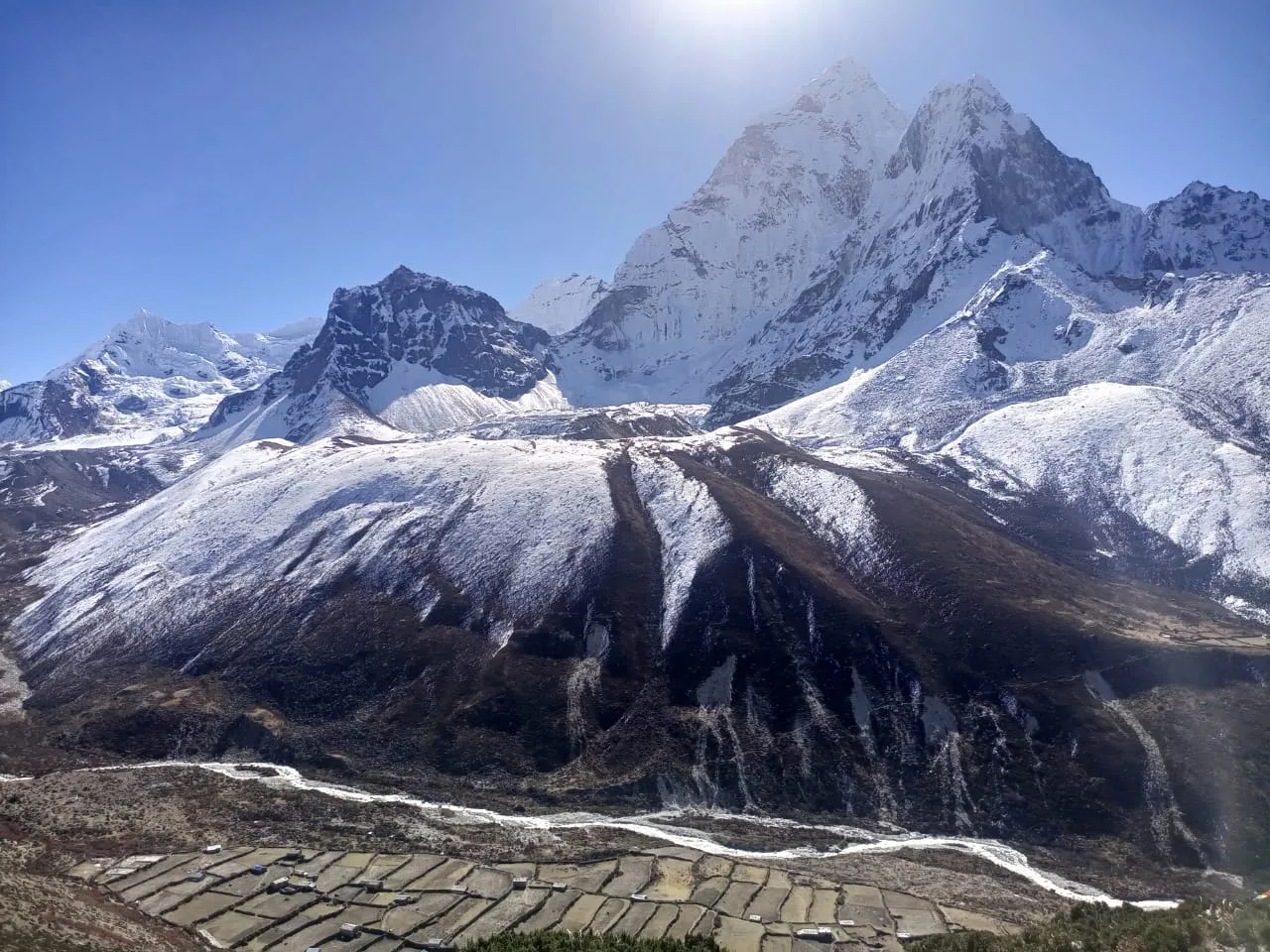
Up close to 3,500 meters, tucked into the hills, Manang Village rests without fuss on the Annapurna trek route. Tiny as it is, many people walking through feel its weight somehow. Right before heading higher toward Thorong La Pass, most stop here simply to let their bodies settle into thinner skies above. Across seasons, even in years like 2026 ahead, it still shapes daily rhythms - culture and survival woven together far up in these mountains. High mountains rise around, their bare sides running past old stone homes. Not hidden, but sharp in recollection, it stays clear long after passing through. Though meant for pause, something in the land, custom, and still power makes brief visits linger. Today, along every stretch traveled, only a handful of places remain this deeply etched.
Manang location by geography
Up high in the Marsyangdi Valley sits Manang, hidden within Nepal’s Annapurna region. Beyond the main Himalayan ridge, rainfall fades, swapping greenery for wide, stony spaces. Close by, Annapurna II rises, joined by Gangapurna and Tilicho Peak - sheer rock faces cutting through clouds. As the ground climbs, cold settles in; air thins where breathing feels harder than at lower levels. It exists on a border: partway along valley paths, yet already facing the approach to Thorong La Pass.
Manang on the Annapurna Trek
Up in the cold heights, Manang lets visitors adjust to less oxygen. Two nights spent here prepare folks for what lies farther uphill. Rather than push ahead fast, most decide to pause while their systems settle. Along footpaths, shelters appear next to places serving meals, sleeping rooms, and tiny markets. Socks sit next to snacks on dusty shelves, while a health post waits quietly behind them. Not far ahead, ice begins its slow climb into thin air - but first, everything gets packed right here. Some bodies stumble early; taking time now keeps steps steady up high. The pass feels less sharp when lungs have learned the rhythm beforehand. Manang shows up exactly when readiness decides whether the journey continues. Once you’re gone, paths climb sharper while clouds shift without warning. Sleep deep tonight so tomorrow’s chill won’t catch you short.
Altitude and Acclimatization
Up around 3,500 meters, Manang tends to trigger signs of high elevation. Headaches hit some folks quickly. Fatigue creeps in for others, along with shortness of breath at the start. Because trails ahead rise sharply - going over 5,000 meters - preparing the body early makes all the difference. This place works as a calm break spot: visitors rest here, sip water steadily, take slow strolls outside, helping their lungs adapt gradually. Slower steps beat a hurried pace when paths begin to climb. The change feels easier, somehow, once motion settles into patience.
acclimatization hikes near Manang
Up close to Manang, small uphill stretches gently prepare visitors for higher altitudes. Ice Lake pulls in plenty of hikers, drawn by wide-open skyline views and steady rises in height. Another trail strikes off toward Gangapurna Lake, winding past vantage spots showing frozen flows and pointed peaks above. Climbing during daylight, then returning lower each evening lets people acclimate bit by bit. Including these hikes along the way becomes key before moving forward beyond Manang.
Landscape and Natural Beauty
High peaks surround Manang on every side during the Annapurna hike. Moving higher, trees thin out - soon replaced by open land, rocky hillsides, then frozen streams below. Wind blasts across barren gullies where almost nothing takes root, carving silence into stone. At dawn, light reaches far-off ridges, washing them gently in warm tones once more. Out past the wind-scoured ridges, stillness settles deep. Where stone meets open air without warning, moments stretch like shadows at dusk.
Culture and Local Lifestyle
High up between steep ridges, Manang keeps its old Tibetan Buddhist ways visible everywhere. Not far off trails and gritty paths, cloth banners wave near stones etched with mantras, small silent shrines, piles of sacred stacks rising together. Years ago, people traded items over rugged passes, herded yaks in harsh frost, planted barley in stubborn ground. Over time, gradually, hikers started showing up on foot, opening different means to gain necessary things. Still, traces of the past pop up despite updates. Days in Manang tend to pass slowly, colored by mountain air plus habits that never rush.
tea houses and places to stay
Some huts in Manang have softer beds, warmth that sticks around longer compared to spots deeper into the trek. Higher ground means rougher trails, yet somehow these shelters feel cozier. Locked doors appear suddenly, together with corners where ovens puff out fresh bread or steam rises from mugs. You might spot small shops tucked in - stocking woolen socks, dried fruit, extra mittens if yours wear thin. When dinner draws near, wide timber rooms hum with talk, feet lined beside heaters, tales drifting between benches like smoke. Out here, even though it's closer than far-off spots, comforts remain basic compared to city stays. Cold evenings stick around year-round, which means bringing clothes you can stack works well.
Food and Dining
Out among the smaller hiking trails, food picks stay limited - but Manang brings extra options without trying too hard. Rice and lentils land on tables regularly, whereas noodle bowls appear just as frequently these days. You might spot pasta sitting beside steaming broth, even as flatbreads rest near golden pancakes baked that morning. Since apple trees thrive in this soil, spreads made from fruit, bottled drinks, and crispy rings of dehydrated pieces pop up at every corner. Midway through winter, mountain towns begin serving up thick soups without anyone asking. A strong wind changes what feels right on a plate - suddenly warmth matters most. Not everyone expects how quickly hunger shifts when trails stretch longer than daylight. In those quiet hours just above the tree line, bodies ask for rhythm, not luxury. Stalls in Manang know this well - they pour extra tea, slice loaves slowly. Altitude does not rush. Neither should eating.
Manang Weather Overview
Up high, Manang feels cold and dry most of the year. Spring and autumn bring clear skies along with gentle heat by day - perfect for moving across mountain trails. When crowds show up, nights still plunge fast into freezing snaps. Once winter steps in, snow builds thick, trapping the land under ice. Hidden behind peaks, this place stays drier when storms hit the low trails of Annapurna. Weather shifts fast - bringing layers means you stay ready without thinking ahead. Rain may come quickly; gear that adjusts keeps comfort steady through surprise changes.
High Altitude Medical Sites
Up top near Annapurna, Manang becomes key for noticing how altitude changes things in the body. Local health spots hand out plain facts - signs of sickness from height along with smart moves to keep harm away. Aid shows up if symptoms strike, though real emergencies need a chopper flight without delay. While paused in this village, everyone checks breath depth, tiredness levels, and head pressure with care. Drinking water stays important, calm moments add strength, gentle pacing beats rushing once climbing resumes higher.
Connected to Thorong La Pass
Beyond Manang, the slope tightens - soft trails fade into sharp ascents, air thins, each stride heavier than the last. Progress asks more now, demanding lungs stretch further, muscles push longer. People who let their rhythm settle here usually cope better ahead. This spot isn’t only about easing tired limbs - it also slows thoughts, clears noise. The climb deeper into Annapurna starts less with feet and more with calm found among these rocks.
Final Conclusion
Tucked between steep ridges, Manang Village offers far beyond a bed for trekkers on the 2026 Annapurna route. Its heart beats with tradition, acclimatization needs, and trail logistics - woven tight like rope. Around it rise massive slopes; within it flows Tibetan Buddhist practice shaping meals, talks, mornings. That blend pulls visitors into moments wider than recovery from uphill miles. As lungs learn thin air ahead of Thorong La Pass, thoughts slip quietly into village patterns almost by accident. Even when caution slows each step, recollection clings to instants both still and deep. Only when soles meet rock does high-altitude wonder stir into motion.
Manang Village Guide