Prescription Drug Addiction and Treatment: What Recovery Really Looks Like
By Atlanta Recovery Place
163 Views
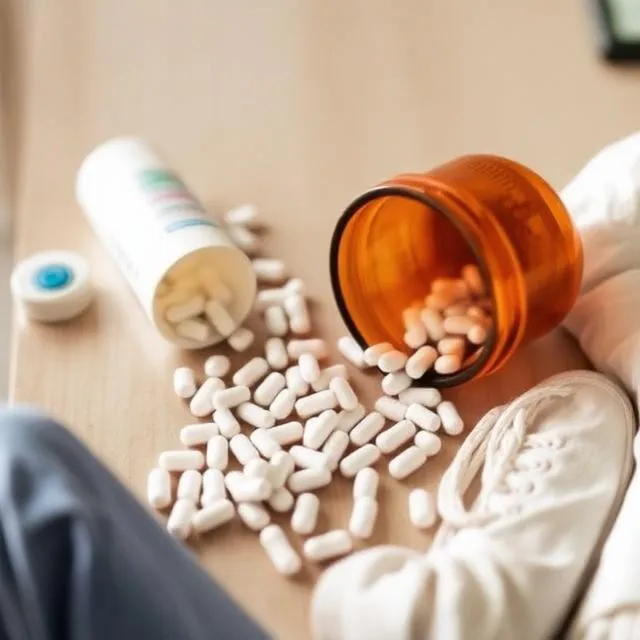
Prescription medications help millions of people manage pain, anxiety, sleep disorders, and attention difficulties. But some medications can also lead to dependence and addiction even when someone starts with a legitimate prescription.
Prescription drug addiction affects individuals, families, workplaces, and communities across the United States. The encouraging part is that treatment works. With the right support, people can recover, rebuild stability, and improve their mental and physical health.
At Atlanta Recovery Place, treatment programs focus on personalized care for people struggling with substance use and co-occurring mental health conditions.
What Is Prescription Drug Addiction?
Prescription drug addiction occurs when someone compulsively uses medication despite harmful consequences. The person may begin taking higher doses, use medication more frequently, or continue using it after the medical need ends.
According to the National Institute on Drug Abuse (NIDA), commonly misused prescription medications include:
- Opioid painkillers
- Benzodiazepines for anxiety or sleep
- Prescription stimulants
- Sedatives
Addiction changes how the brain responds to reward, stress, and self-control. This is why quitting without professional help can feel extremely difficult.
Common Signs of Prescription Drug Addiction
Prescription drug misuse often develops gradually. Many people do not recognize the warning signs at first.
Some common symptoms include:
- Taking medication differently than prescribed
- Running out of prescriptions early
- Visiting multiple doctors for refills
- Mood swings or irritability
- Sleep problems
- Increased secrecy
- Withdrawal from family or social activities
- Cravings for the medication
Physical dependence can also develop. When that happens, the body reacts strongly if the medication suddenly stops.
Why Prescription Drug Addiction Happens
Addiction rarely starts because someone wants to lose control. Several factors can increase risk, including:
- Chronic pain
- Anxiety or depression
- Trauma history
- Stress
- Family history of addiction
- Long-term medication use
Some people first misuse prescription drugs while trying to manage emotional pain, work stress, or insomnia. Others develop dependence after surgery or injury treatment.
The brain does not really care whether a substance came from a pharmacy or a back alley. If the drug changes brain chemistry in powerful ways, addiction can develop.
The Dangers of Untreated Addiction
Prescription drug addiction can affect nearly every area of life.
Possible consequences include the following:
- Overdose risk
- Relationship problems
- Financial stress
- Mental health decline
- Job performance issues
- Legal complications
- Physical health problems
Opioids and benzodiazepines can become especially dangerous when combined with alcohol or other substances.
The Centers for Disease Control and Prevention (CDC) warns that prescription opioid misuse remains a major factor in overdose deaths across the country.
Effective Prescription Drug Addiction Treatment
The best treatment plans address both the physical and emotional sides of addiction. Recovery is not only about stopping the substance. It is also about learning healthier ways to manage stress, emotions, and daily life.
Medical Detox
Some prescription drugs create serious withdrawal symptoms. Medical detox helps people safely manage the early stages of recovery under professional supervision.
Withdrawal symptoms may include:
- Anxiety
- Sweating
- Nausea
- Insomnia
- Muscle pain
- Panic
- Cravings
Detox alone is not full treatment, but it often serves as the first important step.
Therapy and Counseling
Therapy helps people understand the root causes behind addiction and build healthier coping strategies.
Common evidence-based approaches include:
Cognitive Behavioral Therapy (CBT)
CBT helps people identify unhealthy thought patterns and behaviors connected to substance use.
Individual Counseling
Private therapy sessions allow clients to work through trauma, stress, anxiety, or depression in a safe environment.
Group Therapy
Group support reduces isolation and helps people connect with others facing similar struggles.
At Atlanta Recovery Place, treatment programs combine evidence-based therapy with compassionate support designed for long-term recovery.
Dual Diagnosis Treatment Matters
Many people struggling with prescription drug addiction also experience mental health conditions such as:
- Anxiety
- Depression
- PTSD
- Bipolar disorder
Treating addiction without addressing mental health challenges often increases relapse risk.
Integrated care programs help clients manage both conditions together instead of treating them separately.
Levels of Care for Recovery
Different people need different levels of treatment support.
Partial Hospitalization Program (PHP)
A structured program that provides intensive daytime treatment while allowing clients to return home afterward.
Learn more about the Partial Hospitalization Program at Atlanta Recovery Place.
Outpatient Treatment
Outpatient care gives individuals flexibility while continuing therapy and recovery support.
The Outpatient Program at Atlanta Recovery Place helps clients maintain treatment while balancing work, school, or family responsibilities.
Recovery Takes Time and That Is Normal
Recovery does not happen overnight. Some days feel strong. Others feel frustrated. That does not mean treatment failed.
According to the Substance Abuse and Mental Health Services Administration (SAMHSA), long-term recovery improves when people receive ongoing support, therapy, and structured care.
Progress often happens gradually:
- Better sleep
- Healthier relationships
- Improved focus
- Emotional stability
- More confidence
Those small wins matter more than most people realize.
Final Thoughts
Prescription drug addiction can affect anyone, regardless of background or age. What starts as medical treatment can slowly become dependence and addiction without proper support.
Professional treatment helps people safely recover while addressing the emotional and mental health challenges connected to substance use.
Atlanta Recovery Place provides personalized addiction treatment programs designed to support lasting recovery, mental wellness, and healthier daily living.