Types Of Kimonos
By Janny
223 Views
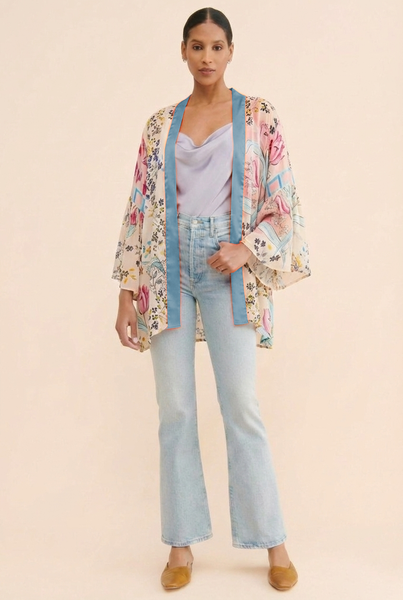
Kimonos are one of Japan’s most iconic traditional garments, known for their elegance, structure, and deep cultural meaning. While many people think of the kimono as a single style, there are actually several types, each designed for specific occasions, seasons, and levels of formality. Understanding these variations can help you appreciate the garment more fully—whether you're exploring fashion, culture, or planning to wear one yourself.
1. Furisode (振袖)
The furisode is one of the most formal and visually striking types of kimono. It is easily recognized by its long, flowing sleeves, which can extend up to 100 cm or more. Traditionally worn by unmarried women, furisode are often seen at coming-of-age ceremonies, weddings, and other formal events. They are usually brightly colored with elaborate patterns that symbolize youth and celebration.
2. Tomesode (留袖)
Tomesode are formal kimonos worn by married women. Unlike the furisode, they have shorter sleeves and more subtle designs. There are two main types:
- Kurotomesode (black tomesode): The most formal, typically worn by the mothers of the bride and groom at weddings.
- Irotomesode (colored tomesode): Slightly less formal, available in various colors and suitable for other formal occasions.
- Designs are usually placed only below the waist, creating a refined and elegant look.
3. Houmongi (訪問着)
Houmongi translates to “visiting wear” and is a semi-formal kimono suitable for a wide range of occasions, such as tea ceremonies, parties, or formal visits. What makes it unique is its continuous pattern that flows across seams, creating a cohesive artistic design. It can be worn by both married and unmarried women.
4. Iromuji (色無地)
Iromuji are single-colored kimonos without patterns, making them simple yet elegant. Their level of formality depends on the number of family crests (kamon) they carry. They are commonly worn at tea ceremonies and formal gatherings where understated elegance is preferred.
5. Komon (小紋)
Komon are casual kimonos characterized by repeating patterns spread across the entire fabric. These patterns can range from geometric shapes to floral motifs. Komon are ideal for everyday wear, casual outings, or informal social events. They offer a balance between style and comfort.
6. Yukata (浴衣)
The yukata is a lightweight, casual summer kimono made from cotton or synthetic fabric. It is commonly worn during festivals, fireworks displays, and after bathing in hot springs. Unlike more formal kimonos, yukata are easy to wear and often feature bright, cheerful patterns.
7. Uchikake (打掛)
Uchikake is a highly formal kimono worn over another kimono, mainly by brides during traditional Japanese weddings. It is richly decorated with intricate embroidery, often featuring cranes, flowers, or auspicious symbols. Uchikake are not tied with an obi (belt) but are draped over the shoulders like a coat.
8. Shiromuku (白無垢)
Shiromuku is a pure white bridal kimono symbolizing purity and new beginnings. It is worn during traditional Shinto wedding ceremonies. The all-white design allows the bride to symbolically “take on” the colors of her new family after marriage.
9. Mofuku (喪服)
Mofuku is a formal black kimono worn for mourning. It is used at funerals and memorial services. The entire outfit—including the obi and accessories—is typically black, reflecting solemnity and respect.
10. Haori (羽織)
Although technically not a kimono, the haori is a jacket worn over a kimono. It adds warmth and style, often featuring subtle or decorative designs. Haori are worn by both men and women and can be formal or casual depending on the material and pattern.
Choosing the Right Kimono
Selecting a kimono depends on the occasion, season, and personal style. Formal events call for furisode, tomesode, or houmongi, while casual settings are perfect for komon or yukata. Factors like fabric, color, and pattern also play a role in determining appropriateness.
Cultural Significance
Kimonos are more than just clothing—they represent tradition, identity, and artistry. Each type carries meaning, from marital status to seasonal symbolism. Even today, they are worn during important life events and cultural celebrations.
Conclusion
The world of kimonos is rich and diverse, offering styles for every occasion and personality. From the vibrant furisode to the relaxed yukata, each type reflects a unique blend of history, craftsmanship, and cultural expression. By understanding these different types, you can better appreciate the beauty and significance of this timeless garment.