Water Quality Meter: A Modern Tool for Safe and Clean Water
By Sail Mehboob
181 Views
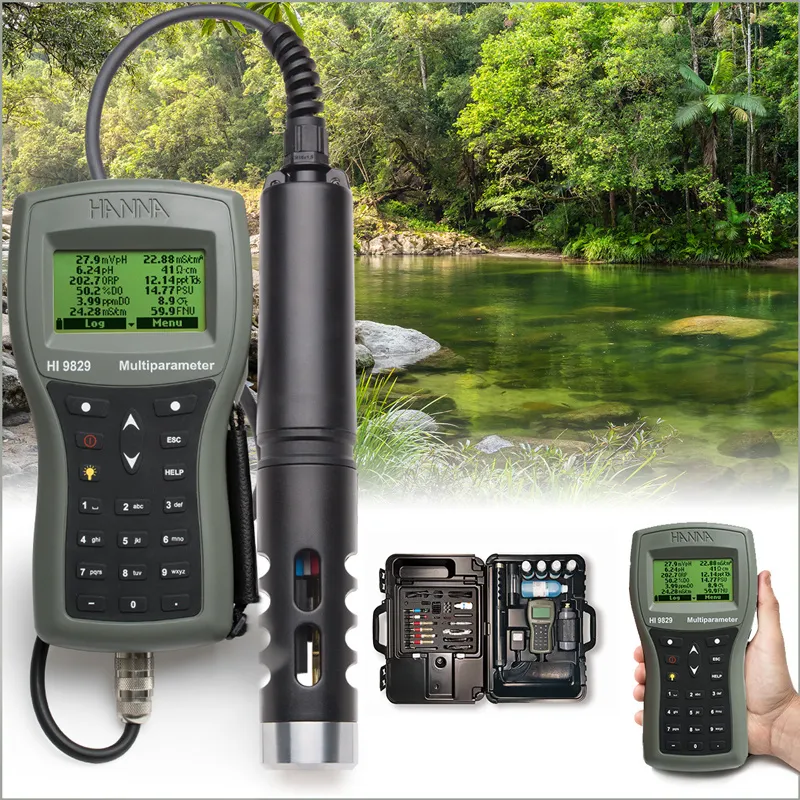
Water is one of the most essential resources for life. Humans, animals, industries, and agriculture all depend on clean and safe water for survival and growth. However, water pollution has become a major concern around the world due to industrial waste, agricultural chemicals, sewage discharge, and environmental contamination. To ensure that water remains safe for drinking, farming, and industrial use, accurate testing methods are necessary. One of the most effective devices used for this purpose is the water quality meter.
A water quality meter is a scientific instrument designed to measure different properties of water. It helps determine whether water is safe, contaminated, or suitable for a specific application. These meters are widely used in homes, laboratories, industries, water treatment plants, fisheries, and environmental monitoring systems. By providing accurate and quick readings, water quality meters play an important role in maintaining public health and protecting ecosystems.
Understanding Water Quality
Water quality refers to the physical, chemical, and biological characteristics of water. Good quality water should be free from harmful substances, microorganisms, and pollutants. Several factors influence water quality, including pH level, temperature, dissolved oxygen, turbidity, conductivity, and total dissolved solids (TDS).
Contaminated water can lead to serious health problems such as diarrhea, cholera, skin infections, and other waterborne diseases. Poor water quality can also damage crops, affect industrial processes, and harm aquatic life. Therefore, monitoring water quality regularly is essential for ensuring safety and sustainability.
What Is a Water Quality Meter?
A water quality meter is an electronic device used to analyze and measure water parameters. These devices can range from simple handheld meters to advanced multiparameter systems capable of testing several factors at the same time. The meter collects data through sensors and displays the results digitally.
Modern water quality meters are designed for ease of use and high accuracy. They are portable, efficient, and suitable for both professional and personal applications. Depending on the model, a water quality meter can measure one parameter or multiple parameters simultaneously.
Important Parameters Measured
pH Level
The pH level measures how acidic or alkaline water is. A pH value below 7 indicates acidic water, while a value above 7 indicates alkaline water. Neutral water has a pH of 7. Drinking water generally requires a balanced pH to remain safe and pleasant in taste. Extreme pH levels can corrode pipes, damage equipment, and affect human health.
Total Dissolved Solids (TDS)
TDS refers to the amount of dissolved substances in water, including salts, minerals, and metals. High TDS levels may indicate contamination or excessive mineral content. TDS meters are commonly used in homes, aquariums, and water purification systems.
Conductivity
Conductivity measures the ability of water to conduct electricity. This property depends on the concentration of ions present in the water. Conductivity testing helps determine water purity and detect pollutants.
Dissolved Oxygen (DO)
Dissolved oxygen is essential for aquatic organisms such as fish and plants. Low oxygen levels can harm marine ecosystems and indicate pollution. Water quality meters with DO sensors are frequently used in fisheries and environmental studies.
Turbidity
Turbidity measures the cloudiness of water caused by suspended particles such as dirt, algae, and sediments. High turbidity can reduce water quality and indicate contamination. Clean drinking water should have low turbidity levels.
Temperature
Water temperature affects chemical reactions, oxygen levels, and aquatic life. Many water quality meters include temperature sensors because accurate readings often depend on temperature conditions.
Types of Water Quality Meters
Portable Water Quality Meters
Portable meters are compact and easy to carry. They are commonly used for field testing, environmental surveys, and household applications. Their portability allows users to test water quickly in different locations.
Benchtop Water Quality Meters
These meters are larger and designed for laboratory use. They provide highly accurate results and are suitable for scientific research and industrial testing.
Multiparameter Meters
Multiparameter meters can measure several water properties at the same time. These advanced devices save time and improve efficiency, especially in industrial and environmental applications.
Digital Smart Meters
Modern smart meters often include Bluetooth connectivity, data storage, and smartphone integration. These features make monitoring and record-keeping more convenient.
Applications of Water Quality Meters
Drinking Water Testing
Water quality meters are commonly used to ensure drinking water safety. Municipal authorities, laboratories, and homeowners use these devices to detect contamination and verify purification systems.
Industrial Use
Industries require high-quality water for manufacturing, cooling, and cleaning processes. Water quality meters help maintain standards and protect machinery from damage caused by poor water conditions.
Agriculture
Farmers use water quality meters to test irrigation water. Proper water quality is important for healthy crop growth and soil management.
Aquaculture and Fisheries
Fish farms and aquariums rely on balanced water conditions for aquatic life. Monitoring dissolved oxygen, pH, and temperature helps maintain healthy environments for fish and plants.
Environmental Monitoring
Environmental agencies use water quality meters to monitor rivers, lakes, and oceans. These measurements help identify pollution sources and support conservation efforts.
Swimming Pools and Spas
Pool owners use water quality meters to maintain safe and clean water conditions. Proper chemical balance prevents skin irritation and bacterial growth.
Benefits of Using Water Quality Meters
One of the major advantages of water quality meters is accuracy. These devices provide precise readings, helping users make informed decisions about water treatment and usage. Quick testing is another benefit, as results are often available within seconds.
Water quality meters also improve safety by detecting harmful contaminants early. Regular monitoring helps prevent health risks and environmental damage. In industrial settings, these meters reduce maintenance costs by protecting equipment from corrosion and scaling.
Additionally, portable meters make testing convenient and accessible. Users can easily carry the device and perform tests on-site without requiring a laboratory.
Challenges and Limitations
Despite their benefits, water quality meters also have some limitations. Some advanced meters can be expensive, making them less affordable for small users. Sensors require regular calibration and maintenance to ensure accurate readings.
Environmental conditions such as temperature changes and contamination on sensors can affect measurement accuracy. Users must also understand how to interpret readings correctly to avoid incorrect conclusions.
Another challenge is that no single meter can detect every possible contaminant. Certain biological or chemical pollutants may require specialized laboratory testing.
Future of Water Quality Monitoring
Technology is continuously improving water quality monitoring systems. Modern devices are becoming more compact, accurate, and user-friendly. Smart sensors and wireless monitoring systems allow real-time data collection and remote monitoring.
Artificial intelligence and cloud computing are also being integrated into water quality systems. These technologies help analyze large amounts of data, identify pollution trends, and improve decision-making.
In the future, affordable and advanced water quality meters may become common household devices, allowing people to monitor water safety regularly and easily.
Conclusion
Water quality meters are valuable tools for ensuring safe and clean water in homes, industries, agriculture, and environmental systems. By measuring important parameters such as pH, dissolved oxygen, conductivity, and TDS, these devices help detect contamination and maintain water standards.