Why Comprehensive Eye Exams Are Essential for Your Vision Health
By Optometry Cooroy
148 Views
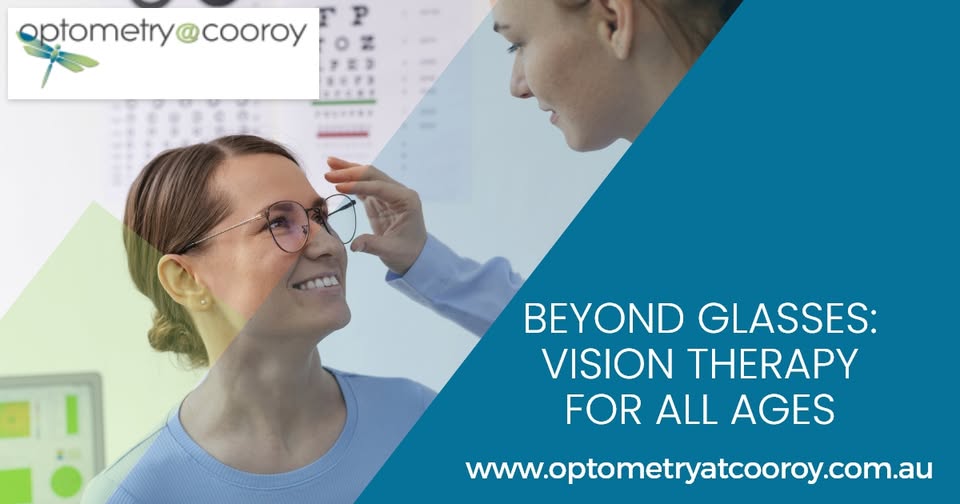
Most people don’t think about their eyes until something goes wrong. That’s a problem, because by the time many eye conditions produce noticeable symptoms, the window for early intervention has often closed. Comprehensive eye examinations are not just about updating a prescription. They are one of the most clinically informative health checks available, and they matter at every age.
Early Detection of Eye Diseases
Glaucoma, macular degeneration, diabetic retinopathy, and cataracts are among the most common causes of preventable vision loss in Australia. What they have in common is this: they often develop silently. Glaucoma, in particular, can cause significant and irreversible damage to the optic nerve before a person notices any change in their vision.
Comprehensive eye examinations include assessment of the optic nerve, intraocular pressure, retinal health, and visual field testing. Detected early, many of these conditions can be managed to slow or minimise progression. Detected late, the damage may already be permanent. Regular comprehensive eye examinations are the most reliable way to catch changes before they become irreversible.
More Than Just a Vision Test
A bulk-billed vision screening at a retail optical chain and a comprehensive eye examination are not the same thing. A screening typically measures acuity and determines a prescription. A comprehensive examination is a clinical assessment that looks at the full health of the eye, the quality of the visual system, and in many cases, indicators of broader health.
At Optometry at Cooroy, comprehensive eye examinations involve a thorough evaluation of visual function, eye health, and where relevant, aspects of binocular vision and visual processing. The examination is tailored to the patient's age, history, presenting concerns, and visual demands. No two patients are identical, and neither are their examinations.
Detects Systemic Health Conditions
The eye is the only place in the body where blood vessels can be observed directly and non-invasively. This makes the eye a clinically useful window into general health. Signs of diabetes, high blood pressure, high cholesterol, thyroid conditions, and certain autoimmune diseases can all present in the eye before a person receives a formal diagnosis.
This is not to overstate the optometrist's diagnostic role. When a finding of systemic significance is observed during a comprehensive eye examination, the appropriate response is a referral to the patient's GP or specialist for further investigation. But the detection itself, in a routine examination, can be the trigger for a diagnosis that might otherwise have been delayed.
Keeps Your Prescription Accurate
Prescriptions change, and for children, they can change rapidly. For adults, changes may be more gradual but are still clinically significant, particularly from the mid-forties onwards when presbyopia begins to affect near vision. An out-of-date prescription is not just a mild inconvenience. It can cause eye strain, headaches, and in some cases contribute to falls in older adults whose depth perception is affected.
Comprehensive eye examinations include a full refraction to determine the current prescription and assess whether existing glasses or contact lenses are still appropriate. The prescription is also considered alongside the patient's specific visual demands, whether that’s extended screen use, driving, reading, or sport.
Essential for Children's Development
Children don’t always report vision difficulties, as frequently they don’t know their experience is different from that of their peers. Undetected vision problems can affect reading development, classroom participation, sports, and social interaction. Because the visual system is still developing throughout childhood, the earlier a problem is identified, the more options are typically available for management.
School vision screenings check basic acuity but will not detect many of the conditions a comprehensive examination assesses. Amblyopia (lazy eye), binocular vision difficulties, and significant long-sightedness can all be present in a child who passes a standard screening test. A comprehensive eye examination provides a much more complete picture.
Optometry at Cooroy sees patients across all ages, including children, and tailors the examination approach to be appropriate for the patient's age and developmental stage.
Helps Manage Digital Eye Strain
Extended screen use is a reality for most working adults and an increasing proportion of children. Digital eye strain, characterised by tired eyes, blurred vision, dry eyes, and headaches after screen use, is a common presentation in modern optometry practice. It is not always driven by an incorrect prescription. Factors including reduced blink rate, screen positioning, lighting, and binocular vision function all contribute.
A comprehensive examination can identify which factors are relevant for a particular patient and provide tailored recommendations rather than a generic response. This is one of the practical advantages of a thorough assessment over a quick prescription check.
Prevents Long-Term Vision Loss
The most significant value of regular comprehensive eye examinations is prevention. Many forms of vision loss are not reversible, but many are also not inevitable. Managed well, conditions like glaucoma and macular degeneration can be monitored and treated to preserve functional vision for far longer than if they are left undetected.
The limiting factor in most cases is not the availability of treatment. It’s the timing of detection. Consistent, regular comprehensive eye examinations are the most reliable mechanism for ensuring conditions are found when they can still be meaningfully managed.
How Often Should You Have an Eye Exam?
General guidance from optometry bodies in Australia suggests adults with no known risk factors have comprehensive eye examinations every two years. Those with risk factors for eye disease, including diabetes, a family history of glaucoma, or a history of eye conditions, may benefit from more frequent review as recommended by their optometrist.
For children, an examination before starting school and regular reviews throughout the primary and secondary years are appropriate. For older adults, annual comprehensive eye examinations are generally recommended given the increasing risk of conditions such as macular degeneration, cataracts, and glaucoma with age.
These are general guidelines. Individual frequency should be discussed with your optometrist based on your clinical history, family history, and any symptoms or concerns you have. The right interval is the one appropriate for your situation.
Conclusion
Comprehensive eye examinations are a genuine investment in long-term vision health. They catch conditions early, keep prescriptions accurate, inform broader health care, and provide a level of clinical detail that a basic vision check cannot offer. Waiting until something feels wrong is, unfortunately, often waiting too long.
Optometry at Cooroy provides comprehensive eye examinations for patients of all ages across the Sunshine Coast and Cooroy region. The practice is independently owned, which means recommendations are based on each patient's individual needs and circumstances. To book your comprehensive eye examination, visit optometryatcooroy.com.au today.