10 Benefits of Solar Installation Sunshine Coast for Homeowners
By Energy Solution Centre Sunshine Coast
10 Views
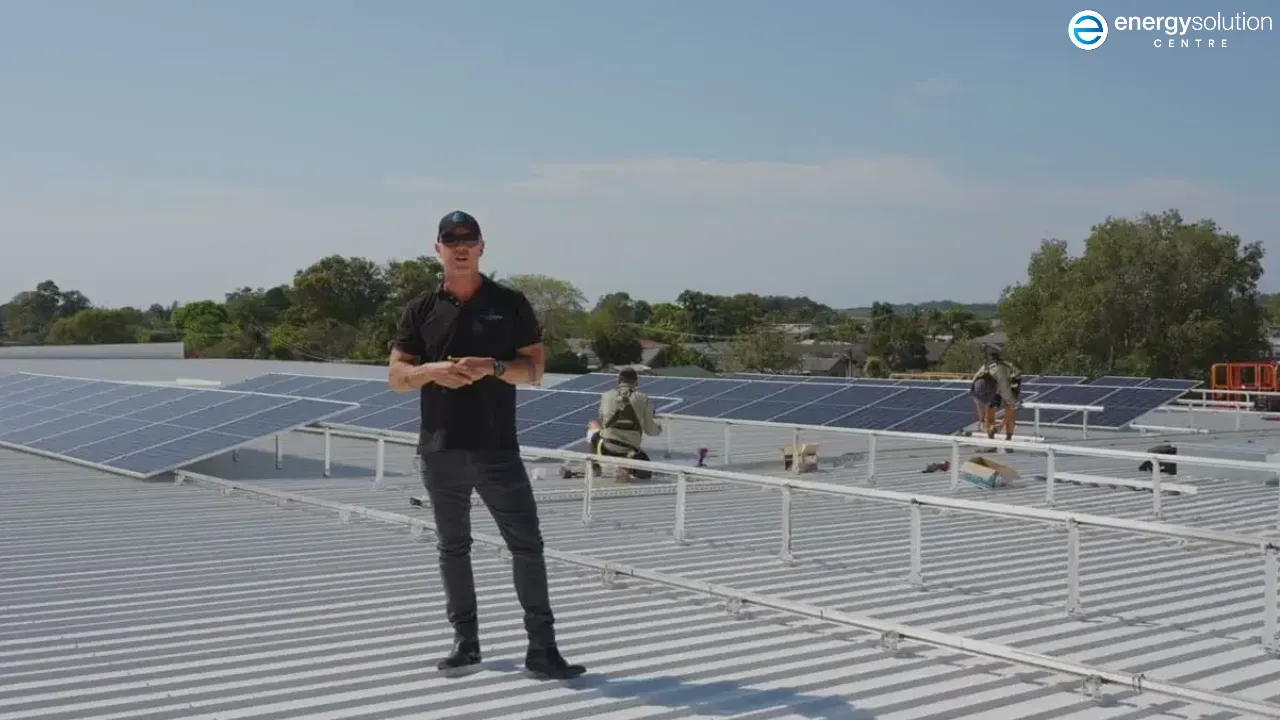
Electricity costs are an ongoing concern for Australian households, encouraging more homeowners to explore renewable energy alternatives. With its sunny climate and growing interest in sustainable living, the Sunshine Coast offers an appealing environment for residential solar power.
Investing in solar installation Sunshine Coast can help homeowners reduce their reliance on grid electricity, manage energy expenses and make better use of an abundant natural resource. Modern solar systems also provide flexibility for households planning to introduce battery storage, electric vehicles or other energy-efficient technologies.
Whether you live in Maroochydore, Caloundra, Noosa or the surrounding hinterland, understanding the practical advantages of solar energy can help you make an informed decision.
Here are ten important benefits of installing solar panels on your Sunshine Coast home.
1. Reduce Your Monthly Electricity Bills
One of the biggest reasons homeowners consider solar panels is the opportunity to reduce electricity expenses.
Traditional households purchase most of their electricity from the grid. A rooftop solar system generates electricity from sunlight, allowing homeowners to use their own energy during daylight hours.
When your solar panels produce electricity, that energy can power everyday household appliances, including refrigerators, washing machines, air conditioners and televisions.
Using solar-generated electricity reduces the amount of energy you need to purchase from your electricity retailer.
For example, households that operate washing machines, dishwashers or pool pumps during the day may benefit from using more of their solar production directly.
The amount saved depends on factors such as system size, electricity consumption, energy tariffs and weather conditions. Although solar does not automatically eliminate electricity bills, a correctly designed system can provide meaningful long-term savings.
2. Protect Your Household Against Rising Energy Costs
Electricity prices can change due to wholesale energy costs, network charges and adjustments to retail electricity plans.
These changes can make budgeting difficult for families who depend entirely on grid electricity.
Installing solar panels allows homeowners to generate a portion of their electricity independently, reducing their exposure to fluctuations in energy prices.
Although households may still need grid electricity at night or during periods of low solar generation, producing electricity during the day can reduce overall energy purchases.
This is particularly useful for Sunshine Coast families who operate air conditioning, home offices and other electrical appliances throughout the year.
A well-sized solar system can offer greater predictability when planning household energy expenses.
While electricity rates and solar production will continue to vary, reduced grid consumption can make household budgets easier to manage over the longer term.
3. Make the Most of the Sunshine Coast's Sunny Climate
The Sunshine Coast's subtropical climate makes rooftop solar an attractive option for many residential properties.
The region experiences substantial sunshine throughout the year, creating opportunities for solar panels to generate electricity across different seasons.
Solar photovoltaic panels convert sunlight into usable electricity. They can continue producing energy during cloudy weather, although output is generally lower than under clear skies.
An appropriately designed system considers the property's location, roof orientation, available space and surrounding shade.
For example, a north-facing roof often offers strong annual solar production in Queensland. However, east-facing and west-facing panels may also be useful, particularly when their generation better matches household electricity consumption.
Coastal homes should also consider corrosion-resistant mounting components and suitable equipment for their environment.
Homeowners exploring solar installation Sunshine Coast should therefore focus on system design rather than simply choosing the largest available package.
A professional assessment helps determine how effectively a property can use its available sunlight.
4. Reduce Your Household's Environmental Impact
Solar energy provides an opportunity to lower the environmental impact associated with household electricity consumption.
Conventional grid electricity can involve power generation from fossil fuels, contributing to greenhouse gas emissions.
Rooftop solar panels produce electricity without directly releasing greenhouse gases during operation.
By replacing some grid electricity with solar-generated power, households can reduce emissions associated with their electricity use.
According to the Australian Government's Solar Consumer Guide, rooftop solar can significantly reduce household greenhouse gas emissions while providing potential financial benefits.
Solar panels do have environmental impacts associated with manufacturing, transportation and eventual disposal. However, generating renewable electricity over their operating life can provide substantial environmental advantages.
For homeowners interested in sustainable living, solar power is a practical way to contribute to a cleaner energy future.
Combining solar with efficient appliances and responsible electricity consumption can strengthen these benefits.
5. Improve the Long-Term Financial Value of Your Home
Residential solar power is more than a short-term energy upgrade. It can also be considered a long-term household investment.
Quality solar systems are designed to operate for many years, producing electricity throughout their working life.
Once the savings on electricity bills have recovered the installation cost, continued generation can provide additional financial benefits.
The time required to recover the initial investment is known as the payback period.
This varies according to installation costs, solar generation, electricity tariffs, maintenance expenses and household consumption patterns.
Solar panels may also improve a property's appeal to environmentally conscious buyers who value energy-efficient features.
However, an increase in property value is not guaranteed. The condition, age, ownership arrangements and documentation of the system can influence how prospective buyers view it.
Homeowners should retain installation records, warranty documents and system performance information.
These records can help demonstrate the benefits of the solar system when selling the property.
6. Access Government Solar Incentives
Government incentives can make residential solar installations more financially accessible.
In Australia, eligible small-scale rooftop solar systems may qualify for support through the Small-scale Renewable Energy Scheme.
This scheme uses small-scale technology certificates, commonly called STCs, to help reduce the effective upfront cost of eligible installations.
The value of the incentive depends on factors such as system capacity, location, installation date and certificate market conditions.
The discount is commonly incorporated into a solar installation quote rather than paid directly to the homeowner.
Sunshine Coast residents may also be eligible for a feed-in tariff through their electricity retailer.
A feed-in tariff provides a credit for eligible excess solar electricity exported to the grid.
As explained in the Queensland Government's guide to feed-in tariffs, households in South East Queensland can access market-based feed-in tariffs offered by electricity retailers.
These rates vary between providers, so comparing electricity plans is important.
Before proceeding with solar installation Sunshine Coast, homeowners should confirm current incentive eligibility and request a quote that clearly explains any applicable certificate discount.
7. Gain More Control Over Household Energy Consumption
Installing a rooftop solar system can change how households think about electricity consumption.
Many modern solar inverters include monitoring platforms that allow homeowners to review electricity generation through a mobile application or online dashboard.
Depending on the equipment installed, monitoring tools may display solar output, household electricity usage and energy exported to the grid.
These insights can help families identify opportunities to use electricity more efficiently.
For instance, homeowners may choose to operate energy-intensive appliances during periods of strong solar generation.
Running a pool pump during daylight hours or scheduling electric hot water heating to coincide with solar production may reduce the need to purchase electricity from the grid.
This practice is often called solar self-consumption.
Because the retail price of electricity is commonly higher than the feed-in tariff paid for exports, using solar energy directly can deliver greater financial value than exporting the same amount.
Over time, understanding energy usage patterns can support better household decisions and more efficient appliance operation.
8. Prepare Your Home for Battery Storage
Another valuable advantage of rooftop solar is the opportunity to add battery storage.
Solar panels generally generate their highest output during daylight hours, while household electricity consumption often continues into the evening.
A compatible home battery can store surplus solar electricity for use when panels are generating less power.
This can help households increase solar self-consumption and reduce their reliance on grid electricity at certain times.
Battery storage can be particularly useful for families whose main energy consumption occurs after sunset.
Some batteries can also provide backup electricity during a power outage, but this depends on the system's configuration and whether suitable backup functionality has been installed.
Standard grid-connected solar panels without compatible backup equipment generally shut down during blackouts for safety reasons.
It is also important to understand that batteries involve additional upfront costs, and their financial benefits vary considerably between households.
Even if a battery is not included in the initial installation, discussing future battery compatibility during the design stage can help homeowners avoid unnecessary equipment changes later.
9. Support Electric Vehicles and Future Home Upgrades
Household electricity needs are changing as more Australians consider electric vehicles, energy-efficient heating and electric cooking appliances.
Solar panels can help accommodate these changes by providing a renewable source of electricity for everyday activities.
For example, homeowners with electric vehicles may be able to charge their cars using solar-generated electricity during daylight hours.
This can reduce the amount of grid electricity needed for charging, particularly when a compatible smart charger is configured to prioritise available solar power.
Solar can also support electric hot water systems, heat pumps and other energy-efficient household upgrades.
When planning a new installation, it is worth considering not only current electricity consumption but also how energy needs may change.
A family planning to purchase an electric vehicle or replace gas appliances may need a different system capacity from a household with relatively low daytime electricity usage.
Planning ahead can help homeowners select a system that suits their longer-term lifestyle.
10. Enjoy a Reliable, Low-Maintenance Energy Solution
Modern rooftop solar systems are designed for long-term outdoor operation and generally require relatively little routine maintenance.
Solar panels contain no moving mechanical parts, reducing some of the maintenance requirements associated with other electricity-generating technologies.
However, low maintenance does not mean maintenance-free.
Panels, electrical connections, mounting hardware and inverters should be inspected according to manufacturer recommendations and relevant safety guidance.
Sunshine Coast homeowners may need to pay particular attention to environmental factors such as coastal salt exposure, severe weather and debris from surrounding trees.
Regular performance monitoring can also help identify unusual drops in electricity generation.
Professional inspections and maintenance should be performed by appropriately qualified personnel, while homeowners should avoid attempting electrical repairs themselves.
Choosing suitable equipment, ensuring correct installation and maintaining the system can support dependable performance over its operating life.
A properly maintained solar installation can provide years of useful renewable electricity without demanding constant attention.
What Should Sunshine Coast Homeowners Consider Before Installing Solar?
Although the advantages of solar energy are appealing, selecting the right system requires careful planning.
Every home has different electricity needs, roof characteristics and financial priorities.
Before committing to a solar installation, homeowners should consider several essential factors.
Roof Condition and Orientation
The roof should be structurally suitable for solar panels and have adequate space for installation.
Roof age, orientation, shading, pitch and surrounding trees can influence system performance.
Homes near the coastline may require mounting equipment selected for exposure to salt-laden air.
Solar System Size
A larger system does not automatically deliver better financial results.
The ideal system should reflect household electricity usage, available roof space and potential future requirements.
Reviewing recent electricity bills can help installers recommend an appropriate capacity.
Equipment Quality and Warranties
Solar panels, inverters and mounting systems should be selected for reliability and compatibility.
Homeowners should compare product warranties, workmanship warranties and available after-sales support.
It is also advisable to check that the installation will be completed by properly licensed electricians and appropriately accredited solar installers.
Installation Costs and Savings
Solar quotes should clearly identify the equipment supplied, installation costs, applicable incentives and any additional electrical work.
Estimated savings should reflect realistic household electricity usage rather than relying on ideal generation conditions.
Comparing detailed quotes can help homeowners understand the long-term value of different systems.
Choosing a Local Solar Installer
Working with an installer familiar with Sunshine Coast properties can be helpful when assessing local environmental conditions, grid connection requirements and equipment suitability.
For example, homeowners researching solar installation Sunshine Coast can explore residential solar, battery storage and energy solutions available through Energy Solution Centre Sunshine Coast.
Regardless of the provider selected, requesting a site assessment and reviewing the proposed system design are important steps towards a successful installation.
Frequently Asked Questions
1. Is solar installation Sunshine Coast worth it for homeowners?
For many homeowners, solar installation Sunshine Coast can be a worthwhile investment because it offers opportunities to reduce electricity bills and generate renewable energy.
However, financial value depends on the installation cost, roof suitability, household energy consumption and the amount of solar electricity used directly.
Obtaining a personalised estimate can help determine whether solar is suitable for a particular property.
2. How much does solar installation cost on the Sunshine Coast?
The cost varies depending on system size, panel and inverter quality, installation complexity and additional equipment.
A small residential system will generally cost less than a larger system that includes battery storage.
Homeowners should request itemised quotes and compare estimated performance, warranty terms and applicable incentives before making a decision.
3. How long do residential solar panels last?
Many residential solar panels are designed to operate for approximately 25 years or longer, although their electricity output gradually declines over time.
Inverters and other components may require replacement earlier.
Actual lifespan depends on equipment quality, installation conditions, maintenance and environmental exposure.
4. Can solar panels generate electricity on cloudy days?
Yes. Solar panels can generate electricity using daylight, even when conditions are cloudy.
However, electricity production is usually lower when sunlight is reduced.
Seasonal weather, shading and panel orientation can influence overall generation, making accurate system design important.
5. How do I choose the best solar installation Sunshine Coast service?
When comparing providers for solar installation Sunshine Coast, look for suitable electrical licensing, installer accreditation, relevant experience and clear warranty information.
Ask for a property-specific system design, a detailed quotation and realistic estimates of electricity savings.
A reliable installer should explain equipment options, grid connection requirements and ongoing support without making unrealistic promises.
Final Thoughts
Solar power provides Sunshine Coast homeowners with an opportunity to reduce electricity costs, support environmental sustainability and prepare their properties for future energy requirements.
From lower grid electricity consumption and potential government incentives to battery compatibility and electric vehicle charging, residential solar offers benefits that extend beyond immediate savings.
However, the best results come from choosing equipment and system capacity that match the property's characteristics and the household's actual energy needs.
Before investing, take time to review electricity consumption, compare installation quotes and understand the expected long-term performance of the system.
With careful planning and professional installation, solar energy can become a valuable part of a more efficient, sustainable and cost-conscious Sunshine Coast home.
Related Reading
Why Business & Finance is Transforming the Global Industry Landscape
Welcome to our in-depth exploration of Business & Finance. In an era defined...
Expert Insights: Navigating the Complex World of Business & Finance
Welcome to our in-depth exploration of Business & Finance. In an era defined...