What Makes 160-10648 Spiral Wrap Reliable?
By jacobevansjb31
140 Views
Introduction
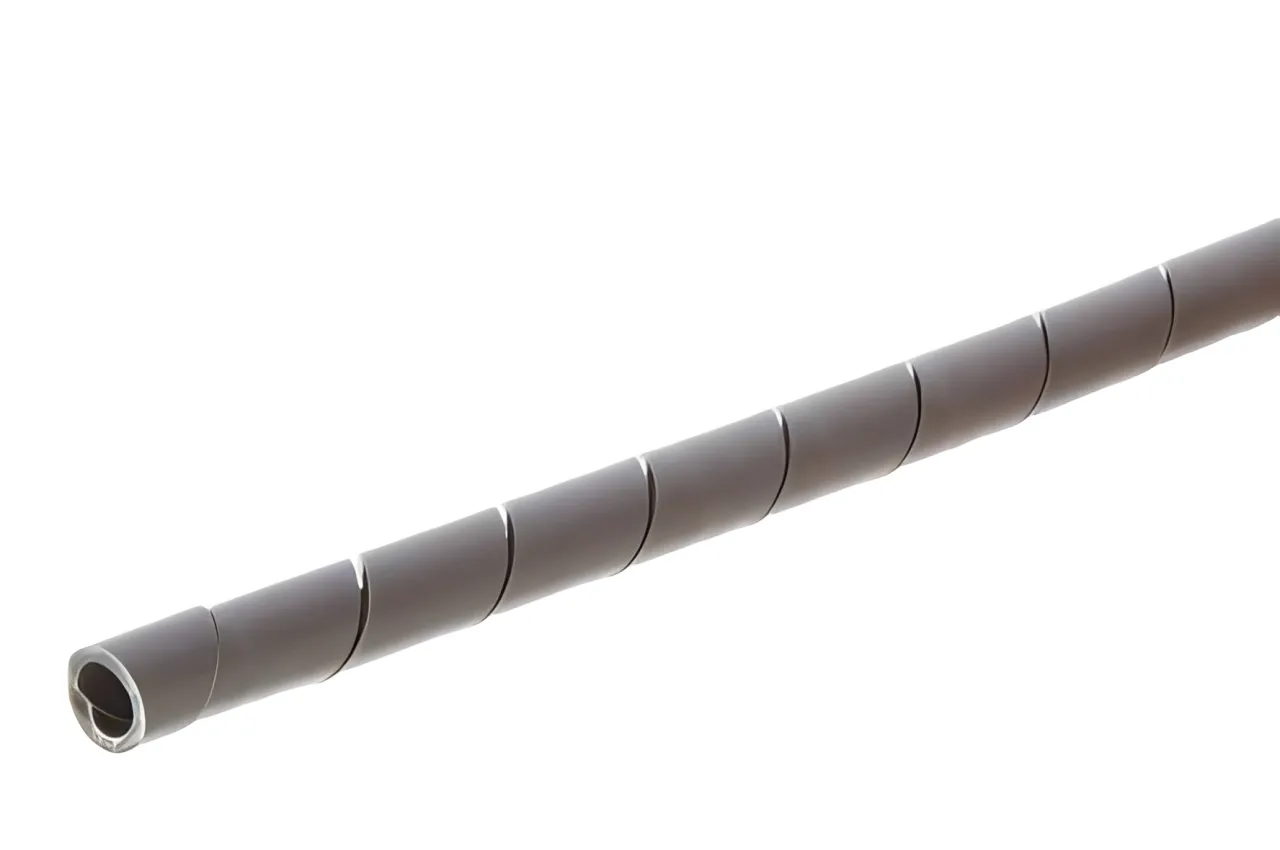
160-10648 Spiral Wrap is a practical cable management solution designed to organise, protect, and support wiring across industrial, commercial, and electronic applications. It helps keep cables tidy while reducing damage risks caused by movement, friction, heat exposure, and daily handling.
In modern electrical and electronic systems, cable protection is more than a neatness requirement. It directly affects safety, maintenance speed, component lifespan, and system reliability. Whether used near sensors, connectors, controllers, switches, or fuses, spiral wrap offers a flexible way to secure cables without making installation complicated.
Why Spiral Cable Wrap Matters in Electrical Systems
Spiral cable wrap is widely used because it combines protection with flexibility. Unlike rigid trunking or fixed cable channels, it can bend around corners, follow cable paths, and allow wires to exit at different points.
This makes it helpful in equipment panels, control cabinets, machinery, laptops repair setups, automation systems, and electronics workbenches. As a result, engineers and technicians can organise wiring while still keeping access open for inspection and future changes.
Moreover, cable wrap helps reduce the chance of loose wires catching on tools, grips, moving parts, or nearby hardware. This improves workplace safety and supports a cleaner installation.
Key Uses of 160-10648 Spiral Wrap
The 160-10648 Spiral Wrap is useful in applications where cables need extra protection and controlled routing. It can support wiring used with microcontrollers, microprocessors, LEDs, contactors, capacitor circuits, and sensor assemblies.
Common uses include:
• Organising control panel cables
• Protecting wiring near connectors and switches
• Bundling sensor leads in automation systems
• Supporting electronics assembly and repair work
• Reducing cable abrasion near moving equipment
• Keeping fuses, controllers, and signal cables separated
• Improving cable layout inside machines and cabinets
Because it allows cables to branch out along the wrapped section, it is especially helpful where multiple connections need to remain accessible.
How Cable Protection Improves Safety
Safety is one of the strongest reasons to use spiral wrap. Loose cables can create trip hazards, electrical faults, and maintenance problems. In tight environments, they may also rub against sharp metal edges or heated surfaces.
By grouping cables together, spiral wrap reduces clutter and helps installers create a more controlled layout. This can lower the risk of accidental pulling, wire strain, and insulation damage.
In addition, organised cables make fault finding easier. When technicians can quickly trace wires connected to controllers, contactors, sensors, or switches, downtime is reduced and repair work becomes safer.
Benefits for Electronics and Control Applications
Electronics systems often contain delicate wiring connected to boards, microcontrollers, LEDs, thermal sensors, and signal components. Even small cable damage can affect performance or cause intermittent faults.
Spiral wrap helps protect these wires from abrasion while keeping them flexible. This is useful in test benches, production lines, low voltage panels, and equipment that needs regular servicing.
Furthermore, it supports better airflow around wires compared with tightly enclosed cable covers. In applications involving thermal pads, thermal sensors, or heat-sensitive electronics, careful cable routing can help reduce unnecessary heat buildup.
Thermal and Environmental Considerations
In many installations, cables are exposed to thermal changes, oils, dust, vibration, and mechanical contact. Although spiral wrap is not a replacement for specialist heat shielding, it can add an extra layer of protection in suitable environments.
It helps keep cable bundles away from areas where oils, sharp edges, tools, or heated parts may cause damage. However, the selected wrap should always match the operating conditions of the application.
Before installation, users should check cable size, temperature exposure, chemical contact, bend radius, and the type of equipment involved. This ensures the spiral wrap performs correctly and supports long-term reliability.
Why Flexibility Is Important for Cable Management
A major advantage of spiral wrap is flexibility. It can be wrapped around existing cables without fully disconnecting every wire, depending on the installation layout. This saves time during upgrades, repairs, and maintenance work.
It also allows cables to leave the bundle at different points. For example, one cable may connect to a sensor, another to a controller, and another to a connector block. Spiral wrap keeps the main bundle tidy while supporting these branch points.
This is valuable in systems that include fuses, switches, microprocessors, capacitor modules, and contactors, where wiring often needs to move in different directions.
Installation Tips for Better Performance
Correct installation improves both appearance and protection. Before applying spiral wrap, cables should be inspected for damage, dirt, oils, and sharp bends. Clean routing also helps prevent future faults.
Useful installation practices include:
• Choose a wrap size that fits the cable bundle comfortably
• Avoid stretching the wrap too tightly around cables
• Keep wiring away from sharp edges and hot surfaces
• Allow space for thermal movement and maintenance access
• Use suitable grips or ties where extra support is needed
• Separate power, signal, and sensor cables where required
• Check connectors and cable ends after wrapping
These steps help maintain cable safety while keeping the system easy to service.
Related Components Used with Spiral Wrap
Spiral wrap is often used alongside many electrical and electronic parts. These may include connectors, fuses, switches, sensors, contactors, controllers, LEDs, and terminal blocks. It may also support wiring around microcontrollers, microprocessors, laptops, power supplies, and automation modules.
In workshops, it is commonly used with tools, grips, cable cutters, and inspection equipment. In industrial settings, it may be part of a broader cable protection plan that includes thermal pads, cable ties, conduits, labels, and strain relief parts.
Therefore, spiral wrap is not only a cable covering. It is part of a practical system that improves organisation, protection, and maintenance efficiency.
Choosing the Right Spiral Wrap for Your Setup
To choose the right cable wrap, users should consider the number of cables, cable diameter, bend requirements, and the working environment. A wrap that is too small may be difficult to install, while one that is too large may not hold cables neatly.
It is also important to think about the application type. For electronics, flexibility and clean routing may be the main priorities. For machinery, abrasion resistance, safety, and secure bundling may be more important.
Additionally, environments with oils, thermal exposure, vibration, or frequent tool contact may require careful material selection. Matching the wrap to the job helps prevent premature wear and supports dependable performance.
How 160-10648 Spiral Wrap Supports Long-Term Reliability
The 160-10648 Spiral Wrap supports long-term reliability by helping cables stay organised, protected, and easier to inspect. In systems with many wires, even simple cable management can make a major difference.
Neatly wrapped cables are less likely to snag, bend sharply, or suffer unnecessary friction. This helps protect insulation and supports stable connections across connectors, sensors, controllers, fuses, and switches.
Finally, it improves the professional appearance of electrical and electronic installations. A clean cable layout shows attention to detail and makes future maintenance faster, safer, and more efficient.
Final Thoughts on 160-10648 Spiral Wrap
The 160-10648 Spiral Wrap is a useful choice for managing cables in electronics, automation, machinery, repair work, and control systems. It helps improve safety, reduce clutter, and protect wires from everyday wear.
With careful installation and the right application match, spiral wrap can support reliable performance across systems that include sensors, connectors, contactors, controllers, microcontrollers, LEDs, and other key components. For teams that value clean wiring and dependable operation, it remains a simple but effective cable management solution.
Related Reading
Why Business & Finance is Transforming the Global Industry Landscape
Welcome to our in-depth exploration of Business & Finance. In an era defined...
Expert Insights: Navigating the Complex World of Business & Finance
Welcome to our in-depth exploration of Business & Finance. In an era defined...