4 Real Estate Investment & Financing Tools Worth Knowing in 2026
By Maya Bayers
116 Views

The real estate investing space has quietly turned into a tech space. Between AI-driven underwriting, blockchain-based fractional ownership, and directories that make it easy to find the right tax expert, the tools available in 2026 are doing a lot of the heavy lifting that used to require a team of analysts. Here's a rundown of four platforms worth putting on your radar.
Operator by Galleon
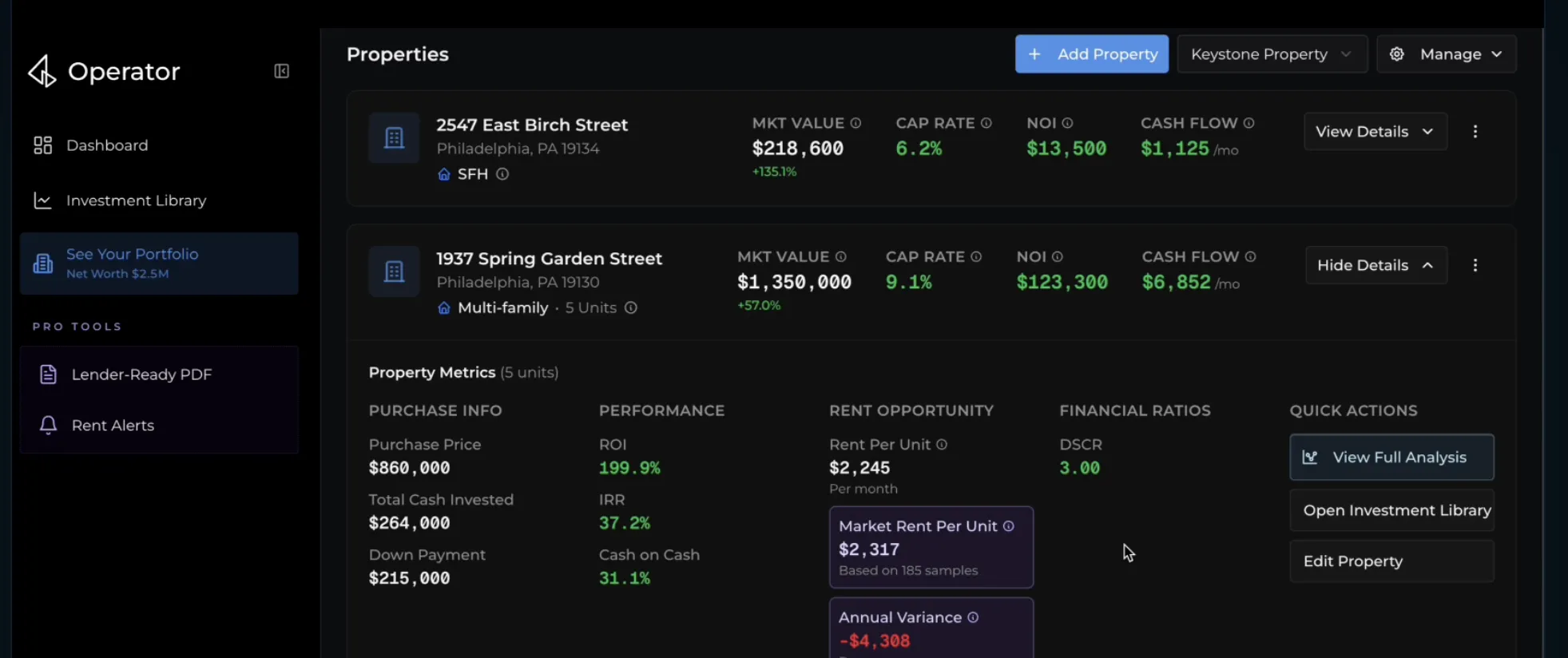
Built for investors managing between one and fifty units, Operator by Galleon replaces the messy spreadsheet with a live dashboard. It automatically tracks property values, rents, and market shifts, runs cash flow and DSCR calculations, and can spot when a unit is under-market before it quietly costs you tens of thousands at sale. For anyone tired of rebuilding the same spreadsheet every time a lender asks for numbers, it's a straightforward upgrade.
FindCostSeg
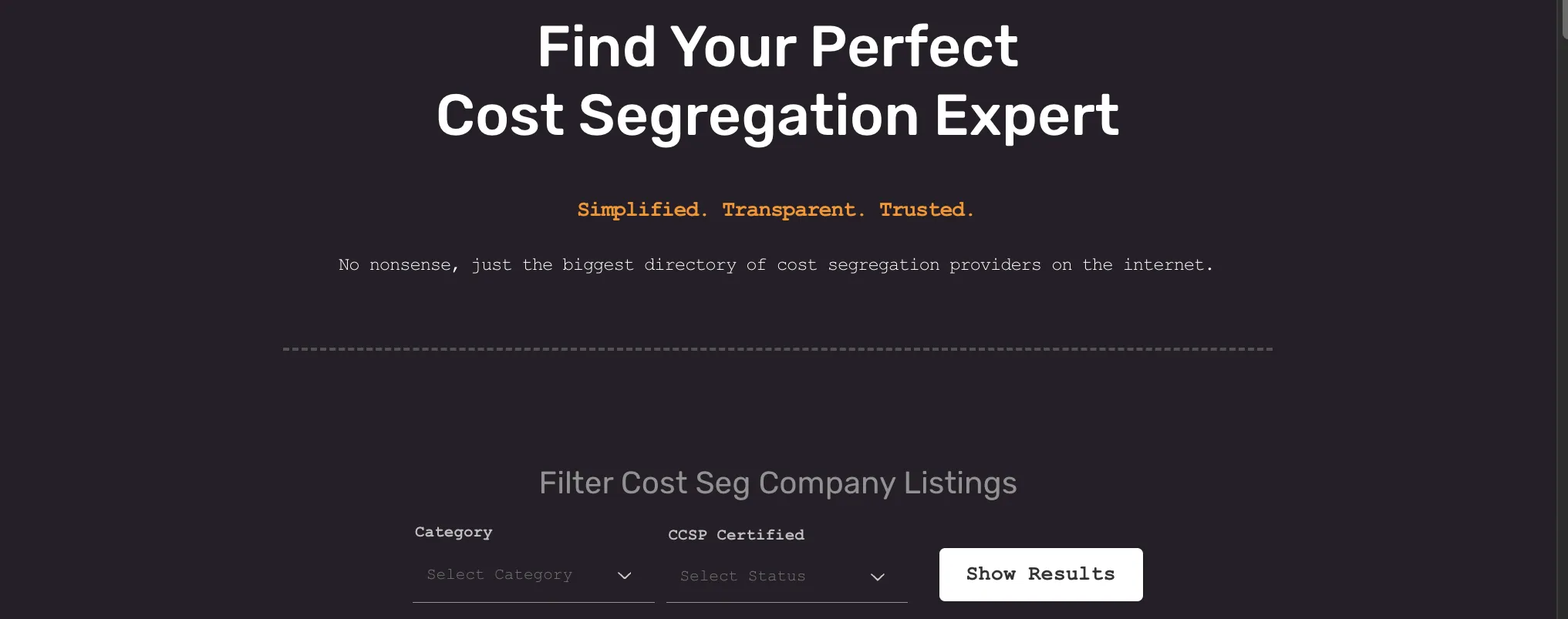
Cost segregation is one of the most underused tax strategies in real estate, mostly because finding a trustworthy firm to run the study is harder than it should be. FindCostSeg solves that by giving investors a searchable directory of vetted cost segregation providers, complete with case studies and firm profiles. It turns a confusing process into something you can compare and choose with confidence.
Lofty
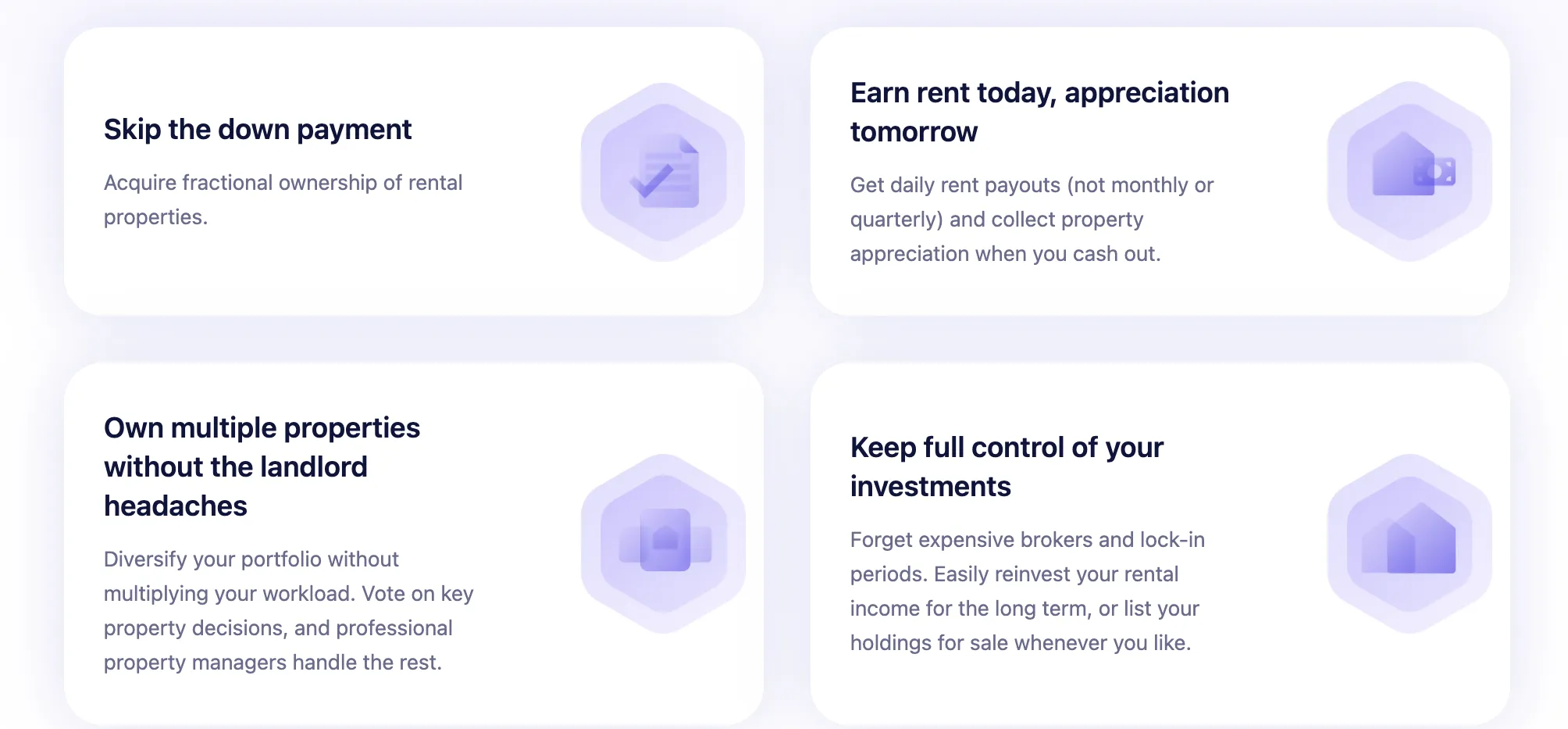
Lofty uses blockchain technology to let people buy fractional shares of rental properties for as little as $50. Instead of waiting for a monthly distribution, investors earn rental income daily, and shares can be resold anytime on Lofty's own marketplace. It's one of the clearer examples of how tokenization is making real estate ownership more liquid and more accessible heading into 2026.
Kartago Capital

On the other end of the spectrum is Kartago Capital, a Danish real estate investment and development firm operating since 1988. With over 150 completed projects across Denmark, Sweden, and Germany worth more than €1.2 billion, Kartago focuses on long-term, sustainability-driven development, from commercial buildings to social infrastructure. It's a reminder that alongside all the new tech, traditional institutional real estate development is still very much part of the picture.
Taken together, these platforms show two sides of the same trend: real estate investing is getting more accessible for individuals and more efficient for professionals, often through the same underlying shift toward smarter software and data.