A Buyer's Guide to Retatrutide for Sale: What Researchers Need to Know
By Jason Brown
3 Views
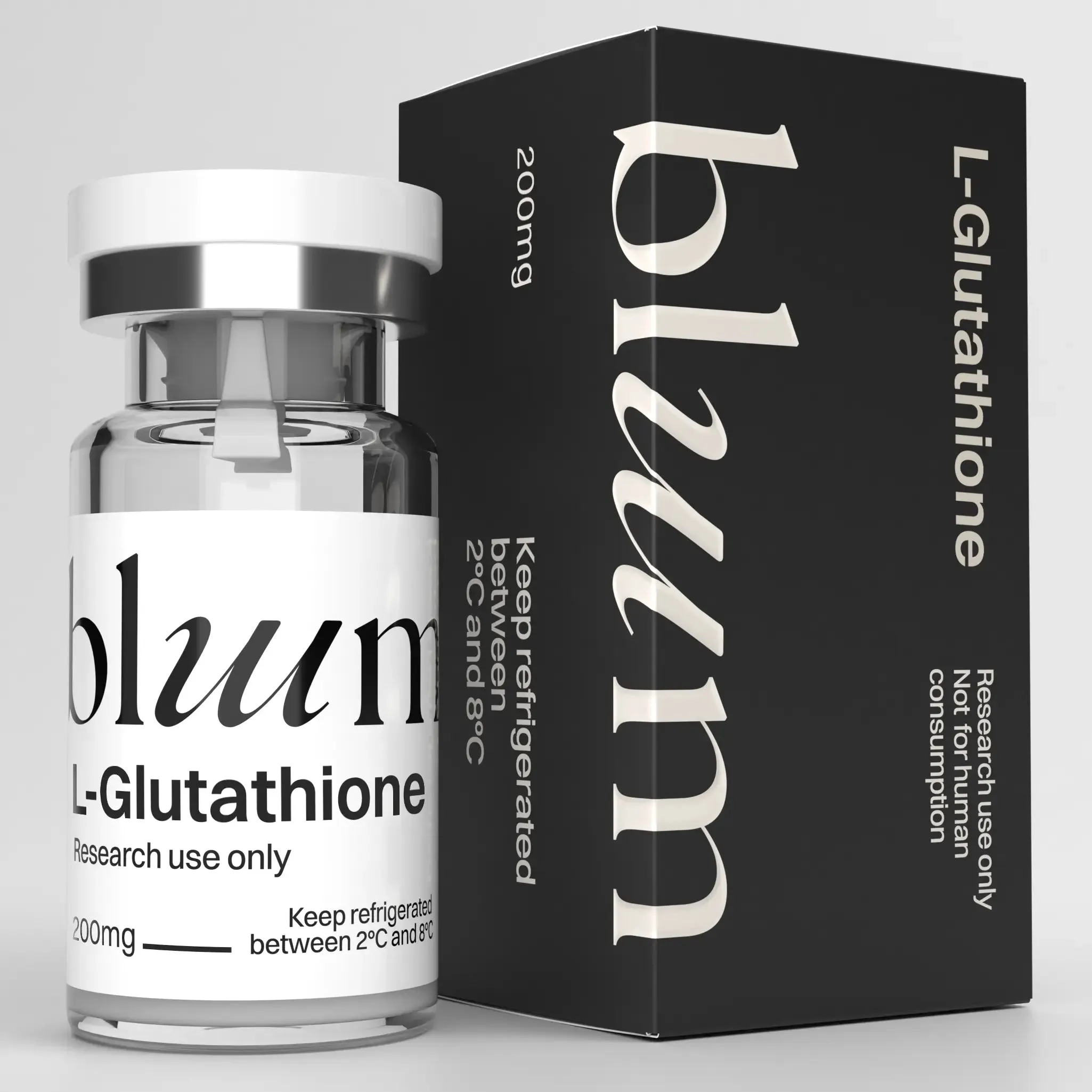
Interest in emerging metabolic research has increased attention on compounds such as retatrutide, particularly among people following developments in obesity and glucose regulation. Searching for retatrutide for sale can bring up a wide range of online listings, laboratory claims, and product descriptions. However, commercial availability does not establish that a compound is authentic, appropriately manufactured, or approved for human use. Researchers need to understand the scientific background, regulatory status, and limitations of available product information before evaluating any supplier claims.
A responsible buyer's guide should focus on evidence, transparency, and research quality rather than promotional promises. This is especially important when comparing investigational compounds with products advertised using terms such as bpc 157 for sale. Although both substances are discussed in research-related settings, they have different biological properties and evidence bases. Understanding these distinctions helps researchers assess information more accurately, identify unsupported claims, and recognize why laboratory documentation alone cannot establish clinical safety or effectiveness.
Understanding Retatrutide and Its Role in Metabolic Research
Retatrutide is an investigational peptide-based medication being studied for its potential effects on body weight and metabolic health. Its mechanism distinguishes it from many existing treatments because it activates three receptor pathways: glucose-dependent insulinotropic polypeptide (GIP), glucagon-like peptide-1 (GLP-1), and glucagon receptors. These pathways are involved in processes such as appetite regulation, glucose metabolism, and energy balance. Clinical studies have reported substantial weight reductions in participants, making retatrutide an important subject of ongoing research into obesity treatment.
Despite encouraging research findings, retatrutide should not be confused with an established, generally approved medication. As of October 2026, it is not FDA-approved for general clinical use. Findings from controlled clinical trials also cannot automatically be applied to products offered through unofficial online channels. Researchers must distinguish between a compound studied under controlled conditions and a commercial product whose identity, formulation, and manufacturing history may be uncertain. This distinction is essential when evaluating listings that imply proven medical benefits or guaranteed outcomes.
Define Research Requirements Before Evaluating Products
Before assessing a retatrutide listing, researchers should establish the scientific purpose of their work and identify the relevant quality requirements. Different research settings may require different forms of analytical characterization, documentation, and oversight. Defining these needs in advance makes it easier to evaluate whether available information is sufficient for the intended investigation. It also helps prevent purchasing decisions from being driven by attractive packaging, vague descriptions, or unsupported statements about product performance.
Researchers should also distinguish materials intended for laboratory investigation from medicines intended for human administration. A product labeled for research use does not automatically meet pharmaceutical manufacturing standards or demonstrate suitability for clinical use. If a study involves human participants, appropriate regulatory authorization, ethical review, qualified medical oversight, and suitable investigational materials are essential. Online purchasing information cannot replace these safeguards. A clearly defined research objective and an understanding of applicable requirements provide a stronger foundation for evaluating any investigational compound.
Assess Supplier Transparency and Product Documentation
Supplier transparency is an important part of assessing research materials. A product listing may advertise high purity, reliable manufacturing, or extensive quality testing, but these claims should be supported by documentation that can be independently evaluated. Useful records may identify the material, provide a batch or lot number, describe the analytical methods used, and report the actual results. Researchers should examine whether the documentation refers to the specific batch being offered rather than relying on a generic report that could apply to an unrelated sample.
A certificate of analysis, commonly known as a COA, can provide valuable information about a tested material. However, its usefulness depends on the quality and scope of the testing and the traceability of the report. Researchers should consider who performed the analysis, whether the laboratory's identity can be verified, and whether the reported methods are appropriate for the conclusions being made. A certificate should not be treated as proof of every aspect of product quality. Even a genuine report may not address sterility, all possible contaminants, formulation accuracy, stability, or suitability for human use.
Understand Purity Testing and Analytical Methods
High-performance liquid chromatography, or HPLC, is commonly used to evaluate the chromatographic profile and purity of chemical materials. Mass spectrometry can help characterize molecular mass and support compound identification. These methods can contribute important evidence when interpreted appropriately, but they answer different analytical questions. A high HPLC purity percentage, for example, does not necessarily prove that a material has the correct identity, contains no relevant contaminants, or performs as expected in a biological system.
The value of laboratory testing depends on whether the method is suitable for the specific quality attribute being assessed. Researchers should examine the reported results instead of relying only on a headline percentage or a supplier's claim that a product is laboratory tested. They should also recognize that chemical characterization is not equivalent to comprehensive pharmaceutical quality assurance. Medicines intended for human use require additional controls and evidence that go beyond basic identity or purity testing. Understanding these limitations helps researchers interpret product documentation without drawing conclusions that the available evidence cannot support.
Retatrutide and BPC-157: Important Differences
People searching for retatrutide for sale may also encounter listings associated with bpc 157 for sale. Although both compounds appear in discussions of experimental research, they are not interchangeable and should not be evaluated as if they share the same mechanism or evidence base. Retatrutide is being investigated for its activity at GIP, GLP-1, and glucagon receptors, particularly in relation to metabolic health and weight management. BPC-157 is a synthetic peptide studied mainly in preclinical research involving tissue repair and other biological processes.
The strength and scope of evidence available for each compound must be considered independently. Findings from laboratory or animal studies involving BPC-157 do not establish that it is effective or safe for treating human conditions. Similarly, clinical trial findings involving retatrutide do not validate BPC-157 products or support claims that the two substances have equivalent benefits. Researchers should avoid relying on vendor descriptions that combine different compounds under broad wellness or recovery claims. Careful evaluation requires an understanding of each compound's biological characteristics, research stage, and relevant regulatory limitations.
Recognize Regulatory and Safety Considerations
Regulatory status is a central consideration when reviewing investigational compounds. A substance may be discussed in scientific literature or offered through online marketplaces without being approved for routine medical treatment. Regulations also differ between countries, so researchers need to understand the requirements that apply in their own jurisdiction and research setting. A seller's willingness to ship a product does not establish that the material is legally authorized for every intended use or that it meets the applicable quality standards.
Retatrutide's investigational status means that its potential benefits, risks, and longer-term outcomes must continue to be assessed through appropriate research. Obtaining an unverified product can introduce additional uncertainty about its identity, concentration, storage conditions, and possible contamination. These concerns are especially important when a listing encourages self-directed use or makes treatment promises unsupported by regulatory approval. Anyone considering medical treatment should consult a qualified healthcare professional about established options and appropriate clinical-trial opportunities rather than relying on online research-material listings.
Identify Misleading Marketing and Unsupported Claims
Researchers should be cautious about product descriptions that promise guaranteed outcomes, claim complete safety, or suggest that laboratory purity alone proves clinical effectiveness. Testimonials, influencer endorsements, and customer reviews may offer insight into consumer experiences, but they cannot independently verify a compound's composition or establish its medical benefits. Similarly, professional-looking packaging and detailed marketing language are not substitutes for traceable testing and credible scientific evidence. Claims should be evaluated according to the quality of their supporting information, not the confidence with which they are presented.
Another warning sign is a description that blurs the distinction between preliminary research and established treatment. Results from animal models, laboratory experiments, and early clinical trials have different implications and should not be presented as interchangeable evidence. Researchers should look for clear descriptions of study limitations and avoid interpreting early findings as proof of universal effectiveness. When product claims cannot be substantiated or documentation is incomplete, uncertainty should be acknowledged rather than filled with assumptions. This approach supports more reliable research decisions and reduces the risk of drawing conclusions from promotional material.
Build an Evidence-Based Research Evaluation Process
A structured evaluation process can help researchers review investigational compounds consistently. Begin by confirming the compound's identity and understanding its research background. Next, examine available analytical documentation, determine whether testing is traceable to the specific material, and assess whether the methods support the claims being made. Researchers should then consider applicable regulations, institutional requirements, and the limitations of the available evidence. Keeping these questions separate makes it easier to identify gaps that a seller's general assurances may otherwise obscure.
Documentation should also be interpreted within the context of the intended study. A report that supports one type of chemical characterization may be insufficient for a different research purpose. Similarly, a product that has been described as highly pure should not be assumed to meet the requirements for a clinical investigation. Qualified scientific personnel, institutional review processes, and appropriate regulatory guidance remain important when designing or conducting research. A systematic approach encourages transparent decision-making and makes it easier to explain why particular evidence is or is not sufficient for a given research question.
Conclusion
Evaluating retatrutide for sale requires more than comparing prices, reading product descriptions, or accepting claims about purity. Researchers should understand retatrutide's investigational status, examine traceable analytical documentation, and recognize the difference between chemical characterization and comprehensive evidence of safety and effectiveness. As of October 2026, retatrutide is not FDA-approved for general clinical use, so online listings should not be interpreted as proof of an authorized treatment option. Scientific evidence, regulatory requirements, and responsible research practices should guide every evaluation.
The same careful approach applies to searches for bpc 157 for sale, but its research background and potential biological applications must be assessed separately. Neither a certificate of analysis nor a supplier's marketing claims can replace appropriate scientific validation and regulatory oversight. By prioritizing verifiable documentation, understanding the limits of current evidence, and consulting qualified professionals when needed, researchers can make more informed assessments of experimental compounds. Ultimately, responsible evaluation means recognizing both what the available evidence supports and what remains uncertain.