Are Carbon-Plated Hokas Bad for Your Daily Training?
By polenegermany45
147 Views
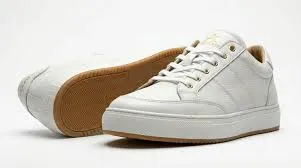
The running world has undergone a massive transformation over the last decade. Thick midsoles, ultra-responsive foams, and rigid internal plates have shifted from elite racing secrets to standard features found on any local bike path or running trail. Among the brands leading this maximalist, high-performance charge, Hoka has secured a massive foothold. Known for their signature plush cushioning, the brand has successfully integrated carbon-fiber and plastic plates into several models.
Naturally, this innovation sparks a major question for everyday runners: Can you wear these advanced shoes for your regular, day-to-day miles? Specifically, are carbon-plated Hokas bad for your daily training?
While the allure of feeling faster on an easy Tuesday morning is tempting, sports podiatrists, physical therapists, and biomechanics experts urge caution. To understand why, we need to look beneath the foam and examine how these shoes alter your natural stride, impact your muscles, and influence your long-term injury risk.
The Anatomy of a Carbon-Plated Running Shoe
To understand the impact on daily training, it helps to know exactly what happens inside a plated shoe. A carbon-plated hoka trainers is not just a standard shoe with a stiff piece of material shoved into the middle. It is an integrated system consisting of three core elements:
- High-Rebound Foam: Advanced, lightweight midsoles that compress and return energy at a much higher rate than traditional EVA (ethylene-vinyl acetate) foam.
- The Carbon Fiber Plate: A rigid, often curved plate embedded within the foam. It acts as a lever to stabilize the soft foam and snap the foot forward.
- Rocker Geometry: A curved sole shape (which Hoka calls the Meta-Rocker) that mimics a wheel, rolling the foot from heel or midfoot strike to toe-off with minimal effort.
When these three elements work together, they increase your running economy. This means you burn slightly less energy at a given pace. However, the system is designed for forward propulsion at high speeds, which creates a specific set of physics that might not align with the goals of daily base building.
The Risks of Wearing Carbon Plates for Every Run
Using a super shoe or a plated trainer for specialized speed workouts or race days is highly effective. The problems arise when these shoes become your default option for recovery runs, easy paces, and daily base miles.
1. Muscle Laziness and Altered Biomechanics
The primary objective of a carbon plate is to do some of the mechanical work for you. By acts as a stiff lever, the plate reduces the workload on your calves, Achilles tendons, and the intrinsic muscles of your feet.
When you run in these shoes every day, your lower legs are essentially getting a free pass. Over time, muscles that do not have to work hard begin to weaken. If your calves and feet become accustomed to the shoe doing the heavy lifting, they lose their natural strength and resilience. When you eventually step into a non-plated shoe or walk barefoot, your weakened tissues may struggle to handle the stress.
2. Shifting Stress Up the Kinetic Chain
Energy cannot be destroyed; it can only be transferred. While a rigid plate reduces the workload on your lower leg and ankle complex, that mechanical stress does not just disappear. Instead, it travels further up your body.
Biomechanical studies indicate that plated shoes shift a significant amount of the load to your knees, hips, and lower back. During an intense race, this trade-off is often worth it for the performance gains. But during daily training, consistently overloading your knees and hips while bypassing your natural shock absorbers (your calves and feet) can lead to overuse injuries higher up the kinetic chain.
3. Increased Risk of Specific Injuries
As plated shoes have grown in popularity, physical therapists have noticed a shift in the types of running injuries walking through their doors. Daily use of stiff, plated footwear is frequently linked to:
- Proximal Plantar Fasciitis: Because the foot is kept rigid by the plate, the natural flexing motion of the plantar fascia is restricted, leading to localized strain near the heel.
- Hip Flexor and Glute Strain: The aggressive forward roll of the shoe forces the hips into deeper extension, which can irritate the surrounding musculature if they are not prepared for the volume.
- Stress Fractures: The combination of stiff plates and hyper-responsive foam can alter the timing of peak impact forces, sometimes channeling stress into the metatarsals or the tibia.
4. Changing Your Natural Stride
Daily training is meant to reinforce your body’s natural, efficient movement patterns. Plated shoes force your foot into a pre-determined path dictated by the shape of the plate and the rocker. Visit hokatrainersuk.com to check more collection of hoka.
Forcing your body into an artificial stride pattern day after day prevents you from developing a stable, authentic running form. If the shoe is always controlling your foot strike and toe-off, your nervous system misses out on the sensory feedback required to build natural efficiency and balance.
When Are Plated Hokas Acceptable in Training?
This does not mean you need to banish your plated shoes to the back of the closet until race day. There is a strategic place for them within a structured training block.
Speed Days and Tempo Runs
Plated models excel when you are asking your body to move fast. During interval sessions, tempo runs, or simulation workouts, the stiffness of the plate helps you maintain a crisp turnaround and high turnover. Using them once or twice a week for these specific efforts allows you to reap the performance benefits without over-conditioning your muscles to the plate.
Late-Stage Marathon Preparation
If you plan to race a half or full marathon in a carbon-plated shoe, your body needs to be familiar with how the shoe feels over long distances. Introducing the shoe on a few of your longest weekend runs helps prepare your muscles and joints for the specific loading patterns of the shoe, ensuring no surprises on race morning.
The Ideal Daily Training Footwear Strategy
If you want to maximize your longevity in the sport, the best approach is footwear rotation. Instead of relying on a single pair of advanced, plated shoes for every square foot of pavement you cover, build a rotation that serves different physiological purposes.
Shoe TypeBest Used ForWhat It Does for Your BodyTraditional Daily TrainerEasy runs, recovery miles, base buildingForces your feet and calves to engage naturally; distributes stress evenly.Flexible, Low-Profile ShoeShort runs, strides, gym workoutsStrengthens the intrinsic foot muscles and improves ankle mobility.Plated / Performance ShoeWorkouts, tempos, racesMaximizes running economy; reduces perceived exertion at high speeds.
By spending the majority of your weekly mileage in a non-plated, flexible daily trainer, you keep your feet and lower legs strong. Then, when you lace up your plated shoes for a hard workout or a race, you get a genuine performance boost because your body is strong, healthy, and ready to leverage the technology.
Listening to Your Body
Ultimately, footwear is highly individual. Some runners have rigid feet and strong calves that tolerate plated shoes better than others. However, the basic laws of biomechanics apply to everyone. If you choose to use plated shoes frequently, monitor your body closely for warning signs. New aches in your shins, unusual tightness in your hips, or a deep ache in your arches are clear signals that your feet need a break from the plates and a return to a more traditional, flexible training shoe.
Daily training is about building a powerful, resilient structural foundation. Do not let technology do the work that your muscles need to do to grow stronger.
Frequently Asked Questions
Can I wear carbon-plated shoes for slow, easy recovery runs?
It is not recommended. Carbon plates are mechanically engineered to function optimally at faster speeds when you apply greater force into the midsole. At slower, recovery paces, the plate remains stiff but does not return energy efficiently, which can cause awkward foot strikes and unnecessary strain on your joints.
Do carbon-plated shoes wear out faster than standard training shoes?
Yes, many race-day carbon-plated shoes use specialized, ultra-lightweight foams that degrade quicker than the durable foams found in standard daily trainers. While some plate-infused training models are built tougher, they generally lose their signature bounce and structural integrity sooner than a traditional shoe.
Will running in plated shoes make my feet weaker?
If used exclusively for all your miles, yes. Because the rigid plate minimizes the flexion of your toes and takes over the work of stabilization, the small muscles in your feet and the tendons in your lower legs do not have to work as hard, which can lead to weakness over time.
Related Reading
Why Lifestyle & Culture is Transforming the Global Industry Landscape
Welcome to our in-depth exploration of Lifestyle & Culture. In an era define...
Expert Insights: Navigating the Complex World of Lifestyle & Culture
Welcome to our in-depth exploration of Lifestyle & Culture. In an era define...