Are Red Wigglers or Earthworms Better to Buy? A Complete Guide
By Zoyi Adams
12 Views
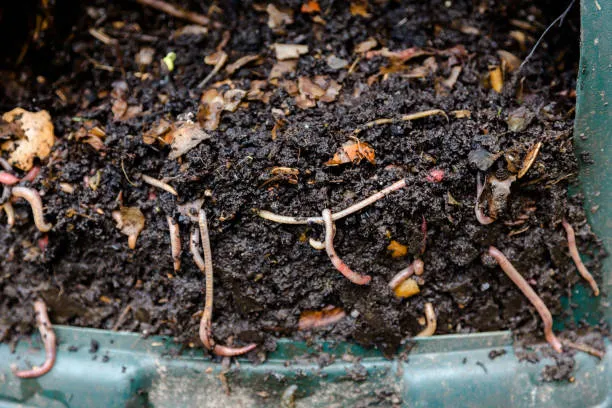
Choosing the right worms can make a big difference in your composting or gardening project. Red wigglers and common garden earthworms may look similar, but they have different habits, living environments, and uses. Buying the wrong type can make it difficult to achieve the results you want.
So, are red wigglers or earthworms better to buy? The answer depends on your goal. Red wigglers are generally the better choice for composting food scraps and producing worm castings. Common garden earthworms are more suitable for their natural outdoor soil environments. Understanding these differences will help you choose the right worms for your needs.
Understanding Red Wigglers and Common Earthworms
Red wigglers, commonly identified as Eisenia fetida, are composting worms that naturally live in decomposing organic material such as leaf litter and manure. They prefer environments with plenty of organic matter and are well adapted to living in worm bins.
Common garden earthworms include several species that live in mineral soil. Depending on the species, they may create shallow tunnels or deeper burrows. Their activities help move organic matter through the soil and contribute to natural soil processes.
Although both are earthworms, they are not interchangeable. Their natural habitats determine which type is better for a particular project.
Why Red Wigglers Are Better for Composting
If you want to recycle kitchen scraps, manage organic waste, or produce vermicompost at home, red wigglers are usually the better option.
These worms are surface dwellers, meaning they naturally live in the upper layers of organic material rather than digging deep underground. This makes them especially suitable for composting containers.
Some benefits of red wigglers include:
-
They feed on decomposing fruit and vegetable scraps.
-
They adapt well to properly maintained worm bins.
-
They reproduce under suitable environmental conditions.
-
They convert organic waste into nutrient-rich worm castings.
-
They work well in small household and larger composting systems.
Red wigglers are commonly sold by specialist worm farms because of their usefulness in vermicomposting. If you are planning to start a worm bin, you can explore live red wiggler composting worms and check the product details for species information and current availability.
When Are Common Earthworms a Better Choice?
Common garden earthworms serve a different purpose. Many species are adapted to living in regular garden soil, where their movement helps create channels and move organic material through different soil layers.
They may be a better fit when your interest is maintaining a natural outdoor soil ecosystem rather than running a composting bin.
However, buying earthworms and releasing them into a garden is not always necessary. Many gardens already contain native or established earthworm populations. Instead of introducing unfamiliar worms, gardeners can encourage existing populations by adding organic matter, maintaining soil moisture, and reducing unnecessary digging.
It is also important to check local environmental guidance before introducing worms outdoors. Some non-native earthworm species can negatively affect particular ecosystems.
Red Wigglers vs. Earthworms: Key Differences
|
Feature |
Red Wigglers |
Common Garden Earthworms |
|
Main habitat |
Decomposing organic matter |
Mineral garden soil |
|
Preferred environment |
Worm bins and compost piles |
Outdoor soil |
|
Composting suitability |
Excellent |
Generally unsuitable for worm bins |
|
Burrowing behavior |
Mostly surface-dwelling |
Varies by species |
|
Common purpose |
Vermicomposting |
Natural soil activity |
|
Best buying reason |
Processing organic waste |
Only when a suitable local soil species is specifically needed |
The main takeaway is simple: choose red wigglers for a managed composting system and avoid treating ordinary garden earthworms as a substitute.
What About European Nightcrawlers?
European nightcrawlers are another worm option worth considering. Commonly identified as Eisenia hortensis, they are larger than red wigglers and are used in certain composting systems and fishing applications.
They offer a different option for people who want larger composting worms, but they are not the same as common garden nightcrawlers such as Lumbricus terrestris.
If you are comparing composting species, European nightcrawlers are worth reviewing alongside red wigglers. Consider your bin design, feeding routine, and the supplier's care recommendations before deciding.
What to Check Before Buying Worms
Once you know which type you need, take some time to compare suppliers. A good purchase involves more than choosing the cheapest package.
Confirm the species: Look for the common name and scientific name. A listing that only says "earthworms" may not provide enough information.
Check the quantity: Worms are often sold by weight, but the number of individual worms varies with size and maturity. Ask whether the advertised weight includes bedding.
Review shipping conditions: Live worms need appropriate packaging and protection from extreme temperatures. Check delivery coverage, dispatch schedules, and live-arrival terms.
Choose a knowledgeable supplier: A specialist seller should be able to explain the worms' intended use and provide basic care instructions.
Before preparing your composting setup, you can also review worm bedding and food supplies to understand what materials may be suitable for maintaining a healthy worm habitat.
How to Prepare a Worm Bin for Red Wigglers
Buying the right worms is only the beginning. Their environment must also support healthy feeding and activity.
Start with a container that provides enough space and ventilation. Add damp bedding made from shredded uncoated cardboard, coconut coir, aged leaves, or suitable mature compost.
The bedding should feel like a wrung-out sponge rather than being soaked with water. Add small amounts of suitable fruit and vegetable scraps, and bury them beneath the bedding to reduce odors and unwanted pests.
Keep the bin away from direct sunlight and extreme temperatures. Avoid adding more food than the worms can process, and check moisture and airflow regularly.
A well-maintained environment is more important than simply buying a large number of worms.
Frequently Asked Questions
Are red wigglers better than earthworms for composting?
Yes. Red wigglers are adapted to decomposing organic material and are widely used in vermicomposting. Most common garden earthworms are not suitable replacements in a managed worm bin.
Can red wigglers live in garden soil?
They can survive in suitable organic-rich environments, but ordinary garden soil may not provide the conditions they prefer. They should not be introduced outdoors without considering local environmental guidance.
Are European nightcrawlers the same as red wigglers?
No. European nightcrawlers and red wigglers are different species with different sizes and characteristics, although both can be used in certain composting systems.
Which worms should beginners buy?
For beginners starting a household composting bin, red wigglers are generally the most practical choice because they are well suited to managed vermicomposting.
Final Thoughts
When deciding whether red wigglers or earthworms are better to buy, start by identifying your main purpose. Red wigglers are usually the best option for composting kitchen scraps, maintaining a worm bin, and producing vermicompost. Common garden earthworms play a different role in outdoor soil ecosystems and should not automatically be purchased for composting.
Choose a suitable species, buy from a knowledgeable supplier, and prepare the right environment before introducing your worms. With the correct setup and consistent care, your worm project will have a much better foundation for long-term success.
Related Reading
Why Business & Finance is Transforming the Global Industry Landscape
Welcome to our in-depth exploration of Business & Finance. In an era defined...
Expert Insights: Navigating the Complex World of Business & Finance
Welcome to our in-depth exploration of Business & Finance. In an era defined...