Benefits of Carpet Stretching for a Better-Looking Floor
By Ellie Goulding
70 Views
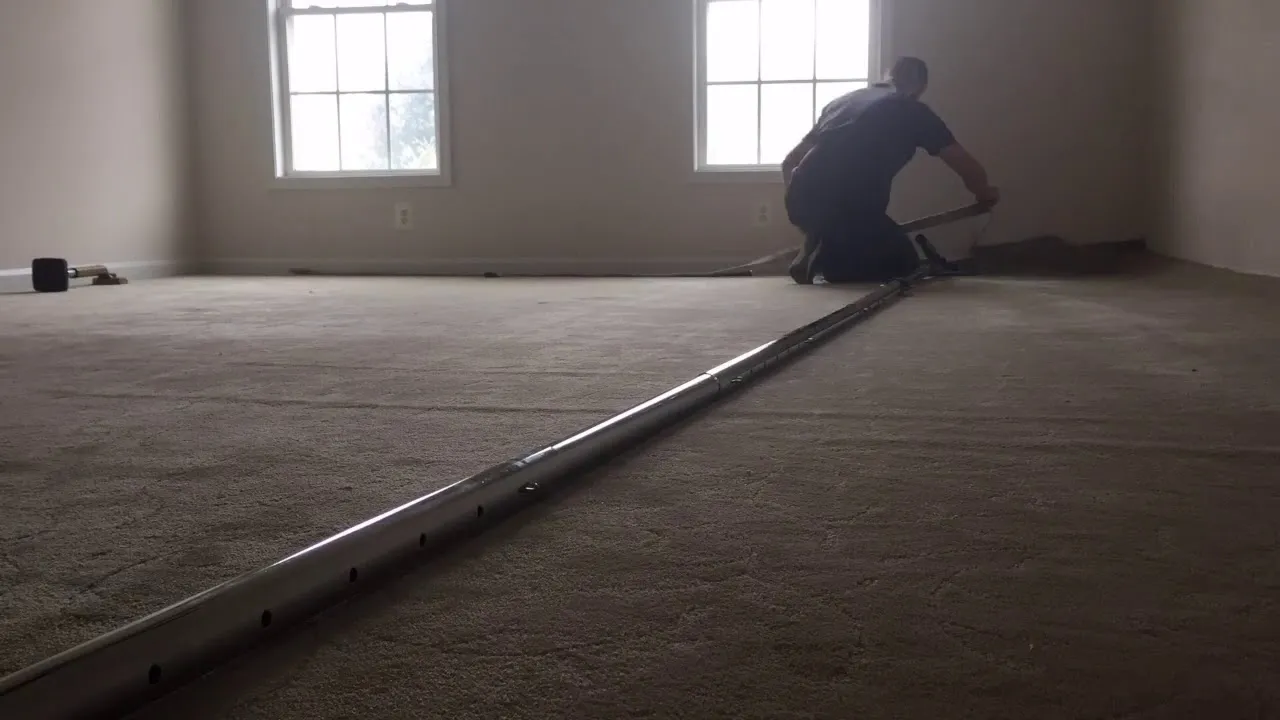
Carpet can lose its smooth appearance over time due to regular foot traffic, furniture movement, humidity, or natural wear. Loose sections may develop waves, ripples, or raised areas that make the floor look untidy and can create a tripping concern. Carpet stretching is a repair process that pulls the material back into proper tension and secures it so the surface becomes smoother and more stable.
Why Carpet Develops Wrinkles
Several factors can cause carpet to become loose. Poor installation is one possible reason, especially when the material was not stretched correctly when first installed. Heavy furniture can also affect the carpet over time. Changes in temperature and humidity may contribute to movement, while frequent foot traffic can gradually reduce tension. Understanding the cause is useful because simply flattening a wrinkle may not solve the underlying problem.
Improving the Appearance of the Room
Wrinkled carpet can make an otherwise clean room appear neglected. Stretching removes many visible ripples and helps restore a more even surface. This can make furniture sit more naturally and give the entire room a cleaner appearance. Instead of replacing carpet that is still in reasonable condition, stretching may provide a practical way to improve its appearance and extend its useful life.
Reducing Tripping Risks
Raised carpet sections can become a safety concern, particularly in hallways, stairs, entrances, and areas with frequent foot traffic. A person may catch a foot on a loose section and lose balance. Proper stretching helps reduce excessive movement and creates a flatter walking surface. It is still important to inspect the carpet and padding carefully because severe damage may require a different type of repair.
Protecting Carpet From Further Damage
Loose carpet can experience additional wear when it repeatedly moves underfoot. Fibers may become damaged, seams can be placed under extra stress, and the backing may deteriorate in affected areas. Addressing loose sections early can help limit this type of wear. Professional carpet stretching services can assess the condition of the material and determine whether stretching is suitable for the problem.
Inspecting the Carpet Before Work
A proper repair should begin with an inspection. The condition of the carpet, backing, padding, seams, tack strips, and surrounding flooring can affect the results. Some wrinkles may be caused by issues underneath the carpet rather than simple loss of tension. Checking these areas helps determine the appropriate repair method and reduces the chance of treating only the visible symptom.
Using the Right Equipment
Carpet stretching requires suitable tools to achieve even tension. Professional equipment can grip the carpet securely and pull it across the affected area without creating unnecessary damage. The material is then positioned and secured properly. Using basic household tools may not provide enough control and can lead to uneven stretching, damaged fibers, or additional wrinkles.
Understanding Power Stretching
Power stretching is a method commonly used when larger sections of carpet have become loose. The equipment applies controlled tension across the room rather than pulling only a small section by hand. This can produce more consistent results when the carpet has significant movement. The appropriate technique depends on the size and condition of the carpet, so the area should be evaluated before work begins.
When Local Stretching May Be Enough
Not every problem requires an entire room to be stretched. A limited wrinkle or loose section may sometimes be corrected with a targeted repair. This can be useful when most of the carpet remains properly secured. The technician should determine whether the issue is isolated or connected to a larger installation problem before deciding how much of the carpet needs attention.
Considering Carpet Padding
Padding supports the carpet and contributes to how it feels underfoot. Damaged, compressed, or unsuitable padding can affect the performance of a stretched carpet. If the padding has serious problems, stretching alone may not provide a lasting solution. An inspection can help determine whether the existing padding can remain in place or should be repaired or replaced.
Working With Experienced Professionals
Carpet stretching is more than simply pulling the material until it looks flat. The correct amount of tension is important because too little may leave wrinkles, while too much can damage the carpet or its backing. Experienced carpet technicians can evaluate the material, use suitable equipment, and secure the carpet correctly. Their approach can help reduce the chance of creating new problems during the repair.
Deciding Between Repair and Replacement
Carpet stretching is generally most useful when the carpet is still in acceptable condition but has become loose. Replacement may be more suitable when the material has extensive staining, severe fiber damage, worn backing, major seam failure, or widespread deterioration. Comparing the overall condition of the carpet with the expected repair cost can help property owners choose the more practical option.
Maintaining a Stretched Carpet
After stretching, regular care can help preserve the improved appearance. Vacuuming removes dirt that can wear down carpet fibers, while furniture should be moved carefully to avoid pulling the material. Heavy objects should not be dragged across the floor. Addressing new wrinkles quickly can also help prevent them from becoming larger or causing additional damage.
Final Thoughts on Carpet Care
Carpet stretching can restore a smoother appearance and improve the usability of flooring that has become loose or wrinkled. A proper inspection is important because the cause of the problem determines whether stretching, padding repair, seam work, or replacement is appropriate. With suitable equipment, careful installation methods, and regular maintenance, property owners may be able to extend the useful life of existing carpet instead of replacing it prematurely.