Benefits of Custom Plantation Shutters for Modern Homes
By Tom Roberts
64 Views
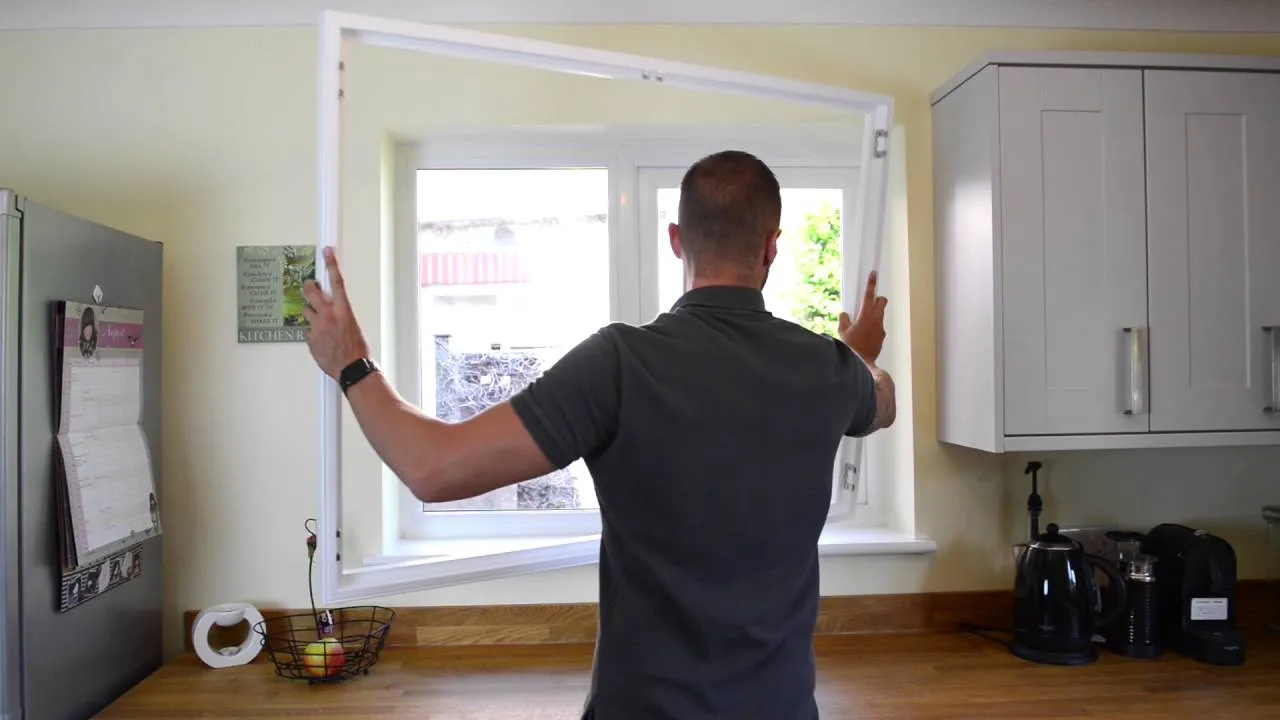
Window coverings can affect privacy, natural light, temperature, and the overall appearance of a room. Plantation shutters are a popular option because they combine adjustable louvers with a structured frame. The louvers can be tilted to control how much sunlight enters the room, while the frame provides a finished appearance around the window. Their simple design also allows them to work with many interior styles.
Controlling Natural Light
One of the main advantages of this type of window covering is light control. Louvers can be adjusted to let in a small amount of daylight or opened wider when a brighter room is preferred. This flexibility can be useful throughout the day as sunlight changes. Homeowners can also close the louvers when direct sunlight becomes uncomfortable, helping create a more pleasant indoor environment.
Improving Privacy at Home
Privacy is another important consideration when choosing window treatments. Adjustable louvers allow homeowners to limit the view from outside while still allowing some natural light into the room. This can be especially useful for bedrooms, bathrooms, living rooms, and windows facing streets or nearby properties. The level of privacy can be changed quickly without completely blocking daylight.
Choosing a Custom Fit
Windows are not always the same size or shape. Older homes, remodeled rooms, and unusual openings may have dimensions that do not work well with standard products. Custom plantation shutters Ellisville MS can be measured and designed according to the specific window opening. A proper fit can create a cleaner appearance and help the shutters operate smoothly without unnecessary gaps around the edges.
Selecting Suitable Materials
The material used for shutters can affect appearance, weight, durability, and maintenance needs. Wood can provide a natural look, while composite materials may offer another option for rooms where moisture or regular cleaning is a concern. The best choice depends on the location of the window, interior design, budget, and expected use. Homeowners should compare material characteristics before making a final selection.
Matching Different Interior Styles
Shutters have a clean and structured appearance that can complement many decorating styles. They can work with traditional interiors, modern rooms, simple spaces, and more detailed designs. Color and finish choices also provide opportunities to coordinate the window treatment with walls, flooring, cabinets, and furniture. A carefully selected finish can make the shutters feel like part of the room rather than an added feature.
Supporting Temperature Control
Windows can influence how warm or cool a room becomes. During bright periods, closed louvers can reduce direct sunlight entering the space. When outdoor conditions change, adjusting the louvers can help manage the amount of sunlight reaching the room. Shutters should not be viewed as a replacement for insulation or a complete energy solution, but they can be one part of a home's overall approach to indoor comfort.
Making Cleaning Easier
Some window treatments have many small sections where dust can collect, making them difficult to clean. Shutters have relatively simple surfaces that can usually be dusted or wiped with appropriate cleaning materials. Regular cleaning can keep the louvers and frames looking fresh. Homeowners should follow the care instructions for the specific material to avoid damaging finishes or exposing certain products to excessive moisture.
Considering Different Louver Sizes
Louver size can influence both the appearance and function of a shutter. Larger louvers may provide a more open appearance and allow a wider view when they are tilted, while smaller louvers can create a different visual balance. The right choice depends on window dimensions and personal preference. Looking at samples before ordering can help homeowners understand how different sizes will appear in their rooms.
Thinking About Window Operation
The position and operation of the existing window should be considered before installation. Some windows open inward, slide, tilt, or have hardware that could interfere with the shutter frame. Proper planning helps ensure that the finished treatment does not prevent normal window use. Measurements should account for handles, locks, trim, and other features around the opening.
Adding Long-Term Value
A well-designed window treatment can remain useful for many years when it is made from suitable materials and maintained properly. Unlike temporary coverings that may need frequent replacement, shutters are installed as a more permanent feature. Their ability to control light and privacy while maintaining a consistent appearance can make them a practical choice for homeowners planning to stay in their property for an extended period.
Comparing Shutters With Other Options
Homeowners can choose from curtains, blinds, shades, and several other window coverings. Each option has different advantages. Curtains can provide softness and decorative variety, while blinds offer adjustable light control in a lightweight format. Shutters provide a more solid appearance and are attached directly around the window opening. Comparing operation, maintenance, appearance, privacy, and expected lifespan can help determine which option fits a particular room.
Planning the Installation
Installation should begin with accurate measurements and a review of the window opening. The frame must be positioned correctly so that doors or panels operate without rubbing or obstruction. Wall conditions, trim, window depth, and existing hardware may also affect the installation. Taking time to plan these details can reduce adjustment problems and help create a cleaner finished result.
Final Thoughts on Window Shutters
Plantation shutters can offer a practical combination of light control, privacy, simple maintenance, and lasting visual appeal. Their custom sizing makes them suitable for windows with different dimensions, while various materials, colors, finishes, and louver sizes provide design flexibility. By considering window operation, room conditions, material selection, and installation requirements, homeowners can choose a window treatment that supports both everyday comfort and the overall look of their home.