Benefits of Expert Roofing Services for Bronx NY Homes
By Mark Harold
74 Views
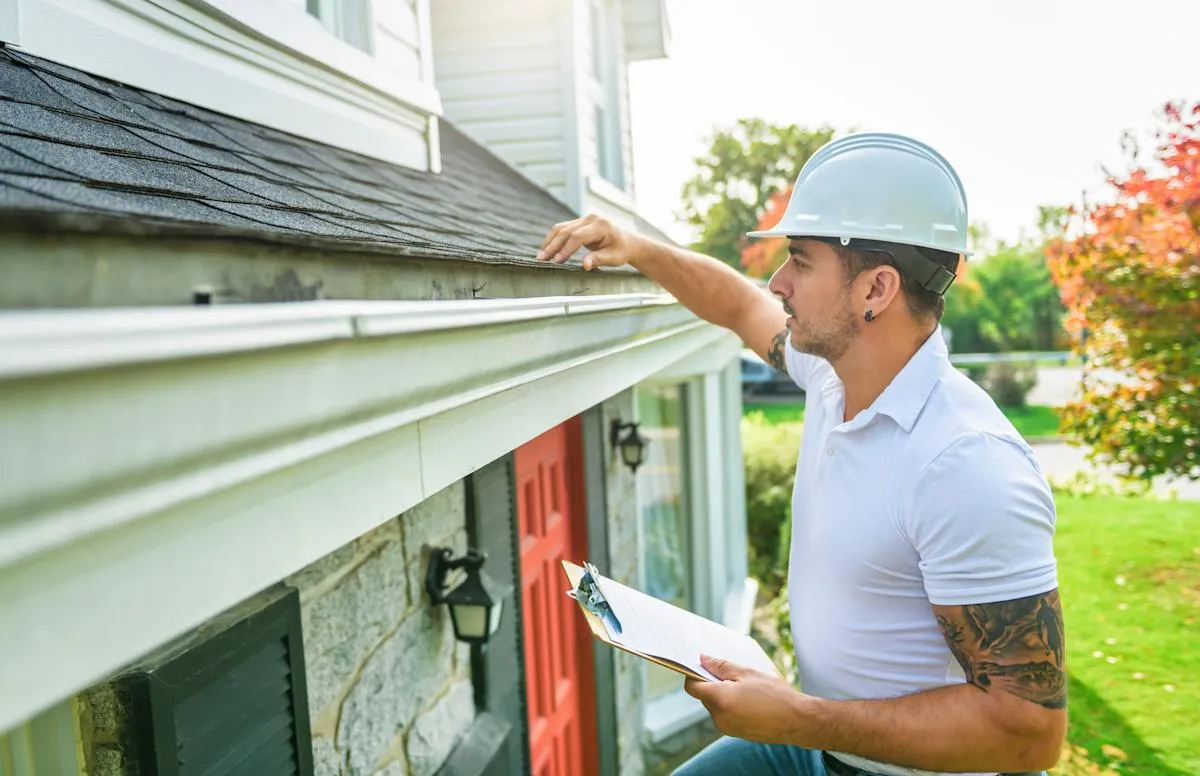
A roof protects a building from rain, wind, sunlight, snow, and changing outdoor temperatures. Because it remains exposed to the weather throughout the year, roofing materials can gradually develop signs of wear. Regular attention can help property owners identify problems before they affect ceilings, walls, insulation, or other parts of the building. A properly maintained roof can also contribute to the overall comfort and protection of a property.
Recognizing Early Roofing Problems
Small roofing issues are not always easy to notice from inside a building. Missing or damaged shingles, cracked flashing, loose materials, blocked drainage areas, and worn seals can allow water to enter over time. Stains on ceilings or walls may be signs that moisture has already reached the interior. Regular visual checks can help property owners notice changes early and arrange an inspection before the damage becomes more extensive.
Protecting the Property From Water
Water is one of the main concerns when a roof is damaged. Even a small opening can allow moisture to reach insulation, wood framing, drywall, and other materials. Continued exposure may contribute to rot, staining, or mold growth. Expert Roofing Services in Bronx NY can help identify areas where water may be entering and determine the appropriate repair method based on the condition of the roof.
Choosing Suitable Roofing Materials
Different roofing materials have different characteristics, costs, maintenance needs, and expected lifespans. Asphalt shingles are common because they are available in many styles and are relatively simple to install. Metal roofing can provide durability and a different appearance, while other materials may be selected for specific architectural or performance needs. The right choice depends on the building design, budget, weather exposure, and long-term plans.
Understanding Roof Ventilation
Ventilation is an important part of roof performance. Proper airflow can help manage heat and moisture within the roof space. Poor ventilation may contribute to condensation, excessive heat buildup, and premature deterioration of certain materials. A roofing inspection can help determine whether existing vents are functioning properly and whether the roof structure has suitable airflow for the building.
Keeping Gutters and Drainage Clear
Rainwater needs a clear path away from the roof and building. Blocked gutters and downspouts can cause water to collect along roof edges or near the foundation. Leaves, dirt, branches, and other debris should be removed regularly to maintain drainage. Properly positioned downspouts can also help direct water away from the structure and reduce the chance of moisture-related problems.
Checking Flashing and Roof Edges
Flashing is used around areas where roofing materials meet walls, chimneys, vents, skylights, and other openings. These locations can be vulnerable to water entry if flashing becomes loose, cracked, or damaged. Roof edges also require attention because wind and weather can affect exposed materials. During maintenance, these areas should be checked carefully instead of focusing only on the main roof surface.
Preparing for Severe Weather
Strong winds and heavy rain can place additional stress on roofing systems. Before periods of severe weather, property owners can inspect visible areas, clear drainage systems, and address known weaknesses. After a major storm, the roof should be checked for missing materials, damaged flashing, fallen branches, or other visible changes. Prompt attention can help prevent a minor storm-related problem from becoming a larger water damage issue.
Deciding Between Repair and Replacement
A damaged roof does not always need complete replacement. The decision depends on the age of the roof, extent of damage, condition of the underlying materials, previous repairs, and expected remaining lifespan. Small localized problems may be repaired, while widespread deterioration may make replacement more practical. A detailed inspection can provide useful information before a property owner commits to a major project.
Planning Roofing Work Carefully
Roofing projects require more than choosing materials and setting a work date. The building's structure, roof slope, drainage, existing materials, ventilation, and surrounding features should be considered. A clear project plan can help reduce delays and unexpected changes. Property owners should also understand the scope of work, material specifications, maintenance needs, and any applicable local requirements before construction begins.
Working With a Local Construction Team
Roofing may be part of a larger building project, particularly when repairs involve walls, exterior surfaces, structural components, or additions. Local Construction Company Bronx NY services can be useful when several parts of a property need coordinated work. Having related construction tasks properly planned can make it easier to address underlying issues instead of repairing only the visible roofing problem.
Maintaining a Roof After Repairs
Roof maintenance should continue after repair or replacement work is completed. Property owners can keep gutters clear, watch for damaged materials, trim branches that hang over the roof, and check interior ceilings for signs of moisture. Professional inspections can also be useful when the roof reaches an older stage or after significant weather events. Consistent care can help preserve roofing materials and reduce unexpected repair needs.
Considering Long-Term Roofing Costs
The cheapest roofing option is not always the most economical over time. Material lifespan, maintenance requirements, installation quality, energy performance, and future repair needs can all affect the total cost of ownership. Comparing these factors helps property owners make decisions based on long-term value rather than the initial price alone. A well-planned roofing investment can provide protection while reducing avoidable maintenance concerns.
Final Thoughts on Roofing Care
A strong roof is an important part of a well-maintained property. Regular inspections, proper drainage, suitable materials, good ventilation, timely repairs, and careful maintenance can help protect the structure from weather-related damage. Property owners who understand these basic roofing considerations can identify potential problems sooner and make more informed decisions about repairs, maintenance, and eventual replacement.