Benefits of Interior Home Inspections for Property Owners
By Tien Blackwood
57 Views
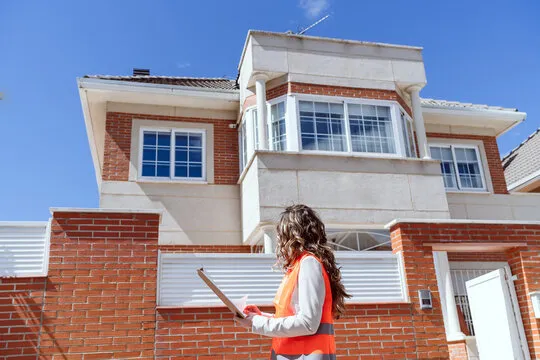
An interior home inspection provides a closer look at the condition of important areas inside a property. It can help identify visible problems with walls, ceilings, floors, doors, windows, electrical components, plumbing fixtures, and other systems. The purpose is not simply to find faults but to give property owners a clearer understanding of the building's current condition. This information can support better decisions about maintenance, repairs, buying, or selling a home.
Checking Walls and Ceilings
Walls and ceilings can reveal signs of moisture, movement, poor workmanship, or other concerns. Inspectors may look for cracks, stains, peeling finishes, damaged surfaces, and areas that appear uneven. A small mark may have a simple cause, but some signs can point toward a larger issue behind the surface. Interior home inspection Gulf Breeze FL can help document these visible conditions so property owners know which areas may require further attention.
Examining Floors and Stairs
Floors should provide a stable and reasonably even walking surface. During an inspection, visible damage, loose flooring, excessive movement, and signs of moisture may be noted. Stairs also deserve careful attention because loose components or damaged surfaces can create safety concerns. Inspectors may review steps, railings, landings, and other accessible areas to identify conditions that should be repaired or monitored.
Reviewing Doors and Windows
Doors and windows affect security, ventilation, comfort, and everyday use. An inspection can include checking whether they open and close properly and whether visible frames, glass, locks, and surrounding areas appear to be in suitable condition. Damaged seals or signs of moisture around windows may deserve further investigation. Properly functioning openings can also help reduce unwanted drafts and improve the overall usability of interior spaces.
Looking at Electrical Components
Electrical systems are an important part of a property inspection. Accessible outlets, switches, fixtures, panels, and other visible components may be reviewed for signs of damage or unsafe conditions. Inspectors generally focus on observable issues rather than opening concealed areas or performing invasive work. If a concern is identified, a qualified electrician may be recommended for further evaluation and repair.
Inspecting Plumbing Fixtures
Interior plumbing fixtures can show signs of leaks, poor drainage, corrosion, or other problems. Sinks, toilets, tubs, showers, visible supply lines, and accessible pipes may be checked during an inspection. Water stains or damp areas around plumbing fixtures can also provide useful clues. Addressing leaks early can help prevent damage to flooring, walls, cabinets, and other building materials.
Evaluating Kitchens and Bathrooms
Kitchens and bathrooms contain several systems that require regular use, including plumbing, electrical fixtures, ventilation, cabinets, and flooring. These rooms may receive special attention during an inspection because moisture and frequent use can contribute to wear. Inspectors may document visible damage, leaks, ventilation concerns, or fixture problems. Property owners can then decide which issues require immediate repair and which can be handled as part of routine maintenance.
Checking Ventilation and Indoor Conditions
Good ventilation helps control moisture and supports a more comfortable indoor environment. Bathrooms, kitchens, laundry areas, and other rooms may need adequate ventilation to reduce excess humidity. Inspectors can look for visible signs of poor ventilation, such as condensation or moisture-related damage. A property with ongoing humidity problems may need additional evaluation to determine the underlying cause.
Reviewing the Heating and Cooling System
Interior areas connected to heating and cooling equipment can provide useful information about system performance. Accessible vents, thermostats, registers, and visible components may be examined for obvious concerns. Uneven temperatures, weak airflow, unusual sounds, or other changes in operation may be worth reporting. A specialized HVAC technician may be needed when an issue requires technical testing beyond a standard inspection.
Identifying Moisture-Related Concerns
Moisture is one of the conditions property owners should take seriously. Stains, damaged finishes, musty odors, swollen materials, or visible mold-like growth can indicate that water has entered an area or that humidity is too high. An inspection may document visible evidence, but determining the exact source may require additional testing or specialized evaluation. Finding moisture concerns early can help reduce the chance of more extensive property damage.
Why Inspections Matter Before Buying
A property inspection can provide useful information before a purchase is completed. Buyers may notice the appearance of a home during a viewing but may not recognize less obvious maintenance concerns. An inspection offers a more structured review of accessible areas and systems. Property inspection Gulf Breeze FL can give buyers information they can use when discussing repairs, planning future maintenance, or deciding whether the property fits their expectations.
Maintaining an Existing Property
Inspections are not only useful for buyers. Current homeowners can also benefit from understanding the condition of their property. A periodic review may reveal issues that have developed over time, especially in older homes. Finding minor problems before they become major repairs can help with maintenance planning and budgeting. Inspection findings can also provide a useful record of areas that need monitoring.
Understanding the Inspection Report
After an inspection, the report should be reviewed carefully rather than focusing only on the number of issues listed. Not every finding represents a major defect. Some items may be routine maintenance concerns, while others may require prompt attention or evaluation by a specialist. Understanding the difference can help property owners prioritize repairs and avoid unnecessary worry about minor conditions.
Final Thoughts on Interior Inspections
An interior inspection gives property owners valuable information about the visible condition of a home. Reviewing structural surfaces, plumbing, electrical components, windows, doors, floors, ventilation, and other accessible areas can reveal concerns that may otherwise be overlooked. Whether preparing to buy a property or maintaining an existing home, an inspection can support practical decisions and help create a clearer plan for repairs and ongoing care.