Benefits of Landscaping Services for Beautiful Outdoor Spaces
By Demi Lovato
69 Views
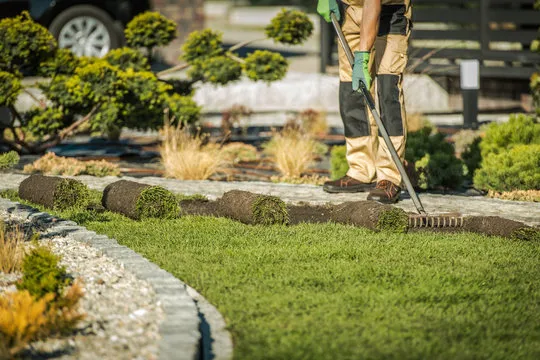
A well-planned outdoor space can make a property more enjoyable, functional, and visually balanced. Landscaping involves more than planting flowers or mowing grass. It can include planning plant areas, improving soil, managing drainage, creating pathways, adding outdoor features, and maintaining healthy vegetation. A thoughtful approach helps outdoor areas work with the property's layout while making better use of available space.
Planning the Outdoor Area
Good landscaping begins with a clear plan. Property owners should consider how the space will be used before selecting plants or adding features. A yard may need an area for children, entertaining, gardening, relaxation, or simple visual appeal. Sunlight, shade, soil conditions, water availability, existing trees, and property boundaries should also be considered. Planning these details first can reduce unnecessary changes later.
Choosing Plants for the Location
Plants should be selected according to the conditions where they will grow. Some plants prefer full sunlight, while others perform better in shaded areas. Soil type, moisture levels, seasonal temperatures, and available space can also affect plant health. Landscaping Services in Dexter MI can help property owners consider these factors when creating planting areas that are practical for the local environment and easier to maintain.
Creating a Balanced Garden Layout
A garden can look more organized when plants and features are placed with a clear purpose. Different heights, textures, shapes, and seasonal colors can add visual interest without making the area feel crowded. Taller plants can be positioned toward the back of a bed, while shorter plants can be placed closer to paths or open spaces. Repeating certain plants or materials can also create a consistent appearance.
Improving Soil Conditions
Healthy plants depend heavily on suitable soil. Compacted, poorly drained, or nutrient-deficient soil can make it difficult for roots to develop. Before planting, the soil may need to be tested and improved with appropriate organic material or other amendments. Proper preparation gives plants a better foundation and can reduce problems caused by weak growth, poor drainage, or unsuitable soil conditions.
Managing Water Effectively
Water management is an important part of outdoor planning. Too little water can stress plants, while excessive water can damage roots and contribute to drainage problems. Irrigation systems, rain gardens, grading, mulch, and carefully selected plants can all play a role in managing moisture. Efficient watering practices can also reduce waste and make routine yard care easier.
Designing Around Existing Features
Existing trees, fences, patios, walkways, and structures should be considered before changing a landscape. Removing or moving established features may not always be necessary. Instead, new planting areas can be designed around them. Large trees can provide shade, while existing paths can help determine how people naturally move through the yard. Working with the property's current layout can create a more natural result.
Adding Functional Outdoor Areas
Landscaping can improve how outdoor space is used. Seating areas, pathways, retaining walls, garden beds, lighting, and other features can turn an unused section of a property into a practical area. The design should match the available space and the property's needs. Clear paths can make movement easier, while defined areas can separate entertainment spaces from planting zones.
Selecting Low-Maintenance Options
Not every homeowner wants a yard that requires constant attention. Low-maintenance plants, mulch, durable ground covers, and efficient irrigation can reduce routine work. Choosing plants suited to local conditions can also help limit watering and replacement needs. Garden design services can be useful when homeowners want an attractive outdoor space while keeping maintenance requirements within a manageable level.
Considering Seasonal Changes
A landscape can look different throughout the year. Some plants bloom during specific seasons, while others provide foliage, structure, or texture for longer periods. Planning for seasonal changes can help prevent the yard from becoming visually empty after one group of plants finishes blooming. Combining plants with different growth and flowering periods can create interest across several seasons.
Protecting Plants With Proper Maintenance
Even a well-designed landscape needs regular care. Trimming, watering, mulching, weeding, fertilizing, and checking for pests can help plants remain healthy. Maintenance needs vary by plant type and season, so care should be adjusted accordingly. Overwatering and excessive pruning can cause problems just as easily as neglect. A simple maintenance schedule can make outdoor care more consistent.
Improving Property Appearance
A thoughtfully maintained landscape can complement the appearance of a home or commercial property. Clean planting beds, healthy grass, defined walkways, and properly maintained trees can create a more organized outdoor setting. The goal does not have to be an elaborate design. Even simple improvements can make the property look more cared for and create a better connection between indoor and outdoor areas.
Thinking About Long-Term Growth
Plants should be selected with their mature size in mind. A small plant may eventually become large enough to crowd windows, walkways, utility equipment, or neighboring plants. Giving plants enough room to grow can reduce the need for heavy pruning or relocation later. Long-term planning also helps ensure that trees and shrubs do not create avoidable problems as they mature.
Final Thoughts on Landscape Planning
A successful landscape combines thoughtful planning, suitable plants, practical features, proper water management, and ongoing care. Understanding the property's conditions before making changes can help homeowners avoid common mistakes and create outdoor areas that remain useful over time. Whether the goal is a relaxing garden, a functional yard, or improved curb appeal, careful landscape planning can make better use of outdoor space while keeping maintenance needs realistic.