Beyond the Screen: How Transparent LED Displays Are Changing Digital Signage
By Specktron
71 Views
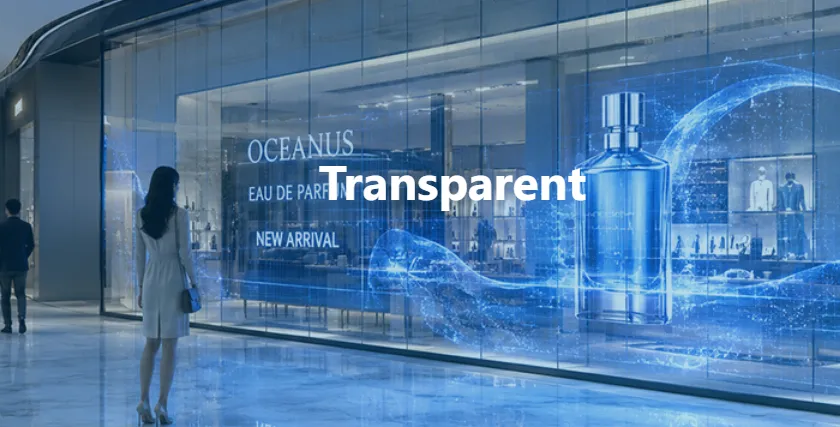
Digital displays are no longer limited to solid, rectangular screens placed against walls. As businesses look for more creative ways to communicate with customers, transparent LED displays are creating new possibilities for retail stores, exhibitions, showrooms, corporate spaces, and architectural environments.
Unlike conventional LED screens, transparent displays allow viewers to see through parts of the screen while digital content is displayed. This combination of physical surroundings and digital visuals creates a unique effect where information appears to exist within the environment rather than simply sitting on top of it.
What Is a Transparent LED Display?
A transparent LED display is a digital screen designed to display images, videos, text, and animations while allowing light and views to pass through portions of the display. This makes it different from conventional LED panels, which generally create a solid visual barrier.
The technology is particularly useful when businesses want to add digital content without completely blocking windows, glass surfaces, or the objects behind the screen. Depending on the design, transparency can help maintain the appearance of an open space while adding dynamic visual communication.
Transparent LED solutions are available for different commercial and architectural applications, and they can be considered alongside other LED formats such as indoor, outdoor, rental, flexible, and all-in-one displays.
How Does Transparent LED Technology Work?
The basic principle is similar to other LED displays: individual light-emitting diodes produce the pixels that create digital images. The major difference is the physical structure of the display.
Instead of using a completely solid panel, transparent designs use a structure that leaves spaces between display elements. These open areas allow light to pass through, creating the see-through effect.
When content is displayed, the illuminated LEDs attract attention while the background remains partially visible. This creates a layered visual effect that can be especially interesting in environments where physical products, architecture, or scenery need to remain visible.
Why Are Transparent LED Displays Becoming Popular?
One of the biggest advantages is the ability to combine digital communication with the physical environment.
Traditional signage can cover a wall or window completely. A transparent display can provide digital information while maintaining some visibility of what is behind it. This makes the technology useful for businesses that want strong visual communication without making a space feel closed or overcrowded.
For example, a retail store could use a transparent screen near a glass storefront to display promotional content while still allowing people to see the products or interior behind it.
The same principle can be applied to exhibitions, museums, showrooms, airports, hospitality environments, and corporate spaces.
Applications of Transparent LED Displays
Retail and Shopping Environments
Retail is one of the most interesting applications for transparent displays. Stores can use digital screens to communicate product information, promotions, brand stories, and seasonal campaigns while maintaining visibility of merchandise.
A display placed near a glass window can attract attention from people outside the store without completely blocking the view. This allows the digital content and physical products to work together rather than competing for attention.
Exhibitions and Showrooms
Exhibitions often require displays that attract visitors without creating visual barriers. Transparent LED technology can be used to present videos, product information, graphics, and interactive content while allowing visitors to see objects or installations behind the screen.
This can create a more layered experience where physical and digital elements exist together.
Museums and Cultural Spaces
Museums can use transparent displays to add digital information around physical exhibits. Instead of covering an artefact with a conventional screen, digital content can be positioned around or near it.
This can help provide additional information, animations, timelines, or educational content while keeping the physical exhibit visible.
Corporate and Hospitality Spaces
Corporate offices, hotels, restaurants, and other premium environments often place importance on interior design. A transparent display can add digital communication without introducing a large opaque screen into the space.
Reception areas, meeting spaces, lobbies, and feature walls can all provide opportunities for this type of technology.
Key Benefits of Transparent LED Displays
The main benefit is visual integration. The screen can become part of the surrounding environment instead of appearing completely separate from it.
Other potential benefits include:
- Creative design: Supports distinctive visual installations.
- Partial transparency: Allows the background to remain visible.
- Space efficiency: Can be used where traditional screens may obstruct views.
- Dynamic content: Supports video, graphics, text, and animations.
- Modern appearance: Creates a contemporary digital environment.
- Multiple applications: Suitable for retail, exhibitions, museums, hospitality, and corporate spaces.
The effectiveness of a transparent display still depends on factors such as brightness, transparency level, viewing distance, installation conditions, and content design.
What Should You Consider Before Choosing One?
Choosing a transparent display requires more than simply looking at screen size. Transparency, brightness, pixel pitch, viewing distance, installation location, and content requirements should all be considered.
The amount of ambient light is particularly important. A display installed near a bright window may require different brightness characteristics from one installed inside a controlled indoor environment.
The background also matters. Transparent displays work differently depending on what is behind them. A carefully designed installation can use the physical environment as part of the visual experience, while a poorly planned background may reduce content visibility.
Content design should also take transparency into account. Strong contrast, appropriate colors, and carefully positioned graphics can help digital content remain visible without completely hiding the physical environment
.
The Future of Transparent Digital Displays
The future of digital signage is increasingly focused on making technology feel like part of the environment. Instead of placing a screen in front of a product, building, or exhibit, designers can integrate digital content with the physical surroundings.
Transparent LED technology supports this direction by allowing digital visuals and real-world objects to coexist. As display technology continues to improve, we can expect more creative applications across retail, entertainment, museums, architecture, hospitality, and experiential marketing.
Conclusion
Transparent LED displays offer a different way to approach digital signage. Instead of creating a solid visual barrier, they combine digital content with the environment behind the screen.
Their ability to maintain visibility while displaying dynamic content makes them useful for retail windows, exhibitions, museums, showrooms, hospitality spaces, and architectural installations. The technology is particularly valuable when businesses want to create an eye-catching digital experience without completely hiding the physical environment.
As businesses continue to look for more creative and immersive ways to communicate, transparent displays could play an increasingly important role in the next generation of digital signage.