Bezel Engagement Rings for a Clean, Contemporary Look
By Antique cut
49 Views
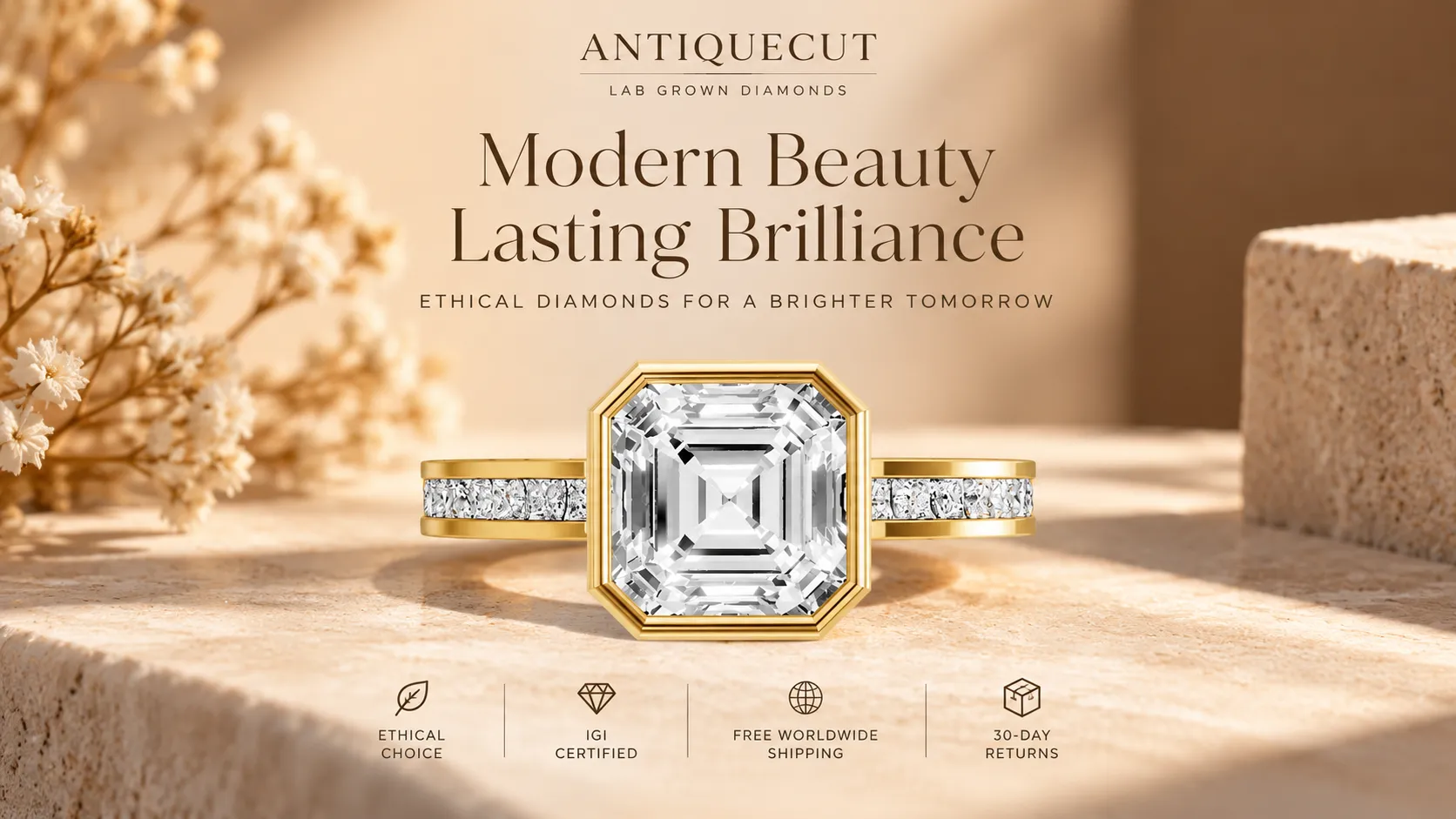
A well-chosen ring setting can change the entire appearance of an engagement ring. Bezel engagement rings are known for their smooth outline, secure stone placement, and neat profile. Instead of using individual prongs to hold the center stone, a bezel setting wraps a slim rim of metal around the stone. This creates a defined border while giving the ring a clean appearance that works well with many diamond shapes.
For shoppers who want something practical without giving up style, bezel settings offer an appealing option. They can suit traditional round diamonds, elongated shapes, and even lab-grown stones. Their simple structure also makes them a useful choice for people who wear their rings every day and prefer a setting that does not feel overly delicate.
What Makes a Bezel Setting Different?
A bezel setting holds the diamond or gemstone inside a metal frame that follows the outer edge of the stone. Depending on the design, the metal may surround the entire stone or cover only part of its perimeter.
This structure sets bezel rings apart from prong settings. A prong ring uses small metal claws positioned around the stone, while a bezel creates a continuous border. The result is a smooth surface with fewer raised details.
The shape of the bezel is usually designed to follow the diamond closely. For a round center stone, the metal frame may appear circular. For a pear-shaped or oval stone, the border follows the longer outline of the diamond.
This close-fitting design can also give the ring a distinct visual character. Rather than making the setting the main focus, it lets the shape of the center stone and the metalwork work together.
Why People Choose Bezel Set Engagement Rings
There are several practical reasons buyers consider bezel set engagement rings. One of the biggest advantages is the protected edge around the center stone. The surrounding metal can help reduce direct contact between the diamond and nearby objects during daily wear.
The smooth edges are another benefit. Since there are fewer exposed prongs, the ring may be less likely to catch on clothing, knit fabrics, or hair. This can be especially useful for people who work with their hands or prefer jewelry that feels easy to wear throughout the day.
Bezel settings also have a strong visual identity. They can look neat and structured without relying on complicated details. A simple bezel around a single stone can create a polished appearance, while a wider band or additional side stones can add more detail.
For buyers who want a ring that feels different from the usual prong style, the bezel offers a clear point of difference.
The Appeal of a Bezel Diamond Engagement Ring
A bezel diamond engagement ring can work with many diamond cuts, but the final look depends on how the metal frame interacts with the stone.
Round diamonds are a natural match for a full bezel because their curved outline creates a balanced border. Oval diamonds can appear slightly longer and more streamlined when paired with a narrow bezel. Emerald-cut and radiant-cut stones can also work beautifully when the setting follows their straight edges and defined corners.
The metal choice matters as well. White gold gives the ring a bright, consistent appearance around a colorless diamond. Yellow gold creates stronger contrast and can make the center stone stand out against the warm metal. Two-tone combinations can also be used when the designer wants to bring together different metal colors.
The width of the bezel should be considered carefully. A very narrow frame can keep the attention on the diamond, while a broader rim creates a stronger outline and may become a more visible part of the design.
Exploring Unique Bezel Engagement Rings
Not every bezel ring needs to have the same simple shape. There are many ways to create unique bezel engagement rings while keeping the practical qualities of the setting.
One option is an east-west arrangement, where an elongated diamond is positioned horizontally across the finger rather than vertically. This layout can give an oval, emerald, or marquise diamond a completely different appearance.
Another option is combining the bezel center with a detailed band. Small diamonds can be placed along the shoulders or lower part of the shank without changing the protected center setting.
A designer may also use a sculpted bezel with open sections underneath the stone. This allows more light into the setting while maintaining the metal frame around the stone.
For shoppers who want a personal touch, details such as mixed metals, engraved interiors, unusual band shapes, or custom proportions can make the finished ring feel more individual.
Bezel Solitaire Engagement Ring: Simple by Design
The bezel solitaire engagement ring is one of the easiest ways to understand the appeal of this setting. It places one main stone at the center and allows the bezel to create the defining feature of the ring.
Because there are no side stones competing for attention, the shape and size of the center diamond become especially important. A round diamond gives the ring a traditional outline, while an oval, pear, or marquise center can introduce a longer profile.
A solitaire bezel can also pair well with different band widths. A narrow band keeps the ring light and understated, while a slightly wider band creates a stronger visual presence.
This style may appeal to couples who value straightforward jewelry design. It can also be easier to coordinate with a wedding band because the overall structure does not depend on multiple surrounding stones.
Choosing a Lab Grown Bezel Engagement Ring
A lab grown bezel engagement ring combines the characteristics of a bezel setting with a lab-grown diamond. Lab-grown diamonds have the same crystal structure and chemical composition as diamonds formed naturally underground, while their origin is different.
The choice of setting remains important regardless of how the diamond was produced. A bezel frame can help protect the stone's outer edge, making it a practical option for regular wear.
Lab-grown diamonds are available in many shapes, sizes, and grades, so buyers should still compare the stone's cut, color, clarity, and carat weight before making a purchase.
It is also worth checking the certification and reviewing the ring's metal, band width, and setting dimensions. These details can affect both appearance and long-term comfort.
How to Shop Bezel Engagement Rings
When you shop bezel engagement rings, it helps to look beyond the center diamond. The setting itself has several details that can affect how the ring looks and feels.
Start with the diamond shape. Decide whether you prefer a round outline, elongated oval, sharp emerald-cut lines, or another shape. Then consider how much of the stone should be surrounded by metal.
Next, look at the band. A plain polished band creates a simple appearance, while a textured or diamond-set band adds more visual detail. Think about your existing jewelry as well, especially if you plan to wear the engagement ring next to a wedding band.
Comfort should also be part of the decision. Check the height of the center stone and the shape of the underside. A lower-profile bezel may sit closer to the finger and can work well for people who prefer less height.
Finally, choose a metal that matches your preferences and daily routine. White gold, yellow gold, rose gold, and platinum can each change the character of the same bezel design.
Matching a Bezel Ring With Your Wedding Band
One concern some shoppers have is finding a wedding band that sits comfortably beside the engagement ring. With bezel settings, the answer depends on the shape and height of the ring.
A straight wedding band may pair neatly with a low-profile bezel. If the center stone extends farther over the finger, a contoured or curved band may create a closer fit.
It can help to view the engagement ring and wedding band as one complete combination rather than choosing them separately. The thickness of each band, the height of the center setting, and the metal color all contribute to the finished look.
For those who prefer a matching set, choosing both pieces from the same collection can make coordination easier.
Caring for Your Bezel Engagement Ring
Although bezel settings can provide added protection around the stone, regular care is still important. Dirt and lotion can collect around the edge of the metal frame, particularly on the underside.
Clean the ring according to the care recommendations for its metal and diamond. A soft brush and suitable jewelry-cleaning solution can help remove buildup from areas that are difficult to reach.
It is also sensible to inspect the setting from time to time. Look for changes in the metal, signs of damage, or anything that feels loose or unusual. Professional inspection can be useful if the ring receives frequent wear.
Avoid exposing the ring to activities that could place unnecessary pressure on the metal. Removing it during heavy work, sports, or tasks involving harsh chemicals can help preserve its finish.
Finding a Bezel Style That Fits Your Personal Taste
The biggest advantage of bezel rings is their flexibility. They can feel simple, bold, understated, or highly detailed depending on the stone, metal, band, and proportions.
A round bezel solitaire may suit someone who prefers a classic shape with a clean structure. An east-west oval bezel can create a more unexpected look. A bezel with a diamond-set band can add extra detail without changing the protected center setting.
When exploring collections from jewelry brands such as Antiquecut, compare the full range of shapes, metals, band styles, and customization choices before making a decision. The right ring should not only look appealing in photographs but also feel comfortable for everyday wear.
Final Thoughts
Bezel settings offer a practical way to create an engagement ring with a smooth profile and clearly defined center stone. From bezel set engagement rings to solitaire designs and lab-grown options, there are many variations to consider.
The best choice comes down to the details that matter most to you: diamond shape, metal color, band style, setting height, comfort, and how the ring will fit with your wedding band.
With the right combination of these elements, a bezel ring can become a distinctive piece of jewelry that feels personal from the moment you put it on.
Related Reading
Why Lifestyle & Culture is Transforming the Global Industry Landscape
Welcome to our in-depth exploration of Lifestyle & Culture. In an era define...
Expert Insights: Navigating the Complex World of Lifestyle & Culture
Welcome to our in-depth exploration of Lifestyle & Culture. In an era define...