Blacksmith Aprons: Durable Protection for Metalwork
By Leather apron
73 Views
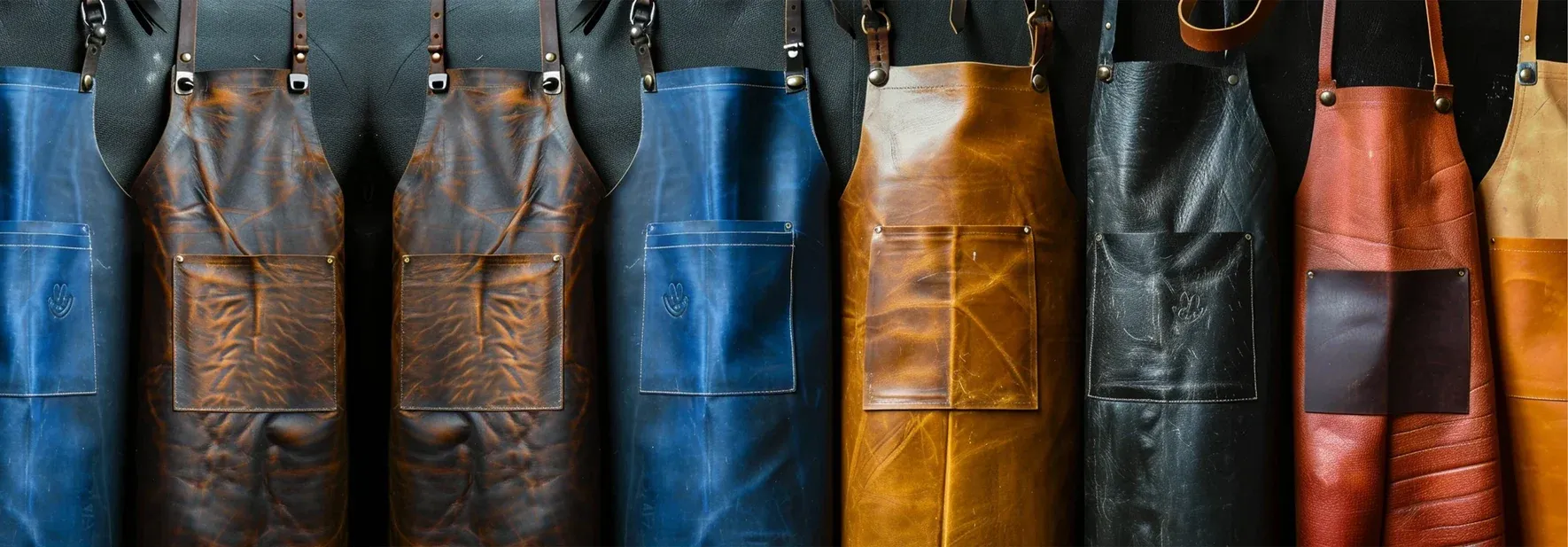
Blacksmithing is a demanding craft that requires skill, patience, and the right protective equipment. Working with hot metal, sparks, sharp tools, and rough surfaces can expose a blacksmith to several workplace hazards. A well-made blacksmith apron provides an important layer of protection while also making daily work more comfortable. Designed for demanding environments, these aprons help protect clothing and skin from sparks, heat, dust, and metal particles during forging and fabrication.
Why a Blacksmith Apron Matters
A standard work apron may not provide enough protection for heavy metalwork. Blacksmith aprons are typically made from durable materials that can handle demanding workshop conditions. Leather is a popular choice because it offers excellent resistance to abrasion and provides a strong protective barrier against sparks and hot debris. A properly fitted apron also keeps clothing away from machinery, tools, and rough metal edges.
Protection is not the only benefit. A good apron can make workshop tasks easier by providing useful pockets for small tools, measuring equipment, gloves, or other essentials. Instead of constantly walking back to a workbench, blacksmiths can keep frequently used items close at hand.
Choosing the Right Material
Material is one of the most important factors when selecting a blacksmith apron. Heavy-duty leather is widely preferred because it is tough, flexible, and suitable for intensive workshop use. The thickness and quality of the leather can affect both durability and comfort, so it is worth choosing an apron designed specifically for demanding work.
Other materials may also be suitable for particular tasks, but they should be selected according to the type of heat, sparks, chemicals, and mechanical hazards involved. Always check the manufacturer's safety information rather than assuming any apron is suitable for every type of metalwork.
Features to Look For
A practical blacksmith apron should combine protection with freedom of movement. Adjustable straps can help create a secure fit, while reinforced stitching can improve durability in areas that receive frequent stress. Large pockets are useful for carrying workshop essentials, but they should not interfere with movement or create additional hazards.
Length also matters. A longer apron can provide greater coverage, while a design with a comfortable fit around the shoulders and waist can reduce fatigue during extended projects. The best choice depends on your working position, tools, and the type of metalwork you perform.
Care and Maintenance
Even a durable blacksmith apron needs regular care. Remove metal dust and debris after use and inspect the apron for damaged stitching, worn areas, or other signs of deterioration. Leather aprons should be maintained according to the manufacturer's recommendations to help preserve their flexibility and strength.
Avoid using an apron that has become badly damaged or contaminated with substances that could create additional safety risks. Protective clothing works best when it is kept clean, maintained properly, and replaced when it can no longer provide adequate protection.
Final Thoughts
A blacksmith apron is a practical part of workshop safety for anyone who regularly works with metal. The right design can provide useful coverage while allowing enough flexibility to move, bend, and handle tools comfortably. By choosing a durable material, secure fit, suitable coverage, and practical features, blacksmiths can make their working environment more comfortable and better protected.
Whether you are an experienced metalworker or learning the craft, investing in suitable protective clothing is an important step toward responsible and enjoyable blacksmithing.