Building a Practical Framework for Sustainable Cooling in Hot Climates
By Alexa Jo
3 Views
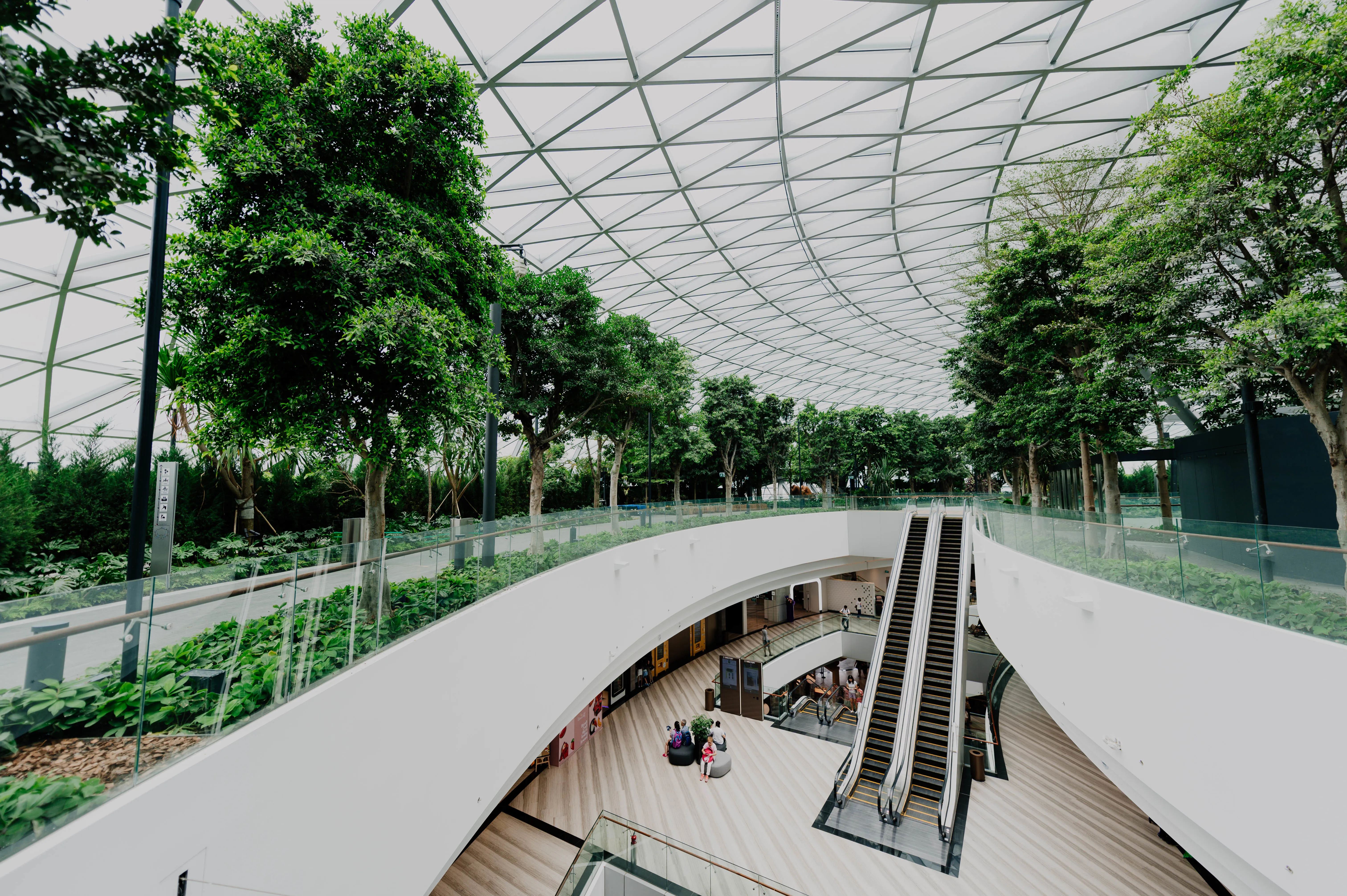
Cooling is essential to public comfort, workplace productivity and the operation of many modern buildings in hot climates. At the same time, cooling equipment can place significant demands on electricity, water and infrastructure. Developing sustainable cooling solutions requires a coordinated approach that considers technology, building design, energy supply and operational performance. Wider adoption of sustainable cooling systems depends not only on selecting efficient equipment but also on ensuring it is appropriately designed, maintained, and measured throughout its service life.
A sustainable approach should balance environmental objectives with reliability, affordability and indoor comfort. It should also recognise that different buildings have different needs. A hospital, residential property, warehouse and commercial tower may require different equipment, control strategies and levels of redundancy.
Defining Sustainable Cooling
Beyond equipment efficiency
Cooling efficiency is an important measure, but it is not the only factor that determines environmental performance. A complete assessment should consider electricity consumption, water use, refrigerants, equipment lifespan, maintenance, emissions, and construction materials.
An efficient machine operating in a poorly insulated building may still consume substantial energy. Similarly, a system that uses less electricity but requires large quantities of water may not be the best option in a water-scarce location.
A balanced evaluation considers the full system and the local conditions in which it operates. This makes it easier to identify improvements that provide measurable benefits without transferring environmental costs from one resource to another.
Setting clear objectives
Before selecting equipment, organisations should establish what they want to achieve. Objectives may include reducing electricity consumption, limiting peak demand, lowering operational emissions, improving reliability or reducing water use.
Targets should be specific and measurable. For example, an organisation may monitor electricity consumption per unit of cooling delivered or track annual water use under comparable operating conditions.
A baseline is essential for evaluating progress. Without a consistent starting point, it can be difficult to distinguish genuine improvements from changes in weather, occupancy or operating hours.
Improving Building Design
Reducing heat gains
The most effective way to reduce cooling demand is to avoid it through good design. External shading, suitable glazing, insulation, and airtight construction can reduce heat gain.
Building orientation and window placement can also influence solar exposure. In hot climates, these decisions can affect cooling requirements for decades because building envelopes are expensive to modify after construction.
Architects and engineers should evaluate design measures together. The objective is not simply to reduce heat transfer but to create a building that provides suitable daylight, ventilation, comfort and energy performance.
Efficient internal equipment
Lighting, computers, kitchen equipment and other electrical devices generate heat. Selecting efficient equipment and managing its use can reduce internal heat gains and therefore reduce the cooling load.
Occupancy controls and appropriate operating schedules can prevent unnecessary cooling in unused spaces. Design these measures carefully so they do not compromise ventilation, indoor air quality, or required environmental conditions.
Commissioning and building management
Even a well-designed building can perform poorly if its systems are incorrectly commissioned. Test controls to confirm that sensors, valves, thermostats, and air-handling equipment operate as intended.
Building-management systems can help coordinate temperature settings, schedules and equipment operation. Regular reviews are necessary because buildings change over time as occupancy, equipment and operating practices evolve.
Selecting Appropriate Cooling Technologies
Individual and centralised systems
Individual air-conditioning systems may suit smaller properties or dispersed buildings. Centralised systems can be attractive where many buildings share substantial cooling demand within a defined area.
Base the decision on demand density, infrastructure costs, available space, operating requirements, and expected service life. No single configuration is automatically the most sustainable in every situation.
When considering a central network, planners should assess plant efficiency, distribution losses, pumping requirements, and equipment performance within connected buildings. A whole-system comparison is more informative than evaluating a single component in isolation.
Thermal energy storage
Thermal energy storage can separate cooling production timing from cooling demand timing. For example, it can produce and store chilled water before periods of high demand, then use it to supplement the cooling plant later.
This can help manage peak loads and improve operational flexibility. The outcome depends on storage efficiency, tank design, electricity tariffs, operating schedules and the demand profile.
Storage should be included only when the technical and economic case is sound. Monitor its performance as part of the wider cooling system.
Renewable energy integration
Renewable electricity can reduce emissions from cooling operations, depending on the energy source it replaces and how electricity consumption is accounted for. Solar power may be particularly relevant where the resource is suitable, and the installation can be safely integrated with existing electrical infrastructure.
Other options, including geothermal energy, may be viable in specific locations where appropriate resources and technical conditions exist. These technologies require site assessments and should not be assumed to be universally available.
Managing Electricity and Water Together
Measuring electricity performance
Operators should measure the electricity used by chillers, pumps, cooling towers and auxiliary equipment. Focusing only on the efficiency of the main cooling machine may overlook key sources of energy consumption.
Useful indicators include total electricity use, cooling output, equipment availability and performance during peak conditions. Comparing equivalent operating periods can help identify whether changes reflect improved efficiency or simply different weather and demand.
Responsible water use
Water demand varies with plant configuration and operating conditions. Cooling towers use water through evaporation and blowdown, while other designs may have different water and electricity requirements.
Maintain water-treatment systems to control scale, corrosion, and biological risks. Operators should also monitor leaks, water quality and consumption patterns.
Resource decisions should consider local water scarcity and the energy needed to supply and treat water. This is especially important in arid regions, where water efficiency is a major part of environmental management.
Refrigerant management
Refrigerants used in cooling equipment differ in their climate impact and regulatory requirements. Selection should reflect applicable standards, equipment compatibility, safety considerations and long-term availability.
Leak prevention, proper servicing, and responsible recovery or disposal at the end of the equipment's life are key parts of refrigerant management. Maintenance staff should be appropriately trained, and records should be kept to support compliance and environmental reporting.
Operations, Maintenance and Digital Monitoring
Preventive maintenance
Regular inspection helps maintain equipment efficiency and reliability. Maintenance plans should cover filters, heat exchangers, pumps, electrical connections, sensors, water-treatment equipment and control systems as applicable.
Maintenance intervals should reflect manufacturer guidance, operating conditions and the consequences of failure. Inspection, repair, and performance records help identify recurring issues.
Using operational data
Digital monitoring can provide information about temperatures, pressure, flow rates, energy use and equipment status. When properly analysed, these data can reveal inefficient operation or early signs of failure.
Automation should support sound engineering rather than replace it. Sensor calibration, cybersecurity, data quality and staff training remain essential. A monitoring platform has limited value if teams ignore alerts or lack the authority to respond.
Training and accountability
Building managers and technical teams need to understand how equipment should operate and how changes affect performance. Clear responsibilities can prevent conflicting control settings, unnecessary simultaneous heating and cooling, and other avoidable inefficiencies.
Operational reviews should examine both technical indicators and customer needs. Consider indoor comfort, service continuity, and resource efficiency together.
Financing and Evaluating Long-Term Value
Lifecycle cost analysis
Initial purchase and installation costs do not tell the full story. Organisations should evaluate energy, water, maintenance, replacement, financing, and disposal costs over the system's expected service life.
A higher-efficiency option may cost more initially but have lower operating expenses. Whether that investment is justified depends on utilisation, local tariffs, maintenance requirements, and the expected operating period.
Transparent performance reporting
Environmental reporting should distinguish actual results from forecasts and targets. It should also explain the measurement boundary, baseline, reporting period and relevant assumptions.
Claims about emissions reductions should use a consistent methodology. Where renewable energy or efficiency improvements are involved, the calculation should explain how the benefits were determined.
Transparent reporting helps building owners, tenants, and decision-makers understand progress and compare alternatives more reliably.
A Roadmap for Implementation
A practical improvement programme can begin with an energy and water audit, followed by a review of equipment condition and building demand. The organisation can then prioritise measures based on expected benefits, cost, technical feasibility, and operational risk.
After implementation, the organisation should monitor the selected indicators regularly. Results can inform future upgrades and help identify whether expected savings have been achieved.
Final Thoughts
Developing sustainable cooling solutions requires more than installing efficient equipment. Building design, technology selection, renewable energy, water stewardship, maintenance and transparent reporting all contribute to the final outcome.
Well-managed sustainable cooling systems can support comfort and reliability while reducing avoidable resource consumption. Their effectiveness depends on choosing solutions appropriate to local conditions, evaluating performance across the full system and maintaining a commitment to continuous improvement.
For buildings and communities in hot climates, a measured, integrated approach offers a practical path to more efficient cooling infrastructure and stronger long-term environmental performance.