Can Dust Applicators Make Pest Control Treatments More Precise and Consistent?
By James Luther
86 Views
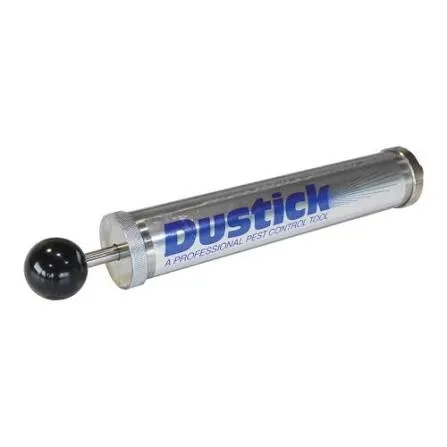
Dust applicators are devices which are designed to apply dust to insects in cracks, gaps, and other inaccessible areas with much more precision compared to aerosols and baits. This post will talk about why using dust applicators makes your pest control treatment more precise, efficient, and sustainable.
Why are Dust Applicators Valuable for Modern Pest Control?
When it comes to pest control most people think that it is simply spraying something and hoping that it will work. That's the old way. These days the better operators reach for dust applicators when they need the treatment to stay put and keep working after they leave. The difference shows up in the results, not the marketing flyer.
What Types of Dust Applicators Are Available?
Dust applicators come in a few basic styles. Hand-held bulb dusters, bellows types, and electric or compressed-air units. The idea is simple. You load a fine insecticidal dust, squeeze or pump, and a controlled puff of powder goes exactly where you aim. No runoff. No wet surfaces. Just dry material that sticks to the surfaces insects walk across every day.
How Do Dust Applicators Improve Treatment Precision?
Precision is the first real advantage. Sprays drift. They hit the wrong spot, get wiped away, or evaporate. Dust stays. When you use a proper dust applicator you can push material deep into wall voids, behind baseboards, into electrical outlets (with the power off, of course), and along plumbing penetrations. Those are the highways pests use. Getting the product right into the travel routes changes everything.
Can Dust Applicators Provide More Consistent Applications?
Consistency is the other half. A good technician with a dust applicator can put down roughly the same amount of product every time. That matters for follow-up treatments and for keeping chemical use within label rates. Over-application wastes money and can create unnecessary exposure. Under-application leaves gaps. The tool itself helps keep the dose steady if the person using it pays attention.
Do Dust Treatments Help Reduce Pest Control Call-Backs?
I have watched crews switch from spray-only programs to mixed approaches that include dust. The call-backs drop. Roaches that used to bounce back after two weeks stay gone longer. Ant trails that used to reappear after rain stop showing up as often. Dust does not get washed away the same way liquid residues do. It just sits there waiting.
Where Should Dust Applicators Be Used?
Not every job needs dust. Open living spaces still get baits or residual sprays. But the hidden areas, the ones that keep the infestation alive, benefit most from the dry approach. Attics, crawl spaces, hollow doors, and the voids under kitchen cabinets are classic spots. A dust applicator reaches them without tearing the place apart.
What Does It Take to Use a Dust Applicator Correctly?
There is a learning curve. Too much pressure and the dust clouds up and settles nowhere useful. Too little and it never leaves the tip. The better applicators let you adjust the air flow and the amount of product. Practice on a scrap piece of drywall or an old cabinet until the puff looks right. Then take that feel into the actual structure.
What Safety Precautions Should Technicians Follow?
Safety still matters. Dust can become airborne. Wear a respirator when you are working in confined spaces. Keep the area closed off until the particles settle. And always follow the label for the specific dust you are using. Some products are labeled for void treatments only. Others can go in living areas if applied correctly. Ignore that and you create problems instead of solving them.
Can Precise Dust Applications Improve Long-Term Pest Control Results?
Clients notice the difference when the treatment holds. They stop seeing the occasional roach in the kitchen at night. The ant trails on the counter disappear and stay gone. That kind of result builds trust faster than any sales pitch. Dust applicators help deliver it because they put the active ingredient where the pests actually live, not just where it is easy to spray.
Are Dust Applicators Worth Adding to a Pest Control Program?
Some operators still resist the tool. They say it is slower or messier. Fair point if you have never used one properly. Once the technique clicks, the extra minutes spent applying dust save hours of return visits. The math works out in favor of precision every time.
Conclusion
Dust Applicators give technicians a practical way to place residual material exactly where it is needed and keep the amount consistent from job to job. When used as part of a complete program they reduce waste, extend control, and cut down on the frustration that comes with incomplete treatments. The tool is not magic, but it is one of the clearer upgrades available to anyone serious about lasting results.
Related Reading
Why Business & Finance is Transforming the Global Industry Landscape
Welcome to our in-depth exploration of Business & Finance. In an era defined...
Expert Insights: Navigating the Complex World of Business & Finance
Welcome to our in-depth exploration of Business & Finance. In an era defined...