Custom Favour Boxes for Classic Event Style
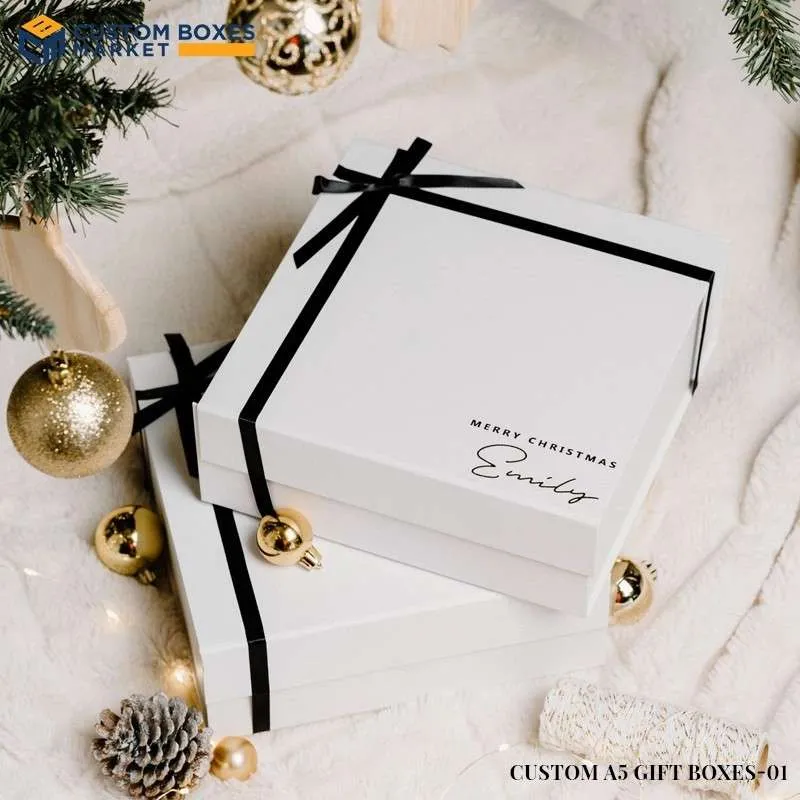
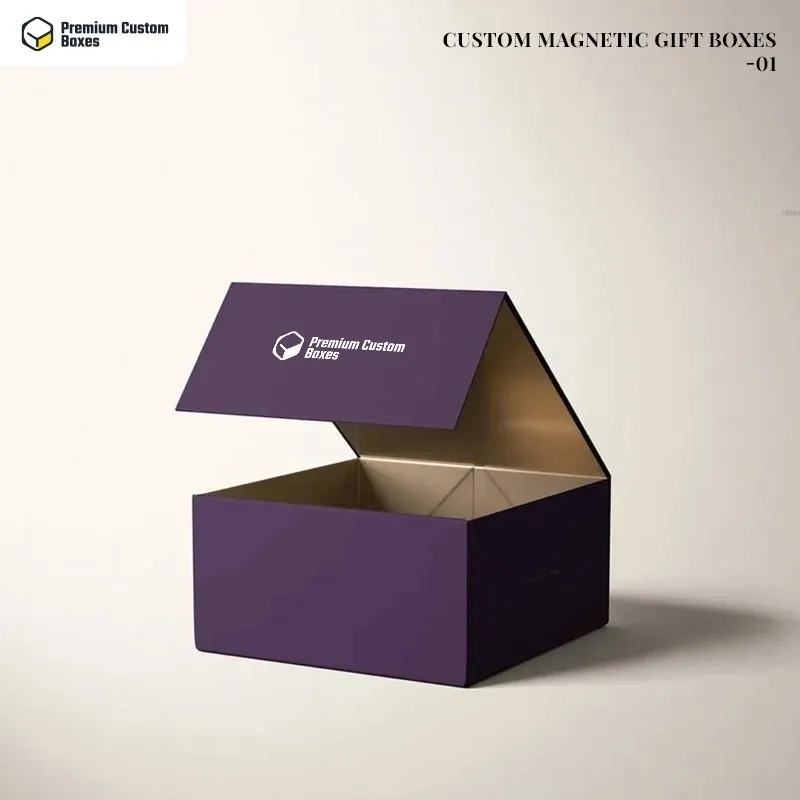
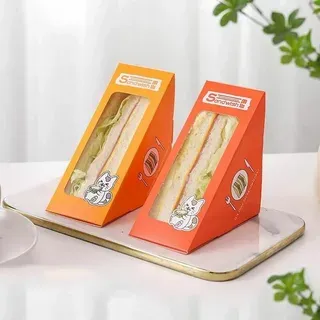
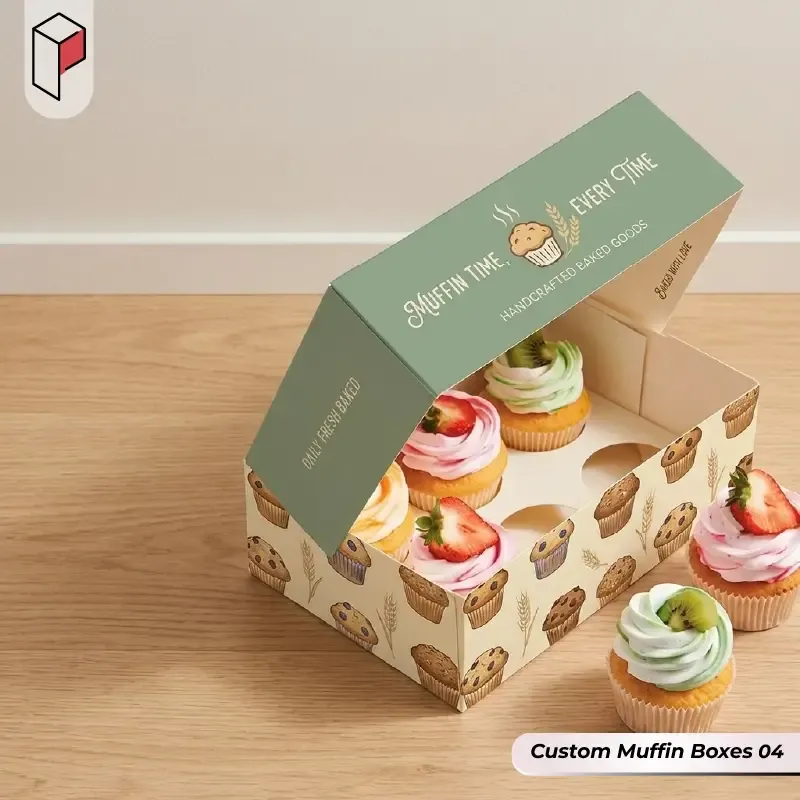
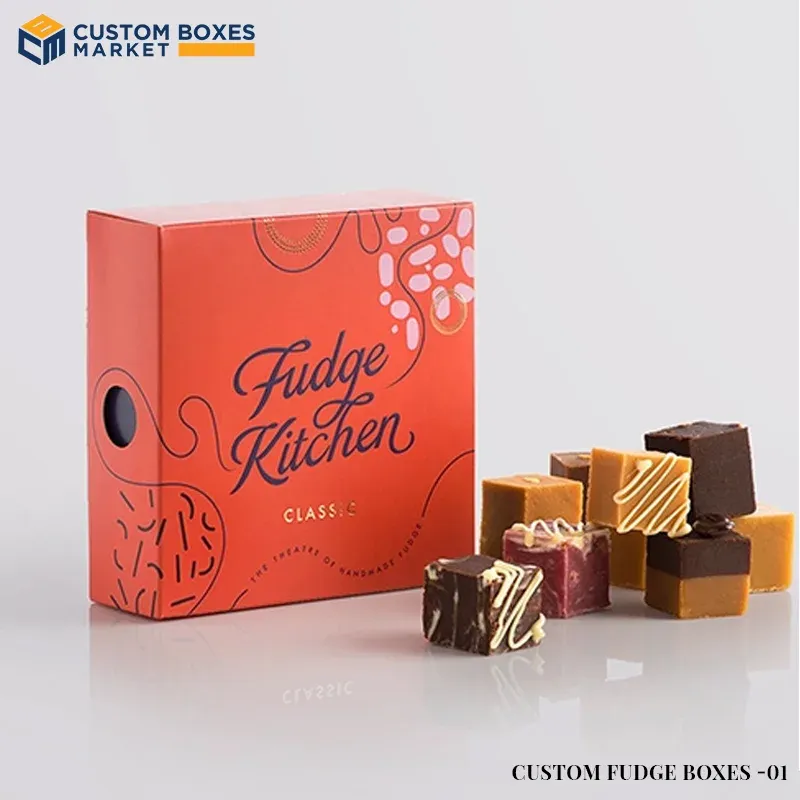
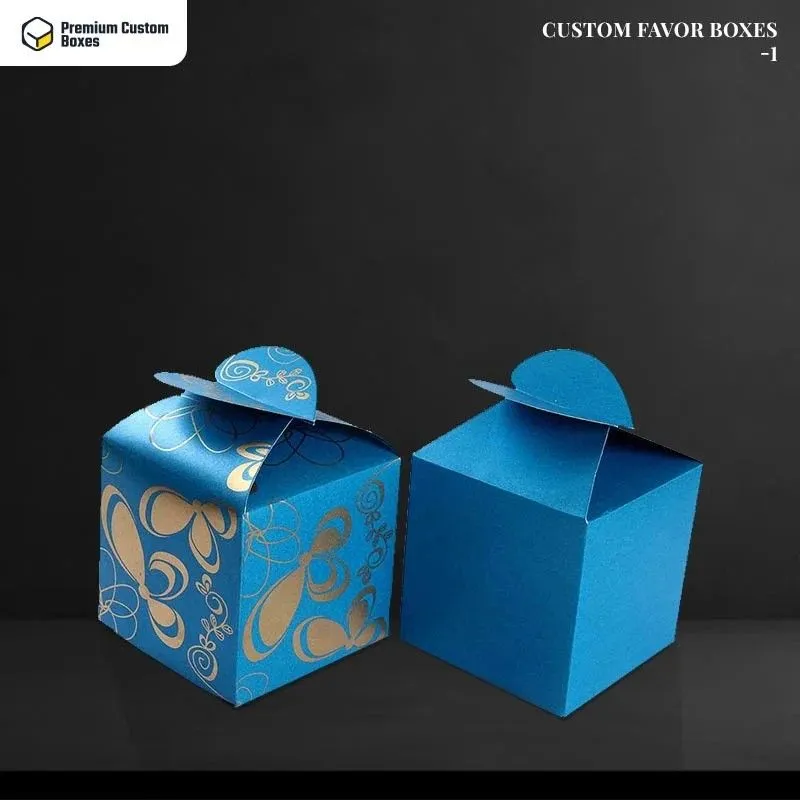
Custom Favour Boxes are small packages that hold gifts for guests at special events. They are used in many celebrations, and they help make moments feel more complete. People like them because they add a personal touch to the event. These boxes can hold sweets, small gifts, or keepsakes that guests take home.Many event planners and families choose these boxes to match the theme of their celebration. They come in many shapes and styles. Some are simple, and some are very decorative. They can be used for weddings, birthdays, and other gatherings.The idea is to make guests feel valued. A small box can carry a big feeling. It shows care and effort from the host. This is why Custom Favour Boxes are now a popular choice in modern events.Design IdeasDesign plays a big role in how favour boxes look at events. People often choose designs that match their celebration theme. Some prefer soft patterns, while others like bold styles. Shapes can also vary from square to round or even creative forms. A simple design often feels clean and elegant for many occasions.In many cases, Wedding Favour Boxes Canada are made with small decorations like ribbons or printed patterns. These details make each box feel more special. Some designs focus on traditional looks while others follow modern trends. The goal is to match the mood of the event and make the table setup look complete and pleasing.Material ChoiceMaterial selection is important for both look and strength. Cardboard is often used because it is light and easy to shape. Some people choose thicker paper for a more solid feel. Fabric-based boxes are also used for premium events. Each material brings a different style and feel to the final product.In many weddings, wedding favour boxes are made with smooth and strong material so they can hold sweets or small gifts safely. The texture also matters because guests notice how the box feels in their hands. A good material helps the box stay neat during the event and keeps the gift inside safe until it is opened.Event StyleEvery event has its own style and favour boxes should match it well. Weddings often use soft colors and elegant shapes. Birthdays may use bright tones and playful designs. Corporate events usually go for simple and neat styles that look professional and clean.In some places, wedding favour boxes in Canada are designed with local trends in mind. They often focus on clean looks with soft color themes that match modern wedding setups. The design can reflect the culture or season of the event. This helps make each celebration feel more personal and well-planned for guests.Color ThemesColor choice affects the mood of the event. Light colors like white, cream, and pastels are common for weddings. Bright colors are often used for fun events like parties. Some people also choose mixed shades to create contrast and visual interest on tables.In many events, clear favour boxes are used because they show the gift inside. This gives a simple and modern look. The clear design works well when the contents are colorful or decorative. It keeps the focus on the gift while still giving a neat and stylish presentation that suits many types of celebrations.Bulk OrdersLarge events often need many boxes at once. This is where bulk ordering becomes helpful. It saves time and keeps all boxes consistent in design. Event planners often order in large numbers to match guest lists and event size.In some cases, Custom Boxes Canada suppliers offer bulk options for weddings and parties. This helps people get matching designs for all guests without mixing styles. Bulk orders also help control costs while keeping quality steady. It is a practical choice for big celebrations where every detail must look organized and uniform.Gift AppealThe main purpose of these boxes is to hold small gifts that bring joy. Items like sweets, chocolates, or small keepsakes are often placed inside. Guests enjoy opening them and discovering what is inside. It adds a warm feeling to the event experience.In business and events, wedding favour boxes wholesale options are popular because they help organizers prepare large sets at lower costs. These boxes still look stylish even when ordered in bulk. The appeal comes from both the design and the thought behind the gift. A well-made box makes even a small gift feel special and memorable for guests.ConclusionCustom Favour Boxes bring charm and meaning to many types of events. They help turn simple gifts into something memorable. People use them to show care and appreciation to guests in a simple way.These boxes come in many styles, materials, and designs. They fit weddings, parties, and other gatherings with ease. Each detail adds to the overall feel of the celebration. Choosing the right box can improve the guest experience.Custom Favour Boxes continue to be a strong part of modern event planning. They combine beauty and function in a simple form. This makes them a lasting choice for anyone planning a special day.