Why Custom Butterfly Paper Cups Make Any Party Better
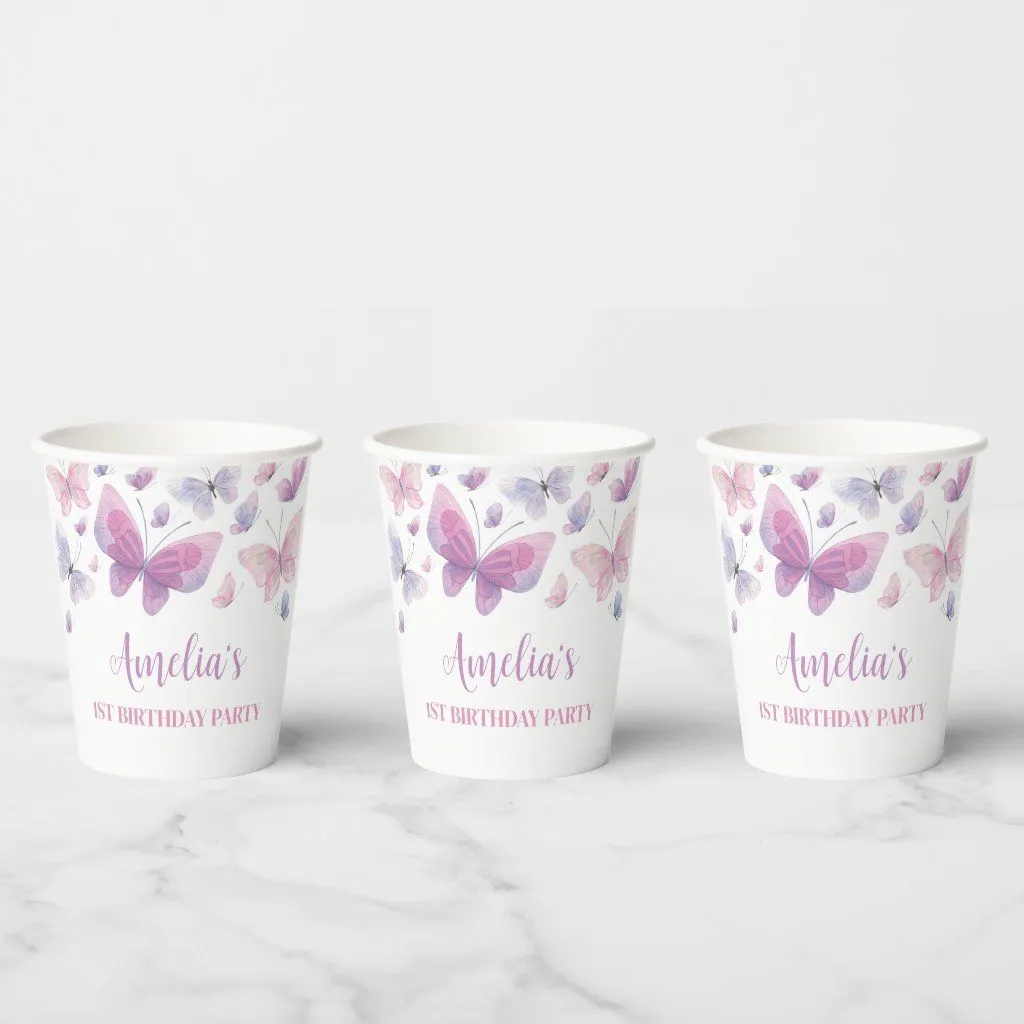
I was sitting in my kitchen the other day looking at a stack of boring white coffee cups. They were fine for a regular Tuesday morning but they felt pretty dull for a birthday party. Then I started thinking about how we spend so much time planning food and decorations while the actual drinks just sit in plain containers. That is when I stumbled upon custom Butterfly paper cups. They just look so much livelier than the usual stuff you find at the grocery store. It feels like a small change that actually makes a big difference when you have friends over. I wanted to see if these cute little things were worth the hype for my next gathering.Pretty PatternsPeople usually ignore the cups at a party until they need a drink. Choosing a Custom Butterfly Paper Cup makes the table look like a real decoration piece instead of just a functional necessity. You can pick colors that match your tablecloth or your napkins to create a cohesive look. I noticed that guests tend to linger a bit more when the presentation feels intentional. It shows that you actually put some thought into the details. People often comment on how nice it is to hold something that looks creative while they chat. A little color really goes a long way.Easy HoldingI always worry about people burning their hands or dropping their drinks. A sturdy Butterfly Paper Cup Holder is a total game changer for anyone hosting a big group of friends. These holders provide that extra bit of grip so no one is fumbling with a hot latte or a cold soda. You do not need to worry about spills on your floor or rugs as much either. It just makes the whole experience feel safer and more comfortable for everyone. Putting these out near the coffee machine makes it much easier for people to help themselves throughout the night.Unique StyleI have always loved picking out patterns that match the mood of the room. A nice Butterfly Paper Cup Design can be simple or super detailed depending on the vibe you want for your space. Some people prefer muted tones that look elegant and soft while others like bright neons that scream fun. You can play around with different styles until you find the exact aesthetic that fits your home. It turns a boring item into something that expresses your personal taste. Your guests will definitely notice the effort you put into selecting such a distinct and beautiful visual theme.Foldable LidsSome drinks are just messy no matter how careful you try to be. I really like using a Butterfly Cup with Foldable Lid for outdoor events where the wind might blow things around. The lid snaps down securely and keeps the liquid inside where it belongs. It also helps keep the heat trapped inside the cup for a much longer time than a standard open top. You can easily walk around the yard or the patio without fear of splashing your clothes. It is just such a practical solution for active parties where people are moving from place to place.Green ChoicesWe all want to do a little bit better for the planet these days. Choosing an Eco-Friendly Butterfly Paper Cup makes me feel much less guilty about using disposable items for my events. These versions are often made from materials that break down much faster than the old plastic ones we used to buy. You can feel good about setting them out and knowing they will not just sit in a landfill forever. It is an easy switch that keeps your parties sustainable and fun at the same time. I find it worth the extra effort to find the right materials.Bulk BuyingI hate running out of supplies halfway through the evening. Ordering Printed Butterfly Paper Cups in a large set gives me plenty of extras for those people who want a fresh cup for every new drink. You never have to worry about cleaning up dozens of glasses when the night is over. It saves a lot of time and stress when you can just toss them into the recycle bin once everyone leaves. Having a massive stash in the pantry means you are always ready to host a spontaneous gathering on a random Friday night. It feels great to be prepared.Business NeedsSome of you might be looking for ways to get your brand noticed in a creative way. Getting your Butterfly Paper Cups Wholesale is a smart way to save money while stocking up for your small shop or your local office. You can offer your customers something that looks way better than a plain brown sleeve. It is a subtle way to show off your logo while keeping the focus on the product inside. People actually keep these cups or snap photos of them because they look so nice. It is a fun marketing trick that feels totally natural.Personal TouchI really enjoy giving things that have my own name or a special date printed on them. Giving Custom Papers Cup Wholesale as a party favor is a great way to help people remember the event long after it ends. You can customize the font or the colors to make sure everything looks perfect for your specific celebration. It makes the whole party feel like an exclusive event that you spent weeks planning. Plus it gives your guests a little souvenir to take home with them. It just adds that extra level of warmth to the whole experience for everyone involved.ConclusionHonestly I think we spend way too much time worrying about the big stuff and ignoring the little details that actually set the tone. Swapping out those plain store-bought cups for some custom Butterfly paper cups changed how my living room felt during my last party. It was a cheap upgrade but it made the whole table look like a Pinterest board come to life. Everyone seemed to get a kick out of the design and nobody was asking where the boring cups were kept. If you are tired of the same old look for your drinks then try something new. It is an easy win for any host who wants their guests to feel special without spending a fortune on fancy china.