Sending Money to India from UK in 2026 – Best GBP to INR Rates, Fast Transfers & Smart Tips
By Leo Hughes
131 Views

Transferring money internationally has become an important part of everyday life, especially for people from the UK who are connected to family or friends in India. Whether you're supporting loved ones, paying for education, investing in property, managing business payments, or covering personal expenses, it's crucial to find the best way to send money from the UK to India in 2026.
As competition in the global remittance sector increases, customers are expecting quicker transfers, lower fees, secure transactions, and the best GBP to INR exchange rates. Traditional banks are no longer the only choice. Modern fintech companies and digital transfer platforms are changing how international payments are made by offering better rates and faster transfers.
This guide will cover everything you need to know about sending money from the UK to India in 2026. It includes the best transfer methods, key factors to consider, transfer fees, exchange rates, security measures, and valuable tips to help you save money.
Why People Send Money to India from the UK
The UK has a big Indian community, including students, professionals, entrepreneurs, and families. Every year, billions of pounds are sent from the UK to India for different reasons.

Common reasons for sending money include:
- Helping with family support and regular expenses
- Paying for education and tuition fees
- Managing medical emergencies
- Investing in property
- Handling business transactions
- Covering wedding and festival expenses
- Saving and making investments in India
- Receiving payments for freelance or remote work
As digital banking grows, international money transfers are becoming faster and more convenient for users around the world.
What Is GBP to INR Exchange Rate?
GBP to INR refers to the exchange rate between British Pounds and Indian Rupees.
It determines how much money the recipient gets when sending money from the UK.

For example, if 1 GBP equals 115 INR, sending £1000 would give the recipient about ₹115,000 before any fees.
Exchange rates change daily due to:
- Global economic conditions
- Inflation rates
- Interest rate decisions
- Political events
- International trade activities
- Market demand for currencies
Even small differences in exchange rates can impact the amount the recipient receives.
Best Ways to Send Money to India from UK in 2026
1.Online Money Transfer Platforms
Digital remittance services are becoming the most popular way to send money internationally because they offer:
- Better exchange rates
- Lower fees
- Faster processing times
- Convenience through mobile apps
- Real-time tracking
Most modern transfer services let users complete transactions quickly from their phones or computers.

Benefits
- Simple and easy to use
- Instant or same-day transfers
- Better GBP to INR rates
- Secure payment systems
- Transparent pricing
2. Bank Transfers
Traditional banks are still a common choice for sending money internationally.
People can transfer funds directly from UK bank accounts to Indian ones.
However, banks often have:
- Higher transfer fees
- Less competitive exchange rates
- Extra charges from other banks
Bank transfers may take longer compared to fintech platforms.

Advantages
- Reliable banking infrastructure
- Secure transactions
- Direct account transfers
Disadvantages
- Higher fees
- Slower processing times
- Hidden conversion charges
3. Mobile Wallet Transfers
Mobile wallets and digital payment apps are becoming more popular in India.
Some international transfer services now allow direct deposits into these wallets.
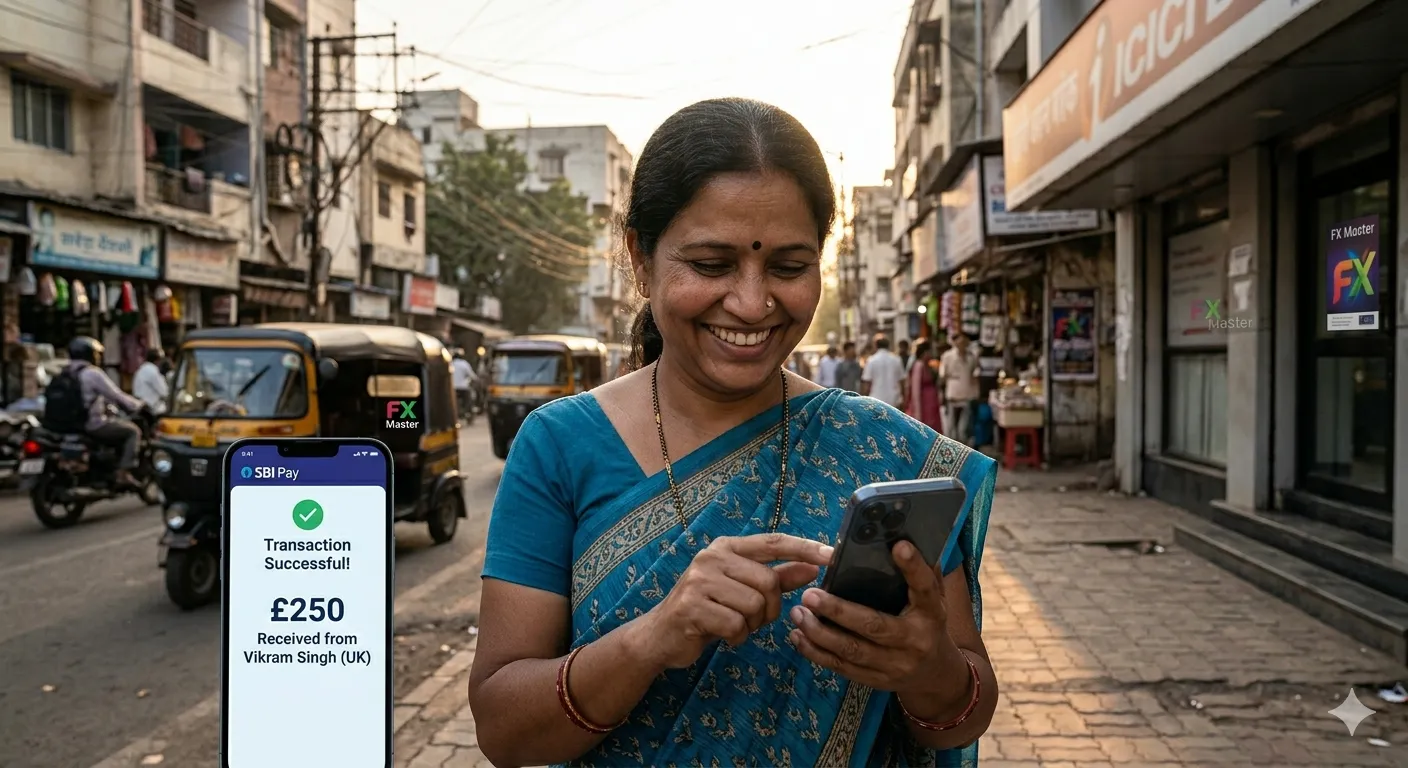
This option is useful for:
- Small transfers
- Quick payments
- Emergency support
- Daily financial needs
4. Cash Pickup Services
Some money transfer services allow recipients in India to collect cash from specific locations.
This is helpful for people who:
- Don't have a bank account
- Live in remote areas
- Need immediate cash access
However, cash pickup services may involve additional fees.
Important Factors to Consider Before Sending Money
Exchange Rates
Always compare GBP to INR rates before making a transfer.
Some providers have low fees but poor exchange rates, which lowers the final amount received.
Transfer Fees
Different providers charge various types of fees:
- Fixed transfer fees
- Percentage-based charges
- Currency conversion fees
- Receiving bank charges
Understanding all the costs helps you avoid unexpected deductions.
Transfer Speed
Transfer speed depends on:
- The payment method used
- Banking networks
- Verification process
- Country regulations
Some transfers are instant, while others may take several business days.
Security
Security is very important when sending money internationally.
Always choose regulated and trustworthy transfer services with strong fraud protection systems.
Customer Support
Good customer support is valuable when dealing with payment delays, technical issues, or verification problems.
Common Challenges in International Money Transfers

Even with advanced technology, users still face certain challenges when sending money internationally.
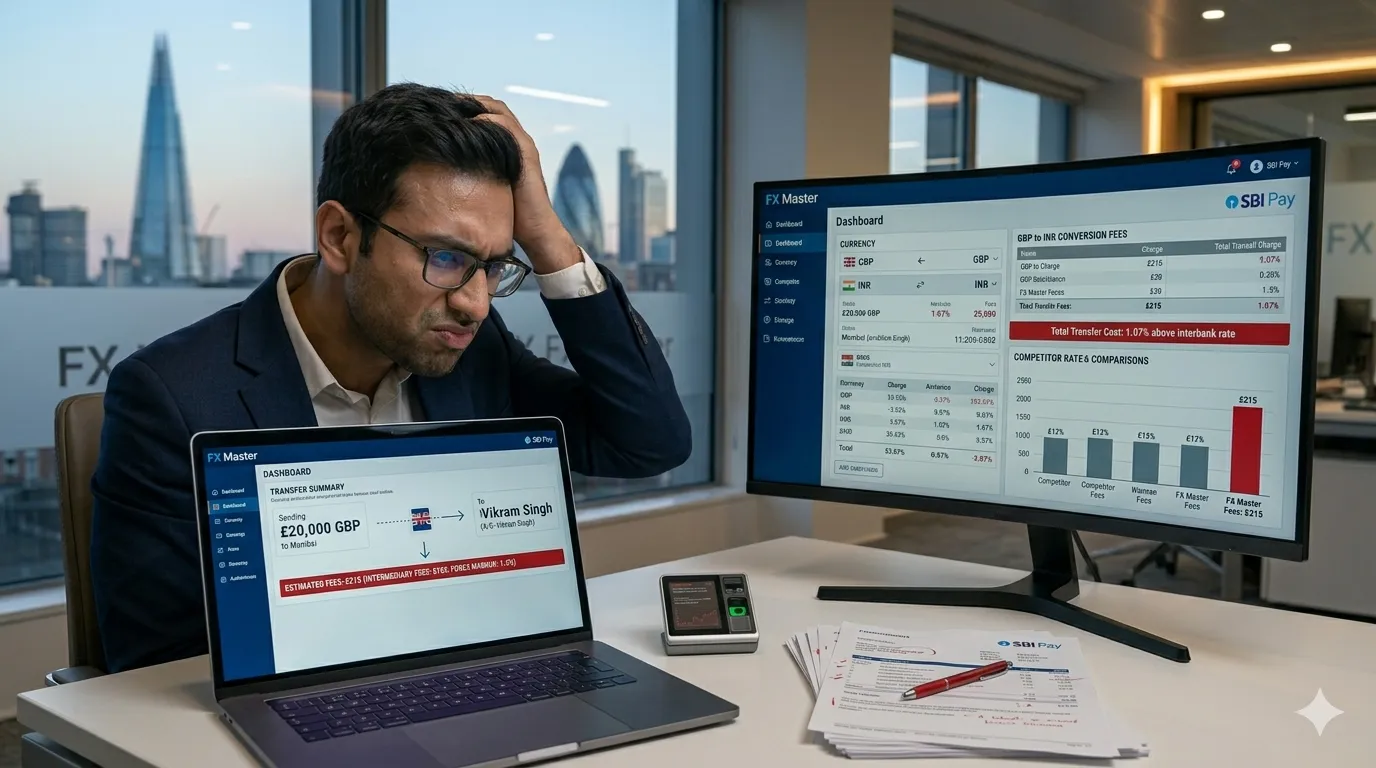
High Transfer Costs
Many traditional banks continue to charge high fees for international transfers.
Solution
Use modern fintech platforms that offer clear pricing and lower fees.
Poor Exchange Rates
Unfavorable exchange rates can reduce the amount received in India.
Solution
Monitor currency rates regularly and transfer funds when rates are good.
Delayed Transactions
International banking systems sometimes involve multiple banks, causing delays.
Solution
Choose providers that offer instant or same-day transfers.

Hidden Charges
Some services include hidden deductions during currency conversion or processing.
Solution
Always review the full pricing breakdown before confirming a transfer.
Fraud and Scams
Cybersecurity risks and fake transfer platforms have increased in recent years.
Solution
Use licensed and regulated transfer services with strong encryption and authentication systems.
How to Get the Best GBP to INR Rates in 2026
Finding the best exchange rate can save you a lot of money over time.

Compare Multiple Providers
Don’t rely on just one platform.
Compare rates and fees across different providers before making a transfer.
Monitor Currency Trends
Exchange rates change daily.
Keeping track of market trends helps you choose the best time to send money.
Avoid Weekend Transfers
Currency markets often close on weekends, leading to wider exchange margins.
Use Rate Alerts
Many transfer platforms offer exchange rate alerts to notify users when good rates are available.
Transfer Larger Amounts Strategically
For bigger transfers, even small improvements in exchange rates can make a big financial difference.
Why Digital Money Transfers Are Growing Rapidly
The global remittance industry is going through rapid digital changes.
Customers now prefer online platforms because they offer:
- Faster transfers
- Lower costs
- Better user experiences
- Mobile accessibility
- Real-time tracking
- Increased transparency
Artificial intelligence, blockchain technology, and automation are also helping to improve payment efficiency and security.
Security Tips for Sending Money Internationally
Protecting your money and financial information should always be a priority.

Use Trusted Platforms
Choose regulated money transfer companies with positive customer reviews and secure payment systems.
Enable Two-Factor Authentication
Extra verification layers improve account security and reduce fraud risks.
Verify Recipient Details Carefully
Incorrect account information can delay transactions or cause failed transfers.
Avoid Public Wi-Fi
Never complete financial transactions using unsecured public internet connections.
Monitor Transaction Notifications
Keep track of transfer updates and immediately report suspicious activity.
Future of UK to India Money Transfers
International payment technology is advancing quickly in 2026. Several innovations are shaping the future of remittances.

Real-Time Payments
Instant global payment networks are reducing waiting times dramatically.
Blockchain Technology
Blockchain-based payment systems improve transparency and reduce transaction costs.
Artificial Intelligence
AI-powered fraud detection systems enhance security and customer experience.
Mobile-First Banking
More users are managing international payments directly through mobile apps.
Digital Currency Integration
Central Bank Digital Currencies (CBDCs) may further simplify global transfers in the future.
Best Practices for Sending Money to India from UK
To make your international transfer process smooth and cost-effective:
- Compare exchange rates regularly
- Use trusted fintech providers
- Review hidden fees carefully
- Transfer during favorable market conditions
- Secure your account with strong passwords
- Keep transfer records for future reference
- Verify recipient banking details before payment
These simple practices can help save money while improving transfer safety.

Conclusion
Sending money to India from UK in 2026 has become easier, faster, and more accessible thanks to digital payment innovations and modern fintech platforms. However, exchange rates, fees, security, and transfer speed still play a major role in choosing the best international payment service.
By comparing providers, monitoring GBP to INR exchange rates, understanding transfer costs, and prioritizing secure platforms, users can make smarter financial decisions and maximize the amount received in India.
Related Reading
Why Business & Finance is Transforming the Global Industry Landscape
Welcome to our in-depth exploration of Business & Finance. In an era defined...
Expert Insights: Navigating the Complex World of Business & Finance
Welcome to our in-depth exploration of Business & Finance. In an era defined...