Maintaining GE Analog Input Terminal Boards for Reliable Performance
By George Philips
150 Views
Introduction
In modern turbine control systems, accuracy and reliability are critical to maintaining safe and efficient operations. Analog input terminal boards are essential components that help achieve this by collecting real-time data from field instruments. These boards serve as a bridge between sensors and the control system, making their proper maintenance crucial for uninterrupted turbine performance.
Role of Analog Input Terminal Boards in Turbine Systems
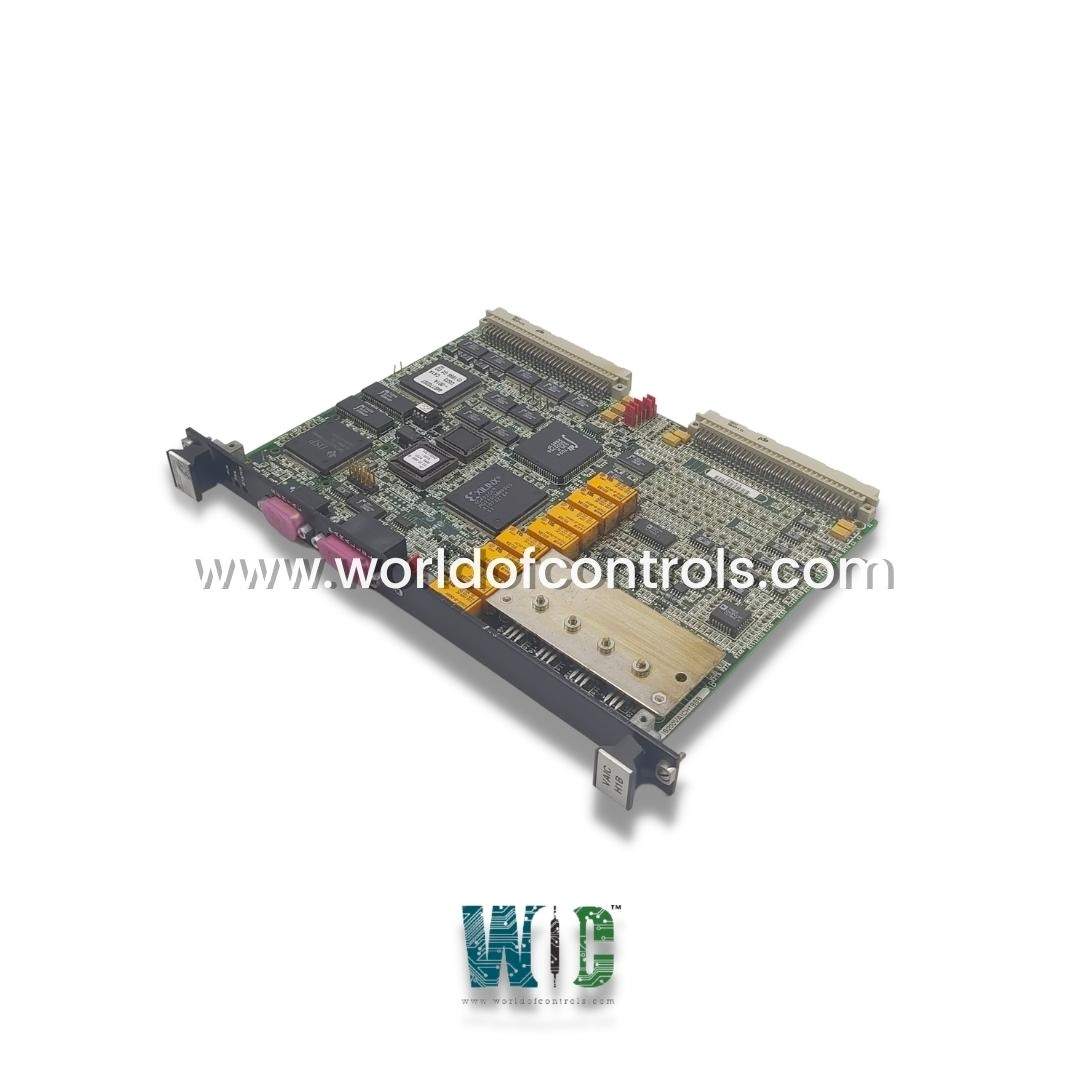
Analog input terminal boards function as the interface between field devices and the turbine control system. Sensors installed across gas and steam turbines continuously monitor parameters such as temperature, pressure, vibration, and flow. These signals are transmitted to the terminal board, where they are conditioned and forwarded to the control processors.
In GE turbine control systems, particularly in widely used architectures like the GE Mark VI, analog input boards are designed to handle multiple signal types with high precision. They ensure that the data reaching the control system is accurate and stable, enabling operators to make informed decisions and maintain optimal turbine performance.
Key Components and Functionality
Analog input terminal boards are built with several important components that support their functionality:
- Signal conditioning circuits that filter noise and stabilize incoming signals
- Terminal blocks for secure and organized wiring connections
- Isolation features to protect sensitive control systems from electrical faults
- Communication interfaces that transmit processed data to control modules
These boards are engineered to operate reliably in demanding industrial environments. They must withstand electrical noise, temperature fluctuations, and continuous operation while maintaining signal integrity.
Common Issues Affecting Performance
Despite their robust design, analog input terminal boards can face performance challenges over time. Common issues include:
- Loose or corroded connections: These can disrupt signal transmission or lead to inaccurate readings
- Electrical interference: Poor grounding or shielding may introduce noise into the system
- Component wear and aging: Internal electronic components can degrade, affecting accuracy
- Harsh environmental conditions: Exposure to dust, humidity, or heat can reduce reliability
If left unaddressed, these issues can compromise the quality of data being fed into the control system, potentially impacting turbine efficiency and safety.
Maintenance Best Practices
Regular Inspection
Routine visual inspections are essential. Check for loose terminals, signs of corrosion, or physical damage. Ensuring secure connections helps maintain consistent signal flow.
Cleaning and Environmental Control
Keep the boards clean and free from dust or contaminants. Proper enclosure ventilation and temperature control can significantly extend the lifespan of electronic components.
Signal Verification and Calibration
Periodic testing of input signals ensures that readings remain accurate. Calibration against known standards helps identify deviations before they become critical problems.
Proper Grounding and Shielding
Effective grounding minimizes electrical noise. Using shielded cables and verifying grounding integrity can prevent signal distortion.
Proactive Replacement Strategy
Even with proper care, components have a limited service life. Replacing aging boards or critical parts as part of a scheduled maintenance plan can prevent unexpected failures.
Importance of Preventive Maintenance
Preventive maintenance plays a key role in ensuring the long-term reliability of turbine systems. By identifying and addressing minor issues early, operators can avoid costly downtime and maintain efficient operation.
In power generation and other turbine-driven industries, every component contributes to overall system performance. Analog input terminal boards are particularly important because they provide the data foundation for all control decisions. Reliable data input directly translates to better control, improved efficiency, and enhanced safety.
Conclusion
Maintaining GE analog input terminal boards is essential for ensuring accurate signal processing and dependable turbine operation. These boards serve as a vital link between field instrumentation and control systems, especially in advanced platforms like the GE Mark VI. By following best practices in inspection, cleaning, calibration, and preventive maintenance, operators can ensure consistent performance and reduce operational risks in demanding turbine environments.
Related Reading
Why Business & Finance is Transforming the Global Industry Landscape
Welcome to our in-depth exploration of Business & Finance. In an era defined...
Expert Insights: Navigating the Complex World of Business & Finance
Welcome to our in-depth exploration of Business & Finance. In an era defined...