Category

Health & Fitness

Comprehensive discussions and expert insights revolving around health & fitness trends and best practices.

Aug 21, 2026 40 Reads

Physical Therapy Merrick NY for Personal Care, Strength, and Recovery Today

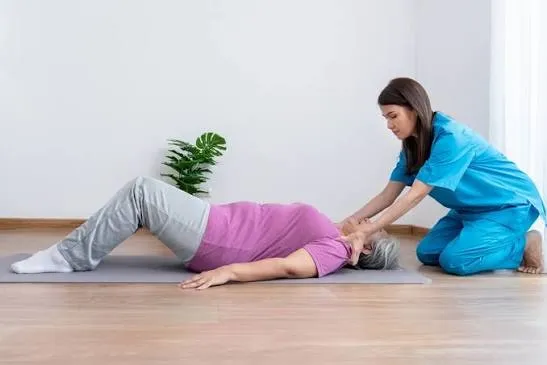
Physical movement plays a major role in how people work, exercise, travel, and enjoy everyday life. When an injury, illness, surgery, or ongoing discomfort affects mobility, even simple activities can become frustrating. Walking, bending, lifting, reaching, or climbing stairs may require more effort than before. Physical therapy can provide a structured way to address these challenges and help individuals work toward better physical function.People may seek physical therapy for many different reasons. Some are recovering from sports injuries, workplace accidents, or surgical procedures, while others are dealing with muscle weakness, joint stiffness, or long-term movement limitations. Physical therapy may also be useful for improving balance, flexibility, endurance, coordination, and strength. The treatment approach can be adapted to the person's condition, lifestyle, and individual goals.For individuals researching Physical Therapy Merrick NY, professional rehabilitation can offer personalized guidance for improving movement and physical abilities. A physical therapist can evaluate strength, flexibility, balance, posture, joint mobility, coordination, and functional movement. The results of this evaluation can help create a treatment plan that includes appropriate exercises, mobility activities, strengthening techniques, and functional training.What Physical Therapy Can ProvidePhysical therapy is designed to help people improve movement and participate more comfortably in daily activities. Treatment is not limited to one type of exercise or one specific condition. Programs can be developed for people recovering from injuries, managing physical limitations, or trying to regain abilities after surgery.A personalized approach is important because every person's physical needs are different. Someone recovering from a knee injury may need strength and balance exercises, while another person with shoulder stiffness may benefit from mobility and flexibility work.The therapist can adjust treatment as the individual progresses.Beginning With a Professional AssessmentA physical therapy program generally starts with an evaluation. During this process, the therapist may ask about symptoms, previous injuries, medical procedures, work demands, exercise habits, and daily activities that have become difficult.The physical examination may include walking, standing, sitting, bending, reaching, or changing positions. The therapist may also examine muscle strength, flexibility, joint movement, balance, coordination, and posture.This assessment provides useful information for identifying physical limitations and establishing practical rehabilitation goals.Building Strength Through ExerciseMuscle weakness can occur after an injury, surgery, illness, or extended period of inactivity. Weak muscles may make everyday activities more demanding and can affect endurance and stability.Physical therapy may include resistance exercises, bodyweight movements, controlled step exercises, and functional strengthening. The program can start with manageable activities and gradually increase in difficulty.Progressive strengthening allows individuals to build physical capacity while working toward activities that are important to them.Improving Flexibility and MobilityStiff joints and restricted movement can interfere with everyday tasks. Limited mobility in the shoulders, hips, knees, ankles, or spine may affect reaching, bending, walking, lifting, or exercising.A physical therapist may incorporate stretching and mobility exercises to address specific restrictions. These activities can help support useful movement and improve the way the body performs everyday tasks.Mobility training can be combined with strengthening exercises to create a balanced rehabilitation program.Recovering From InjuriesAn injury can change the way a person moves. Even when discomfort begins to decrease, weakness, stiffness, or reduced coordination may remain.Physical therapy can provide a gradual path from basic movements to more challenging activities. Treatment may focus on restoring strength, flexibility, balance, coordination, and functional movement.The rehabilitation program can be modified according to progress, allowing individuals to work toward their goals at an appropriate pace.Rehabilitation After SurgeryMany orthopedic surgeries require a period of rehabilitation to restore movement and physical function. Physical therapy may help patients gradually rebuild strength and mobility after procedures involving joints, muscles, or other structures.The exact treatment depends on the surgery and the individual's recovery. Exercises can be introduced and progressed according to professional recommendations and physical abilities.Patients can also learn practical movement techniques that may make daily activities easier during recovery.Helping Athletes Return to ActivitySports and recreational activities place specific demands on the body. An injury can interrupt training, competition, and exercise routines.Physical therapy can help active individuals work on strength, flexibility, endurance, balance, and coordination. As recovery progresses, exercises may become more closely related to the movements required for a particular sport or activity.A gradual return can help individuals prepare their bodies for increased physical demands.Improving Balance and StabilityBalance is essential for many everyday activities. Standing, walking, using stairs, turning, and moving across uneven surfaces all require stability and coordination.Weakness, previous injuries, reduced activity, or joint limitations can sometimes affect balance. Physical therapy may include controlled stepping, weight shifting, standing exercises, walking practice, and other stability activities.Improving balance can help individuals feel more confident during daily movement.Addressing Posture and Movement HabitsThe way a person sits, stands, walks, lifts, or reaches can influence physical comfort and efficiency. Poor movement habits may develop because of pain, weakness, previous injuries, or repetitive activities.A therapist can observe movement patterns and provide guidance on appropriate techniques. Exercises may focus on posture, body awareness, core strength, and functional movement.Learning better movement strategies can be useful at home, at work, and during exercise.Functional Training for Everyday GoalsRehabilitation should connect with activities that matter to the individual. A patient may want to return to work, walk around the neighborhood, carry groceries, use stairs, exercise, or complete household chores more comfortably.Functional exercises can replicate movements involved in these tasks. Depending on the person's needs, therapy may include lifting, reaching, walking, carrying, bending, or changing positions.This practical approach can make rehabilitation more relevant to everyday life.Home Exercise ProgramsA physical therapist may recommend exercises to perform at home between appointments. These activities can reinforce improvements in strength, flexibility, balance, mobility, and coordination.Following a home program consistently can help support progress. Patients should perform exercises according to professional instructions and discuss any unexpected discomfort or difficulty with their therapist.As physical abilities change, the home program can be updated to maintain an appropriate level of challenge.Setting Realistic GoalsSuccessful rehabilitation starts with meaningful goals. Every patient may have a different reason for seeking physical therapy. One person may want to recover from surgery, another may want to return to sports, and someone else may simply want to walk or move more comfortably.Clear goals can help guide treatment and make progress easier to recognize. Improvements may include increased strength, better flexibility, improved balance, greater endurance, or easier performance of daily tasks.Small improvements can add up to meaningful changes over time.Taking the Next Step Toward Better MovementPhysical limitations can affect independence, confidence, and quality of life. Physical therapy offers a structured approach for addressing these concerns through professional evaluation, therapeutic exercise, mobility training, strengthening, and functional activities.For people considering Physical Therapy Merrick NY, beginning with an individual assessment can help identify areas that may benefit from rehabilitation. A personalized treatment plan can then be adjusted as the person's strength, mobility, and confidence improve.With consistency, patience, and appropriate professional guidance, individuals can work toward better physical function and a more active lifestyle. Whether recovering from an injury, preparing to return to exercise, or improving everyday mobility, physical therapy can provide valuable support throughout the rehabilitation process.


O
Oliver James
Aug 21, 2026 33 Reads

Orthopedic Physical Therapy Near Me Personalized Care for Better Movement

Muscle and joint problems can affect nearly every part of daily life. Pain or stiffness in the back, neck, shoulders, hips, knees, or other areas may make walking, working, exercising, or completing household activities more difficult. Orthopedic physical therapy provides a structured approach to improving movement, rebuilding strength, and helping people return to activities that matter to them.Orthopedic rehabilitation can be useful for people recovering from injuries, surgery, overuse problems, or periods of reduced activity. It may also help individuals dealing with ongoing movement limitations. Rather than using the same exercises for everyone, physical therapy can be adapted to the person's condition, physical abilities, and goals. This individualized approach can make rehabilitation more practical and easier to follow.For people searching for orthopedic physical therapy near me, professional care can provide guidance for improving strength, flexibility, mobility, balance, and functional movement. A physical therapist can assess the affected area along with related movement patterns to understand how the problem may be influencing everyday activities. Based on the evaluation, treatment may include therapeutic exercises, stretching, strengthening, mobility training, posture education, and functional activities.What Is Orthopedic Physical Therapy?Orthopedic physical therapy focuses on conditions involving the muscles, bones, joints, ligaments, tendons, and related movement structures. It may be appropriate after an injury or surgery or when pain and stiffness interfere with normal activities.Treatment is designed around the individual's needs. Some patients may require gentle mobility exercises, while others may benefit from progressive strengthening or movement training.The overall purpose is to improve physical function and help individuals work toward their personal goals.Starting With a Professional EvaluationA physical therapy program usually begins with an assessment. The therapist may ask about symptoms, previous injuries, medical history, work activities, exercise habits, and movements that cause difficulty.The physical assessment may include checking joint mobility, muscle strength, flexibility, balance, posture, coordination, and functional movement. Walking and other everyday activities may also be observed.This information helps the therapist understand the person's condition and create an appropriate rehabilitation plan.Managing Pain Through MovementPain can sometimes cause people to avoid activity. However, extended inactivity may contribute to weakness, stiffness, and reduced physical capacity.Physical therapy can introduce appropriate movements and exercises based on the individual's condition. The goal is to encourage useful movement while progressing carefully.As physical abilities improve, exercises can be adjusted to support greater strength and function.Rebuilding Strength After an InjuryInjuries can cause weakness in the affected area or surrounding muscles. Reduced strength may make everyday activities more difficult and can influence movement patterns.A physical therapist may use resistance exercises, controlled bodyweight movements, functional exercises, and progressive strengthening. Activities can begin at a manageable level and become more challenging as the person improves.Building strength can support better movement during work, exercise, and daily routines.Improving Flexibility and Joint MobilityRestricted mobility can affect how a person bends, reaches, walks, turns, or exercises. Joint stiffness may also cause the body to compensate by changing normal movement patterns.Physical therapy may include stretching and mobility exercises to address specific limitations. These activities can support more comfortable movement and improve the ability to perform functional tasks.The therapist can select exercises according to the patient's needs rather than relying on a standard routine.Rehabilitation After SurgeryRecovery after orthopedic surgery often involves a gradual return to movement and activity. The appropriate exercises depend on the type of procedure and the individual's recovery stage.Physical therapy may focus on restoring mobility, strength, balance, coordination, and functional abilities. Treatment can progress as the person becomes more capable.Following the rehabilitation plan provided by the healthcare team is important during surgical recovery.Treating Sports and Activity-Related InjuriesActive adults and athletes may experience injuries from sports, exercise, repetitive movements, or sudden changes in activity. These injuries can affect strength, coordination, flexibility, and confidence.Orthopedic physical therapy can address these limitations through targeted exercises and functional movement training. As recovery progresses, exercises may become more closely related to the demands of the person's sport or preferred activity.This gradual progression can support a controlled return to physical activity.Improving Posture and Movement HabitsPosture and movement mechanics can influence how stress is distributed throughout the body. Poor movement habits may contribute to discomfort or make certain activities more difficult.A physical therapist can provide education about posture, body positioning, lifting techniques, and movement strategies. Learning better habits can complement the exercise portion of rehabilitation.These skills may be useful at home, at work, and during exercise.Making Everyday Activities EasierThe purpose of orthopedic rehabilitation extends beyond the therapy setting. Many people want to return to specific activities such as walking, working, shopping, cooking, exercising, or caring for family members.Functional exercises can help patients practice movements that relate directly to these goals. This approach makes treatment more relevant to everyday life.Progress can be measured by how well the individual performs meaningful tasks, not simply by completing exercises.Home Exercise ProgramsA therapist may provide exercises to perform at home between appointments. These activities can reinforce strength, flexibility, mobility, balance, and movement control.Patients should perform home exercises according to professional instructions and communicate any unexpected symptoms or concerns. The program can be updated as abilities change.Regular practice can help support progress throughout rehabilitation.Setting Realistic Rehabilitation GoalsEvery person has different priorities. Someone recovering from knee surgery may want to walk comfortably, while an athlete may want to return to training. Another individual may simply want to perform work or household tasks without difficulty.Specific goals can help guide treatment. Progress may include greater strength, improved mobility, better flexibility, increased endurance, or easier functional movement.Recognizing these improvements can encourage continued participation.Take the Next Step Toward Better MovementOrthopedic conditions can affect strength, mobility, confidence, and quality of life. Physical therapy provides a structured way to address these challenges through personalized assessment, exercise, movement training, and functional rehabilitation.For individuals searching for orthopedic physical therapy near them, starting with a professional evaluation can help identify specific movement limitations and establish realistic goals. A customized program can then progress according to individual abilities.With consistent effort and appropriate professional guidance, patients can work toward stronger muscles, improved mobility, better movement control, and greater confidence. Whether recovering from an injury, surgery, or ongoing orthopedic concern, physical therapy can be an important part of returning to a more comfortable and active lifestyle.

O
Oliver James
Aug 21, 2026 41 Reads

Johns Creek Physical Therapy Personalized Support for Quality Physical Care

Physical therapy can be an important part of recovering from an injury, improving mobility, and maintaining an active lifestyle. When pain, stiffness, weakness, or limited movement makes daily activities difficult, a personalized rehabilitation program can help address those challenges. Physical therapy focuses on improving physical function through carefully selected exercises and movement strategies.People choose physical therapy for many different reasons. Someone may need help after an injury, while another person may want to improve strength after a period of inactivity. Athletes may seek rehabilitation after sports injuries, and older adults may want to maintain balance and independence. Because each person's needs are different, an individualized treatment approach can make rehabilitation more practical and effective.For people searching for johns creek physical therapy, professional care can provide a structured way to address movement limitations and work toward personal goals. A physical therapist can evaluate strength, flexibility, balance, posture, mobility, and functional movement before developing an appropriate treatment plan. Depending on individual needs, therapy may include strengthening exercises, stretching, balance activities, mobility training, and functional movement exercises.Understanding the Role of Physical TherapyPhysical therapy is designed to help individuals improve movement and physical function. Treatment can focus on muscles, joints, flexibility, coordination, balance, endurance, and movement patterns.Rather than providing the same exercises to every patient, a physical therapist can adjust treatment according to the individual's condition and progress. This allows exercises to become more or less challenging when needed.The overall purpose is to help patients improve useful movement and participate more comfortably in everyday activities.Beginning With an EvaluationA physical therapy program generally starts with an evaluation. The therapist may ask about current symptoms, previous injuries, daily activities, exercise habits, and physical goals.The assessment may involve observing how a person walks, sits, stands, bends, reaches, or changes positions. Strength, flexibility, posture, coordination, balance, and joint mobility may also be evaluated.These observations help the therapist understand the individual's needs and develop realistic rehabilitation goals.Managing Pain and Movement LimitationsPain and stiffness can interfere with many daily activities. Simple tasks such as climbing stairs, getting out of a chair, reaching overhead, or walking for longer periods may become uncomfortable.Physical therapy may use therapeutic exercises and mobility activities to address specific limitations. Depending on the situation, treatment can focus on improving strength, flexibility, movement control, and functional ability.The program can be adjusted as the individual's condition changes.Building Strength for Everyday ActivitiesStrength plays an important role in physical independence. Strong muscles help people walk, lift, stand, climb stairs, maintain posture, and perform household activities.A physical therapist may introduce resistance exercises, controlled bodyweight movements, and functional strengthening activities. The exercises can target areas that require additional support.Gradual progression allows individuals to build strength while working within their current physical abilities.Improving Flexibility and MobilityLimited mobility can change how a person performs everyday movements. Stiff joints or tight muscles may make bending, reaching, turning, walking, or exercising more difficult.A physical therapy program may include stretching and mobility exercises selected according to the person's specific limitations. These activities can help support useful movement and improve comfort during functional tasks.Patients can learn techniques that may help them continue appropriate movement between therapy sessions.Recovering After an InjuryAn injury can affect more than the area where discomfort is felt. People may change the way they walk, sit, lift, or exercise to avoid painful movements. These changes can sometimes contribute to weakness or reduced mobility.Physical therapy can provide a gradual rehabilitation process. Treatment may begin with basic movements and progress toward more demanding activities as the person's abilities improve.This approach can help individuals work toward returning to normal routines, exercise, work, or recreational activities.Supporting Sports and Active LifestylesActive individuals often place significant demands on their muscles and joints. Sports injuries can temporarily prevent people from participating in their favorite activities.Physical therapy can address strength, flexibility, balance, coordination, endurance, and movement control. Exercises can gradually become more challenging as the individual develops better physical capacity.A rehabilitation program can be designed around the person's activity level and goals.Improving Balance and CoordinationBalance is essential for walking, changing direction, climbing stairs, and moving through different environments. Balance difficulties may develop because of weakness, reduced activity, injuries, or other physical concerns.A therapist can evaluate balance and introduce exercises such as weight shifting, stepping, reaching, and controlled turning. These activities can be progressed as the individual becomes more comfortable.Improving balance can contribute to greater confidence during everyday movement.Maintaining IndependencePhysical ability is closely connected to independence. Tasks such as shopping, preparing meals, cleaning, working, and caring for family members all require mobility and strength.Physical therapy can incorporate functional exercises that resemble everyday activities. This helps make rehabilitation relevant to the person's actual lifestyle rather than focusing only on isolated exercises.Maintaining physical function can help individuals continue participating in activities that are important to them.Home Exercises and Continued ProgressA physical therapist may provide a home exercise program to support progress between appointments. Home activities may focus on strength, flexibility, balance, mobility, or coordination.Patients should follow the instructions provided by their therapist and communicate if an exercise causes unexpected discomfort. Exercises can be modified as physical abilities improve.Consistent practice can help reinforce skills developed during therapy sessions.Setting Meaningful Rehabilitation GoalsEvery patient has different priorities. One person may want to walk more comfortably, another may want to return to sports, and someone else may want to improve strength for household activities.Clear goals help make physical therapy more focused. Progress can be measured through improved mobility, strength, flexibility, balance, endurance, or functional performance.Recognizing gradual improvements can also help patients stay motivated throughout rehabilitation.Moving Toward Better Physical FunctionPhysical therapy can provide valuable support for people dealing with injuries, weakness, stiffness, balance difficulties, or reduced mobility. A personalized program allows treatment to focus on individual needs and practical goals.For individuals considering physical therapy in Johns Creek, professional evaluation can be a helpful first step toward understanding movement limitations and developing an appropriate rehabilitation strategy.With consistent participation and professional guidance, patients can work toward better strength, mobility, flexibility, balance, and confidence. Whether the goal is recovering from an injury, returning to exercise, improving daily activities, or maintaining independence, physical therapy can support a healthier and more active lifestyle.

j
james Baker
Aug 21, 2026 34 Reads

Balance Therapy Orlando FL Improve Stability and Confidence Every Day

Balance plays an important role in nearly every daily activity. Walking across a room, getting out of bed, climbing stairs, reaching for an object, or moving around outside all require the body to maintain stability. When balance becomes less reliable, simple activities may feel difficult or uncomfortable. Physical therapy can offer structured support for people who want to improve stability, movement, and confidence.Balance problems can develop for many reasons. Muscle weakness, joint stiffness, previous injuries, reduced physical activity, changes in coordination, dizziness, or certain health conditions may affect the way a person stands and walks. Some people may notice occasional unsteadiness, while others may have difficulty turning, walking on uneven surfaces, or changing positions. Since every person's situation is different, treatment should be based on an individual evaluation.For people searching for Balance therapy orlando fl, personalized physical therapy can provide support for balance, mobility, strength, and coordination concerns. A physical therapist can evaluate walking patterns, lower-body strength, flexibility, posture, coordination, and functional movement before developing an appropriate treatment program. Depending on individual needs, therapy may include balance exercises, strengthening activities, mobility training, coordination drills, and functional movement practice.Understanding Balance TherapyBalance therapy focuses on helping individuals improve their ability to control and stabilize their bodies during movement. Balance depends on several systems working together, including vision, the inner ear, muscles, joints, and the nervous system.When these systems do not work together effectively, a person may feel unsteady or hesitant. A physical therapist can assess different aspects of movement to determine which areas may need attention.Treatment can then be adjusted according to the individual's abilities and progress.Beginning With an EvaluationAn initial evaluation is an important part of developing a balance program. The therapist may ask about previous falls, dizziness, injuries, medications, physical activity, and situations that cause unsteadiness.The physical assessment may include observing standing, walking, turning, stepping, and changing positions. The therapist may also evaluate muscle strength, flexibility, coordination, posture, and movement control.This information can help establish realistic goals and determine appropriate exercises.Building Strength for Better StabilityMuscle strength provides an important foundation for balance. Strong legs, hips, and core muscles can support standing, walking, climbing stairs, and changing positions.A therapist may recommend exercises such as controlled sit-to-stand movements, resistance training, stepping exercises, or other functional activities. The difficulty can be adjusted according to the person's current physical abilities.Gradually building strength can help improve physical control and endurance.Improving CoordinationGood balance requires the body to coordinate several movements at once. Walking, turning, reaching, and stepping all require timing and control.Balance therapy may include weight-shifting exercises, directional stepping, reaching activities, controlled turns, and coordination drills. These exercises can be introduced at an appropriate level and progressed over time.Practicing these movements can help individuals become more comfortable controlling their bodies during everyday activities.Supporting Safer WalkingWalking difficulties can contribute to balance concerns. Some people may walk slowly, take uneven steps, or feel uncertain when changing direction.A physical therapist can observe walking patterns and identify areas that may benefit from training. Therapy may include walking drills, stepping exercises, posture practice, and controlled direction changes.The goal is to help individuals develop better movement control while practicing skills relevant to their daily routines.Addressing Dizziness and Motion-Related ConcernsBalance difficulties sometimes occur alongside dizziness or sensitivity to movement. Certain activities, such as turning the head, changing positions, or walking through visually busy environments, may make symptoms more noticeable.When appropriate, physical therapy may incorporate exercises based on the individual's symptoms and functional needs. Patients should clearly describe when dizziness occurs and which movements affect them.This information can help the therapist determine appropriate treatment strategies.Supporting Fall PreventionA fear of falling may cause some people to avoid physical activity. Over time, reduced activity can contribute to weakness and lower endurance.Balance therapy can provide controlled opportunities to practice standing, stepping, reaching, turning, and walking. A therapist can also teach movement strategies that may support safer performance of everyday tasks.Fall prevention should be individualized because the causes of instability differ from one person to another.Helping Older Adults Stay IndependentOlder adults may experience changes in strength, mobility, flexibility, and balance. Maintaining physical abilities can be important for remaining independent.Therapy can focus on practical movements such as getting out of a chair, using stairs, walking around the home, or reaching for household objects.Exercises can be adapted to the individual's abilities and goals rather than following a standard routine.Returning to Active HobbiesBalance is not only important for older adults. Active people and athletes also rely on stability when running, jumping, changing direction, cycling, or participating in recreational activities.Physical therapy can incorporate exercises that challenge balance, coordination, strength, and endurance. As abilities improve, activities may become more closely related to the individual's preferred exercise or sport.This gradual progression can help prepare the body for increased physical demands.Practicing at HomeA therapist may provide a home exercise program to complement in-person treatment. Exercises can focus on strength, balance, flexibility, coordination, or mobility.Regular practice can reinforce skills learned during therapy sessions. Patients should follow professional instructions and communicate if an exercise feels unsafe or unusually difficult.Home exercises can be modified as progress occurs.Setting Personal GoalsBalance therapy is most meaningful when it connects with an individual's priorities. One person may want to walk confidently around the neighborhood, while another may want to use stairs, shop independently, exercise, or participate in family activities.Specific goals help guide treatment and make progress easier to recognize. Improvements may include better stability, stronger muscles, improved walking control, or greater confidence.Moving Toward Better BalanceBalance difficulties can affect independence, activity levels, and confidence, but personalized physical therapy can provide a structured approach to improving stability and movement. Treatment may address strength, coordination, walking ability, flexibility, and functional skills.For those considering balance therapy in Orlando, FL, a professional evaluation can help identify specific movement concerns and establish realistic goals. A personalized program can then be adjusted as physical abilities improve.With consistency and appropriate professional guidance, individuals can work toward better stability and greater confidence during everyday activities. Whether the goal is reducing fall concerns, improving walking, managing balance challenges, or returning to an active lifestyle, balance therapy can be a valuable step toward maintaining safe and functional movement.

j
jamescarter
Aug 21, 2026 33 Reads

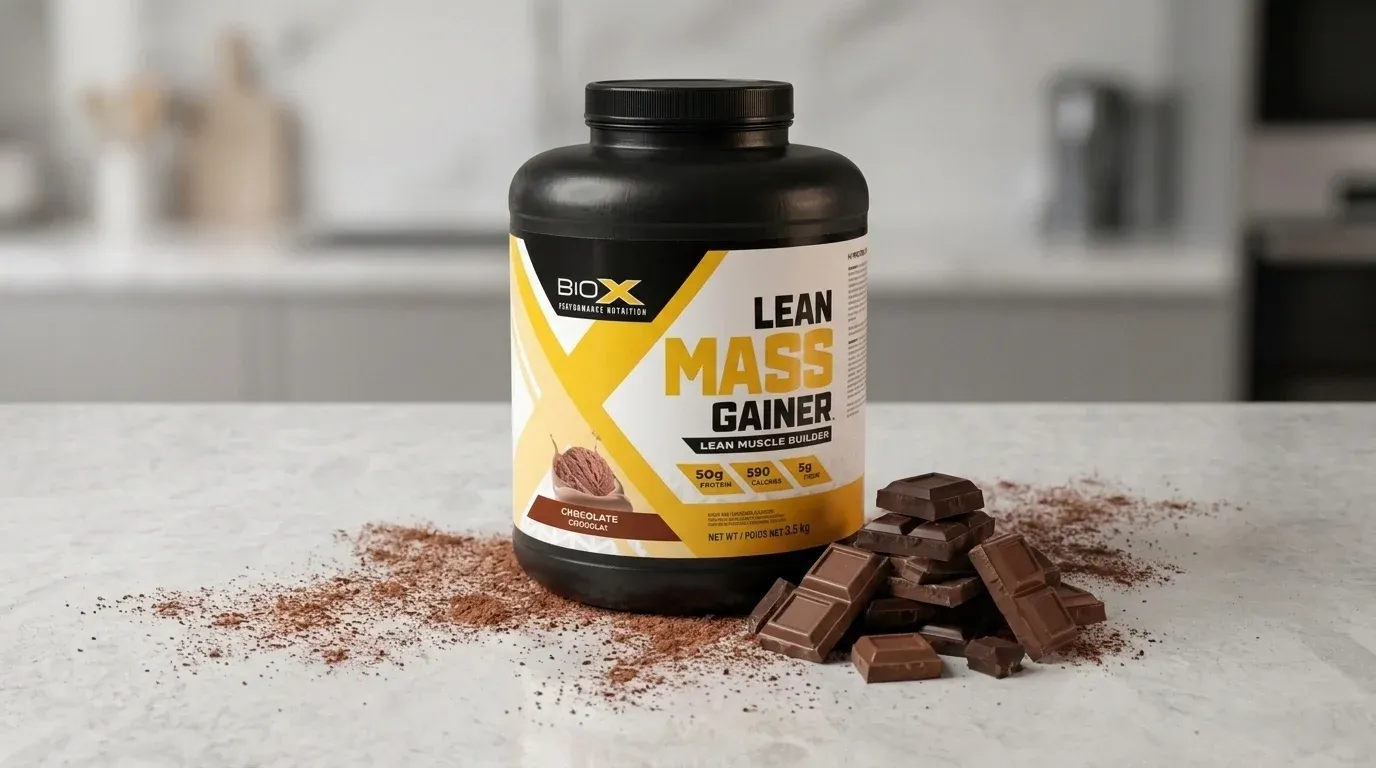
Lean Mass Gainers: Advantages and Things to Think About Before Buying

Many people work hard in the gym, eat well, take Lean Mass Gainer supplements, sleep well, and stick to their daily routine. But they don't achieve their health goals. Lean Mass Gainer, you have to know that every person is different and works. differently. Some people find it easy to stay slim.For others, the hardest part is losing a few inches. And some people have difficulty gaining weight or bulking up. Such people struggle to gain mass even after intense training. They need something extra in their diet: enough calories to build lean muscle. For this purpose, mass supplements are created. Let's Read!Definition Of Lean Mass Gainer SupplementsA weight gain supplement is a fitness supplement. It helps a person gain weight and mass. It also aids in their bodily maintenance. Sometimes, it takes too long to reach the required weight and achieve the desired body goals. With Lean mass gainers, you can gain weight quickly. Regular meals cannot meet the need for more calories when exercising.They already know that a weight gainer is a dietary supplement that helps a person gain weight or build muscle mass during an exercise program. You also need to understand what weight gain is, how it happens, and the benefits it brings. Lean Mass gainers contain higher amounts of carbohydrates, proteins, and other essential nutrients such as vitamins, minerals, fiber, and digestive enzymes. Mass gainers contain 1,000 calories per scoop and calories from natural foods.What is a Lean Mass Gainer?Lean Mass Gainers are supplements designed to help people put on muscle. They include carbs, proteins, and occasionally additional elements like vitamins and minerals. The lean mass supplement gives your body the nutrients it needs for muscle building and size.One of the main ingredients in muscle mass-building formulas is protein powder. Lean Gainer Protein is essential for building muscle because it provides the body with the elements it needs to build new muscle tissue. A quality protein powder for muscle mass contains whey protein, a form of protein that is digested and absorbed by the body. For bodybuilders and athletes who need to refuel their protein stores after training, this makes it the perfect choice.Fat-free protein powder also contains carbohydrates. Carbohydrates are important for providing the body with energy and replenishing glycogen stores in the muscles. This is especially important for athletes and bodybuilders who perform intense exercises, as their bodies must have a constant supply of energy to meet training demands.Benefits of Lean Mass GainerA quality diet includes weight gain supplements, good food, hard exercise, and eight hours of sleep. This combo is what a person needs for a healthy body. When we push ourselves to the limit when exercising, our muscles need to gain mass, and our body needs extra calories, which is why we need to gain weight. Here are some of the benefits of Lean Mass Gainer  integration:CaloriesIntense calorie intake is essential for bodybuilders and fitness enthusiasts who train to the extreme to achieve their ideal physique. Lean Gainer Protein is high in calories and provides up to 1,000 calories per serving.MacronutrientsGaining weight is good, but it has to be healthy because carbohydrates, proteins, and fats have to be in the right proportion to each other. To give the body the precise ratio of each macronutrient, mass gainer contains all three in equal amounts.Muscle Size and StrengthThe protein content of Mass Gainer comes from protein sources such as whey, which contains high protein content. Protein increases training efficiency, supports muscle recovery, and maintains strength.Using A Bulk Supplement For TrainingEverybody is different, and so are their fitness goals. It is important to understand who can gain weight, as this is not necessary for everyone.EctomorphsEctomorphs are people with thin builds who have difficulty gaining weight and muscle mass. These people struggle to gain weight. This is true even after intense exercise and a good diet. Massage preparations can be a good solution for these people.BodybuildersBodybuilders must consume more protein, carbohydrates, and fats, which can increase body mass. When it comes to natural foods, they need something special that can add extra calories to their diet. Lean muscle gainers can be used as a supplement for bodybuilders.Slim People With Fast MetabolismSlim people have fast metabolisms and burn calories. They can gain mass through exercise and diet. This will help them gain weight.Selecting The Best Lean Mass Gainer Protein SupplementSometimes when buying a lean mass gainer protein powder. A few basic elements, such as the source of protein, are important to take into account. What kind of protein is in the bulk gainer, how good are the ingredients, and are there other factors like brand and market reputation?Workouts With Lean Mass Gainer Protein PowderUsing lean muscle gainer protein powder is essential if you want to reap its maximum benefits. As far as your exercise regimen is concerned, each day counts calories. It is suggested that this protein be required immediately following exercise to initiate muscle repair and meet post-exercise protein requirements.Important Elements:Mass Gainer Protein: Adding protein, which aids in muscle growth and repair, is essential to mass gainer supplements. Whey protein concentrate, whey protein isolate, and casein make up a mass gainer protein when discussing the common sources.Carbs: To give long-lasting energy and restore glycogen levels, nutrient-rich carbs such as oats, maltodextrin, and sweet potatoes are added.Fats: Good fats that aid in weight gain and the general calorie content of mass gainer supplements are MCT oil, coconut oil, and flaxseed oil.Range of SafetyFixings Are Important:Select bulk gainer pills devoid of fake additives, fillers, excessive sweets, or unwanted fats. A third party's testing for purity and strength can confirm.Individual Well-Being Considerations: Individuals who already have health issues or allergies should speak with medical professionals before including muscle gainer supplements in their regimen.Best Homes And Safety Measures:Dosage Guidelines:To avoid overconsumption and any negative effects, follow the producer's recommended measuring instructions.Hydration: To stay hydrated and improve absorption, drink a lot of water throughout the day, especially if you are taking mass gainer supplements.Modified Slim Down: Although mass gainer supplements can assist in fulfilling protein and caloric requirements, they should not replace whole meals. Points for a modified diet low in whole grains, veggies, lean meats, and natural items.Standard Workout: To optimize muscle growth and overall health, use mass gainer supplements with a consistent training regimen that includes both resistance training and cardiovascular exercise.Screen AdvancementMonitor your progress over time and adjust your intake of mass gainer supplements as necessary to achieve your desired results without gaining too much weight.ConclusionBefore taking any Lean Mass Gainer supplement, it is important to understand what it is and how it works. You need to know its nutrition, benefits for you, and if it is needed for your body and training. If your body needs a bulking supplement to speed up training and body growth,  Lean Mass Gainer Nutrition's bulking supplement comes in many flavors.Nutrition offers high-quality Lean Gainer. It comes in a variety of strains designed for different body types.

B
BioX Nutrition
Aug 21, 2026 42 Reads

Physical Therapy San Ramon for Better Movement Strength and Recovery Care

Maintaining healthy movement is important for enjoying everyday life. Simple activities such as walking, exercising, working, climbing stairs, or playing with family can become difficult when pain or an injury affects the body. Physical therapy can help people improve movement, build strength, and regain confidence while working toward their individual recovery goals.Physical therapy is useful for many different situations. People may seek treatment after an accident, sports injury, surgery, or period of inactivity. Others may experience ongoing discomfort in areas such as the back, neck, shoulders, knees, hips, or ankles. A physical therapist can evaluate movement and create an exercise program designed around the person's condition, abilities, and lifestyle.For individuals searching for Physical Therapy San Ramon, personalized treatment can provide a structured way to work toward better physical function. Rather than using the exact same routine for everyone, therapy can focus on the specific challenges affecting your movement. The goal is to help you make steady progress while learning techniques that can support long-term physical health.Personalized Evaluation and TreatmentA successful therapy program begins with understanding the patient's needs. During an evaluation, a physical therapist may look at flexibility, strength, balance, posture, coordination, joint movement, and functional activities. This information helps identify areas that may need attention.Once the evaluation is complete, the therapist can develop a treatment plan based on the patient's goals. Someone recovering from a knee injury may need a program focused on strength and stability, while a person experiencing back discomfort may benefit from mobility exercises and movement education. Treatment can be adjusted as progress is made.Building Strength and FlexibilityMuscle weakness and limited flexibility can affect the way the body performs everyday movements. Physical therapy exercises can target specific muscle groups and help improve overall stability. Stronger muscles may provide better support for joints and make common activities easier.Stretching and mobility exercises can also be included in a therapy program. Improving flexibility may help patients move more comfortably and perform exercises with better technique. Therapists can teach patients how to complete these movements properly so they can continue practicing safely at home.Recovering After an InjuryAn injury can interrupt work, exercise, hobbies, and other parts of daily life. Physical therapy can help guide the recovery process through gradual and appropriate activity. Instead of immediately returning to demanding movements, patients can work through different stages of rehabilitation.Therapy may begin with gentle exercises and gradually progress toward more challenging activities. This approach allows the body to adapt while the therapist monitors movement and functional improvements. The program can be modified whenever a patient's needs or abilities change.Supporting an Active LifestylePhysical therapy is not only about recovering from an injury. It can also help people who want to remain active and improve their physical performance. Athletes and recreational exercisers may use therapy to address movement limitations, improve strength, or safely return to their preferred activities after an injury.Learning proper movement techniques can also help people become more aware of how they use their bodies. Better movement habits can be useful during exercise, work, household activities, and other daily tasks.Managing Everyday Movement ChallengesPain and stiffness can make even ordinary activities feel difficult. Getting dressed, sitting at a desk, carrying groceries, or walking for extended periods may become uncomfortable. Physical therapy focuses on functional movement, helping patients work toward completing these activities with greater comfort and confidence.Therapists may also provide home exercises and practical recommendations. Following these instructions consistently can help patients remain active in their recovery between appointments. Regular participation is an important part of making progress.Choosing Physical Therapy in San RamonWhen choosing a physical therapy provider, look for an approach that considers your individual needs and recovery objectives. Clear communication, appropriate exercises, progress tracking, and patient education can all contribute to a positive rehabilitation experience.Physical therapy can be a valuable step toward improved mobility, strength, balance, and confidence. Whether you are recovering from an injury, preparing to return to exercise, or dealing with movement limitations, a personalized program can help you work toward a healthier and more active lifestyle in San Ramon.

A
Alex John
Aug 21, 2026 49 Reads

Pain Clinic in Kissimmee: Personalized Care for Lasting Pain Relief

Living with ongoing pain can affect your mobility, work, sleep, and everyday quality of life. Finding the right pain clinic in Kissimmee can help you understand the underlying cause of your discomfort and explore appropriate treatment options. At Acme Spine And Ortho, patients can receive personalized care focused on identifying the source of pain and developing a treatment approach based on their individual needs. Whether pain is related to the spine, joints, muscles, or a previous injury, a comprehensive evaluation can help guide the next steps. Depending on the condition, treatment may include conservative approaches, physical therapy recommendations, medication management, injections, or other specialized treatments when appropriate. The goal is to reduce pain, improve mobility, and help patients return to their daily activities with greater comfort and confidence. Choosing an experienced pain care provider in Kissimmee can make an important difference in managing persistent discomfort and supporting long-term musculoskeletal health. With a patient-focused approach, Acme Spine And Ortho works to provide individualized orthopedic and spine care designed around each patient's condition, lifestyle, and treatment goals.

A
Acme Spine and Orthopedics
Aug 17, 2026 55 Reads

Vein Treatment: Effective Solutions for Healthier Veins and Better Circulation

Understanding Vein Problems and Their ImpactHealthy veins play a vital role in maintaining proper blood circulation throughout the body. They are responsible for carrying blood back to the heart and ensuring that oxygen-depleted blood moves efficiently through the circulatory system. When veins become damaged or weakened, they may lose their ability to function properly, leading to a variety of health concerns, including pain, swelling, and visible vein disorders.Today, vein treatment has become one of the most effective ways to address conditions such as varicose veins, spider veins, chronic venous insufficiency, and other circulation-related disorders. Thanks to modern medical technology, patients no longer have to rely on traditional surgical procedures. Minimally invasive treatments now provide faster recovery, less discomfort, and long-lasting results.What Is Vein Treatment?Vein treatment refers to a group of medical procedures designed to improve blood flow and treat diseased or damaged veins. These treatments focus on eliminating abnormal veins while allowing healthy veins to continue carrying blood efficiently.Modern vein treatments are performed using advanced imaging technology and minimally invasive techniques. Depending on the severity of the condition, specialists may recommend different treatment options, including laser therapy, sclerotherapy, radiofrequency ablation, endovenous laser treatment, or surgical intervention.The primary goal of these procedures is to relieve symptoms, improve circulation, and prevent complications associated with untreated vein disease.Common Vein Conditions That Require TreatmentVaricose VeinsVaricose veins are enlarged, twisted veins that commonly develop in the legs. They occur when the valves inside the veins become weak, allowing blood to flow backward and collect inside the veins.Common symptoms include:Leg painSwellingHeavinessBurning sensationsVisible bulging veinsSpider VeinsSpider veins are smaller and less severe than varicose veins. They usually appear as red, blue, or purple lines close to the skin's surface.Although they are often considered a cosmetic concern, they can sometimes indicate underlying circulation problems.Chronic Venous InsufficiencyChronic venous insufficiency develops when veins cannot effectively return blood to the heart. This condition can lead to:Leg swellingSkin discolorationPersistent painUlcersFatigue in the lower limbsWithout proper treatment, chronic venous insufficiency may worsen over time.Deep Vein ThrombosisDeep vein thrombosis occurs when a blood clot develops in a deep vein, usually in the legs. This condition requires immediate medical attention because the clot can travel to the lungs and cause serious complications.Causes of Vein DiseaseSeveral factors contribute to vein-related disorders.AgingAs people age, vein walls naturally become weaker. This makes it more difficult for the veins to move blood efficiently.GeneticsFamily history plays a significant role in vein disease. Individuals with close relatives who have varicose veins are more likely to develop similar conditions.PregnancyPregnancy increases blood volume and places additional pressure on the veins, particularly in the pelvic area and lower extremities.ObesityExcess body weight increases pressure on the veins, reducing their ability to circulate blood properly.Prolonged Sitting or StandingJobs that require individuals to stand or sit for extended periods can negatively affect blood circulation and increase the risk of vein disease.Different Types of Vein TreatmentSclerotherapySclerotherapy involves injecting a specialized solution directly into damaged veins. The solution causes the vein to collapse and gradually disappear.This procedure is commonly used to treat spider veins and smaller varicose veins.Endovenous Laser TherapyEndovenous laser therapy uses heat generated by a laser to close damaged veins.Benefits include:Minimal discomfortFaster recoveryReduced scarringHigh success ratesRadiofrequency AblationRadiofrequency ablation uses heat produced by radio waves to seal unhealthy veins.This minimally invasive procedure is often recommended for larger varicose veins.Ambulatory PhlebectomyThis technique removes damaged veins through very small incisions.Patients usually experience significant symptom relief with little downtime.Compression TherapyCompression stockings help improve blood circulation by applying gentle pressure to the legs.Although compression therapy does not eliminate damaged veins, it often helps manage symptoms.Benefits of Modern Vein TreatmentsAdvancements in vascular medicine have significantly improved treatment outcomes.Some important benefits include:Minimally invasive proceduresLittle or no scarringFaster recovery periodsReduced discomfortImproved appearanceBetter blood circulationLong-lasting symptom reliefMost patients can return to their normal activities within a few days after treatment.What to Expect During TreatmentThe treatment process usually begins with a comprehensive evaluation.Initial ConsultationDuring the first visit, the specialist may:Review medical historyPerform a physical examinationOrder an ultrasound examinationEvaluate blood flowTreatment ProcedureThe procedure depends on the selected treatment method. Most minimally invasive procedures are performed using local anesthesia.RecoveryRecovery times vary according to the treatment.Patients are often advised to:Walk regularlyAvoid prolonged sittingWear compression stockingsFollow post-treatment instructionsFollowing these recommendations can improve treatment outcomes and reduce the risk of complications.How to Prevent Vein DiseaseAlthough not all vein disorders can be prevented, healthy lifestyle habits can significantly reduce the risk.Stay Physically ActiveRegular exercise improves circulation and strengthens leg muscles.Maintain a Healthy WeightWeight management reduces pressure on the veins.Elevate Your LegsElevating the legs helps blood flow back toward the heart.Avoid Sitting for Long PeriodsTaking short walks throughout the day can improve circulation.Wear Compression StockingsCompression garments provide additional support and reduce swelling.Final ThoughtsVein disease can affect both physical health and overall quality of life. Fortunately, modern treatment options provide effective solutions that restore healthy circulation and reduce discomfort. Early diagnosis and timely intervention are essential for preventing complications and achieving the best possible outcomes. If you are experiencing symptoms related to vein disease, seeking professional care from a trusted Vascular Institute can help you explore advanced treatment options and develop a personalized care plan.Frequently Asked Questions1. What is the most effective vein treatment?The most effective treatment depends on the severity of the condition. Common options include sclerotherapy, laser therapy, and radiofrequency ablation.2. Are vein treatments painful?Most modern procedures cause very little discomfort because they are minimally invasive and performed under local anesthesia.3. How long does recovery take?Many patients return to their normal activities within one to three days, although recovery varies depending on the procedure.4. Can varicose veins return after treatment?Treated veins usually do not return, but new varicose veins may develop over time.5. Is vein treatment covered by insurance?Many medically necessary procedures are covered by insurance, but coverage varies between providers.6. When should I see a vein specialist?You should seek medical attention if you experience swelling, pain, heaviness, skin discoloration, or visible changes in your veins.

V
Vascular Institute
Aug 12, 2026 51 Reads

Eye Hospital in Patna

Eye health is an essential part of overall well-being, yet many people ignore eye problems until their vision becomes severely affected. In a growing city like Patna, the demand for quality eye care services has increased significantly due to rising screen time, pollution, lifestyle changes, and age-related eye disorders. An Eye Hospital in Patna » plays a crucial role in providing specialized diagnosis, treatment, and surgical care for patients suffering from various eye conditions.

A
ASGeye Hospital
Aug 11, 2026 44 Reads

What Are Peptides for Weight Loss? The Different Mechanisms Explained

What Are Peptides for Weight Loss?"Peptides for weight loss" are used as if it describes a single mechanism, the way "antibiotic" describes one general category of drug. It doesn't. At least four distinct biological pathways currently get marketed under this one umbrella term, and they work in genuinely different ways. Understanding which pathway, a specific peptide targets tells you far more than knowing it falls under the broad "peptide" label.What Are Peptides for Weight Loss, really?At its core, a weight loss peptide is a short chain of amino acids designed to mimic a hormone your body already produces, one involved in hunger, digestion, or fat metabolism. Some target appetite directly. Others work through an entirely separate signaling pathway. A few aims to solve a problem the appetite-focused peptides create in the first place, like muscle loss during rapid weight reduction.How Do Appetite-Suppressing Peptides Work?This is the pathway most people already know. GLP-1 peptides like semaglutide slow gastric emptying and act directly on appetite centers in the hypothalamus, reducing hunger signals sent through the vagus nerve. In clinical trials, this pathway alone has produced average weight loss in the 15 to 21 percent range. It remains the most studied and widely prescribed mechanism in this space.How Does the Amylin Pathway Differ From GLP-1?This is where things get more interesting, and it is not well covered in most general peptide guides. Amylin is a separate 37-amino-acid hormone, co-released with insulin by the pancreas, that signals fullness through completely different receptors in the brainstem than GLP-1 does. Cagrilintide, a long-acting amylin analog, binds to amylin and calcitonin receptors concentrated in brainstem regions that integrate satiety signals, rather than the GLP-1 receptors in the hypothalamus and vagus nerve.One distinct advantage researcher has flagged: amylin appears to help prevent the drop in energy expenditure that typically happens when someone eats less and loses weight, a metabolic slowdown that works against long-term progress. Used alone, cagrilintide has produced roughly 10 to 11.8 percent weight loss over 68 weeks. Combined with semaglutide, in a pairing called CagriSema, Phase 3 trial data showed weight loss up to 22.7 percent, among the strongest results reported for any obesity treatment in late-stage testing. As of now, this combination remains investigational and is not, yet FDA approved.What Is a Triple Agonist Peptide?Retatrutide represents a third pathway, sometimes called a triple agonist, because it activates GLP-1, GIP, and glucagon receptors simultaneously rather than just one or two. The logic is straightforward: more metabolic pathways engaged at once may mean a stronger combined effect than any single pathway alone. Early trial data has shown substantial weight loss with this approach, though it also remains investigational rather than an approved, established treatment.How Do Growth-Hormone-Based Peptides Target Fat Differently?A separate category of peptides works through the growth hormone pathway rather than appetite signaling at all. These compounds aim to trigger lipolysis, the breakdown of stored fat, by mimicking fragments of growth hormone activity. AOD-9604 is the most cited example. This pathway has considerably weaker clinical support than the GLP-1 or amylin routes, and AOD-9604 specifically failed to replicate its early positive results in a larger pivotal trial.Can Any Peptides Help Preserve Muscle During Weight Loss?This is an emerging concern worth knowing about. Rapid weight loss from appetite-suppressing peptides can include a meaningful loss of lean muscle mass alongside fat. Some researchers have proposed that amylin analogs may help preserve muscle better than GLP-1 agonists alone, since satellite cells involved in muscle repair express calcitonin receptors that amylin-based peptides also target. That data is still preclinical and not yet conclusive. Separately, myostatin inhibitors like bimagrumab are being studied specifically in combination with GLP-1 therapies as a dedicated muscle-preservation strategy, rather than a weight loss mechanism on its own.Weight Loss Peptide Pathways Compared Pathway Example Peptide Primary Action Notable Data GLP-1 receptor agonism Semaglutide Slows digestion, reduces appetite 15 to 21 percent body weight loss in trials Amylin Receptor agonism Cagrilintide Enhances satiety via brainstem signaling 10 to 11.8 percent alone; up to 22.7 percent combined with semaglutide Triple agonism (GLP-1/GIP/glucagon) Retatrutide Engages three metabolic pathways at once Substantial early results; still investigational Growth hormone/lipolytic pathway AOD-9604 Targets fat cells via GH-derived signaling Pivotal trial failed to replicate early findings Myostatin inhibition Bimagrumab Aims to preserve muscle during weight loss Studied alongside GLP-1 therapies, not standalone Which Weight Loss Peptide Pathway Is Right for You?The honest answer depends on your specific metabolic profile, not just which pathway sounds most promising. Someone with a strong appetite-driven pattern may respond differently than someone whose main concern is preserving muscle during a larger weight loss goal. This is exactly the kind of decision that benefits from lab data rather than guessing based on which peptide is trending. THRYVE Wellness Medical's Peptide Therapy program works from your actual Biomarker Testing results to match a pathway to your specific situation, rather than defaulting to whichever option is most heavily marketed.Frequently Asked QuestionsWhat is the difference between GLP-1 and amylin peptides for weight loss? GLP-1 peptides slow digestion and act on appetite centers in the hypothalamus. Amylin peptides work through a separate brainstem pathway and may help prevent the metabolic slowdown that often comes with weight loss.Is cagrilintide FDA approved? Not yet. Cagrilintide and the combination product CagriSema remain investigational as of 2026, based on Phase 3 trial data rather than a finalized approval.What is a triple agonist peptide? A triple agonist activates three metabolic receptors at once, typically GLP-1, GIP, and glucagon. Retatrutide is the most discussed example currently in development.Do weight loss peptides cause muscle loss? Rapid weight loss from appetite-suppressing peptides can include some loss of lean muscle mass. Researchers are studying both amylin analogs and myostatin inhibitors as potential ways to reduce this effect.Can amylin peptides be combined with GLP-1 medications? Yes. This combination, tested as CagriSema, has shown some of the strongest weight loss results reported in late-stage clinical trials so far, though it is not yet an approved treatment.Key TakeawaysPeptides for weight loss work through at least four distinct pathways, not one mechanism. GLP-1 peptides remain the most studied, producing 15 to 21 percent weight loss in trials. Amylin-based peptides like cagrilintide work through a separate brainstem pathway and may help preserve energy expenditure during weight loss. Combining amylin and GLP-1 pathways, as in CagriSema, has shown weight loss up to 22.7 percent in Phase 3 trials. Muscle preservation during weight loss is an active area of research, with both amylin analogs and myostatin inhibitors being studied.The Bottom LineThe peptides being marketed for weight loss today are not interchangeable and treating them as one category misses the point entirely. Each pathway, appetite suppression, amylin signaling, triple agonism, or growth hormone activity, comes with its own evidence base, its own trade-offs, and its own level of regulatory maturity. Knowing which pathway, you are being offered matters more than the word "peptide" on its own ever will.

T
Thryve Clinic
Aug 11, 2026 48 Reads

Zopiclone and Sleep: Benefits, Risks, and Important Precautions

A good night's Sleeping Pills UK impacts practically every part of every day life, from concentration and memory to state of mind, power, and physical healing. When insomnia comes to be consistent, sleeping can seem like a nightly struggle as opposed to a natural process. Zopiclone is one prescription medicine that might be utilized to take care of significant sleep troubles for a minimal period.However understanding zopiclone has to do with more than recognizing that it is a resting tablet. Individuals considering or taking this medication needs to comprehend what it can genuinely do, what constraints it has, which scenarios need extra care, and why medical professionals generally prevent making it an irreversible rest solution.This guide takes a useful look at zopiclone and sleep, including its possible advantages, feasible disadvantages, preventative measures, responsible usage, and choices that might support far better sleep gradually.Important: Zopiclone is a prescription medication. This post provides basic educational info and must not change recommendations from a medical professional, pharmacologist, or various other qualified health care specialist.What Role Does Zopiclone Play in Sleep Troubles?Zopiclone Dosage belongs to a team of prescription medicines called hypnotics. It is used primarily for grownups experiencing substantial sleep problems.Sleeplessness does not constantly look the same. Someone may invest hours attempting to fall asleep, one more may wake a number of times before early morning, while another person might continually wake a lot earlier than intended. These various patterns can have various underlying causes.Tension, modifications in regular, emotional difficulties, physical pain, particular clinical problems, medications, high levels of caffeine, change work, and ecological variables can all interfere with rest.Zopiclone does not always deal with these underlying causes. Rather, it creates a relaxing impact that can make sleep less complicated throughout the period in which it is being made use of.This difference is very important. A medicine might assist somebody rest tonight without necessarily solving why they have actually been resting badly for the last a number of months.The Potential Advantages of ZopicloneWhen recommended properly, zopiclone might use helpful short-term benefits.Helping With Difficult NightsSerious insomnia can create a cycle in which bothering with sleep makes it also harder to go to sleep. A prescribed resting medicine may temporarily interrupt this pattern by minimizing performance and motivating rest.Sustaining Sleep ContinuitySome individuals with sleeplessness do not have problem dropping off to sleep but repetitively wake throughout the evening. Relying on the private circumstance, zopiclone might aid provide a more settled duration of sleep.Offering Temporary Alleviation Throughout Difficult PeriodsSleep problems occasionally happen throughout specifically demanding periods or together with various other temporary conditions. In picked cases, a physician may prescribe zopiclone while the underlying trouble is being dealt with.The goal ought to usually be momentary support rather than uncertain dependence.Helping Reduce the Immediate Influence of Sleeping DisordersPoor sleep can affect daytime focus, mood, productivity, and basic wellbeing. Improving sleep for a short period might assist someone feature far better while a more comprehensive therapy plan is developed.What Zopiclone Can refrain from doingIt is similarly crucial to understand the constraints of this drug.Zopiclone does not immediately remedy an uneven sleep timetable, extreme high levels of caffeine consumption, unattended anxiety, an uncomfortable bedroom, or another condition that might be disturbing sleep.It likewise does not guarantee that an individual will wake sensation entirely revitalized.If sleeping disorders keeps returning after treatment ends, that might suggest that the original reason has not been attended to. Because situation, merely repeating training courses of medication might not be the very best long-lasting strategy.A medical care professional can help identify whether another strategy is better suited.How Zopiclone Changes the Rest ProcessZopiclone affects brain signaling associated with leisure and reduced nervous-system task. Its sedative residential properties can make the change from wakefulness to sleep easier.This is different from simply ending up being tired after a lengthy day. The medicine changes activity in the main nerves, which is why it can also influence awareness, sychronisation, and concentration.The result ranges individuals. Variables such as age, other medications, general health and wellness, and personal level of sensitivity can influence the reaction.Due to this variant, info regarding another individual's experience need to not be made use of to establish your own dosage.Why the Right Timing MattersTaking a sleeping medication is not just concerning taking a tablet whenever rest ends up being difficult.zopiclone uk next day delivery is generally taken near to bedtime according to the suggesting directions. Individuals must be prepared to rest after taking it and should have sufficient time offered for undisturbed rest.Taking it when you still need to work, travel, drive, look after someone, or carry out tasks needing focus can create preventable risks.If your routine modifications often, tell your healthcare expert. They can explain exactly how the proposed therapy should suit your regimen.The Morning After: An Often-Overlooked IssueA person might think of zopiclone generally in terms of what takes place at bedtime. Nevertheless, what occurs the complying with morning can be similarly essential.Some individuals may experience remaining drowsiness, reduced concentration, lightheadedness, or a feeling of being less alert.This matters specifically for individuals whose work entails driving, equipment, elevations, or various other safety-sensitive tasks.If you awaken sensation damaged, do not presume that coffee or a shower has actually completely gotten rid of the medicine's results. Prevent possibly unsafe activities till you are completely sharp.That May Require Extra Caution?The same medicine can influence various individuals in different methods. Particular groups might require specific attention from a healthcare specialist.Older GrownupsOlder people may be extra conscious sedative medications. Wooziness or impaired control can boost the possibility of drops and injuries.People With Breathing ProblemsAnybody with respiratory system problems or rest apnoea should inform their medical professional prior to using Zopiclone 10mg. Sedative medicines can be especially concerning when breathing is already jeopardized.People With Liver ProblemsThe liver plays an important role in processing numerous medicines. Decreased liver function can affect how a medication is dealt with by the body.Individuals Taking Several MedicinesUsing numerous medicines boosts the opportunity of communications. Your physician or pharmacist ought to understand about prescription medicines, non-prescription items, and supplements you use.Individuals With a History important DependancyA background of dependancy on alcohol, medicines, or various other compounds might impact whether a hypnotic medicine is appropriate.These scenarios do not automatically mean that zopiclone can not be made use of. They suggest that personalized clinical analysis is particularly essential.Why Combining Medicines Can Be RiskyAmong the most important safety measures is to stay clear of thinking that prescription medications are immediately secure when taken together.Numerous medicines can create sedation. When their impacts overlap, the resulting drowsiness might become a lot more powerful than anticipated.Particular problem exists with medicines such as opioids and other central nerve system depressants. Incorporating sedating medications can influence alertness and, in some conditions, breathing.Constantly give your doctor or pharmacist with a precise list of whatever you take.Zopiclone and Daily ResponsibilitiesA resting medicine can impact more than bedtime.Take into consideration activities that need reputable control and interest, including:Driving to functionOperating machineryWorking at heightsCaring for young childrenTaking care of toolsMaking essential choicesTaking a trip early in the morningIf you routinely have obligations instantly after waking, discuss this with your healthcare specialist before treatment.What Regarding the Taste?One unusual feature that some individuals discover with zopiclone is an unpleasant bitter or metal preference.This result can stay visible after waking and might be one factor some people dislike the drug also when it helps them rest.Dry mouth can also take place. Staying moistened may make mild mouth dryness more comfortable, although persistent symptoms ought to be talked about with a medical care professional.Why Long-Term Dependence Can Come To Be a TroubleThe objective of sleeplessness therapy should preferably prolong beyond just surviving one night.With duplicated use hypnotic medications, the body may come to be accustomed to their results. Some people can establish resistance, while others might end up being literally or psychologically dependent.This creates a vital distinction in between short-term therapy and long-term reliance.If a person really feels not able to rest without the medication, it is worth reviewing the situation with a physician as opposed to instantly boosting the quantity taken.If Zopiclone 7.5 mg has actually been used on a regular basis, quiting must additionally be reviewed with a medical care expert since abrupt discontinuation can produce withdrawal signs and symptoms in some people.Suppose Rest Does Not Boost?If zopiclone does not appear to help, taking a lot more is not the solution.Persistent sleep troubles may aim toward an additional problem that requires attention. For instance, loud snoring and pauses in breathing may suggest rest apnoea, while relentless worry might show that stress and anxiety is adding to sleeping disorders.Various other possibilities consist of troubled legs, persistent discomfort, drug results, uneven functioning hours, or an irregular rest schedule.A medical evaluation can aid determine these factors.Structure Better Rest Behaviors Together With TreatmentMedicine is just one feasible part of an insomnia-management strategy.Easy modifications can make a meaningful distinction for some people:Keep a Constant ScheduleTry to preserve similar resting and waking times daily, including weekends.Develop a Wind-Down PeriodGive yourself time to shift far from job, intense discussions, or boosting activities before bed.View Your Caffeine IntakeCoffee, tea, power beverages, and other sources of caffeine can disrupt rest, especially when taken in later in the day.Make the Bedroom Sleep-FriendlyA quiet, dark, comfy area can make it easier to develop a foreseeable bedtime routine.Avoid Long Daytime NapsExtensive snoozes can decrease sleepiness at night and make an irregular sleep pattern more difficult to correct.Take Into Consideration Specialist Sleep TreatmentFor ongoing sleeplessness, cognitive behavior modification for insomnia (CBT-I) can address behaviors, thoughts, and habits that add to rest difficulties. It is frequently considered an important longer-term technique to insomnia monitoring.Indicators That Your Treatment Must Be AssessedA medication testimonial may be appropriate if:You regularly require greater than the recommended quantity.You really feel unable to sleep without the medicine.Rest problems continue despite treatment.You experience substantial morning problems.Adverse effects are disrupting every day life.You are taking various other medicines that trigger sedation.You have begun experiencing uncommon nighttime habits.You want to quit after normal use.These scenarios do not imply you have actually done something wrong. They are reasons to talk honestly with your health care expert.Frequently Asked QuestionsIs zopiclone an irreversible treatment for sleep problems?No. Buy Zopiclone Direct UK is typically intended for short-term therapy. Lasting insomnia usually requires examination of the underlying causes and might benefit from non-drug strategies.Can zopiclone make you feel regular the following early morning?Some individuals wake feeling typical, while others experience exhaustion, lightheadedness, or decreased alertness. Private feedbacks differ.Is zopiclone ideal for everybody with poor rest?No. Whether it is appropriate relies on the extent and cause of sleep problems, age, case history, various other medicines, and private risk aspects.What should I do if my sleep troubles continue?Talk with your medical professional rather than raising the dose on your own. Consistent sleeplessness might require analysis for a hidden problem or a various treatment technique.Can better rest habits replace resting drug?For some individuals, behavioral and way of life changes can substantially enhance sleep. For consistent sleep problems, structured methods such as CBT-I may be especially helpful.

b
buysleepingpillsuk
Aug 01, 2026 91 Reads

⚡ Biolabshop.fr : les clés d'une routine orientée énergie, concentration et récupération

Dans un quotidien où les exigences professionnelles, sportives et personnelles sont de plus en plus importantes, maintenir un bon niveau d'énergie et une concentration optimale tout en favorisant une récupération efficace est devenu essentiel. De nombreuses personnes adoptent aujourd'hui une routine de bien-être combinant une alimentation équilibrée, une activité physique régulière et des compléments alimentaires adaptés. Biolabshop.fr s'inscrit dans cette démarche en proposant des solutions destinées à accompagner différents objectifs de performance et de vitalité.🌿 Construire une routine équilibréeUne routine efficace repose avant tout sur des habitudes simples mais régulières. Les compléments alimentaires peuvent venir compléter ces bonnes pratiques, sans jamais les remplacer.Les éléments essentiels d'une routine comprennent :Une alimentation variée et équilibréeUn sommeil suffisant et réparateurUne activité physique adaptéeUne bonne hydratationUne gestion efficace du stressEn réunissant ces différents piliers, il devient plus facile de préserver son énergie au quotidien.⚡ Soutenir son niveau d'énergieLa sensation de fatigue peut avoir de nombreuses causes : rythme de vie soutenu, manque de sommeil ou périodes de travail intensif.Pour maintenir une énergie plus stable, il est conseillé de :Respecter des horaires de sommeil réguliersÉviter les excès alimentairesPratiquer une activité physique de façon constanteAccorder du temps à la récupérationCertaines personnes choisissent également d'intégrer des compléments alimentaires à leur routine afin d'accompagner leur vitalité.🧠 Favoriser la concentrationLa concentration est devenue une ressource précieuse dans un environnement riche en distractions. Les étudiants, les entrepreneurs, les salariés et les créatifs recherchent souvent des solutions pour rester attentifs plus longtemps.Une bonne concentration passe notamment par :Un sommeil de qualitéUne organisation efficaceDes pauses régulièresUne alimentation adaptéeDes compléments spécialisés peuvent également être intégrés dans une approche globale visant à soutenir les fonctions cognitives.💪 L'importance de la récupérationLa récupération est parfois négligée, alors qu'elle joue un rôle essentiel dans le maintien des performances.Après une journée de travail ou une séance de sport, le corps a besoin de temps pour retrouver son équilibre.Une récupération efficace repose sur :Un sommeil réparateurUne hydratation suffisanteUne alimentation adaptéeDes périodes de repos régulièresPrendre soin de cette phase permet de mieux préparer les journées suivantes.🌱 Une approche inspirée du biohackingLe biohacking encourage une vision personnalisée du bien-être. Chaque individu peut adapter sa routine en fonction de ses besoins et de ses objectifs.Certaines personnes souhaitent améliorer :Leur productivitéLeur enduranceLeur récupérationLeur capacité de concentrationLeur bien-être généralCette approche favorise une meilleure connaissance de son propre fonctionnement.⚠️ Utiliser les compléments avec discernementLes compléments alimentaires peuvent accompagner une routine bien construite, mais ils ne remplacent pas un mode de vie sain.Avant de commencer une supplémentation, il est recommandé de :Choisir des produits adaptés à ses besoinsLire attentivement les informations fourniesRespecter les doses conseilléesDemander l'avis d'un professionnel de santé si nécessaireUne utilisation responsable reste la meilleure manière d'intégrer ces produits à son quotidien.📈 Une nouvelle façon d'aborder le bien-êtreLes habitudes de consommation évoluent vers une approche plus personnalisée de la santé. Les utilisateurs recherchent désormais des solutions qui les aident à mieux gérer leur énergie, leur concentration et leur récupération sans négliger les bases d'une bonne hygiène de vie.Cette tendance explique l'intérêt croissant pour les plateformes spécialisées dans les compléments alimentaires et le biohacking.📦 ConclusionBiolabshop.fr accompagne les personnes souhaitant construire une routine axée sur l'énergie, la concentration et la récupération grâce à une sélection de compléments spécialisés. Associés à une alimentation équilibrée, une activité physique régulière, un sommeil de qualité et une bonne gestion du stress, ces produits peuvent s'intégrer dans une démarche globale de bien-être. Une approche personnalisée et responsable reste toutefois essentielle pour atteindre des résultats durables.

M
MinhazSEO