Medical Transportation Federal Way WA for Convenient Healthcare Visits
By Mark willsons
13 Views
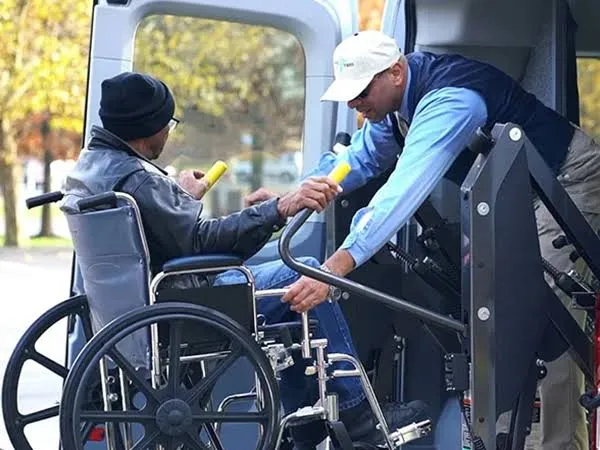
Understanding Medical Transportation for Local Residents
Getting to healthcare appointments can be challenging for people who cannot drive, have limited mobility, or need assistance because of age, disability, or recovery from a medical procedure. In Federal Way, residents may need transportation to primary care offices, specialist clinics, rehabilitation centers, hospitals, and other healthcare facilities. When transportation is difficult to arrange, patients may feel stressed about reaching appointments on time or finding a suitable way to return home afterward. Planning ahead can make these journeys more manageable by allowing patients and caregivers to confirm pickup details, discuss accessibility requirements, and organize the day around the appointment. A suitable transportation arrangement helps patients focus more on their healthcare needs instead of worrying about the practical challenges of getting there.
Why Reliable Medical Transportation Matters
Choosing medical transportation Federal Way WA can help patients organize travel to scheduled healthcare appointments without relying entirely on relatives, friends, or public transportation. Reliable planning is especially useful for people who attend regular treatments, have difficulty walking long distances, or need extra time to enter and exit a vehicle. Patients may also appreciate having a clear pickup arrangement when their appointment takes place in an unfamiliar location or when traffic makes travel times less predictable. Before booking, it is important to explain the destination, appointment time, mobility requirements, and any assistance needed during boarding. These details help determine whether the transportation provider can accommodate the trip and allow patients to prepare for a more organized healthcare visit.
Transportation for Routine Doctor Appointments
Routine doctor appointments are important for monitoring general health, reviewing medications, discussing symptoms, and following up on earlier medical concerns. However, reaching a clinic can become difficult when a patient does not drive or has limited access to someone who can provide a ride. Arranging transportation before the appointment can reduce last-minute pressure and help patients plan their day more confidently. Patients should confirm the clinic address, allow enough time for traffic, and keep any required identification or medical paperwork ready. If the appointment involves tests or an extended consultation, it is also helpful to discuss how the return journey will be coordinated. Preparing these details in advance can make routine healthcare travel easier to manage.
Helping Seniors Reach Healthcare Facilities
Older adults may experience mobility challenges that affect their ability to travel independently, including reduced balance, joint stiffness, fatigue, and difficulty getting into a vehicle. Some seniors continue driving comfortably, while others prefer assistance when visiting doctors or attending treatment sessions. A planned transportation arrangement can help older adults maintain their healthcare routines while preserving as much independence as possible. Family members may assist by scheduling appointments, confirming pickup information, and communicating any mobility requirements to the transportation provider. It is important to choose a service that matches the individual’s needs rather than assuming that every vehicle offers the same level of accessibility. Consistent planning can help seniors and their caregivers approach medical appointments with greater confidence.
Wheelchair Accessibility and Mobility Assistance
Patients who use wheelchairs, walkers, canes, or other mobility aids may require transportation that accommodates their equipment and movement limitations. Standard vehicles are not always suitable for every wheelchair user, so accessibility should be discussed before a reservation is confirmed. Patients should explain whether they can transfer into a regular vehicle seat, need a wheelchair-accessible vehicle, or require additional time when boarding. They should also ask what assistance the provider offers and whether the vehicle can safely accommodate the equipment they use. Sharing these details early can reduce misunderstandings on the day of travel. For patients with recurring appointments, confirming accessibility each time can help maintain a dependable transportation routine.
Arranging Transportation for Dialysis Treatments
Dialysis patients often attend treatment sessions on a recurring schedule, which makes dependable transportation an important part of their routine. Traveling to a treatment center several times a week may become tiring, especially when appointments last for hours or leave the patient feeling fatigued afterward. Planning the journey in advance helps patients coordinate pickup times, treatment schedules, and return transportation. Patients and caregivers should discuss the expected duration of each visit and ask how changes to the schedule will be handled. If treatment finishes later than expected, clear communication with the transportation provider can help everyone adjust the plan. A consistent arrangement can reduce uncertainty and make it easier to manage the practical demands of ongoing care.
Making Physical Therapy Visits Easier to Attend
Physical therapy may involve multiple appointments to support recovery, improve movement, strengthen muscles, and help patients regain daily independence. Reaching a rehabilitation clinic can be difficult for someone who experiences pain, weakness, balance problems, or fatigue after exercise. Organizing transportation can make it easier to maintain a regular appointment schedule without adding unnecessary pressure to the recovery process. Patients should consider how they feel before and after treatment, communicate any mobility limitations, and allow enough time for pickup and arrival. If a session includes strenuous activity, the return journey should be planned with the patient’s comfort in mind. Reliable arrangements can help patients focus on rehabilitation rather than worrying about how they will get home.
Planning Transportation After Surgery
After surgery, patients may temporarily be unable to drive because of anesthesia, medication effects, discomfort, or medical restrictions. They may also need help moving between the healthcare facility and their vehicle. Before scheduling a ride, patients should follow discharge instructions and confirm what type of transportation is appropriate for their condition. Certain procedures require a responsible adult to accompany the patient, and a standard transportation service may not satisfy that requirement. Planning before surgery gives patients and caregivers time to ask questions, confirm pickup arrangements, and understand any restrictions that apply to the return journey. These preparations can reduce confusion during discharge and help ensure that transportation arrangements match the instructions provided by the medical team.
Reducing Stress Before Medical Appointments
Medical visits can be stressful because patients may be concerned about symptoms, test results, treatment decisions, or unfamiliar procedures. Worrying about parking, traffic, or finding a ride at the last minute can add another burden to an already busy day. Arranging transportation ahead of time gives patients more opportunity to prepare for the appointment itself. Confirming the pickup location, destination, contact details, and return plan can prevent avoidable confusion. Patients should also leave enough time to reach the facility and complete check-in procedures before their scheduled appointment. Although transportation cannot remove every challenge associated with medical care, a well-organized plan can make the travel portion of the day more predictable and less stressful.
Choosing a Transportation Provider Carefully
Selecting a transportation provider involves understanding the services available and whether they match the patient’s specific requirements. Patients should ask about vehicle accessibility, scheduling procedures, driver assistance, payment arrangements, waiting policies, and cancellation rules before confirming a ride. People who use wheelchairs or other mobility equipment should verify that the vehicle is appropriate rather than assuming all transportation options provide the same features. It is also important to distinguish routine medical appointment transportation from services that provide clinical monitoring or emergency medical care. A standard non-emergency ride should not be treated as a substitute for an ambulance when urgent medical attention is needed. Asking clear questions before booking helps patients make informed decisions and set realistic expectations.
Travel Considerations Around Federal Way
Federal Way residents may travel to healthcare facilities within the city or to nearby communities depending on the type of appointment and the services they require. Traffic congestion, construction, weather, and parking conditions can affect the time needed to reach a destination. Patients with strict appointment times should consider these factors when arranging a pickup and allow an appropriate travel buffer. Providing the full destination address, clinic name, and any useful entrance information can help avoid confusion when arriving at a larger medical facility. Patients should also confirm whether the return ride is scheduled for a specific time or coordinated after the appointment ends. Good communication makes it easier to manage local travel and reduces unnecessary uncertainty.
Supporting Patients With Disabilities
People with disabilities may need different levels of transportation assistance depending on their mobility, equipment, and ability to travel independently. Some may need a wheelchair-accessible vehicle, while others may simply require additional boarding time or clear pickup instructions. Discussing these needs before the journey helps the provider determine whether the requested service is suitable. Patients should be included in decisions about their transportation preferences, and caregivers can help communicate practical information when appropriate. It is useful to ask specifically what assistance is available because transportation services do not necessarily provide personal care or medical supervision. A thoughtful plan can make scheduled healthcare visits more manageable while respecting the patient’s independence and individual requirements.
Coordinating Transportation With Family Members
Family members often help coordinate appointments, organize paperwork, and communicate with healthcare professionals, but they may not always be available to provide transportation. Work schedules, childcare, and other responsibilities can make it difficult to accompany a patient to every visit. Planning transportation in advance can help families coordinate their time while ensuring that the patient has a clear travel arrangement. Caregivers should confirm pickup details, share relevant mobility information, and make sure the patient knows how to contact the transportation provider if plans change. They should also check whether the medical facility requires an escort for a particular procedure. Clear communication between everyone involved can reduce confusion and make healthcare travel easier to coordinate.
Preparing for a Scheduled Medical Ride
Preparation begins with confirming the appointment time, destination, pickup address, and transportation reservation. Patients should have any requested identification, insurance details, referral documents, and medical paperwork ready before leaving home. Mobility aids should be accessible, and patients should communicate changes that might affect boarding or travel. Keeping a phone nearby is useful in case the driver needs directions or the pickup arrangement changes. Patients may also want to check the expected weather and traffic conditions so they can allow enough time for the journey. These small preparations can prevent avoidable delays and help the trip begin smoothly, particularly when the appointment is important or the patient has several responsibilities to manage that day.
Organizing the Return Journey
Return transportation is just as important as the trip to a healthcare facility, especially when patients may feel tired after treatment or have difficulty walking. Appointment lengths can vary, so patients should ask how the provider handles delays and whether pickup times can be adjusted if the visit takes longer than expected. People undergoing procedures that affect alertness or movement should follow the medical team’s instructions about supervision and transportation. Confirming the return plan before the appointment helps patients know what to expect when they are ready to leave. A clear arrangement can also help caregivers plan their availability and reduce the chance of the patient being left uncertain about how to get home.
Managing Recurring Medical Appointments
Patients receiving ongoing treatment or rehabilitation may need transportation several times each week or month. Organizing recurring rides, when available, can make scheduling easier and help patients build a predictable routine around their healthcare needs. It is important to review each appointment date and communicate any changes, cancellations, or updated pickup details as soon as possible. Patients should keep a record of reservations and provider contact information so they can quickly confirm the next journey. For individuals who require an accessible vehicle, mobility requirements should be communicated during booking rather than assumed to carry over automatically. Consistent planning can make repeated medical travel more manageable for patients, family members, and caregivers.
Understanding Transportation Costs and Policies
The cost of a medical ride may depend on travel distance, vehicle type, accessibility needs, waiting time, and the provider’s pricing structure. Before booking, patients should request clear information about the expected cost and ask whether extra charges may apply if an appointment runs late. Understanding payment options, cancellation policies, and reservation changes can prevent surprises later. Some patients may qualify for transportation support through an insurance plan, healthcare program, or community organization, but eligibility varies. Patients should verify coverage directly with the relevant organization instead of assuming a particular ride will be paid for. Reviewing these details before confirming transportation allows patients and caregivers to compare options and plan their healthcare travel budget more effectively.
Improving Access to Healthcare in the Community
Transportation barriers can prevent people from attending preventive checkups, completing treatment plans, and maintaining contact with healthcare professionals. When a ride is difficult to arrange, some patients may postpone appointments or depend on others whose schedules are unpredictable. Identifying transportation needs early allows patients to explore available options before the appointment date approaches. Family support, community resources, and suitable transportation providers may all help reduce practical barriers to care. Patients should choose an arrangement based on their mobility requirements, destination, and the type of assistance they need. Better transportation planning does not replace medical care, but it can help make scheduled visits easier to attend and support a more consistent approach to managing health.
Maintaining Comfort During Healthcare Travel
Comfort is an important consideration for patients who experience pain, fatigue, anxiety, or difficulty remaining seated for extended periods. When making a reservation, patients should describe any practical needs that could affect their journey and ask whether the vehicle is appropriate. Clear communication about mobility equipment, pickup instructions, building entrances, and expected travel times can help prevent avoidable problems. Patients should also report changes in their circumstances before the ride whenever possible. A transportation provider may not be able to control traffic or guarantee a particular travel time, but advance planning and realistic expectations can make the journey easier to manage. Prioritizing comfort helps patients approach appointments with better preparation.
Transportation for People Living Alone
People who live alone may need to make additional arrangements because no one is always available at home to assist with travel. Keeping appointment information organized, confirming transportation in advance, and having a phone accessible can make the process easier. Patients should ask their healthcare facility whether an escort is required after a procedure and confirm that the transportation service can meet any relevant requirements. A standard ride may provide transportation but should not be assumed to include personal care, medical supervision, or assistance inside a home. Understanding these limitations helps patients make arrangements that reflect their actual needs. When appropriate, sharing trip details with a trusted contact can provide another layer of organization.
Safety During Non-Emergency Transportation
Patients should determine whether their condition is suitable for scheduled non-emergency transportation before booking a ride. Sudden chest pain, severe breathing difficulty, signs of stroke, major bleeding, or another potentially life-threatening problem requires emergency medical assistance rather than routine transportation. For scheduled visits, patients should explain their mobility needs, ask about vehicle accessibility, and confirm what assistance the provider offers. They should also follow medical instructions regarding travel after procedures or while taking medications that may affect alertness. Understanding the difference between transportation and medical care is essential when choosing a service. Clear communication helps patients arrange appropriate travel without expecting a standard ride to provide emergency treatment.
Booking Transportation in Advance
Making a reservation early gives patients time to confirm availability, explain accessibility requirements, and coordinate travel around their appointment. When arranging medical transportation Federal Way WA, patients should provide accurate pickup and destination addresses, the appointment time, a reliable contact number, and any relevant mobility information. They should ask how the provider communicates delays or changes and whether return transportation must be booked separately. Patients with recurring visits may also ask whether multiple trips can be scheduled together. Booking in advance does not guarantee that every requested time will be available, but it allows more time to discuss alternatives and avoid unnecessary last-minute pressure.
Planning Around Weather and Traffic
Weather and traffic can affect healthcare travel throughout Federal Way and nearby areas. Rain, reduced visibility, road construction, and congestion may increase journey times, so patients should avoid planning a pickup that leaves no room for delays. Checking the forecast and confirming the destination before leaving can help make the trip more predictable. Patients who use walkers or wheelchairs should also consider how weather conditions may affect movement between their home, vehicle, and medical facility. Keeping essential items ready and maintaining communication with the transportation provider can reduce confusion if conditions change. Flexible planning is particularly helpful for appointments that require punctual arrival or involve several travel arrangements in one day.
Building a Consistent Healthcare Travel Routine
A regular transportation routine can make it easier for patients to balance healthcare responsibilities with daily life. Keeping a calendar of appointment dates, pickup times, destinations, and provider contact details helps prevent missed arrangements and makes future planning simpler. Patients who require specialized vehicles or additional boarding time should communicate those needs whenever they book. After each trip, reviewing what worked well can help improve future arrangements, particularly for people attending recurring treatments. Caregivers can also use a shared schedule to coordinate responsibilities without relying on last-minute messages. Over time, these habits can make medical travel more organized and reduce the uncertainty associated with repeated appointments.
Selecting Transportation That Matches Your Needs
Every patient has different transportation priorities, and the most suitable option depends on the destination, mobility requirements, schedule, budget, and level of assistance needed. Some people require only a planned ride, while others must confirm wheelchair access or arrange an escort based on medical instructions. Asking questions before booking helps patients understand the service being offered and whether it matches their circumstances. Patients should not assume that every provider uses accessible vehicles or offers the same type of support. Comparing available options carefully can help patients choose an arrangement that supports their scheduled healthcare travel. The goal is to make the journey practical, comfortable, and consistent with the patient’s individual requirements.
Making Healthcare Travel Easier With Care Bridge Medical Transports
Planning a medical journey in advance can help Federal Way residents reduce transportation-related stress and focus on their healthcare appointments. Confirming pickup details, communicating mobility requirements, and arranging the return journey can make scheduled travel easier to coordinate for patients and caregivers. Every patient should select transportation that matches their needs and follow any instructions provided by their healthcare team, particularly after surgery or medical procedures. Care Bridge Medical Transports serves Federal Way, Seattle, Everett, Bellevue, Kent, Renton, and nearby communities across King County and Snohomish County, Washington. Patients and caregivers can contact the company to discuss transportation requirements, service availability, and arrangements for scheduled medical visits.