Easy Tips to Reduce Muscular and Back Pain at Home
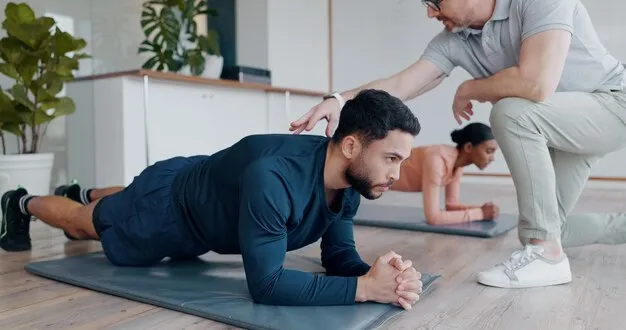
Muscular and back pain can affect daily life, work, sleep, and physical activity. Many people in the USA, Canada, and Australia experience body pain because of poor posture, long working hours, stress, or heavy lifting. The good news is that simple home care methods can help reduce discomfort and improve movement naturally.Many doctors recommend rest, stretching, and anti-inflammatory medicines like Brufen 200mg for temporary pain relief. In some cases, people also use Ibuprofen 400mg to manage swelling and muscle soreness. Along with proper treatment, healthy lifestyle habits can support faster recovery and long-term comfort.Understand the Causes of Muscular and Back PainBack and muscle pain may happen for many reasons. Common causes include:Poor sitting postureHeavy liftingMuscle strainSports injuriesLack of exerciseStress and tensionLong hours on computersSleeping in the wrong positionPeople working desk jobs in the USA and Canada often suffer from lower back pain because of prolonged sitting. In Australia, active outdoor lifestyles and sports injuries also contribute to muscular discomfort.Understanding the cause of pain helps you choose the right home remedies and prevention methods.Apply Heat and Cold TherapyHeat and cold therapy are simple and effective ways to reduce pain at home.Cold TherapyCold packs help reduce swelling and inflammation. Use an ice pack for 15 to 20 minutes during the first 48 hours after an injury.Benefits include:Reduced swellingLess muscle inflammationTemporary pain reliefHeat TherapyAfter swelling decreases, heat can relax muscles and improve blood flow. Heating pads or warm showers can reduce stiffness.Heat therapy helps:Relax tight musclesImprove flexibilityIncrease comfort during movementSwitching between heat and cold therapy may provide better results for some people.Stretch Your Muscles DailyStretching improves flexibility and reduces muscle tension. Gentle movements can prevent stiffness and support better posture.Helpful stretches include:Hamstring stretchesCat-cow stretchKnee-to-chest stretchShoulder rollsNeck stretchesSpend at least 10 to 15 minutes stretching every day. Avoid sudden or painful movements.Yoga is also popular in the USA, Canada, and Australia for reducing back pain naturally. Simple yoga poses can improve balance, posture, and muscle strength.Improve Your PosturePoor posture is one of the biggest causes of back pain. Sitting incorrectly for long hours puts pressure on the spine and muscles.Tips for Better PostureSit with your back straightKeep feet flat on the floorAvoid slouchingUse ergonomic chairsKeep computer screens at eye levelIf you work from home, create a comfortable workspace with proper support for your back and neck.Good posture reduces pressure on muscles and helps prevent long-term pain problems.Stay Active Every DayMany people believe complete rest is best for back pain, but too much rest can worsen stiffness. Gentle movement helps improve blood circulation and muscle recovery.Best Low-Impact ActivitiesWalkingSwimmingCyclingLight stretchingYogaWalking for 20 to 30 minutes daily can strengthen muscles and reduce stiffness naturally.Regular physical activity also helps maintain a healthy body weight, reducing pressure on the spine and joints.Sleep in the Right PositionPoor sleeping posture may increase muscle pain and back stiffness.Best Sleeping TipsSleep on a supportive mattressUse a pillow under the knees when sleeping on your backPlace a pillow between the knees when sleeping on your sideAvoid sleeping on your stomachQuality sleep gives muscles time to repair and recover.People with chronic pain should also maintain a consistent sleep schedule for better healing.Stay Hydrated and Eat Healthy FoodsProper hydration supports muscle function and reduces cramps.Drink enough water throughout the day, especially during hot weather or exercise.Foods That Support Muscle HealthLeafy green vegetablesFish rich in omega-3 fatty acidsNuts and seedsFruitsWhole grainsHealthy foods help reduce inflammation and support faster muscle recovery.Many healthcare experts in Canada and Australia recommend anti-inflammatory diets for people with recurring back pain.Reduce Stress and Muscle TensionStress often causes muscle tightness, especially in the neck, shoulders, and lower back.Simple Stress Management TipsDeep breathing exercisesMeditationListening to musicLight exerciseSpending time outdoorsRelaxation techniques help reduce tension and improve overall well-being.Mental stress and physical pain are closely connected, so emotional health also matters during recovery.Use Proper Lifting TechniquesIncorrect lifting can easily injure the back muscles.Safe Lifting TipsBend your knees, not your backKeep the object close to your bodyAvoid twisting while liftingAsk for help with heavy objectsThese simple habits can prevent serious muscle strain and spinal injuries.Massage Therapy Can HelpMassage therapy helps relax tight muscles and improve blood circulation.Benefits include:Reduced muscle tensionBetter flexibilityImproved relaxationTemporary pain reliefMany people in the USA and Australia use massage therapy along with exercise and stretching for back pain management.Even self-massage with foam rollers or massage balls may help reduce stiffness at home.Know When to See a DoctorHome remedies work well for mild or temporary pain, but medical help may be necessary if symptoms continue.Seek Medical Advice If You HaveSevere pain lasting more than a few weeksNumbness or tinglingDifficulty walkingFever with back painLoss of bladder controlPain after a serious accidentA healthcare professional can identify underlying problems and recommend proper treatment options.Final ThoughtsMuscular and back pain are common problems, but simple home care methods can make a big difference. Daily stretching, proper posture, regular movement, stress management, and healthy sleep habits all support better muscle health.Using medications like Brufen 200mg or Ibuprofen 400mg may help provide temporary relief when used responsibly. Combining these treatments with healthy lifestyle habits can improve comfort and mobility naturally.People across the USA, Canada, and Australia continue to use home remedies and preventive care to manage muscular and back pain effectively. Small daily changes often lead to long-term relief and better quality of life.