Choosing Countertops That Look Beautiful Without Making the Space Feel Crowded
By william
6 Views
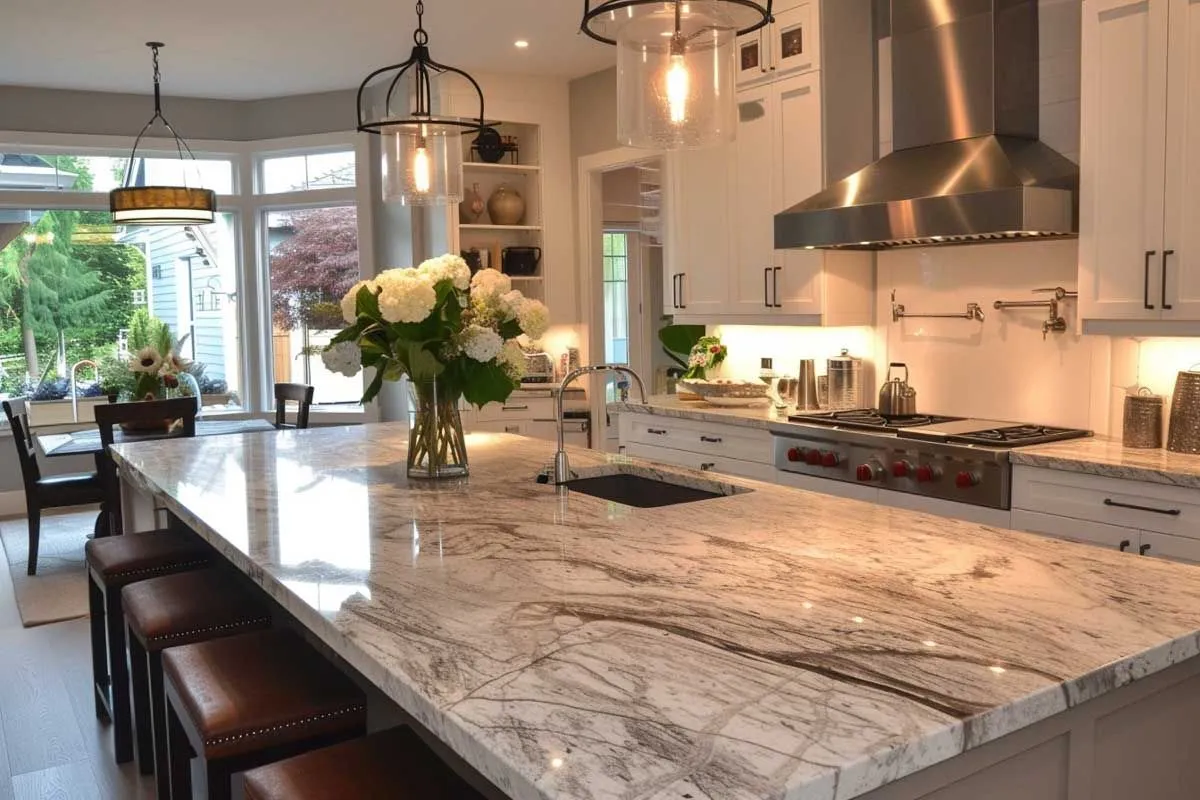
A kitchen countertop has two important jobs. It must provide a useful surface for cooking and daily activities, while also supporting the overall appearance of the room. However, many kitchens become visually crowded when countertops, cabinets, backsplashes, and decorations compete for attention. A well-designed kitchen does not need expensive accessories or complicated styling. Instead, the right countertop material, color combination, and simple decorative choices can create an attractive space. Before purchasing a new surface, we should think about how it will work with the kitchen layout and how much space we need for everyday tasks.
How the Right Countertop Creates a Balanced Kitchen
Finding the best kitchen countertops involves more than comparing beautiful stone samples. We should consider durability, cleaning requirements, color, texture, and available workspace. As a result, the selected surface can improve both the kitchen's appearance and its daily function. Countertops cover a large part of the kitchen, so their color and pattern strongly influence the room. For example, a light countertop can make dark cabinets appear less heavy. Meanwhile, a darker surface can provide contrast against white cabinetry. However, too many strong patterns can make a kitchen feel busy. Therefore, the countertop should work with nearby finishes instead of competing with them. A practical surface also needs to fit our household habits. Some homeowners prefer natural stone patterns, while others value consistent colors and easier maintenance.
Comparing Countertop Materials Before Buying
Different countertop materials offer different advantages. Understanding these differences helps us choose a surface that suits the way we use our kitchen. Granite provides natural patterns and useful resistance to scratches and heat. However, some granite varieties require sealing to reduce moisture absorption and staining. Quartz offers more consistent design options and generally needs no periodic sealing. Nevertheless, excessive heat and harsh chemicals can damage engineered quartz surfaces. Marble creates an elegant appearance with natural veining. However, it is softer than granite and more vulnerable to acidic substances that cause etching. Quartzite is another natural stone option. Many quartzite varieties provide strong surface performance, although porosity and maintenance needs vary.
Choose a Material That Matches Daily Use
A busy family kitchen may need a surface that can handle frequent food preparation and cleaning. For example, homeowners who regularly cook large meals may value stain resistance and straightforward maintenance. Meanwhile, someone planning a decorative kitchen with lighter daily use may prioritize natural veining or unusual stone colors. We should also consider how comfortable we feel maintaining the selected material. No countertop is completely damage-proof. Therefore, understanding its limitations before purchasing can prevent disappointment later.
Choosing Countertop Colors That Support the Kitchen Design
Color can change how spacious or comfortable a kitchen feels. White and cream countertops often create a bright appearance. They also work with many cabinet finishes, making them flexible choices for renovations. Gray countertops offer a neutral look that can complement both modern and traditional spaces. Meanwhile, black countertops create stronger visual contrast. Natural stone may contain several colors in one slab. Therefore, we should examine how its background and mineral patterns relate to nearby materials.
Match Countertops With Cabinet Finishes
Cabinet color is one of the most important factors when selecting a countertop. For example, white cabinets can support dark granite, marble-inspired quartz, or softly patterned stone. Natural wood cabinets often look attractive with warm cream and beige surfaces. Dark cabinets may benefit from lighter countertops that create contrast and prevent the room from feeling too heavy. However, matching does not mean every finish must look identical. Instead, we should aim for a balanced combination of warm and cool tones.
How Countertop Decorating Changes the Kitchen
A new countertop can improve the kitchen's appearance, but decoration determines how the finished surface feels during everyday use. Thoughtful kitchen countertop decorating helps us create a welcoming space without covering the work surface with unnecessary objects. For example, a wooden tray can hold frequently used cooking items. A small plant may introduce natural color, while a simple fruit bowl can provide a useful decorative feature. However, decorations should never interfere with important preparation areas. The goal is to make the kitchen look organized rather than crowded.
Keep Frequently Used Items Within Reach
Kitchen styling becomes more practical when we organize items according to their purpose. For example, cooking oil and everyday seasonings can sit near the preparation area when there is enough space and they remain away from excessive heat. A coffee station may include a machine, cups, and a small tray for supplies. However, we should avoid placing accessories where they block outlets, appliances, or cleaning areas. When everyday items have a clear location, the kitchen becomes easier to maintain.
Creating a Beautiful Kitchen Island Display
A kitchen island often becomes the center of attention, especially in open-plan homes. However, large decorations can reduce the amount of useful workspace. Instead, we can choose a simple arrangement that complements the countertop material. For example, a low decorative bowl may work well on a granite island with natural movement. A small vase can add color without hiding the stone pattern.
Use the Countertop Pattern as a Design Feature
A dramatic countertop does not always need extra decoration. If the stone contains bold veining, the surface itself may provide enough visual interest. Therefore, keeping accessories simple can make the island feel more elegant. Meanwhile, a solid-color quartz surface may support a slightly more decorative arrangement. We should also consider whether the island serves as a dining area. Decorations should not interfere with seating, food preparation, or conversation.
Planning Countertop Space for Small Kitchens
Small kitchens benefit from careful surface planning. Although adding decorative objects may make the room feel more personal, too many accessories can reduce the space needed for daily activities. Therefore, we should identify which items truly need to remain on the counter. Appliances used only occasionally may fit better inside cabinets or pantry storage. Wall-mounted organization and suitable cabinet accessories can also reduce clutter.
Choose Practical Layout Features
A compact kitchen may benefit from a countertop that connects smoothly with the surrounding cabinets. For example, simple edges can create a clean appearance without introducing unnecessary detail. Light-colored surfaces may also help reflect available light. However, we should not assume that every small kitchen needs white countertops. A darker surface can work when lighting and surrounding finishes create sufficient balance. The key is choosing a coordinated design instead of focusing on one material alone.
Coordinating the Backsplash With the Countertop
Backsplashes and countertops appear next to one another, so their patterns and colors should work together. For example, highly patterned granite may pair well with simple backsplash tile. In contrast, a solid quartz surface can support more decorative wall finishes. We should compare samples before ordering either material.
Avoid Competing Visual Features
One common design mistake is combining several strong patterns without considering the overall appearance. A bold countertop, detailed backsplash, and heavily grained cabinets may make the kitchen feel crowded. Instead, we can choose one main design feature and use quieter finishes around it. A simple backsplash can highlight the countertop's natural beauty. Similarly, a subtle countertop can allow a patterned backsplash to stand out.
Understanding Countertop Costs and Long-Term Value
Countertop prices depend on the material, surface area, thickness, edge details, and installation requirements. A large kitchen island may require additional stone or careful slab selection. Meanwhile, unusual layouts can increase fabrication complexity. We should also consider sink openings, existing countertop removal, and cabinet preparation. These factors can influence the final installation price.
Compare More Than the Material Price
Homeowners sometimes choose a countertop based only on the price per square foot. However, a lower material price does not always mean a lower total project cost. Fabrication, transportation, installation, and additional work may affect the final estimate. Therefore, we should request a complete written proposal before choosing a supplier. It is also helpful to compare maintenance needs. A material that requires additional care may involve different long-term responsibilities.
Finding a Suitable Countertop Supplier
Visiting a showroom can make material selection easier because we can compare actual colors, textures, and finishes. For homeowners in Dublin and Columbus, Ohio, speaking with a local countertop warehouse can be a useful way to explore available stone options and understand fabrication requirements. Before ordering, we should ask whether the preferred material is available and whether the selected slab will suit the kitchen layout. It is also important to discuss measurements, edge profiles, installation scheduling, and existing cabinet conditions. A supplier should clearly explain what the estimate includes and identify any work that requires a separate contractor.
How to Maintain an Organized Kitchen Countertop
Even the most attractive countertop can look crowded when everyday items have no clear storage location. Therefore, maintaining a clean appearance requires simple habits. We should return appliances and utensils to their designated spaces after use. Spills should also receive prompt attention, especially on natural stone surfaces that may absorb certain liquids. Suitable cleaning products help preserve the countertop finish.
Change Decorations Without Replacing the Countertop
A kitchen can feel different with small seasonal changes. For example, changing a fruit bowl, plant, or decorative tray can introduce a fresh appearance without requiring major renovation work. However, large or heavy decorations should not create unnecessary risks around countertop edges. We should also keep food preparation areas clear. This approach allows the kitchen to remain attractive while preserving its practical purpose.
Final Thoughts
Choosing the right countertop involves balancing appearance, performance, maintenance, and budget. However, selecting a beautiful material is only the beginning. Good organization and thoughtful decoration help the finished kitchen remain comfortable and useful. We should focus on coordinated colors, enough preparation space, and decorations that serve a clear purpose. With careful planning, the countertop can become a lasting design feature without making the room feel overcrowded.
FAQs About Choosing and Decorating Kitchen Countertops
What are the best kitchen countertops for a beautiful and practical kitchen?
Granite, quartz, marble, and quartzite are popular kitchen countertop materials. Granite offers natural patterns, while quartz provides consistent colors and easy maintenance. The best choice depends on kitchen design, cooking habits, budget, and cleaning needs.
How can I decorate kitchen countertops without making them look cluttered?
Keep decorations simple and functional. Use a small tray, fruit bowl, or decorative plant to add personality. Also, store rarely used appliances inside cabinets and leave enough open space for cooking and food preparation.
What countertop colors make a small kitchen look bigger?
White, cream, beige, and light gray countertops can make small kitchens feel brighter and more spacious. These colors reflect available light and work well with many cabinet finishes. However, proper lighting and a balanced color scheme are equally important.
Should kitchen countertops be lighter or darker than cabinets?
Kitchen countertops can be either lighter or darker than cabinets. Light countertops create contrast with dark cabinetry, while darker surfaces add depth to white cabinets. The best combination depends on flooring, backsplash colors, lighting, and personal preference.
How do I choose a backsplash that matches my countertop?
Choose a backsplash that complements the countertop's color and pattern. For example, bold granite countertops often work well with simple backsplash tiles. Meanwhile, solid-color quartz countertops can pair nicely with decorative tiles without making the kitchen feel crowded.
How can I keep my kitchen countertops looking clean and organized?
Clean spills promptly, use suitable cleaning products, and keep frequently used items in designated spaces. Store unnecessary accessories and appliances away from the work surface. Simple organization habits help maintain an attractive kitchen while preserving enough room for everyday activities.