Choosing Ear Piercings That Fit Your Personality and Everyday Lifestyle
By antiquecut
131 Views
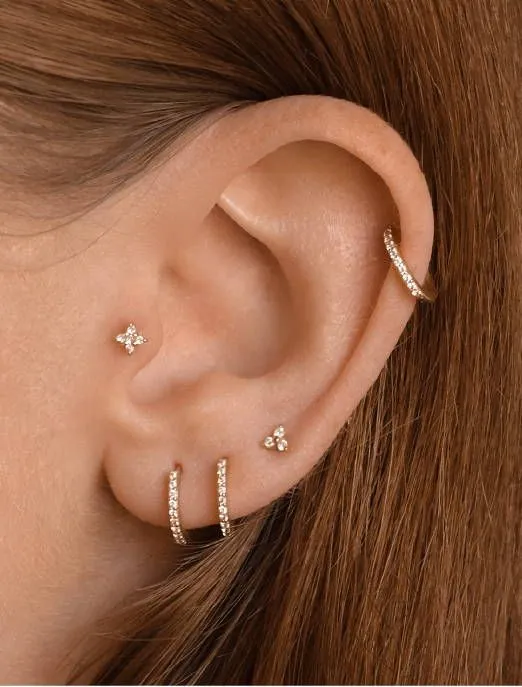
For many people, ear piercings are a form of self-expression. Some choose a single piercing to keep things simple, while others enjoy building a collection of placements that gradually tell a story. The beauty of ear piercings lies in the fact that there are countless possibilities, allowing every person to create something that feels unique to them.
However, deciding where to place a piercing isn't always easy. With so many options available, understanding the structure of the ear can help you make a choice that suits both your appearance and lifestyle. Learning about different placements before getting pierced can also help you avoid confusion when discussing options with a professional.
That's why many people spend time researching the different areas of the ear before making a final decision.
Why Ear Anatomy Plays an Important Role
No two ears are exactly alike. The shape, size, and cartilage structure of each person's ear can affect which piercings are possible and how jewelry will sit after healing.
Many first-time clients read more about the ear piercing chart because it provides a visual overview of common piercing locations. Understanding these locations can make it easier to communicate your ideas and build a piercing arrangement that feels balanced.
Knowing where each piercing sits also helps when planning future additions.
Popular Ear Piercing Placements
Standard Lobe Piercing
The lobe piercing remains one of the most popular choices worldwide. Located on the soft lower section of the ear, it is often the first piercing people receive.
Its versatility allows wearers to switch between studs, hoops, and other jewelry styles with ease.
Upper Lobe Piercing
Positioned above the traditional lobe, the upper lobe creates additional space for jewelry while maintaining a comfortable placement.
This option works particularly well for those who want multiple earrings without moving directly into cartilage piercings.
Helix Piercing
The helix follows the outer rim of the upper ear. It is frequently selected because it provides a noticeable look without dominating the entire ear.
Single or multiple helix piercings can create a layered appearance.
Forward Helix Piercing
Found near the front of the ear, the forward helix adds detail to an area that often remains untouched. Small jewelry pieces tend to complement this placement well.
Tragus Piercing
The tragus is the small cartilage section located near the ear canal. Its unique position makes it stand out despite its size.
Many people appreciate this piercing because it adds character without requiring large jewelry.
Conch Piercing
Located in the center of the ear, the conch offers flexibility when it comes to styling. Depending on jewelry selection, it can either become a focal point or blend naturally into a larger arrangement.
Daith Piercing
The daith sits within the inner cartilage fold of the ear. Because of its placement, it often creates an interesting visual effect that differs from more traditional piercings.
Rook Piercing
The rook is positioned along an inner cartilage ridge. It is commonly chosen by those who want a piercing that feels distinctive while remaining balanced with other placements.
Industrial Piercing
An industrial piercing combines two separate cartilage piercings connected by a single barbell. It creates a stronger visual statement than many individual placements.
Understanding Ear Piercing Jewelry Sizes
One of the most overlooked aspects of getting pierced is choosing the correct jewelry size. The right measurements can improve comfort, support healing, and create a better overall appearance.
Before purchasing jewelry, many people discover the meaning behind the ear piercing size chart to better understand how gauge thickness, hoop diameter, and bar lengths vary between piercing locations.
Common sizing factors include:
- Gauge size
- Bar length
- Hoop diameter
- Cartilage thickness
- Individual anatomy
Because every ear is different, professional recommendations are often the best way to determine appropriate sizing.
Planning Multiple Piercings
A growing number of people choose to create a curated ear rather than stopping at a single piercing. While adding multiple piercings can be exciting, thoughtful planning often leads to better results.
To explore possible combinations, many individuals read more about the all ear piercings chart before deciding which placements to add next.
Some popular combinations include:
Classic Combination
- First lobe
- Second lobe
- Upper lobe
Balanced Cartilage Arrangement
- Double lobe
- Helix
- Tragus
Layered Ear Design
- Triple lobe
- Conch
- Forward helix
- Rook
Creating a balanced arrangement is often less about following trends and more about choosing placements that complement your natural ear shape.
Factors to Consider Before Choosing a Piercing
Comfort During Healing
Different piercings come with different healing experiences. Cartilage piercings generally require more patience and aftercare compared to lobe piercings.
Daily Activities
Your lifestyle can influence which placements work best. Sleeping habits, sports participation, and frequent use of headphones may affect comfort during the healing process.
Future Piercing Plans
If you expect to add more piercings later, planning ahead can help preserve space for future jewelry.
Personal Style
Some people enjoy a minimal appearance, while others prefer multiple piercings. There is no right or wrong choice when it comes to expressing yourself.
Comparing Different Ear Piercing Options
When researching placement possibilities, many enthusiasts learn about the symbolism of the types of ear piercing chart to gain a clearer understanding of how various piercings are categorized.
People seeking visual references frequently review the ear piercing charts available online to compare different arrangements and placement combinations.
Likewise, examining the ear chart for piercings can help identify the names and locations of specific cartilage and lobe piercings.
Those interested in understanding placement differences often consult the ear piercing types chart before deciding which style best matches their goals.
For a complete overview of the ear, many individuals find it helpful to review the all ear piercing chart when planning multiple piercings or creating a long-term ear styling strategy.
Creating a Look That Feels Personal
One of the most appealing aspects of ear piercings is the freedom to make them your own. Some people choose one meaningful piercing, while others gradually build a collection over several years.
There is no requirement to follow what everyone else is doing. The best piercing choices are usually the ones that align with your comfort level, personality, and daily routine.
By understanding placement options, jewelry sizing, and healing expectations, you can make decisions that feel right for you rather than simply following popular choices.
For those looking to learn more about ear anatomy and piercing placements, Antiquecut provides educational resources that can help individuals make informed decisions before getting pierced.
Final Thoughts
Ear piercings continue to be a popular way for people to express themselves through jewelry and personal style. Whether you're considering a simple lobe piercing or planning a more detailed arrangement, taking time to understand the structure of the ear can make the process much easier.
From placement choices to jewelry sizing, every detail contributes to the final result. With careful planning and a clear understanding of your options, you can create an ear piercing collection that feels comfortable, meaningful, and uniquely yours.