Choosing the Right Cutting Fluid for CNC Machining: A Practical Guide
By Jhoon Adam
3 Views
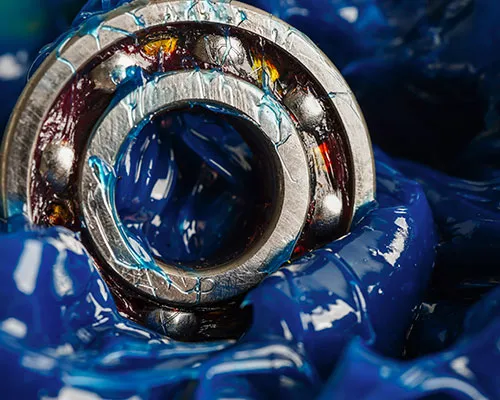
In any machine shop, the cutting fluid is easy to overlook. It sits in the sump, flows over the tool and is rarely given much thought until something goes wrong: a poor surface finish, a tool that wears out too quickly or a smell that fills the workshop. In reality, the fluid has a direct effect on tool life, part quality, cycle time and operator comfort. Whether you are comparing ranges such as hangsterfer's lubricants or epsilon lubricants, or simply trying to understand what your current fluid does, this guide explains the main types of metalworking fluids and how to match them to your machines, materials and operations.
What a Cutting Fluid Actually Does
When a cutting tool removes metal, it generates intense heat and friction at a tiny point. A cutting fluid has several jobs at once.
Cooling
The fluid carries heat away from the tool and the workpiece. This keeps the tool edge hard, prevents the part from expanding and helps maintain tight tolerances.
Lubrication
A thin film between the tool and the chip reduces friction. Lower friction means less heat, less tool wear and a smoother surface finish.
Chip removal
A steady flow of fluid flushes chips away from the cutting zone. This is especially important in drilling, tapping and deep pocket milling, where trapped chips can break tools.
Corrosion protection
After machining, freshly cut steel and cast iron surfaces are very reactive. A good fluid leaves a protective film that prevents rust on parts, fixtures and machine surfaces.
The Four Main Types of Metalworking Fluids
Most fluids fall into four families. Each has strengths and weaknesses, and the best choice depends on your work.
Neat cutting oils
These are straight oils used without mixing with water. They provide the highest level of lubrication and are ideal for heavy, slow operations such as broaching, gear cutting, deep-hole drilling, thread rolling and Swiss-type turning. Many contain extreme pressure additives for tough materials. Their main drawbacks are lower cooling ability, oil mist and the need for good extraction.
Soluble oils
Soluble oils, sometimes called emulsions, contain a high proportion of mineral oil mixed with emulsifiers. When added to water, they form a milky fluid. They offer a good balance of cooling and lubrication and are widely used for general turning and milling. They can be more prone to bacterial growth than synthetic fluids if not maintained carefully.
Semi-synthetic fluids
Semi-synthetics contain less oil and more chemical additives. They form a translucent mixture with smaller oil droplets, giving better cooling, cleaner machines and longer sump life than many soluble oils. They are a popular all-round choice for CNC shops that machine a mix of materials.
Synthetic fluids
Synthetic fluids contain no mineral oil. They mix with water to form a clear solution with excellent cooling and cleanliness. They are especially suited to grinding and high-speed machining. Because they offer less natural lubrication, they may not be the best choice for very heavy cuts unless they contain special lubricity additives.
Matching the Fluid to the Material
Different metals react differently to cutting fluids, so the material you machine most often should guide your choice.
Carbon and alloy steels
Most water-mixed fluids work well on steels. For tougher alloys or heavy cuts, a fluid with extra EP additives or a higher concentration may be needed.
Stainless steel
Stainless steel work-hardens easily and generates a lot of heat. A fluid with strong lubricity and EP performance helps prevent built-up edge and extends tool life.
Aluminium
Aluminium is soft and can stain if the fluid is not compatible. Choose a product specifically marked as safe for aluminium and non-staining. Good lubricity also helps stop chips from welding to the tool.
Cast iron
Cast iron produces fine, powdery chips. A fluid with good settling properties and strong rust protection is important, as cast iron rusts quickly.
Titanium and nickel alloys
These aerospace and medical materials are very demanding. They usually need high-performance fluids with strong lubricity and cooling, and sometimes neat oils for certain operations.
Yellow metals
Brass, bronze and copper can discolour when exposed to some additives. Look for fluids that are specifically labelled as safe for yellow metals.
Matching the Fluid to the Operation
The type of cut matters as much as the material.
- Grinding needs excellent cooling and cleanliness, so synthetics are common
- High-speed milling benefits from good cooling and low foaming
- Heavy turning and roughing need a balance of cooling and lubrication
- Tapping, threading and broaching need maximum lubricity, often from neat oils or high-concentration mixes
- Deep-hole drilling needs strong lubrication and effective chip flushing
Many shops choose one versatile semi-synthetic for most machines and a neat oil for specialist operations. Some manufacturers, including hangsterfer's lubricants, offer both water-mixed and neat products, which makes it easier to cover a range of jobs with compatible fluids.
Water Quality Matters More Than You Think
Water-mixed fluids are mostly water, often 90 to 97 percent. The quality of that water has a big impact on fluid performance.
Hard water problems
Hard water contains dissolved minerals that can react with the concentrate, causing scum, reduced rust protection and unstable emulsions. In some parts of the region, water hardness can vary widely.
Using treated water
Many shops use deionised or reverse-osmosis water to mix their fluids. This improves stability, reduces residue on machines and extends sump life. If you are unsure about your water quality, a simple hardness test kit will tell you.
Health, Safety and Comfort in the Workshop
Operators spend all day near cutting fluids, so their comfort and safety are important.
Skin care
Some people develop skin irritation from prolonged contact with fluids. Gloves, barrier creams and good washing facilities reduce the risk. Keeping fluid concentration within the recommended range also helps, as overly strong mixes can be harsher on skin.
Mist and ventilation
High-speed machining can create fluid mist. Enclosed machines, mist extractors and good ventilation keep the air cleaner. Fluids with low-misting properties also help.
Choosing modern formulations
Many newer fluids are formulated without certain additives that raise health concerns, such as chlorine or formaldehyde-releasing biocides. When selecting a product, ask for the safety data sheet and review it with your safety officer.
Mixing and Maintaining the Right Concentration
Even the best fluid will disappoint if it is mixed at the wrong strength. Concentration affects cooling, lubrication, rust protection and resistance to bacteria, so getting it right from the start is important.
Always add concentrate to water
When mixing by hand, pour the concentrate slowly into the water while stirring, never the other way round. Adding water to concentrate can create an unstable mix that separates or forms lumps. Many shops use a simple proportioning mixer that attaches to a water line and delivers a consistent mix every time.
Checking strength on the machine
A refractometer is a small handheld tool that measures concentration from a few drops of fluid. Multiply the reading by the factor given on the product data sheet to find the true percentage. Checking once or twice a week, and after every large top-up, keeps the fluid in its ideal range.
What happens when concentration drifts
If the mix becomes too weak, tools wear faster, rust appears on parts and bacteria grow more easily. If it becomes too strong, the fluid costs more, may foam and can irritate skin. Water evaporates quickly in hot workshops, so sumps often become stronger over time unless they are topped up with a weaker premix rather than plain concentrate.
Chip and Filtration Management
Fine chips and swarf that stay in the fluid act like sandpaper on tools and parts. Good filtration keeps the fluid clean and extends its life.
- Empty chip bins and conveyors regularly so that swarf does not sit in the fluid
- Use magnetic separators for steel and cast iron fines
- Fit paper or bag filters on grinders and high-precision machines
- Clean sump baffles and screens during scheduled maintenance
Trialling a New Fluid
Changing a fluid across a whole shop is a big step, so a careful trial helps avoid surprises.
Steps for a successful trial
- Choose one or two machines that represent your typical work.
- Clean the sump and lines thoroughly before filling with the new fluid.
- Record tool life, surface finish, cycle times and any foaming or residue.
- Monitor concentration, pH and appearance weekly.
- Ask operators for feedback on smell, skin comfort and cleanliness.
- Compare results with your current fluid over several weeks.
A supplier offering ranges such as epsilon lubricants can often support this process with testing, dilution advice and regular checks during the trial.
Calculating the Real Cost of a Fluid
It is easy to compare fluids on price per litre of concentrate, but that tells only part of the story. A cheaper fluid that needs a higher concentration, breaks down quickly or shortens tool life can cost far more over a year.
Factors to include
- Concentration needed for your work
- Sump life before a full change is required
- Tool life and tooling costs
- Scrap and rework caused by poor finish or rust
- Disposal costs for spent fluid
- Machine downtime for cleaning and changes
Looking at the full picture often shows that a higher-quality fluid pays for itself through longer sump life and better tool performance.
Final Thoughts
The right cutting fluid improves tool life, part quality and workshop comfort, while the wrong one can quietly add cost to every job. Start by understanding the four main types: neat oils, soluble oils, semi-synthetics and synthetics. Then match your choice to the materials you cut, the operations you run and the water you mix with. Trial new products carefully and measure results rather than relying on price alone. Well-known ranges such as hangsterfer's lubricants and epsilon lubricants offer options for many different machining needs, and a knowledgeable supplier can help you narrow them down. With the right fluid in the sump, your CNC machines will cut faster, cleaner and more reliably every day. Whether you choose epsilon lubricants for general work or hangsterfer's lubricants for demanding operations, careful selection and steady monitoring will make the biggest difference.
Related Reading
Why Business & Finance is Transforming the Global Industry Landscape
Welcome to our in-depth exploration of Business & Finance. In an era defined...
Expert Insights: Navigating the Complex World of Business & Finance
Welcome to our in-depth exploration of Business & Finance. In an era defined...