Chrome Hearts and Its Influence on Contemporary Style Thinking
By chromeheartofficial
133 Views
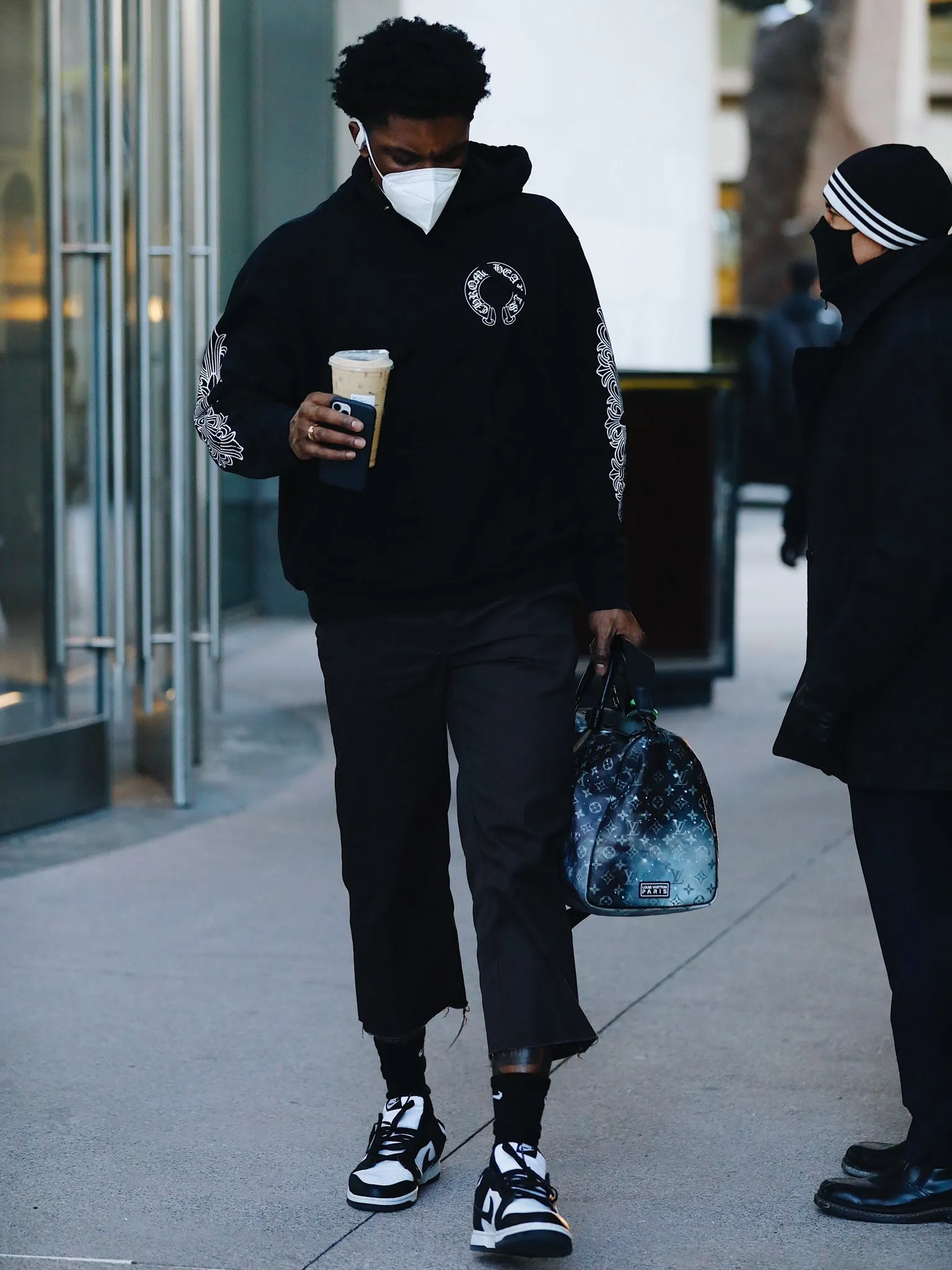
Chrome Hearts has developed a reputation that extends far beyond traditional luxury fashion circles. What began as a niche label rooted in leather craftsmanship and silver jewelry has gradually become a reference point in how contemporary style is interpreted, discussed, and constructed. Its influence can be seen not only in the pieces it produces but also in the way designers, stylists, and consumers think about identity in fashion today.
The label operates at the intersection of craftsmanship, subculture aesthetics, and high-end retail exclusivity. Rather than following predictable fashion cycles, Chrome Hearts has built its presence through consistency in design language, selective distribution, and a strong connection with music and entertainment culture. This combination has allowed it to shape conversations around modern luxury in a way few brands have managed.
Origins and Design Philosophy
Chrome Hearts originated in the late 1980s, founded by Richard Stark in Los Angeles. The brand initially focused on custom leather motorcycle gear and sterling silver accessories. From the beginning, the products carried a strong sense of manual craftsmanship, with each item produced with attention to detail rather than mass production efficiency.
The chromheartofficial.com design philosophy centers on gothic-inspired motifs, heavy use of silver hardware, crosses, floral engravings, and leather detailing. However, the core idea is not simply visual decoration. It is about material honesty and physical presence. The weight of silver, the texture of leather, and the permanence of handcrafted work are central to how the brand communicates value.
Unlike many luxury houses that rely heavily on seasonal reinvention, Chrome Hearts maintains a relatively stable visual identity. This stability has played a major role in how it influences contemporary thinking. Designers and fashion observers often refer to it as a brand that does not chase relevance but instead builds long-term cultural positioning.
Shift in Luxury Perception
One of the most important impacts Chrome Hearts has had on modern style thinking is its challenge to traditional luxury expectations. In earlier luxury systems, refinement was often associated with minimalism, restraint, and formal elegance. Chrome Hearts introduced a different interpretation—luxury defined through density, material richness, and handcrafted complexity.
This shift has influenced how younger designers approach luxury today. Instead of limiting luxury to clean tailoring or understated branding, many contemporary labels now incorporate heavier ornamentation, industrial hardware, and handcrafted detailing. This evolution in taste can be partially traced back to the visual and material language Chrome Hearts has maintained for decades.
The brand also rejects conventional advertising strategies. Its marketing presence is subtle and often relies on organic visibility through cultural figures rather than traditional campaigns. This has influenced how modern luxury brands think about scarcity and visibility. Controlled access has become a strategic tool rather than just a logistical decision.
Influence on Street Culture and High Fashion Crossover
Chrome Hearts occupies a rare position where street culture and high fashion overlap without tension. The brand has been widely adopted by musicians, particularly within hip-hop and rock communities. Artists frequently wear Chrome Hearts not as a seasonal trend but as a personal extension of identity.
This adoption has played a major role in reshaping how style is interpreted in contemporary culture. The boundary between streetwear and luxury has become increasingly fluid, and Chrome Hearts has been one of the early drivers of this change. Its presence in music videos, stage performances, and public appearances has made it a recognizable symbol of cultural status without relying on traditional runway exposure.
High fashion houses have also taken cues from this crossover. Elements such as gothic typography, heavy silver accessories, and leather layering have been reinterpreted in runway collections across multiple luxury labels. While not direct copies, these adaptations reflect the broader influence Chrome Hearts has had on design direction.
Craftsmanship as Cultural Value
A defining aspect of Chrome Hearts is its insistence on craftsmanship. In an industry where digital production and fast manufacturing dominate, the brand maintains a strong commitment to manual processes. Each piece is made with significant labor input, often involving multiple artisans.
This approach has influenced contemporary style thinking by reinforcing the idea that craftsmanship itself is a form of cultural value. Consumers are increasingly aware of production processes, material sourcing, and labor intensity. Chrome Hearts has contributed to this awareness by maintaining transparency through its visible handcrafted aesthetic.
The emphasis on craftsmanship has also encouraged other brands to reintroduce artisanal methods into their production lines. Even large luxury groups have expanded their atelier-based offerings in response to consumer interest in handcrafted authenticity.
Retail Experience and Controlled Accessibility
Chrome Hearts stores are not designed as typical retail spaces. They often resemble private galleries or workshops rather than commercial boutiques. The interiors feature heavy wood, custom furniture, and architectural detailing that reflects the brand’s aesthetic language.
This retail strategy has influenced how contemporary brands think about customer experience. Instead of focusing on high-traffic retail layouts, many luxury labels now design stores that prioritize atmosphere and emotional engagement. Chrome Hearts demonstrated early that physical space can act as an extension of brand identity rather than just a point of sale.
Accessibility is also carefully managed. The brand does not rely heavily on e-commerce, and many of its products are not widely available online. This controlled distribution model has shaped modern luxury thinking around scarcity, exclusivity, and direct consumer engagement.
Impact on Contemporary Designers
Many emerging designers reference Chrome Hearts when discussing influences in material-driven fashion. Its approach to combining heavy metalwork with wearable garments has inspired experimentation in jewelry design, outerwear construction, and accessory development.
Design schools and independent studios often study Chrome Hearts as an example of how consistent visual identity can sustain long-term relevance without frequent reinvention. The brand demonstrates that a strong foundation in material language can carry more weight than constant seasonal changes.
At the same time, it has influenced how designers think about hybrid categories. Jewelry is no longer just an accessory, and clothing is no longer strictly functional. Chrome Hearts merges these categories, creating garments that function as wearable objects of craftsmanship.
Cultural Positioning in Media and Celebrity Influence
Chrome Hearts has maintained strong visibility through its association with influential figures in music, film, and fashion. However, unlike brands that rely on structured endorsement campaigns, its presence in media appears more organic. Celebrities often wear the brand as part of personal style rather than promotional activity.
This has contributed to a shift in how cultural influence operates in fashion. Authenticity has become more important than formal endorsement structures. Chrome Hearts benefits from this shift because its presence in culture feels integrated rather than manufactured.
This approach has influenced how other luxury brands engage with public figures. Instead of traditional advertising partnerships, there is now a stronger emphasis on long-term cultural alignment and organic adoption.
Material Language and Symbolism
One of the reasons Chrome Hearts has maintained relevance is its strong material language. Sterling silver, black leather, and gothic motifs create a consistent symbolic system that is instantly recognizable. This consistency allows the brand to communicate without relying heavily on seasonal storytelling.
In contemporary style thinking, this has encouraged a return to material symbolism. Designers and consumers are increasingly interested in what materials represent beyond their physical properties. Chrome Hearts uses silver not just as a material but as a symbol of permanence, weight, and craftsmanship.
The recurring cross motifs and engraved detailing also contribute to a visual language that remains consistent across decades. This has influenced how modern brands approach logo design and symbolic identity.
Conclusion
Chrome Hearts has played a significant role in shaping how contemporary style is understood and practiced. Its influence extends across craftsmanship, retail experience, cultural integration, and design philosophy. Rather than following conventional fashion cycles, it has established a stable identity that continues to inform modern luxury thinking.
Its presence in both street culture and high-end fashion demonstrates how style boundaries have shifted in recent decades. By prioritizing material integrity, handcrafted production, and controlled accessibility, Chrome Hearts has contributed to a broader redefinition of what modern luxury can represent.