Complete Spring Lawn Cleanup Checklist for Homeowners
By Elias John
37 Views
After a long winter, your lawn may be covered with leaves, sticks, dead grass, and other debris. Some areas may look thin or brown, while weeds can start appearing as temperatures rise.
Spring is the right time to clean up this winter damage and prepare your lawn for the growing season. But you do not need to attack the lawn with every treatment at once. A good spring cleanup starts with simple tasks: remove debris, gently rake the lawn, look for problem areas, prepare your mower, and deal with weeds before they become a bigger issue.
Here is a simple spring lawn cleanup checklist for homeowners.
Spring Lawn Cleanup Checklist
Before you start, make sure the soil is firm enough to walk on without leaving deep footprints. Working on wet, soft soil can damage the lawn and compact the soil. University of Minnesota Extension recommends waiting until the soil is no longer soggy before beginning spring lawn work.
Your spring checklist:
☐ Pick up sticks and branches
☐ Remove leaves and winter debris
☐ Gently rake matted grass
☐ Look for damaged or bare areas
☐ Check for weeds and goatheads
☐ Remove loose goathead burrs
☐ Prepare your lawn mower
☐ Sharpen the mower blade
☐ Start mowing when the grass is actively growing
☐ Avoid cutting more than one third of the grass height
☐ Keep an eye on bare and thin areas
☐ Continue checking the lawn throughout spring
Now let's go through each step.
1. Pick Up Sticks and Large Debris
Start with the easiest part of the cleanup.
Walk across the lawn and collect anything that could interfere with mowing or damage your equipment.
Look for:
- Fallen branches
- Twigs
- Pine cones
- Trash
- Plastic
- Stones
- Other objects left behind by winter
Winter wind can move debris from trees, gardens, neighboring areas, and other parts of the property onto your lawn.
Illinois Extension recommends starting spring lawn cleanup by removing branches, twigs, leaves, and other debris.
Do this before mowing.
A mower can throw loose objects and can also become damaged by larger debris.
2. Remove Leaves and Winter Debris
Once the larger debris is gone, clear away remaining leaves and loose material. A leaf rake or blower can help with this job. However, do not aggressively rake a lawn that is still wet.
If the soil is soft, wait until it dries and firms up. Heavy foot traffic and equipment on wet soil can cause unnecessary damage. University of Minnesota Extension recommends light raking once the soil is no longer soggy. The goal is to clean the surface without tearing up healthy grass.
3. Gently Rake Matted Grass
Snow, leaves, and winter weather can leave grass flattened. A light rake can lift matted grass and remove remaining debris. You do not need to aggressively scrape the lawn until every brown blade is gone.
Some brown grass is normal after winter and may disappear as new growth starts. Illinois Extension recommends gently loosening matted leaves and grass rather than aggressively working the lawn. Remember: spring cleanup is not a competition. If the lawn is still soft, wait.
4. Look for Winter Damage
After cleaning the surface, inspect the lawn.
Look for:
- Bare patches
- Thin grass
- Brown areas
- Areas damaged by foot traffic
- Pet-damaged areas
- Tire tracks
- Snow mold
- Areas where grass is not recovering
Do not assume every brown area needs fertilizer.
Some winter damage will improve naturally as the grass begins active growth.
For example, University of Minnesota Extension notes that snow mold often looks worse than it is and can usually recover with light raking and time.
Give the lawn some time before deciding that a damaged area needs major repair.
5. Check for Weeds
Spring is a good time to look for weeds while they are still easy to spot.
Walk around the entire lawn and check:
- Lawn edges
- Bare areas
- Driveways
- Gravel areas
- Fence lines
- Garden borders
- Areas with thin grass
Early weed removal is easier than dealing with a mature infestation later.
If you had crabgrass problems last year, spring is also the time to think about prevention. However, timing matters. Illinois Extension recommends basing crabgrass prevention on soil conditions rather than simply applying a product on a fixed calendar date. Always follow the product label if you use a weed control product.
6. Check for Goatheads
If goatheads are common in your area, add them to your spring inspection.
Look around:
- Driveways
- Gravel
- Bare soil
- Walkways
- Lawn edges
- Fences
- Areas where weeds grew last year
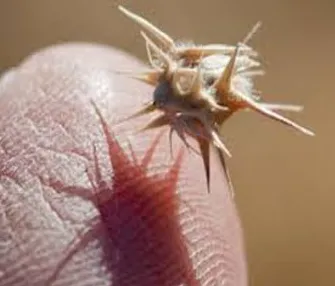
Goatheads, also called puncturevine, produce sharp seed burrs that can attach to shoes, pets, tires, and outdoor equipment.
Finding and removing young plants before they produce mature burrs can make the problem much easier to manage later in the season.
7. Remove Loose Goathead Burrs
If you had goatheads last year, do not only look for live plants.
Check the ground for loose burrs left behind from the previous growing season.
These sharp burrs can become a problem for:
- Bare feet
- Pet paws
- Bicycle tires
- Mower wheels
- Outdoor equipment
For small areas, you can use a rake, broom, piece of carpet, or vacuum to collect them.
For larger areas, a dedicated burr roller can make the cleanup much easier.
Sticker Burr Roller is designed to collect loose burrs from lawns, gravel areas, driveways, and other outdoor surfaces. Keep in mind that collecting burrs and removing live plants are two different jobs. If you find live goatheads, remove the plants before they produce more seeds.
8. Check Your Mower Before the First Cut
Your lawn is not the only thing that needs attention in spring. Your mower has probably been sitting unused for months. Before starting it, check the mower according to the manufacturer's maintenance instructions.
Look at:
- Mower blade
- Mower deck
- Air filter
- Spark plug if applicable
- Oil if applicable
- Battery if applicable
- Wheels and tires
Illinois Extension recommends preparing the mower before the season, including cleaning the mower deck and checking or replacing maintenance items as needed.
9. Sharpen the Mower Blade
A sharp blade gives the grass a cleaner cut. A dull blade can tear the grass instead of cutting it cleanly. Illinois Extension recommends sharpening mower blades as part of spring preparation. If you are servicing the blade yourself, follow the manufacturer's safety instructions and disconnect the mower's power source before working around the blade.
10. Wait Until the Lawn Is Ready to Mow
Do not mow simply because the calendar says it is spring. Wait until the grass is actively growing and the ground is firm.
University of Minnesota Extension recommends mowing when grass has reached an appropriate height and the soil is firm enough to support the mower. It also recommends avoiding mowing wet turf. If your mower leaves deep tracks, the ground is probably too wet. Give it more time.
11. Do Not Cut Too Much Grass at Once
When you begin mowing, avoid cutting off a large portion of the grass blade in one session. A common lawn care rule is to remove no more than about one third of the grass height at a time.
This helps reduce stress on the turf. Your ideal mowing height depends on the type of grass you have. For example, Illinois Extension recommends keeping many cool-season lawns around 2 to 3 inches, while some turf types perform better at higher heights. Follow recommendations for your specific grass type and local climate.
12. Check Bare and Thin Areas
After the first cleanup and mowing, you will have a better idea of where your lawn needs attention. Mark areas that are:
- Completely bare
- Very thin
- Damaged by traffic
- Damaged by pets
- Heavily affected by weeds
Do not rush to reseed every thin spot.
Spring is not always the best time for major lawn seeding. Penn State Extension notes that late summer to early fall is generally a better time to establish cool-season turf because seedlings face less heat and weed competition. For small damaged spots, spring repair may still be appropriate when soil and weather conditions are suitable.
13. Keep Monitoring the Lawn
Spring cleanup is not a one-day job. After the first cleanup, keep checking your lawn as temperatures rise.
Look for:
- New weeds
- Goathead plants
- New bare spots
- Areas that remain thin
- Lawn disease symptoms
- New debris
Early problems are usually easier to deal with than problems that have been allowed to spread.
Spring Lawn Cleanup Timeline
You do not have to complete everything in one weekend.
Early spring
Focus on:
- Picking up branches and debris
- Removing leaves
- Lightly raking matted grass
- Inspecting winter damage
- Checking for goatheads and other weeds
- Preparing your mower
When the lawn begins active growth
Focus on:
- Starting regular mowing
- Keeping the mower blade sharp
- Removing no more than one third of the grass height
- Watching for new weeds
- Checking bare areas
Throughout spring
Continue:
- Mowing as needed
- Removing weeds
- Collecting goathead burrs
- Checking lawn equipment
- Monitoring thin and damaged areas
This approach is more practical than trying to complete every lawn treatment at the same time. Illinois Extension specifically advises homeowners not to perform all spring lawn tasks simultaneously because different jobs have different timing requirements.
Common Spring Lawn Cleanup Mistakes
Raking Too Aggressively
Heavy raking can damage grass, especially when the lawn is still wet. Use a light touch.
Working on Wet Soil
Walking or driving equipment across soft soil can create compaction and ruts. Wait until the ground firms up.
Mowing Too Early
Do not mow simply because temperatures have started rising. Wait for active grass growth and firm soil.
Cutting the Grass Too Short
Removing too much of the grass blade at once can stress the lawn. Follow the one-third rule.
Fertilizing Too Early
A green lawn does not automatically need fertilizer. University of Minnesota and Illinois Extension both advise against rushing into heavy early spring fertilization.
Ignoring Goatheads
If goatheads were a problem last year, check for them during your spring cleanup. Removing plants early and collecting loose burrs can help prevent the problem from getting worse.
Your Simple Spring Lawn Cleanup Checklist
Before you consider your spring cleanup finished, make sure you have:
☐ Removed sticks and branches
☐ Cleared leaves and winter debris
☐ Lightly raked matted grass
☐ Checked for winter damage
☐ Looked for weeds
☐ Checked for goatheads
☐ Collected loose goathead burrs
☐ Prepared your mower
☐ Sharpened the mower blade
☐ Waited for firm soil before mowing
☐ Started mowing once grass is actively growing
☐ Avoided cutting more than one third of the grass height
☐ Checked for bare and thin areas
☐ Continued monitoring the lawn
Final Thoughts
Spring is a time for your lawn to recover and begin growing again. University extension guidance consistently recommends gentle cleanup and proper timing rather than aggressive early season work.
If goathead burrs are part of your spring cleanup, Sticker Burr Roller can help collect loose burrs from larger areas such as lawns, gravel, and driveways. Clean up what winter left behind, deal with problems while they are small, and give your lawn the time it needs to start the season strong.
Frequently Asked Questions
1. What should I do first for spring lawn cleanup?
Start by removing sticks, leaves, and other winter debris. Then gently rake matted grass, check for winter damage and weeds, and make sure the lawn is dry enough to work on without damaging the soil.
2. When should I start spring lawn cleanup?
Start when the lawn has dried out, and the soil is firm enough to walk on without leaving deep footprints. The exact timing depends on your local weather and grass type.
3. Should I rake my lawn in the spring?
Yes. Light raking can remove leaves, debris, and matted grass. Avoid aggressive raking because it can damage grass that is still recovering from winter.
4. When should I mow my lawn for the first time in spring?
Wait until the grass is actively growing and reaches the appropriate mowing height for your grass type. The ground should also be firm and dry enough to support the mower without creating ruts.
5. How do I remove goatheads during spring lawn cleanup?
Remove goathead plants before they produce seeds, then collect any loose burrs from the lawn and surrounding areas. A burr roller can help collect large amounts of loose goathead burrs from yards, gravel, and other surfaces.