Core Motherboards: Key Specifications and Industry Use Cases
By George Philips
89 Views
Introduction
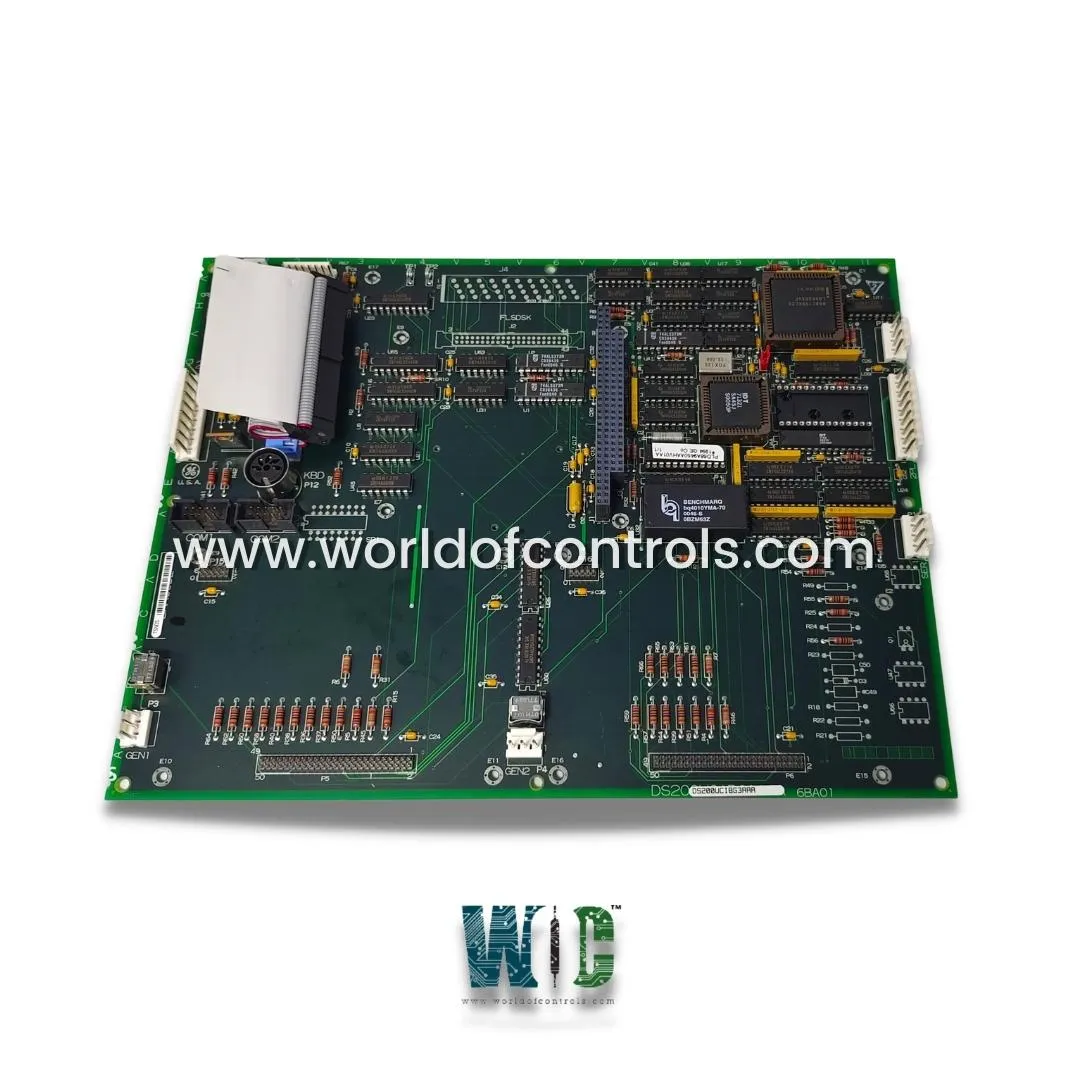
Core motherboards play a critical role in modern industrial systems, particularly in sectors that require high-performance computing and reliable hardware. In industries like the turbine sector, where precision, durability, and real-time performance are essential, these motherboards ensure the seamless operation of complex machinery. This article delves into the key specifications of core motherboards and explores their significant applications in the turbine industry.
Key Specifications of Core Motherboards
For demanding applications where failure is not an option, core motherboards are designed. These motherboards provide stability, speed, and integration, which are crucial for industrial systems.
1. Processor and Memory Support
Core motherboards are designed to support high-performance processors with multi-core capabilities. This enables the system to handle parallel processing efficiently, which is crucial in real-time monitoring and control systems found in turbines. In addition to powerful processors, these motherboards often offer support for large amounts of RAM, ensuring that the system can manage multiple processes without bottlenecks.
2. Input/Output (I/O) Capabilities
A robust set of I/O ports is essential for industrial applications. Core motherboards are equipped with various I/O interfaces, including Ethernet, serial ports, and possibly specialized connections for industrial sensors and actuators. These ports allow seamless communication between different devices, such as turbine controllers, SCADA systems, and other monitoring equipment.
3. Durability and Longevity
In industries like turbine manufacturing and energy production, hardware durability is paramount. Core motherboards used in these sectors are built to withstand harsh environments, such as extreme temperatures, vibrations, and electromagnetic interference. These motherboards are specifically designed to operate reliably in such conditions, ensuring continuous operation over long periods without the need for frequent maintenance or replacement.
4. Real-Time Operating Systems (RTOS) Compatibility
Turbine systems often require real-time data processing, where even the slightest delay can result in system inefficiencies or damage. Core motherboards are compatible with real-time operating systems (RTOS), enabling rapid response times essential for turbine control systems. This ensures that critical operations such as load balancing, speed regulation, and fault detection are handled without delay.
Industry Use Cases: Core Motherboards in the Turbine Industry
1. Turbine Control Systems
In turbine control systems, core motherboards serve as the heart of the control unit. These systems regulate turbine speed, pressure, and other performance metrics in real time. With the ability to interface with sensors and control hardware, core motherboards enable operators to monitor turbine performance and make adjustments as needed to optimize efficiency and ensure safe operation.
2. Condition Monitoring and Diagnostics
Condition monitoring is a key application of core motherboards in turbines. These motherboards facilitate continuous monitoring of turbine health, including vibration analysis, temperature, and lubrication status. With advanced diagnostic software running on these systems, operators can predict maintenance needs, reducing the likelihood of unexpected failures. This is critical in preventing costly downtime and extending the lifespan of turbine equipment.
3. Predictive Maintenance
In turbine plants, predictive maintenance powered by core motherboards allows for early detection of potential issues before they lead to failure. By leveraging machine learning algorithms and sensor data, these systems can analyze trends and provide maintenance recommendations. For example, core motherboards can support the analysis of real-time data, helping operators predict when parts are likely to wear out or fail. This proactive approach saves money and improves turbine uptime.
4. Power Generation Efficiency
Efficient power generation is a key goal in the turbine industry. Core motherboards are instrumental in optimizing performance by collecting real-time data from various turbine components. By processing this data quickly and accurately, motherboards help manage and adjust the turbine’s operation to ensure it operates at peak efficiency, reducing fuel consumption and emissions.
Conclusion
Core motherboards play an indispensable role in the turbine industry. Their powerful processing capabilities, robust I/O support, and compatibility with real-time operating systems make them ideal for controlling and monitoring critical systems in turbine operations. As turbines become more advanced, the importance of reliable, high-performance hardware like core motherboards will continue to grow, ensuring efficient and safe operation in increasingly complex industrial environments.
Related Reading
Why Business & Finance is Transforming the Global Industry Landscape
Welcome to our in-depth exploration of Business & Finance. In an era defined...
Expert Insights: Navigating the Complex World of Business & Finance
Welcome to our in-depth exploration of Business & Finance. In an era defined...