Corporate Training in 2026: 5 SaaS Tools That Are Changing How Companies Develop Their People
By Maya Bayers
147 Views
Workforce development has always been important. But in 2026, it's become urgent. The pace of change — in technology, regulation, and the nature of work itself — means that companies can't afford to let training run on autopilot. Employees need to be reskilled faster, security risks are multiplying, customers expect more from the products they pay for, and the pressure to prove ROI on every L&D dollar has never been higher.
The SaaS tools in this article don't promise magic. But they do make it genuinely easier to build training programs that work — programs that employees actually engage with, that tie to real outcomes, and that don't require a full L&D department to maintain.
Trainn: Building Customer Education at Scale
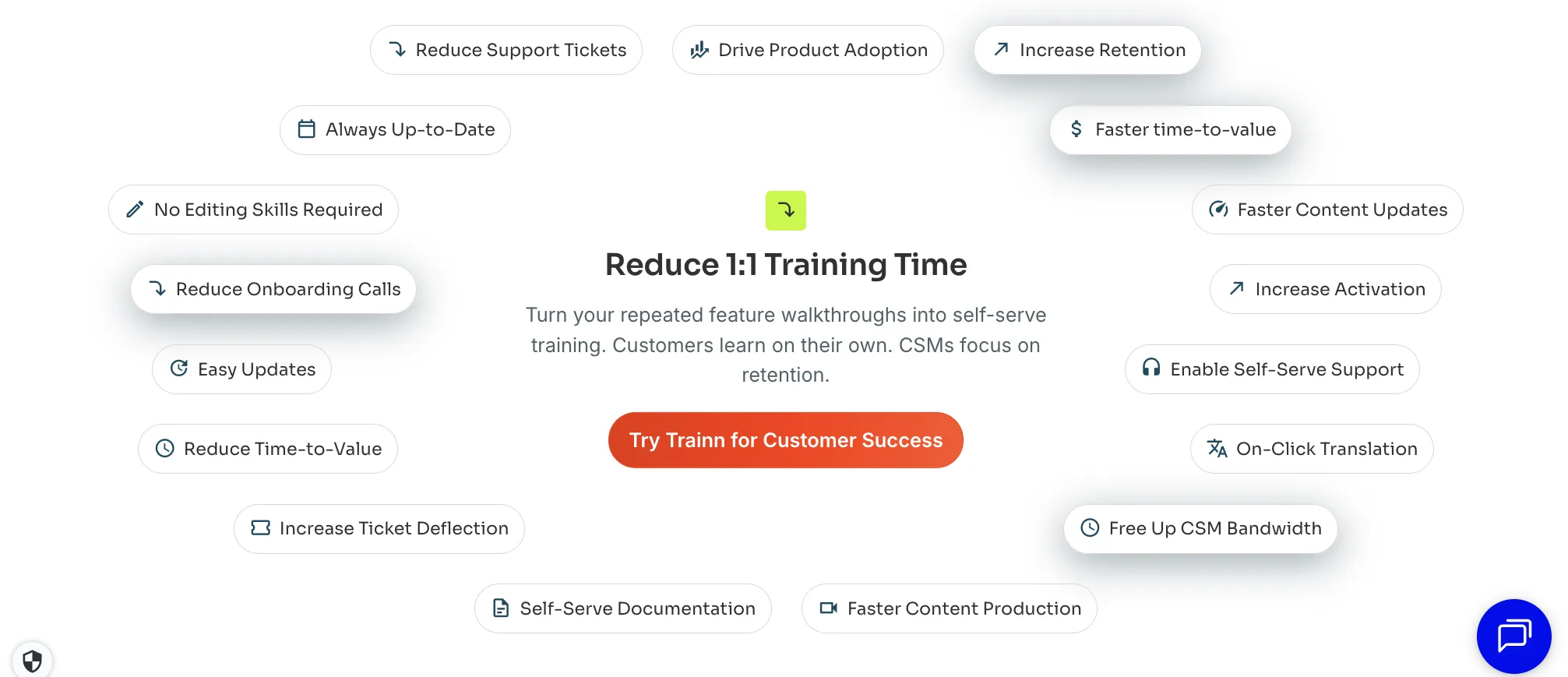
Customer training is a growth lever most SaaS companies underuse. When customers understand a product deeply, they adopt it faster, use more of it, and churn far less. Trainn makes it practical to build that kind of education program without a large team.
The platform covers the whole content creation and delivery workflow: product videos in multiple languages, step-by-step guides for SOPs and workflows, interactive walkthroughs, and in-app tutorials that surface directly inside your product without any coding. Everything can be published to a branded knowledge hub or organized into a full LMS academy with courses, quizzes, and certification paths. For SaaS businesses looking to reduce support tickets while increasing adoption and retention, Trainn hits a practical sweet spot.
Hook Security: Automating the Hardest Part of Security Training
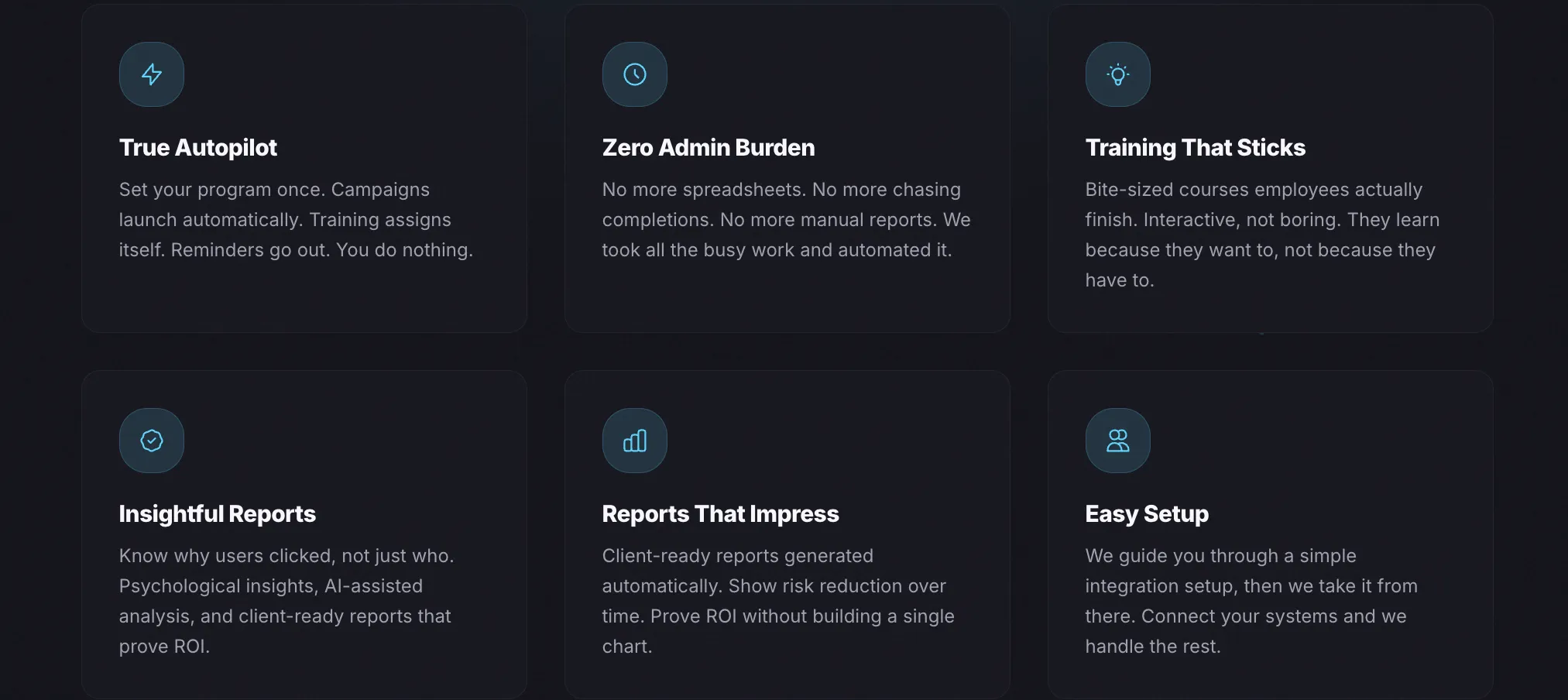
Security awareness training is one of those programs that every company knows it needs but struggles to actually run well. Hook Security removes the friction by automating everything — phishing simulations that launch on a consistent cadence, training that assigns itself when someone clicks a suspicious link, reminders that go out without anyone chasing them, and reports that generate automatically.
The setup is simple: sync your directory, choose a program, and let the system run. Hook Security's library includes over 1,000 phishing templates updated weekly to reflect real-world threats. The psychological insight layer goes beyond just tracking who clicked — it helps teams understand why, which makes subsequent training more targeted and effective. For MSPs managing security programs across dozens of clients, the multi-tenant dashboard lets them run everything from one place. The outcome is a program that actually runs consistently, not just when someone has time to manage it.
Sidetrain: When Employees Need Real Human Expertise
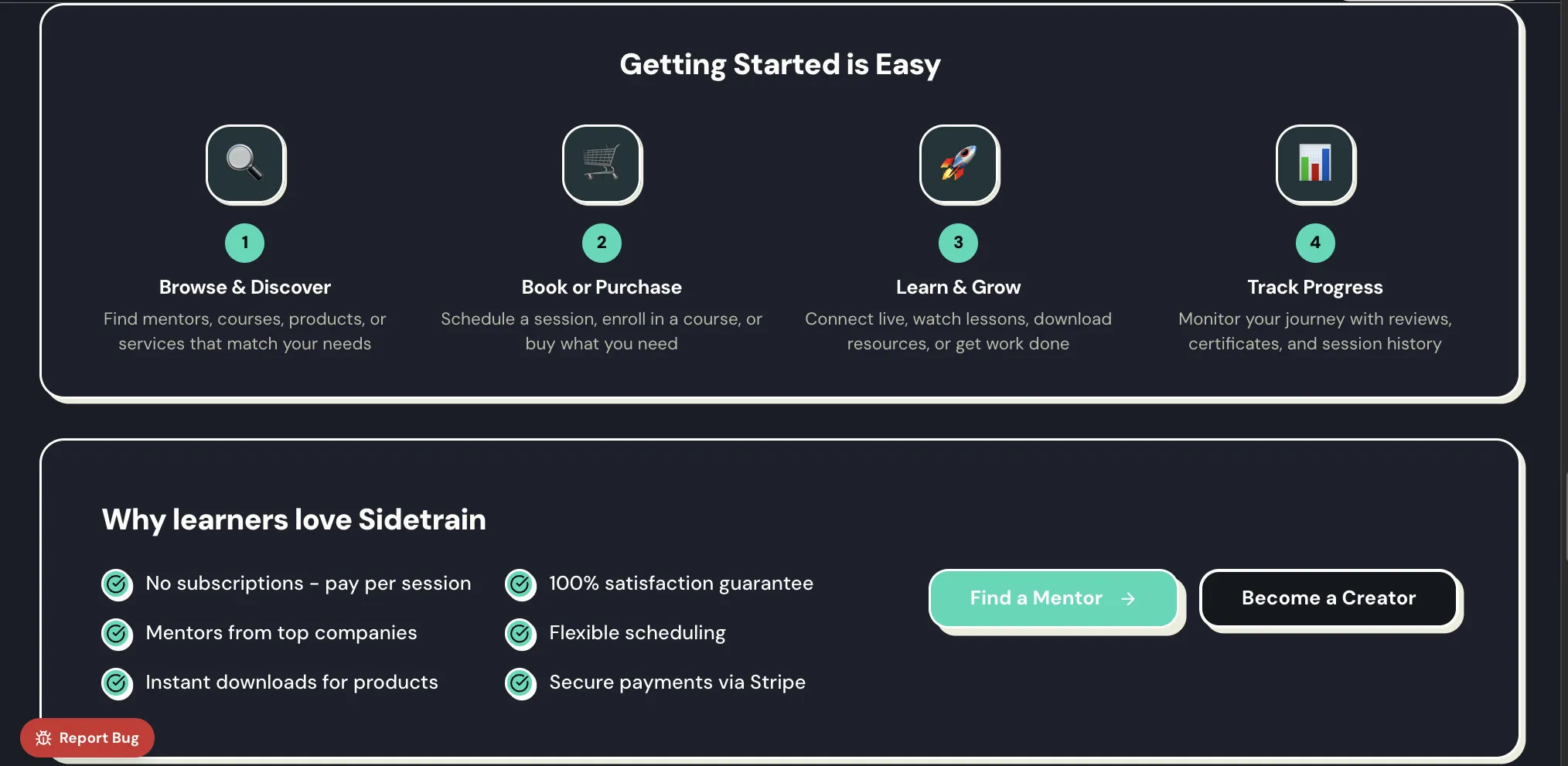
There are limits to what structured courses can teach. Complex judgment, nuanced communication, technical depth in a fast-moving domain — these things develop best through direct interaction with someone who's already been there. Sidetrain fills that gap with a marketplace of verified expert mentors available for live 1-on-1 video sessions.
Mentors on the platform cover a wide range of professional areas: software development, business strategy, design, marketing and growth, career development, and more. Employees or individual professionals can browse mentors, check their background and session rates, and book a 30, 60, or 90-minute video call on their own schedule. No subscriptions, no minimum commitment — just direct access to experience when it's needed most. For companies that want to offer something beyond courses and modules, Sidetrain is a practical way to bring real mentorship into a development program.
Use AI Securely: Addressing the AI Risk Your Company Already Has
By 2026, the question isn't whether your employees are using AI tools — it's whether they're using them safely. ChatGPT, AI-powered browser extensions, AI features baked into everyday SaaS tools: all of these create real exposure if employees don't understand what happens to the data they share.
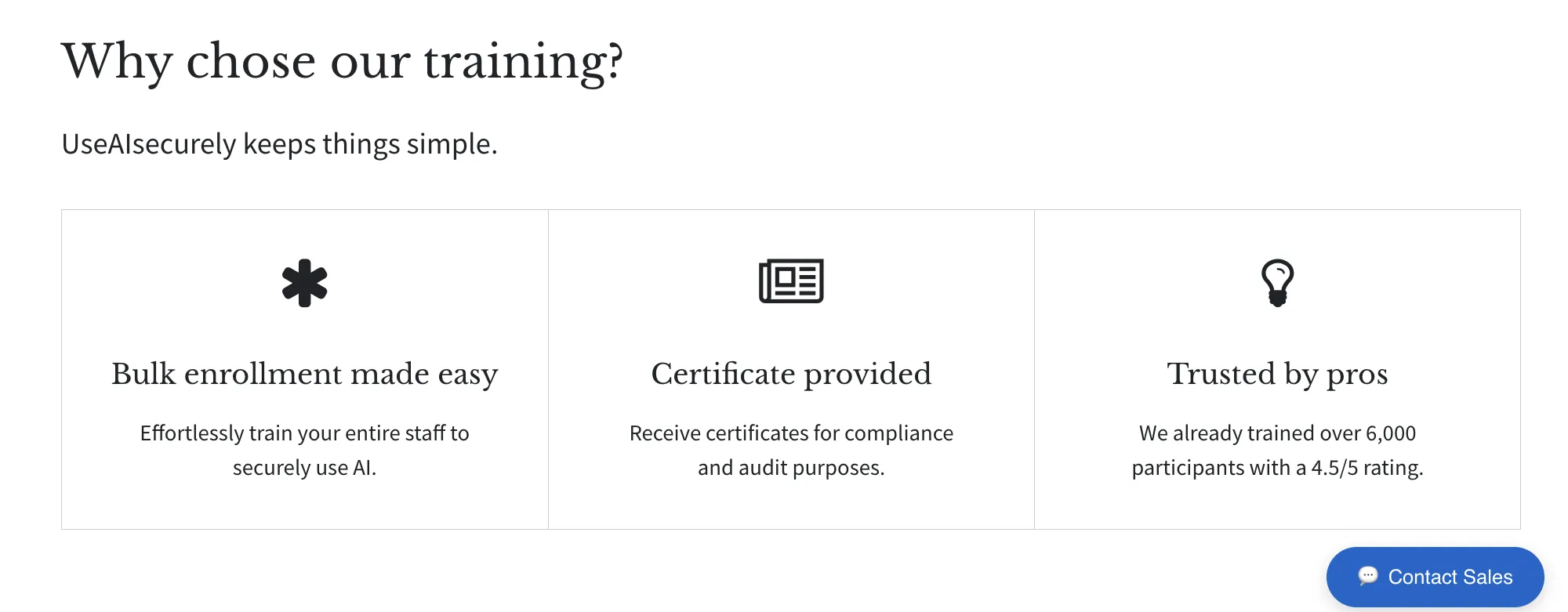
Use AI Securely exists specifically to close this gap. Their one-hour AI Security Awareness training course teaches employees to recognize AI-related risks, protect confidential data, and operate in compliance with regulations like the EU AI Act. The course is designed for bulk team enrollment, meaning companies can train their entire workforce efficiently. Each learner receives a certificate suitable for compliance documentation and audits. With more than 6,000 participants trained, a 4.5/5 satisfaction rating, and a $15-per-learner price point, it's one of the most accessible and practical compliance training investments available right now.
WorkRamp: Centralizing Training Across the Entire Organization
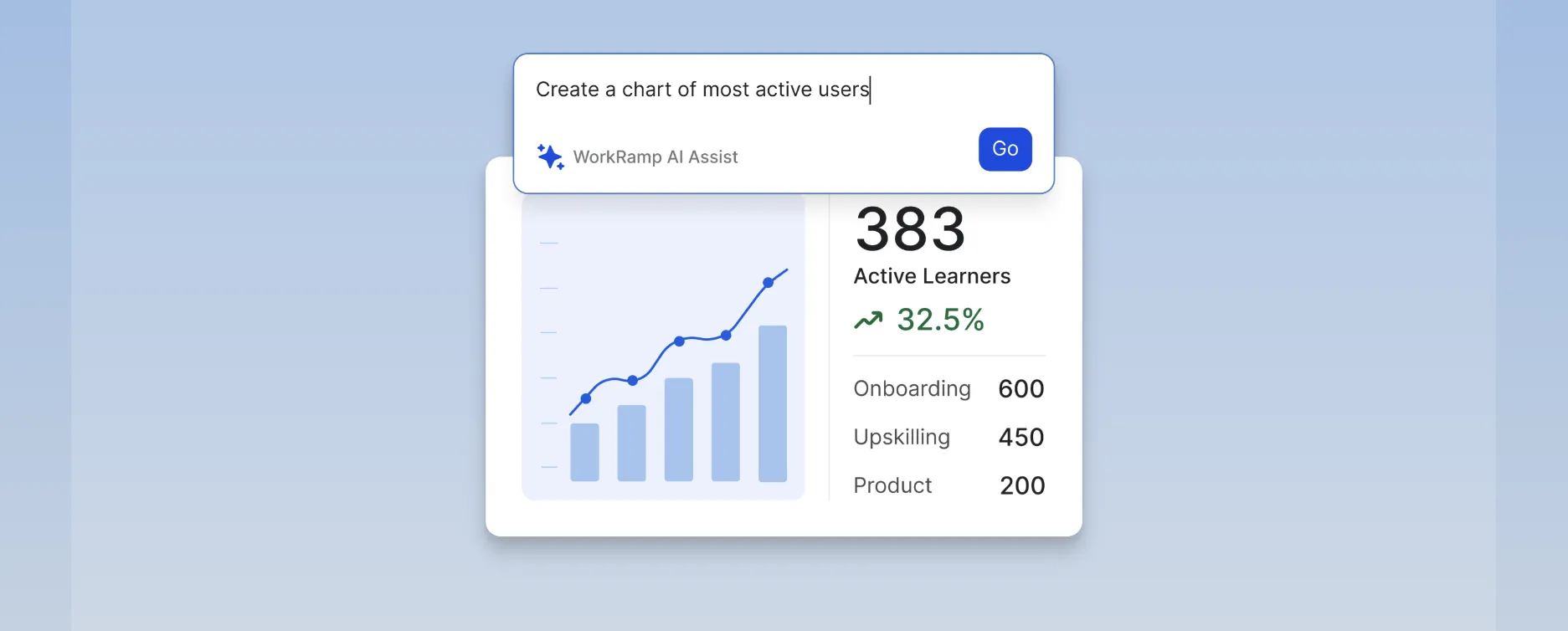
For organizations that need a single platform to manage training across employees, customers, and partners without duct-taping multiple tools together, WorkRamp is the kind of all-in-one LMS that actually earns that label.
Its AI capabilities are practical rather than gimmicky: upload a file and get a course draft, generate Q&A automatically, automate captions and translation for global teams, and receive AI-assisted content suggestions tailored to each learner's role and skill level. WorkRamp supports SCORM content, blended learning with virtual classroom events, gamification for engagement, and certification paths employees can share on LinkedIn. For external audiences, it powers fully branded customer and partner academies with their own domains and SSO. Companies like Reddit, Unity, and HashiCorp trust it to run training programs at scale — and it integrates cleanly with Salesforce, Okta, Zoom, and Slack to keep learning connected to the rest of the business.
How to Think About Building a Modern Training Stack
These five tools aren't redundant — they each address a distinct need. WorkRamp anchors the program as the central LMS. Trainn handles customer education as a growth function. Hook Security takes security awareness off someone's plate. Use AI Securely closes the AI compliance gap that's new to most organizations in 2026. And Sidetrain adds the human dimension that automated systems can't replicate.
The companies pulling ahead on workforce development in 2026 aren't the ones with the biggest L&D budgets — they're the ones that have stopped treating training as a cost center and started treating it as infrastructure. Tools like these make that shift practical for teams of any size.