Creating a Functional and Stylish Dining Room with Modern Furniture
By Mason Liam
44 Views
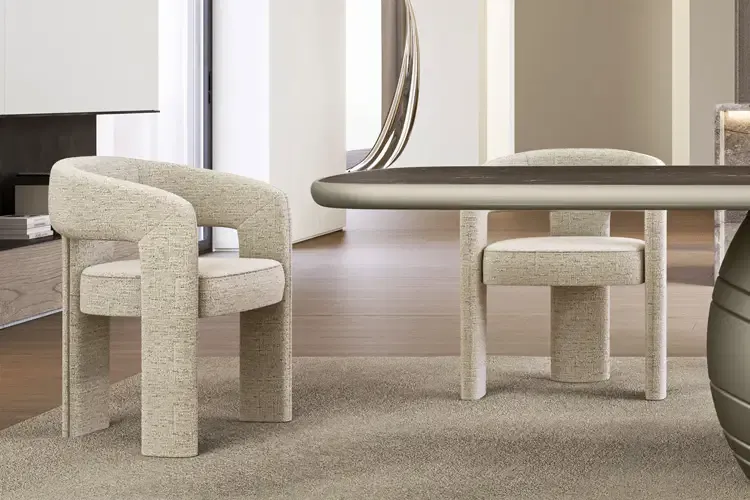
Creating a dining room that feels stylish and functional begins with a thoughtful layout. Modern dining room furniture should provide enough seating and surface space without making movement around the room difficult. Start by measuring the dining area, including the positions of doors, windows, radiators, and other fixed features. Consider how many people normally use the room and whether you regularly host larger gatherings. These measurements will help you select furniture that fits naturally instead of forcing the room to accommodate pieces that are too large.
A comfortable dining room needs sufficient clearance around the table so people can pull out chairs and walk behind seated guests. Rectangular tables can work especially well in longer rooms, while round or oval designs may improve circulation in smaller spaces. Extension tables offer another practical solution for households that occasionally need additional seating. Before purchasing anything, mark the approximate furniture dimensions on the floor using removable tape. This simple planning step can reveal potential space problems before they become expensive mistakes.
Choose a Dining Table That Fits Your Lifestyle
The dining table is usually the visual and functional centerpiece of the room, so its size, shape, and material deserve careful attention. Wood remains a popular option because it provides warmth, durability, and natural texture that works with many interior styles. Glass can make a smaller room appear more open, while stone and engineered surfaces can create a substantial contemporary appearance. Metal bases can add an architectural quality without making the entire table feel industrial. Choose a modern dining room furniture that suits both your preferred aesthetic and the level of maintenance you are prepared to provide.
Consider how the table will be used throughout an ordinary week rather than only during special occasions. If the dining room doubles as a homework area, workspace, or place for hobbies, a durable surface becomes particularly valuable. Families may prefer finishes that are easy to clean, while formal dining areas may allow more delicate materials. Inspect the table's construction, including its joints, base, extension mechanism, and surface finish. Good modern design should combine visual simplicity with dependable construction that can withstand regular use.
Select Comfortable and Versatile Seating
Dining chairs have a major influence on both comfort and the overall appearance of a dining room. Even the most attractive table will not create a successful space if the chairs are uncomfortable or poorly proportioned. Check the relationship between seat height and tabletop height, along with seat depth, back support, and available legroom. Upholstered chairs can provide softness and comfort, while wood, molded materials, and metal can create a cleaner contemporary look. Select chairs that support the way your household actually uses the dining space.
Matching every chair is not always necessary in a modern interior. Mixing complementary designs can introduce personality while keeping the room visually interesting. For example, upholstered side chairs could be combined with distinctive armchairs at the ends of a rectangular table. To keep the arrangement cohesive, repeat a material, color, finish, or general silhouette between the different pieces. This creates variety without making the dining room appear random. The result can feel more collected and individual than a completely matching furniture set.
Add Storage Without Creating Clutter
Storage is an important part of a functional dining room because dishes, serving pieces, linens, glassware, and other essentials need an organized home. A contemporary sideboard, cabinet, or low storage unit can provide useful capacity while also acting as a design feature. Choose a piece that fits the scale of the room and does not interfere with doorways or walking paths. Closed storage is particularly helpful for keeping everyday clutter out of sight. Open shelving can be used selectively for displaying attractive ceramics, books, or decorative objects.
The placement of storage furniture should support the room's natural workflow. Items used during meals should be easy to access without requiring people to cross the entire room repeatedly. A sideboard near the dining table can provide convenient space for serving dishes while creating an additional surface for artwork or carefully selected accessories. Avoid filling every shelf and tabletop because visual breathing room contributes to the clean appearance associated with modern interiors. Organized storage allows the furniture to remain practical while maintaining a calm atmosphere.
Use Lighting to Define the Dining Area
Lighting can transform the atmosphere of a dining room while helping define the table as its central feature. A pendant light or contemporary chandelier positioned above the table can provide focused illumination and add sculptural interest. The fixture should be appropriately scaled to the table and positioned so that it does not obstruct conversation or create uncomfortable glare. Additional ambient lighting can make the room feel warmer during evening meals. Dimmers are particularly useful because they allow the brightness to change according to the occasion.
Natural light should also influence the placement and appearance of furniture. Large windows can make darker wood tones feel lighter and create attractive connections between the dining room and surrounding spaces. Avoid placing bulky furniture where it unnecessarily blocks daylight or access to windows. Mirrors can help reflect light and visually expand a smaller dining area when positioned thoughtfully. Combining natural illumination with layered artificial lighting creates a flexible environment that works throughout the day.
Bring Contemporary Personality Through Decor
Decorative details provide an opportunity to make a modern dining room feel personal without compromising its clean aesthetic. Artwork, ceramics, plants, textiles, mirrors, and carefully selected centerpieces can introduce color and texture. Instead of covering every available surface, choose a few pieces that have visual importance or personal meaning. A simple arrangement on a sideboard can create a focal point without competing with the dining table. Repeating colors and materials throughout the room can also make individual decorative elements feel connected.
Small design details can be particularly effective when they relate to other areas of the home. For example, modern desk decor in a nearby home office can share similar materials, shapes, or colors with accessories used in the dining room. This creates continuity in an open-plan home without requiring every room to look identical. A sculptural lamp, ceramic object, framed artwork, or minimalist organizer can subtly repeat the dining room's design language. These connections help different functional areas feel like parts of the same interior.
Balance Materials, Colors, and Textures
Modern interiors often depend on contrast to create visual interest without relying on excessive ornamentation. Pairing smooth surfaces with tactile materials can make a dining room feel more inviting. A polished tabletop can be balanced with textured upholstery, a woven rug, natural wood, or matte ceramic accessories. Similarly, metal details can contrast with warm timber and softer fabrics. The objective is not to use as many materials as possible but to select combinations that create depth and support the room's overall character.
Color should be approached with the same sense of restraint. Neutral walls and flooring provide a flexible backdrop for furniture, while warmer wood tones can introduce natural character. Accent colors can appear through chairs, artwork, curtains, rugs, or decorative objects. Rather than choosing several unrelated colors, select a small palette and repeat it throughout the room. This creates cohesion while allowing individual furniture pieces to maintain their own identity.
Design for Everyday Comfort and Flexibility
A beautiful dining room should also be easy to live with. Think about cleaning, storage, seating flexibility, and the activities that take place around the table. Furniture with durable finishes and practical dimensions can reduce maintenance and make everyday meals more enjoyable. If the room serves multiple purposes, choose pieces that can adapt without compromising the main dining function. A flexible table, comfortable chairs, and accessible storage can make the space useful throughout the day.
Long-term planning can also improve the value of your furniture choices. Rather than purchasing pieces solely because they follow a current trend, consider designs with strong proportions, durable materials, and adaptable styling. Contemporary furniture can remain relevant when surrounded by changing artwork, textiles, and accessories. You can refresh the room periodically without replacing its essential pieces. This approach creates a dining environment that evolves naturally while maintaining a consistent foundation.
Create a Cohesive and Inviting Dining Space
The best dining rooms bring together comfort, organization, proportion, and personal style. Begin with modern dining room furniture that fits the available space, then build around it with appropriate lighting, storage, textiles, and accessories. Keep circulation clear and make sure every major piece serves a practical purpose. Introduce personality through artwork, plants, ceramics, and other carefully selected details rather than unnecessary clutter. A thoughtful combination of function and design can make the dining room one of the most enjoyable areas of the home.
Ultimately, modern style does not mean sacrificing warmth or practicality. A well-planned dining room can feel sophisticated while remaining comfortable enough for everyday breakfasts, family dinners, celebrations, and casual conversations. Pay attention to construction quality, furniture proportions, material combinations, and the way the room connects with surrounding spaces. Even details such as modern desk decor can help create visual continuity when dining and working areas share an open layout. With deliberate choices and a focus on real-life needs, your dining room can remain stylish, organized, and functional for years to come.